Opioid Eyes: What Patients Need to Know
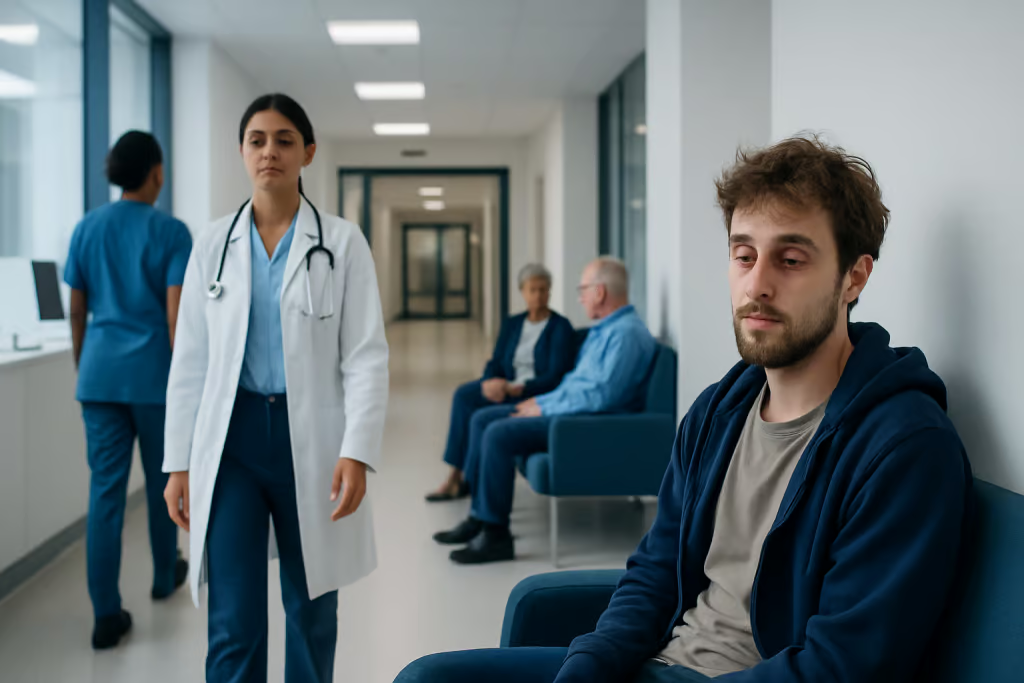
Pinpoint pupils are a common effect of opioids because these medicines act on parts of the nervous system that control the iris. Slow or stopped breathing, unusual sleepiness, and inability to wake are emergency warning signs, especially when paired with very small pupils.
Key Takeaways
- Pinpoint pupils are a common effect of opioids because these medicines act on parts of the nervous system that control the iris.
- Slow or stopped breathing, unusual sleepiness, and inability to wake are emergency warning signs, especially when paired with very small pupils.
- Other medicines, eye conditions, and neurological problems can also change pupil size, so opioid eyes are not diagnostic by themselves.
- A person should not stop prescribed opioids suddenly without medical guidance, as withdrawal can be difficult and sometimes requires support.
- Naloxone can reverse an opioid overdose temporarily; emergency medical care is still essential after it is given.
Opioid eyes commonly refers to very small, constricted pupils, also called pinpoint pupils. This can occur after taking opioid medicines or non-prescribed opioids, but pupil size alone cannot confirm opioid use or overdose and should always be considered alongside other symptoms.
What Are Opioid Eyes?
Opioid eyes is an informal term most often used to describe unusually small pupils after someone has taken an opioid. The medical term is miosis, and when the pupils are extremely small they may be called pinpoint pupils. Opioids include prescribed medicines used for pain, such as morphine, oxycodone, hydrocodone, fentanyl and codeine, as well as illicit opioids.
The pupil is the dark opening at the center of the eye that changes size in response to light and signals from the nervous system. Opioids can stimulate pathways that make the pupils constrict. Both pupils are usually affected similarly, although lighting, eye disease, or prior eye surgery can influence how they look.
Small pupils can be a useful clinical clue, but they are not proof that a person has used opioids. Clinicians consider pupil changes together with breathing, alertness, medical history, medications, and a physical examination. Most importantly, very small pupils together with slowed breathing or unresponsiveness may indicate an opioid emergency.
How Opioids Affect the Eyes and Brain
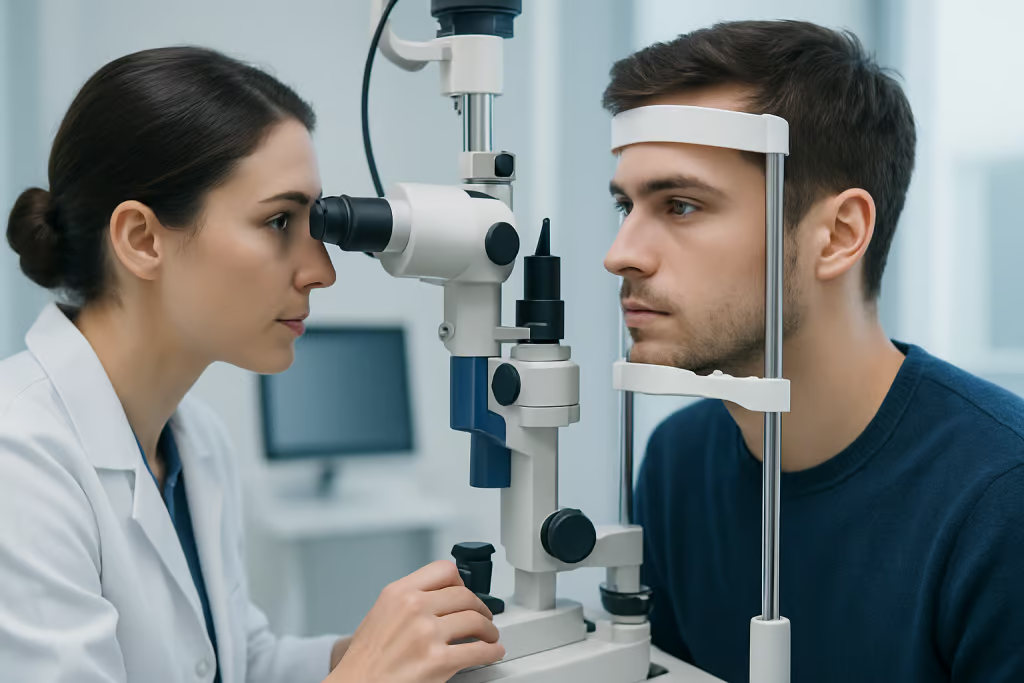
Opioids attach to opioid receptors in the brain, spinal cord, and other parts of the body. These receptors help explain why opioids can reduce pain but can also cause drowsiness, nausea, constipation, and slowed breathing. Their action in a brainstem area involved in pupil control can lead to constricted pupils.
The effect may appear after a therapeutic dose, especially in people who have not taken opioids before. Pupil constriction does not necessarily mean a person has taken too much medicine. However, it may be more pronounced when the opioid dose is high, when opioids are combined with alcohol or sedating medicines, or when the body is unable to clear the medicine normally.
Tolerance can develop to some opioid effects over time, but it is unpredictable and does not eliminate the risk of overdose. A person can be at particular risk after a period without opioids, such as after detoxification, hospitalization, or incarceration, because a previously tolerated amount may no longer be safe.
Symptoms That May Occur Alongside Opioid Eyes
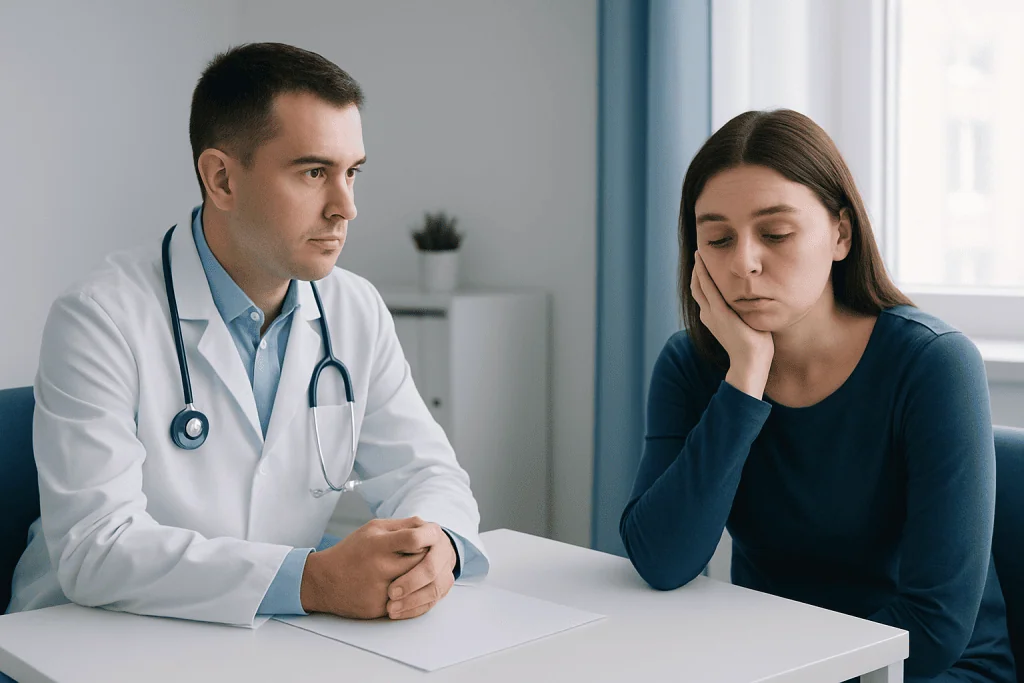
In a person taking an opioid as prescribed, small pupils may occur with expected side effects such as sleepiness, dizziness, nausea, itching, dry mouth, or constipation. These symptoms should be discussed with the prescribing clinician if they are persistent, troublesome, or worsening. A medication review may help identify safer options or reduce interaction risks.
Signs of concerning opioid intoxication can include marked drowsiness, confusion, slowed speech, poor coordination, limp muscles, snoring or gurgling sounds, and cool or clammy skin. Breathing may become slow, shallow, irregular, or stop. The lips or fingertips may look blue, gray, or unusually pale depending on skin tone.
The most important concern is breathing. Pinpoint pupils plus difficulty waking the person or abnormal breathing should be treated as a possible opioid overdose. It is safer to act quickly than to wait for symptoms to improve on their own.
- Very slow, shallow, or absent breathing
- Inability to wake, speak, or stay awake
- Blue, gray, or pale lips and nails
- Choking, gurgling, or unusual snoring sounds
- Pinpoint pupils with severe drowsiness or unresponsiveness
Other Causes of Small Pupils
Not every case of pinpoint pupils is related to opioids. Bright light normally makes pupils smaller, and some prescribed eye drops and medicines used for glaucoma can constrict the pupils. Certain medicines affecting the nervous system, including clonidine and some antipsychotic medicines, may also contribute to small pupils.
Less commonly, small pupils may be linked with an eye problem, head injury, a stroke, or another neurological condition. Unequal pupils, a new drooping eyelid, weakness on one side of the body, severe headache, confusion, or changes in speech require urgent assessment. These symptoms can point to conditions that need prompt treatment rather than a medication effect alone.
For this reason, it is not advisable for family members or bystanders to try to diagnose someone based on their eyes. A clinician can assess pupil response to light, consciousness, vital signs, breathing, and possible exposure to medicines or substances.
Opioid Overdose: What to Do Immediately
If someone has signs of a possible opioid overdose, call the local emergency number immediately. Try to keep the person awake and breathing if they can respond. If they are unconscious but breathing, place them on their side in the recovery position while waiting for emergency services, and monitor them closely.
If naloxone is available, it should be given according to the product instructions. Naloxone is an opioid-reversal medicine that can restore breathing in an opioid overdose. It is safe to give when an opioid overdose is suspected, even if the cause is uncertain. More than one dose may be needed, particularly with potent or long-acting opioids.
Emergency care remains necessary after naloxone because its effect can wear off before the opioid has left the body. Do not leave the person alone. Avoid giving food, drinks, or additional medicines to someone who is very drowsy or unable to swallow safely, and do not assume that sleep will resolve the situation.
Safe Opioid Use and Reducing Risk
People prescribed opioids should take them exactly as directed and should not change the dose, crush tablets, or combine products without professional advice. Alcohol, benzodiazepines, sleeping pills, and some other sedating medicines can dangerously increase the risk of slowed breathing when taken with opioids.
It is helpful to keep an updated list of all medicines, including over-the-counter products and supplements, and share it with every healthcare professional involved in care. A doctor or pharmacist can identify interactions and discuss whether naloxone should be kept at home. Medicines should be stored securely, away from children, visitors, and anyone for whom they were not prescribed.
Stopping regular opioid use suddenly can cause withdrawal symptoms such as anxiety, sweating, stomach upset, muscle aches, insomnia, and dilated rather than constricted pupils. A person who wishes to reduce or stop opioids should speak with a qualified clinician about a gradual, individualized plan. Support is also available for opioid use disorder, a treatable medical condition.
When to Seek Medical Care
Emergency help is needed immediately for slow or stopped breathing, inability to wake, bluish or grayish lips, severe confusion, or suspected overdose. These signs can occur with pinpoint pupils, but emergency action should never depend on checking the eyes first. Call emergency services and use naloxone if it is available.
A prompt medical appointment is appropriate for new or persistent pupil changes, unwanted opioid side effects, increasing need for pain medicine, or concerns about medication interactions. A clinician can review the medication regimen, assess eye and neurological symptoms, and discuss safer pain-management approaches where appropriate.
Acibadem International’s multidisciplinary specialists and JCI-accredited hospitals can assess medication-related symptoms, eye concerns, and neurological warning signs for international patients. Timely, non-judgmental medical support can help people use prescribed medicines more safely and access appropriate treatment when needed.
Frequently asked questions
Do opioid eyes always mean an overdose?
No. Small pupils can occur after taking an opioid at a prescribed dose and do not by themselves prove an overdose. An overdose is more concerning when there is severe sleepiness, inability to wake, or slow, shallow, or stopped breathing.
Can opioid eyes occur with prescription pain medicines?
Yes. Prescription opioids can constrict the pupils because of their effects on the nervous system. This may happen even when the medicine is taken as directed, although any troubling symptoms should be discussed with the prescribing clinician.
Are pinpoint pupils always caused by opioids?
No. Bright light, certain eye drops, other medicines, and some neurological conditions can cause small pupils. New unequal pupils or pupil changes with weakness, severe headache, confusion, or vision symptoms need urgent medical evaluation.
What should someone do if they suspect an opioid overdose?
Call the local emergency number right away. Give naloxone if it is available, follow its instructions, monitor breathing, and place an unconscious person who is breathing on their side. Emergency evaluation is still needed even if the person improves after naloxone.
Can alcohol make opioid side effects more dangerous?
Yes. Alcohol can add to the sedating and breathing-suppressing effects of opioids. Combining opioids with alcohol, benzodiazepines, sleeping medicines, or other sedatives can substantially increase overdose risk.
Should a person stop opioids if they notice pinpoint pupils?
A person should not stop a regularly used prescribed opioid abruptly without medical advice. Sudden discontinuation can cause withdrawal and may make pain or other symptoms harder to manage. A doctor can advise on whether the medicine should be adjusted or tapered safely.
References
- Centers for Disease Control and Prevention
- National Institute on Drug Abuse
- U.S. Food and Drug Administration
- World Health Organization
- MedlinePlus
This article is for general information only and is not a substitute for professional medical advice. Please consult a qualified doctor about your individual situation.
Explore treatments in Turkey — costs, top hospitals & a free quote
JCI-accredited · board-certified surgeons · reply within 24h
Add us as a Preferred Source to see more of our trusted health content across Google Search, AI Overviews and Discover.