Aneurysm Symptoms: Possible Causes and When to Seek Care

Many aneurysms cause no symptoms and are found incidentally on imaging. Symptoms vary by location, especially between brain aneurysms and aortic aneurysms.
Key Takeaways
- Many aneurysms cause no symptoms and are found incidentally on imaging.
- Symptoms vary by location, especially between brain aneurysms and aortic aneurysms.
- A sudden, severe headache or abrupt chest, abdominal, or back pain can be an emergency warning sign.
- Smoking, high blood pressure, age, family history, and certain inherited conditions can increase risk.
- Imaging tests such as CT, MRI, ultrasound, or angiography help confirm the diagnosis.
- Treatment may involve monitoring, blood pressure control, or procedures to repair the aneurysm.
Aneurysm symptoms depend on where the weakened blood vessel wall is located, and many aneurysms do not cause symptoms until they grow, leak, or rupture. Warning signs such as sudden severe headache, chest or back pain, fainting, or stroke-like symptoms need urgent medical care.
Overview: what aneurysm symptoms can mean
Aneurysm symptoms can range from none at all to sudden, severe warning signs that require emergency treatment. An aneurysm is a bulge or ballooning in the wall of a blood vessel caused by weakness in that wall. The symptoms depend mainly on where the aneurysm is located, how large it is, and whether it is pressing on nearby structures, leaking, or rupturing.
Many aneurysms are discovered unexpectedly during imaging done for another reason. This is especially true for smaller aneurysms. When symptoms do happen, they may be subtle at first, such as localized pain, pressure, or nerve-related changes, or they may begin abruptly if the aneurysm leaks or ruptures.
The two locations most often discussed are the brain and the aorta, the body’s main artery. A brain aneurysm may lead to headache, vision changes, or neurologic symptoms. An aortic aneurysm may cause chest, back, abdominal, or pulsating pain, depending on whether it is in the chest or abdomen. Understanding the pattern of symptoms can help people know when to seek prompt evaluation.
Common aneurysm symptoms by location
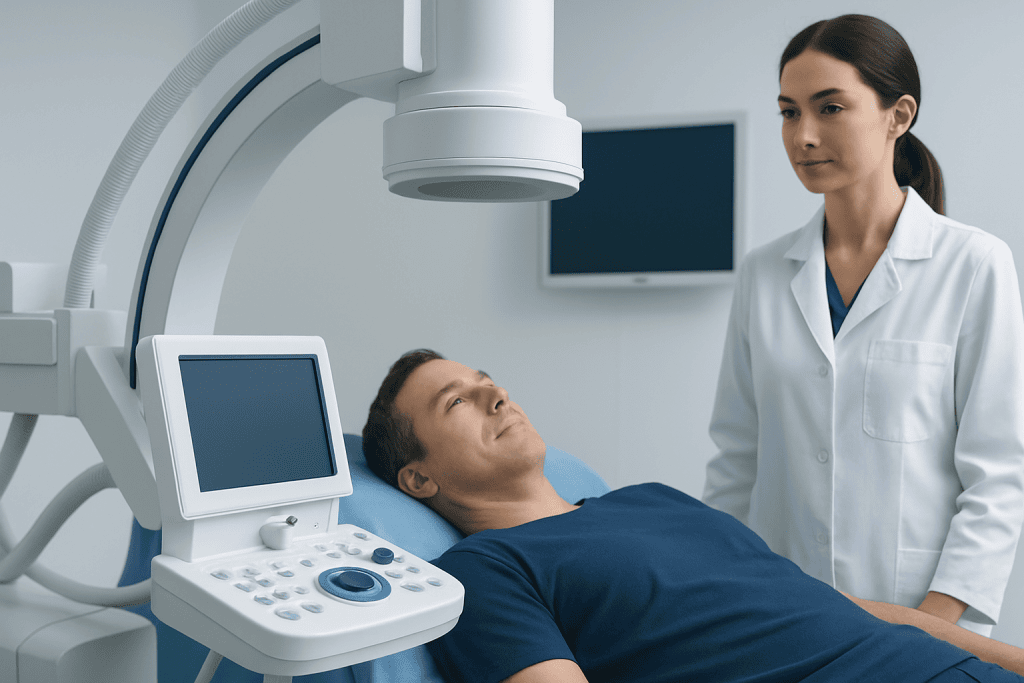
Symptoms are different because aneurysms affect different organs and nearby tissues. A brain aneurysm may remain silent, but if it grows it can press on nerves and cause pain above or behind the eye, double vision, a drooping eyelid, or changes in pupil size. If it leaks or ruptures, the classic symptom is a sudden, extremely severe headache, often described as the worst headache of a person’s life, sometimes with nausea, vomiting, neck stiffness, confusion, or loss of consciousness.
Aortic aneurysms can occur in the chest or abdomen. A thoracic aortic aneurysm may cause chest pain, back pain, hoarseness, cough, or shortness of breath if it presses on nearby structures. An abdominal aortic aneurysm may cause deep abdominal, side, or back pain, or a pulsating feeling in the belly. Some people notice no symptoms until the aneurysm becomes large or urgent.
Less commonly, aneurysms can affect other arteries, such as those behind the knee or in organs like the spleen. These may cause localized pain, swelling, or circulation problems. Symptoms that begin suddenly, become intense, or are accompanied by weakness, fainting, or difficulty speaking should never be ignored.
- Brain aneurysm: sudden severe headache, vision changes, drooping eyelid, nausea, neck stiffness
- Thoracic aortic aneurysm: chest pain, upper back pain, cough, hoarseness, shortness of breath
- Abdominal aortic aneurysm: abdominal or back pain, tender abdomen, pulsating sensation
- Peripheral aneurysm: limb pain, swelling, or signs of reduced blood flow
Why symptoms happen: causes and risk factors

An aneurysm forms when part of a blood vessel wall becomes weakened over time. This weakening may be related to long-term high blood pressure, atherosclerosis, smoking, aging, inflammation, trauma, or infection in rare cases. Some people are also born with connective tissue conditions or blood vessel abnormalities that make aneurysms more likely.
Risk factors vary somewhat by aneurysm type, but several are common. Smoking is one of the strongest modifiable risks, especially for aortic aneurysm. High blood pressure increases stress on vessel walls and raises the risk that an aneurysm may enlarge or rupture. Family history is also important, particularly if a first-degree relative has had a brain or aortic aneurysm.
Other factors include older age, male sex for abdominal aortic aneurysm, female sex for certain brain aneurysm patterns, high cholesterol, and vascular disease. Conditions such as polycystic kidney disease, Marfan syndrome, Ehlers-Danlos syndrome, or bicuspid aortic valve may also increase risk in some patients. Having risk factors does not mean a person will develop symptoms, but it can help guide screening and follow-up.
Sometimes aneurysms are discussed alongside other vascular conditions, such as carotid artery disease, because both can affect blood flow and increase the need for careful cardiovascular assessment. A doctor considers the whole vascular picture rather than focusing only on one blood vessel.
How doctors diagnose an aneurysm
Diagnosis usually begins with a careful history and physical examination, followed by imaging tests. If symptoms suggest an emergency, imaging is arranged quickly. The choice of test depends on the suspected location of the aneurysm and whether the goal is screening, diagnosis, or treatment planning.
For a suspected brain aneurysm, doctors may use CT, CT angiography, MRI, or magnetic resonance angiography. If rupture is suspected, an urgent brain scan is often the first step. In selected situations, a lumbar puncture or catheter angiography may be needed to confirm bleeding or define the aneurysm’s shape more precisely. Patients being assessed for brain aneurysm may also have a neurologic examination to check speech, strength, vision, and alertness.
For an aortic aneurysm, ultrasound is commonly used to detect abdominal aneurysms, while CT angiography and MRI are especially helpful for the chest and for surgical planning. Echocardiography may also be used when the ascending aorta is involved. Imaging not only confirms the aneurysm but also measures its size and growth over time, which helps guide treatment decisions.
Doctors also look for related conditions, including hypertension, smoking-related vascular disease, and inherited syndromes. In some families, screening of close relatives may be advised. Early diagnosis can be especially valuable because many aneurysms are treatable before they cause serious complications.
Treatment options and what they involve
Treatment depends on the aneurysm’s location, size, rate of growth, symptoms, and overall rupture risk. Some small, stable aneurysms can be monitored with regular imaging and risk-factor control rather than treated immediately. This surveillance approach is often combined with careful blood pressure management, cholesterol control when appropriate, and smoking cessation.
When a brain aneurysm needs treatment, the goal is to prevent rupture or rebleeding. Depending on its shape and position, specialists may recommend microsurgical clipping or an endovascular procedure such as aneurysm embolization. The choice is individualized and based on imaging findings, age, general health, and whether the aneurysm has already leaked or ruptured.
Aortic aneurysms may be repaired with open surgery or minimally invasive endovascular techniques. In some cases, doctors use endovascular aneurysm repair to reinforce the artery from inside using a graft delivered through blood vessels. Thoracic aneurysms can also require advanced cardiovascular or vascular procedures, and treatment planning often involves a multidisciplinary team.
If symptoms suggest a rupture, emergency care is essential. In these situations, treatment focuses first on stabilizing the patient and controlling bleeding or preventing further damage. Near the end of the care pathway, patients and families may wish to know that Acibadem International’s multidisciplinary specialists in JCI-accredited hospitals diagnose and treat complex aneurysm conditions for international patients.
Prevention and self-care after diagnosis
Not every aneurysm can be prevented, but reducing strain on blood vessels can lower risk and support long-term health. Stopping smoking is one of the most important steps. Blood pressure should be monitored and managed according to a doctor’s advice, because uncontrolled hypertension can increase the chance that an aneurysm will grow or rupture.
General cardiovascular habits also matter. A balanced diet, regular physical activity suited to the person’s health status, cholesterol management, weight control, and diabetes care can all support vascular health. Alcohol and stimulant use should be discussed with a clinician, especially in people with a known aneurysm or difficult-to-control blood pressure.
People who already have an aneurysm should keep follow-up imaging appointments and ask which symptoms should prompt urgent re-evaluation. Some may be advised to avoid heavy straining or extreme exertion, depending on the aneurysm type and size. Medication plans should be followed carefully, and all new headaches, chest pain, or neurologic symptoms should be reported promptly.
For families with a strong history of aneurysm, screening may sometimes be appropriate. A doctor can explain whether relatives should be evaluated and whether genetics or specialized vascular follow-up would be helpful. Self-care is not a substitute for medical assessment, but it plays an important supporting role.
When to seek medical care
Immediate emergency care is needed for possible rupture or bleeding. This includes a sudden severe headache unlike usual headaches, fainting, seizure, sudden confusion, weakness on one side, trouble speaking, sudden vision loss, or abrupt severe chest, abdominal, or back pain. These symptoms can reflect a medical emergency and should not be monitored at home.
Urgent medical evaluation is also important for new or unexplained neurologic symptoms, persistent chest or abdominal pain, a pulsating abdominal mass, or worsening shortness of breath with back or chest discomfort. Even if the symptoms improve, they should still be assessed because some aneurysms can leak before a major rupture occurs.
Routine medical care is appropriate for people with risk factors such as smoking history, high blood pressure, known vascular disease, inherited connective tissue conditions, or family history of aneurysm. A doctor may recommend screening or referral for imaging if the overall risk is elevated. In selected complex cases, specialists may also evaluate related structural issues of the aorta, including whether aortic aneurysm surgery is needed.
Frequently asked questions
Can an aneurysm cause symptoms for a long time before it ruptures?
Yes. Some aneurysms cause symptoms gradually as they enlarge and press on nearby tissues, while others remain completely silent. The absence of symptoms does not always mean the aneurysm is harmless, which is why follow-up imaging can be important.
What does a brain aneurysm headache feel like?
A ruptured brain aneurysm often causes a sudden, explosive, very severe headache that reaches maximum intensity quickly. It may occur with nausea, neck stiffness, light sensitivity, confusion, or loss of consciousness. Any sudden severe headache like this needs emergency evaluation.
Are aneurysm symptoms always painful?
No. Some aneurysms cause pressure symptoms rather than pain, such as double vision, drooping eyelid, hoarseness, or shortness of breath. Others cause no symptoms at all and are found by chance on imaging.
Who is most at risk for aneurysm symptoms?
Risk is higher in people who smoke, have high blood pressure, are older, or have a family history of aneurysm. Certain inherited connective tissue disorders and vascular conditions can also increase risk. A clinician can help determine whether screening is appropriate.
Can stress cause an aneurysm?
Stress itself is not considered a direct cause of an aneurysm, but it can contribute to higher blood pressure in some people. Because high blood pressure can place extra strain on blood vessel walls, managing stress may support overall vascular health as part of a broader care plan.
How are aneurysms usually found?
Some are discovered after symptoms lead to urgent imaging, especially if rupture is suspected. Many others are found incidentally during CT, MRI, ultrasound, or angiography done for another reason. Once identified, the aneurysm is measured and monitored or treated depending on its risk.
References
- American Heart Association
- National Institute of Neurological Disorders and Stroke
- Society for Vascular Surgery
- Centers for Disease Control and Prevention
- National Institutes of Health
This article is for general information only and is not a substitute for professional medical advice. Please consult a qualified doctor about your individual situation.
Joint and spine care in Turkey — expert assessment & treatment
JCI-accredited · board-certified surgeons · reply within 24h
Add us as a Preferred Source to see more of our trusted health content across Google Search, AI Overviews and Discover.
Check your numbers in seconds
BMI, calories, due date, blood pressure and 30+ more clinical calculators — free, instant, doctor-reviewed ranges.