Loose Stool: What Patients Need to Know

Loose stool is a symptom, not a disease, and it can have many different causes. Short-term loose stool often improves with hydration, rest, and simple foods.
Key Takeaways
- Loose stool is a symptom, not a disease, and it can have many different causes.
- Short-term loose stool often improves with hydration, rest, and simple foods.
- Red flags include blood in the stool, signs of dehydration, severe pain, fever, or symptoms lasting more than a few days.
- Diagnosis depends on the pattern of symptoms, medical history, and sometimes stool tests, blood tests, or imaging.
- Prevention focuses on food safety, hand hygiene, careful medication use, and managing underlying digestive conditions.
Loose stool means bowel movements are softer or more watery than usual. It is often caused by a temporary digestive upset, but persistent, painful, or severe symptoms should be assessed by a doctor.
Overview
Loose stool refers to bowel movements that are softer, less formed, or more watery than usual. Many people experience it from time to time, often after a mild stomach infection, a change in diet, stress, or certain medications. In many cases, it settles within a few days and does not lead to lasting problems.
Even so, loose stool is a symptom rather than a diagnosis. The meaning depends on how long it lasts, how often it happens, and whether other symptoms appear with it. A single day of loose stool after a heavy meal is very different from ongoing loose stool with weight loss, abdominal pain, or blood.
It can help to think about loose stool in three broad patterns: sudden short-term symptoms, repeated episodes that come and go, and chronic symptoms lasting several weeks or more. This symptom-based approach can help patients understand when simple self-care is reasonable and when medical evaluation is important.
What Loose Stool Can Feel Like
People describe loose stool in different ways. It may be mushy, poorly formed, urgent, or clearly watery. Some notice only a mild change in consistency, while others need to use the toilet much more often than usual. Urgency, cramping, bloating, and a sense of incomplete emptying may also occur.
Loose stool may happen on its own or alongside other digestive symptoms. Common accompanying symptoms include nausea, abdominal discomfort, gas, fever, or fatigue. If the bowel movement is very frequent, the body can lose water and salts quickly, which may lead to dehydration.
Features that deserve special attention include:
- Blood or black, tarry stool
- Severe or worsening abdominal pain
- Fever or chills
- Vomiting that prevents fluid intake
- Dizziness, dry mouth, or reduced urination
- Weight loss or symptoms that keep returning
Common Causes and Risk Factors

Short-term loose stool is commonly caused by infections such as viral gastroenteritis, food poisoning, or traveler-related stomach infections. It can also occur after eating foods that are unusually fatty, spicy, or difficult to digest. Some people develop temporary loose stool during periods of emotional stress or anxiety because the gut and nervous system are closely connected.
Medicines are another frequent cause. Antibiotics can disturb the balance of normal gut bacteria, and laxatives, magnesium-containing products, some diabetes medicines, and other drugs may also loosen the stool. When symptoms begin after starting a new medicine, patients should review this with a healthcare professional rather than stopping prescription treatment on their own.
When loose stool persists or keeps returning, doctors may consider an underlying digestive disorder. Examples include food intolerances such as lactose intolerance, malabsorption problems, inflammatory bowel disease, or functional bowel conditions such as irritable bowel syndrome. In some cases, ongoing loose stool may be linked to disorders affecting the pancreas, thyroid, gallbladder, or intestines. If there is concern for structural or inflammatory disease, a specialist may evaluate for conditions such as Crohn’s disease.
Risk factors vary by cause but often include recent travel, unsafe food or water exposure, close contact with someone who is ill, recent antibiotic use, known food sensitivities, and a history of digestive disease. Young children, older adults, pregnant women, and people with weakened immune systems may be more vulnerable to complications from fluid loss.
How Doctors Diagnose the Cause
Diagnosis begins with a careful history. A doctor will usually ask when the loose stool started, how often it happens, whether it is watery or greasy, and whether there is pain, fever, vomiting, blood, mucus, or nighttime symptoms. Recent travel, new medications, dietary changes, and contact with sick people can offer important clues.
A physical examination helps assess hydration and abdominal tenderness. In many people with brief, mild symptoms, tests may not be needed right away. If the symptoms are severe, prolonged, recurrent, or associated with warning signs, further evaluation may be recommended.
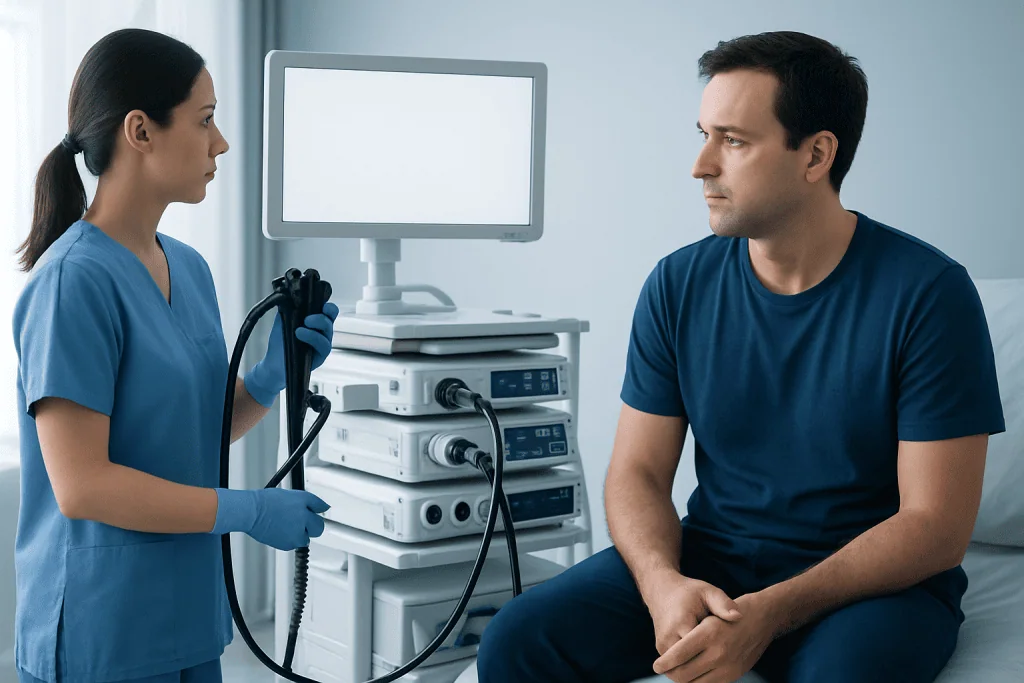
Possible tests include stool studies for infection, blood tests to look for inflammation or dehydration, and tests for food intolerance or malabsorption. In selected cases, imaging or endoscopic procedures may be used to examine the digestive tract more closely. This may include a colonoscopy if there is concern about bleeding, inflammatory bowel disease, or another bowel condition. If the doctor suspects a structural problem or another abdominal cause, gastroenterology evaluation can help guide the next steps.
Treatment Options and Symptom Relief
Treatment depends on the cause. For short-term loose stool caused by a mild infection or dietary upset, the main priorities are replacing fluids, resting, and allowing the digestive system to recover. Water is important, but oral rehydration solutions or other drinks that replace salts may be especially helpful if bowel movements are frequent.
Food choices can also make a difference. Many people tolerate small, simple meals better than large or rich foods while symptoms are active. Bland foods such as rice, toast, bananas, applesauce, soup, potatoes, or crackers may be easier on the stomach. Alcohol, very fatty foods, and foods that seem to trigger symptoms are usually best avoided until recovery.
Some patients ask about over-the-counter medicines. These may reduce symptoms in selected cases, but they are not suitable for everyone, especially if there is fever, bloody stool, severe abdominal pain, or suspected bacterial infection. Because treatment should match the cause, a pharmacist or doctor can advise whether symptom-relieving medicines are appropriate.
If a specific underlying condition is found, treatment may be more targeted. This might include adjusting a medication, treating an infection, following a structured diet plan, or managing a chronic digestive illness. In more complex cases, tests such as endoscopy or specialist care may be needed to define the problem clearly and choose the safest treatment approach.
Prevention and Self-Care
Not all cases of loose stool can be prevented, but a few practical steps can lower the risk. Good hand hygiene before eating and after using the bathroom is one of the simplest and most effective measures. Safe food preparation, proper refrigeration, and caution with food and water while traveling also help reduce exposure to infections.
People who notice recurring loose stool after certain foods may benefit from keeping a symptom diary. Recording meals, drinks, medications, and bowel changes can help identify patterns such as lactose intolerance, artificial sweetener sensitivity, or stress-related symptoms. It is best not to remove multiple food groups without guidance, since unnecessary restriction can make nutrition harder to maintain.
Hydration deserves attention even in mild cases. Drinking fluids regularly and watching for signs of dehydration can help prevent complications. For people with chronic digestive symptoms, regular medical follow-up is important so that the underlying cause is treated rather than repeatedly masked.
Near the end of the care pathway, specialist input may be useful for symptoms that are frequent, unexplained, or difficult to control. Acibadem International’s multidisciplinary specialists in JCI-accredited hospitals evaluate digestive symptoms for international patients and can coordinate diagnosis and treatment when needed.
When to Seek Medical Care
Many episodes of loose stool improve within a short time, but some situations need medical attention. A person should contact a doctor if symptoms last more than a few days, keep returning, or interfere with normal eating and drinking. Ongoing symptoms may point to an infection that needs treatment or to an underlying bowel condition that should be assessed.
Urgent medical care is important if there is blood in the stool, black stool, high fever, severe dehydration, confusion, fainting, or intense abdominal pain. Infants, older adults, and people with chronic illness or weakened immunity should seek advice earlier because dehydration can develop faster in these groups.
Patients should also mention loose stool if it occurs with unexplained weight loss, anemia, or symptoms that wake them from sleep. These features do not always mean something serious, but they do deserve a proper medical review so the cause is not missed.
Frequently asked questions
Is loose stool the same as diarrhea?
Loose stool and diarrhea are closely related, but they are not always used in exactly the same way. Loose stool usually refers to softer or less formed bowel movements, while diarrhea often means loose or watery stool happening more often than usual.
How long should loose stool last before it is checked by a doctor?
Short-term loose stool often improves within a few days. If it lasts longer, keeps coming back, or happens with fever, pain, blood, dehydration, or weight loss, medical advice is recommended.
What should a person eat when they have loose stool?
Many people do better with small amounts of simple, easy-to-digest foods and plenty of fluids. Bland meals and avoiding alcohol, very fatty foods, and personal trigger foods can help while the gut settles.
Can stress cause loose stool?
Yes. Stress and anxiety can affect how quickly the intestines move and may lead to cramping, urgency, or loose stool in some people. If symptoms are frequent, severe, or changing, a doctor should still rule out other causes.
When is loose stool a sign of something more serious?
Warning signs include blood in the stool, black stool, severe abdominal pain, persistent fever, dehydration, or unexplained weight loss. Loose stool that continues for weeks or repeatedly returns also needs medical evaluation.
Can medications cause loose stool?
Yes. Antibiotics, laxatives, magnesium-containing products, and some other medicines can change bowel habits. If symptoms begin after starting a medicine, patients should discuss it with a healthcare professional before making changes.
References
- National Institute of Diabetes and Digestive and Kidney Diseases
- Centers for Disease Control and Prevention
- Mayo Clinic
- World Health Organization
This article is for general information only and is not a substitute for professional medical advice. Please consult a qualified doctor about your individual situation.
Persistent digestive symptoms? Get evaluated in Turkey
JCI-accredited · board-certified surgeons · reply within 24h
Add us as a Preferred Source to see more of our trusted health content across Google Search, AI Overviews and Discover.