Vwf Disease vs Hemophilia: Key Differences and How Doctors Tell Them Apart
Von Willebrand disease is the most common inherited bleeding disorder and affects people of all sexes. Hemophilia A and B are caused by low or missing clotting factor VIII or IX and most often affect males.
Key Takeaways
- Von Willebrand disease is the most common inherited bleeding disorder and affects people of all sexes.
- Hemophilia A and B are caused by low or missing clotting factor VIII or IX and most often affect males.
- Frequent nosebleeds, heavy menstrual bleeding and mucosal bleeding are more typical of von Willebrand disease.
- Deep muscle bleeds and recurrent painful swollen joints are more characteristic of moderate or severe hemophilia.
- Doctors distinguish these conditions with bleeding history, family history and specialized blood tests, not symptoms alone.
Vwf disease vs hemophilia can be difficult to distinguish because both may cause prolonged bleeding, bruising and bleeding after procedures. Von Willebrand disease usually affects platelet adhesion and factor VIII protection, while hemophilia primarily results from low factor VIII or IX activity and often causes deep joint or muscle bleeding.
Vwf Disease vs Hemophilia: A Side-by-Side Comparison
Vwf disease vs hemophilia is an important distinction because both are inherited bleeding disorders, but they involve different parts of the body’s clotting system. Von Willebrand disease, often called VWD, occurs when von Willebrand factor is low, absent or does not work properly. Hemophilia is usually caused by reduced activity of clotting factor VIII (hemophilia A) or factor IX (hemophilia B).
Von Willebrand factor helps platelets attach to an injured blood vessel and also helps protect factor VIII in the bloodstream. When it is not working well, bleeding from the nose, gums, skin, uterus or digestive tract may be more noticeable. In hemophilia, the clotting process is impaired further downstream, which can lead to deeper bleeding into joints and muscles, especially in more severe forms.
- Typical inheritance: VWD can affect people of any sex and is often inherited in an autosomal pattern. Hemophilia A and B are usually X-linked, so they more commonly cause significant symptoms in males, although females can also have low factor levels and bleeding symptoms.
- Common bleeding pattern: VWD often causes easy bruising, nosebleeds, gum bleeding, heavy menstrual bleeding and prolonged bleeding after dental work. Hemophilia may cause prolonged bleeding after injury or surgery, as well as joint and muscle bleeding.
- Key laboratory findings: VWD testing measures von Willebrand factor amount and function, along with factor VIII. Hemophilia testing measures factor VIII and factor IX activity.
- Usual treatment approach: Treatment is tailored to the condition, severity, planned procedures and bleeding history. It may include medicines that support clotting, clotting-factor replacement, antifibrinolytic medicines or other targeted therapies.
Symptoms can overlap, and mild disease may only become apparent after surgery, tooth extraction, childbirth or a significant injury. A clinician should therefore use a structured history and appropriate laboratory testing rather than relying on a single symptom.
How the Conditions Affect Blood Clotting
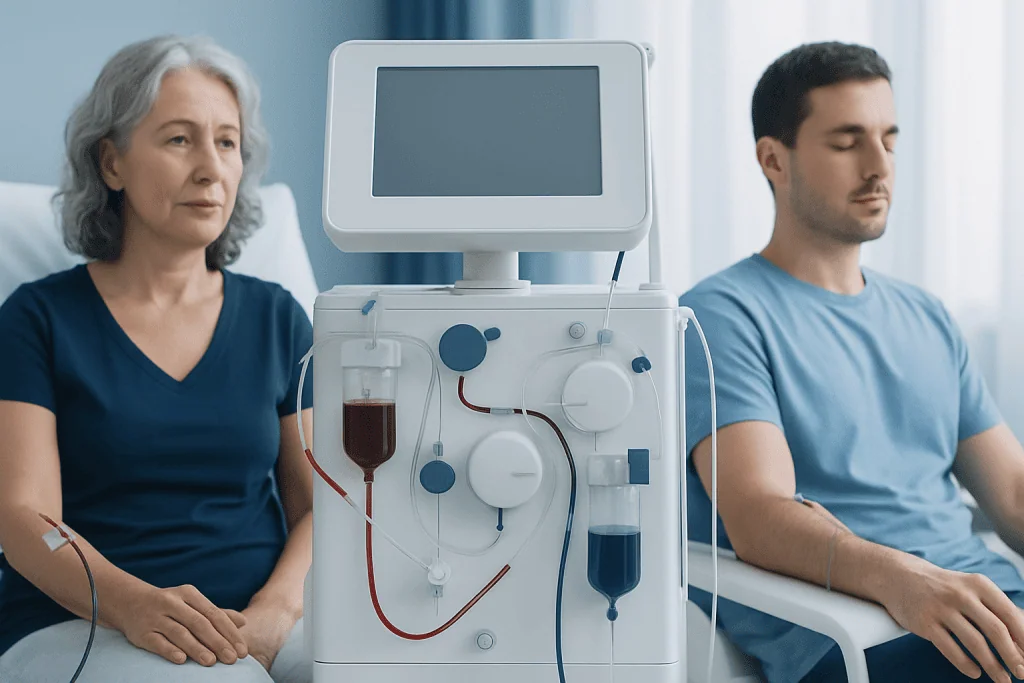
Normal clotting involves blood vessels, platelets and clotting proteins working together to form a stable clot. Von Willebrand factor acts early in this process by helping platelets adhere to damaged vessel walls. It also carries factor VIII, one of the proteins needed to build and maintain a clot.
In VWD, the body may make too little von Willebrand factor, make a form that does not function normally, or rarely make almost none. The condition is grouped into several types. Type 1 is a partial reduction in the protein and is commonly mild. Type 2 involves functional changes, while type 3 is rare and generally more severe because von Willebrand factor is nearly absent.
In hemophilia A, factor VIII activity is reduced; in hemophilia B, factor IX activity is reduced. Severity is based largely on the measured clotting-factor level. People with mild hemophilia may bleed mainly after procedures or major trauma, whereas those with severe hemophilia can have spontaneous bleeding, particularly into joints or muscles.
Although VWD may also lower factor VIII, especially in some subtypes, it is not the same condition as hemophilia A. The distinction matters because treatment choices, inheritance counseling and monitoring needs may differ. More information about von Willebrand disease can help patients understand its different forms and management.
Bleeding Symptoms That Can Offer Clues

The location and timing of bleeding may give a doctor useful clues, though no individual symptom confirms either diagnosis. People with VWD often describe mucocutaneous bleeding, meaning bleeding involving moist surfaces and small blood vessels. This may include recurrent nosebleeds, easy bruising, bleeding after brushing or flossing, prolonged bleeding from small cuts, or bleeding after dental treatment.
Heavy or prolonged menstrual bleeding is a common concern in people with VWD and can contribute to iron deficiency. Some people notice excessive bleeding after childbirth, surgery or injury. Because these symptoms are common in the general population, the overall pattern, family history and impact on daily life are important.
Hemophilia can also cause bleeding after surgery, dental procedures or trauma. However, repeated bleeding into the same joint, often the ankles, knees or elbows, is particularly suggestive of moderate or severe hemophilia. A joint bleed may cause warmth, swelling, pain, tingling or reduced movement. Untreated recurrent joint bleeding can damage the joint over time.
Deep muscle bleeding, large unexplained bruises and bleeding after relatively minor injuries may also occur in hemophilia. People with mild hemophilia may not have spontaneous joint bleeding and may first be diagnosed after an operation or injury. Any unusual, recurrent or difficult-to-control bleeding deserves medical assessment.
How Doctors Tell VWD and Hemophilia Apart
A clinician begins by asking about bleeding episodes throughout life. Useful details include how long nosebleeds last, whether cuts require medical attention, bleeding after tooth extraction or surgery, menstrual and childbirth bleeding, joint swelling, medications and relatives with a bleeding disorder. A standardized bleeding assessment tool may be used to document the pattern consistently.
Initial blood work may include a complete blood count, platelet count, prothrombin time and activated partial thromboplastin time. These screening tests can be helpful, but normal results do not rule out VWD or mild hemophilia. An activated partial thromboplastin time may be prolonged in hemophilia and in some forms of VWD, particularly when factor VIII is low.
To assess possible VWD, doctors typically request von Willebrand factor antigen, von Willebrand factor activity and factor VIII activity. Further testing may be needed to identify the VWD type. Results can vary with stress, infection, pregnancy, hormones, exercise and blood type, so repeat testing is sometimes necessary when results and symptoms do not match.
To diagnose hemophilia, factor VIII and factor IX activity levels are measured. If a low level is found, additional studies may clarify the cause and help identify inhibitors, which are antibodies that can interfere with factor treatment. A hematologist, especially one experienced in bleeding disorders, can interpret the results in the context of the person’s history.
What Treatment May Involve for Each Condition
Treatment is individualized. Not every person with mild VWD or mild hemophilia needs regular preventive therapy. Some only need a plan for dental procedures, surgery, childbirth, significant injuries or episodes of bleeding. Keeping a written diagnosis and treatment plan can be useful when seeking urgent care or seeing a new healthcare professional.
For some people with certain forms of VWD, desmopressin can temporarily raise levels of von Willebrand factor and factor VIII. It is not appropriate for every VWD type, and a clinician may test the response before it is relied upon for a procedure. Other options include von Willebrand factor-containing concentrates and antifibrinolytic medicines, which may be particularly useful for mouth, nose or menstrual bleeding.
Hemophilia treatment may include replacement of the missing clotting factor, either when bleeding occurs, before procedures, or regularly to prevent bleeding in people with more severe disease. Some people with hemophilia A may also be candidates for non-factor preventive treatment. The safest option depends on hemophilia type, factor level, bleeding history and whether inhibitors are present.
Medical teams also address related concerns, such as iron deficiency from chronic heavy menstrual bleeding, pain management, joint health and genetic counseling. Before surgery or an invasive procedure, patients should tell the surgical, dental and anesthesia teams about any known or suspected bleeding disorder.
Everyday Precautions and Self-Care
People with a confirmed bleeding disorder can usually remain active, work, travel and participate in many forms of exercise with an individualized plan. Low-impact activity and muscle-strengthening exercise may support joint health. The most appropriate activities depend on the condition’s severity, previous bleeding and advice from the treating team.
It is important to discuss over-the-counter medicines and supplements with a clinician or pharmacist. Aspirin and many nonsteroidal anti-inflammatory drugs can impair platelet function and increase bleeding risk for some people. A doctor can recommend safer options for pain or fever when needed.
Regular dental care can reduce the chance of urgent dental procedures and gum bleeding. Patients should inform dentists and hygienists of their diagnosis before treatment. For people with heavy menstrual bleeding, tracking cycle length, bleeding amount, fatigue and symptoms of anemia can help guide discussions with a healthcare professional.
Medical identification, such as a card, phone alert or bracelet, may be helpful for people with moderate or severe disease. Family members may also benefit from counseling or testing when an inherited bleeding disorder is diagnosed, particularly before surgery, pregnancy planning or participation in higher-risk activities.
When to Seek Medical Care
Urgent medical care is needed for heavy bleeding that does not stop with firm pressure, a suspected head injury, severe headache after an injury, sudden weakness, confusion, repeated vomiting, difficulty breathing, chest pain, severe abdominal pain, or blood in vomit, urine or stool. A painful swollen joint or muscle, particularly in someone with known hemophilia, should also be assessed promptly because early treatment can limit complications.
A non-urgent medical appointment is appropriate for frequent nosebleeds, unexplained large bruises, prolonged bleeding from minor cuts, unusually heavy menstrual bleeding, bleeding after dental work, or a family history of a bleeding disorder. Evaluation is also sensible before a planned operation, childbirth or an invasive procedure when there is a personal or family bleeding history.
People should not assume that a normal basic blood test excludes a bleeding disorder. A primary care clinician, gynecologist, pediatrician or hematologist can decide whether specialized testing is appropriate. At Acibadem International, multidisciplinary specialists in JCI-accredited hospitals can assess and treat bleeding disorders for international patients.
Frequently asked questions
Is von Willebrand disease the same as hemophilia?
No. Von Willebrand disease involves a problem with von Willebrand factor, which helps platelets stick to damaged blood vessels and supports factor VIII. Hemophilia A and B result from low factor VIII or factor IX activity, respectively.
Can females have hemophilia?
Yes. Although hemophilia is commonly inherited in an X-linked pattern and is more often clinically significant in males, females can have low factor levels and meaningful bleeding symptoms. They should be evaluated when there is a family history or unusual bleeding.
Which causes heavier periods: VWD or hemophilia?
Heavy menstrual bleeding is especially common in von Willebrand disease because mucosal and uterine bleeding are typical features. However, people with hemophilia or low clotting-factor levels can also experience heavy periods, and the cause should be assessed individually.
Can a person have both von Willebrand disease and hemophilia?
Having both is uncommon, but complex bleeding patterns and more than one inherited factor issue can occur. Specialized testing helps determine whether low factor VIII is due to VWD, hemophilia A or another cause.
Will routine blood tests diagnose VWD or hemophilia?
Routine screening tests may suggest a clotting problem but cannot reliably diagnose all cases. Specific tests for von Willebrand factor, factor VIII and factor IX are usually needed, and testing may need to be repeated in some situations.
Should a person with suspected VWD or hemophilia avoid all exercise?
No. Physical activity is often beneficial, particularly for strength, balance and joint health. The type of activity and any precautions should be discussed with a clinician familiar with the person’s diagnosis and bleeding history.
References
- Centers for Disease Control and Prevention
- National Heart, Lung, and Blood Institute
- World Federation of Hemophilia
- National Bleeding Disorders Foundation
- American Society of Hematology
This article is for general information only and is not a substitute for professional medical advice. Please consult a qualified doctor about your individual situation.
Hemophilia in Turkey — costs, top hospitals & a free quote
JCI-accredited · board-certified surgeons · reply within 24h
Add us as a Preferred Source to see more of our trusted health content across Google Search, AI Overviews and Discover.