Endoscopy for Stomach Pain or Reflux: When Is It Recommended?

Most uncomplicated heartburn or indigestion can initially be assessed and treated without endoscopy. Endoscopy may be recommended for persistent reflux, swallowing difficulties, bleeding, unexplained weight loss, anemia, or recurrent vomiting.
Key Takeaways
- Most uncomplicated heartburn or indigestion can initially be assessed and treated without endoscopy.
- Endoscopy may be recommended for persistent reflux, swallowing difficulties, bleeding, unexplained weight loss, anemia, or recurrent vomiting.
- The test can identify inflammation, ulcers, narrowing, Barrett’s esophagus, and other causes of upper digestive symptoms.
- Biopsies can be taken during endoscopy without being felt and may help test for conditions such as H. pylori infection.
- Sedation is commonly used, and most people return home the same day with an accompanying adult.
An upper endoscopy, also called gastroscopy, lets a gastroenterologist examine the esophagus, stomach, and first part of the small intestine. It is not needed for every episode of stomach pain or reflux, but it can be important when symptoms continue, do not respond to treatment, or occur with warning signs.
What Is an Upper Endoscopy?
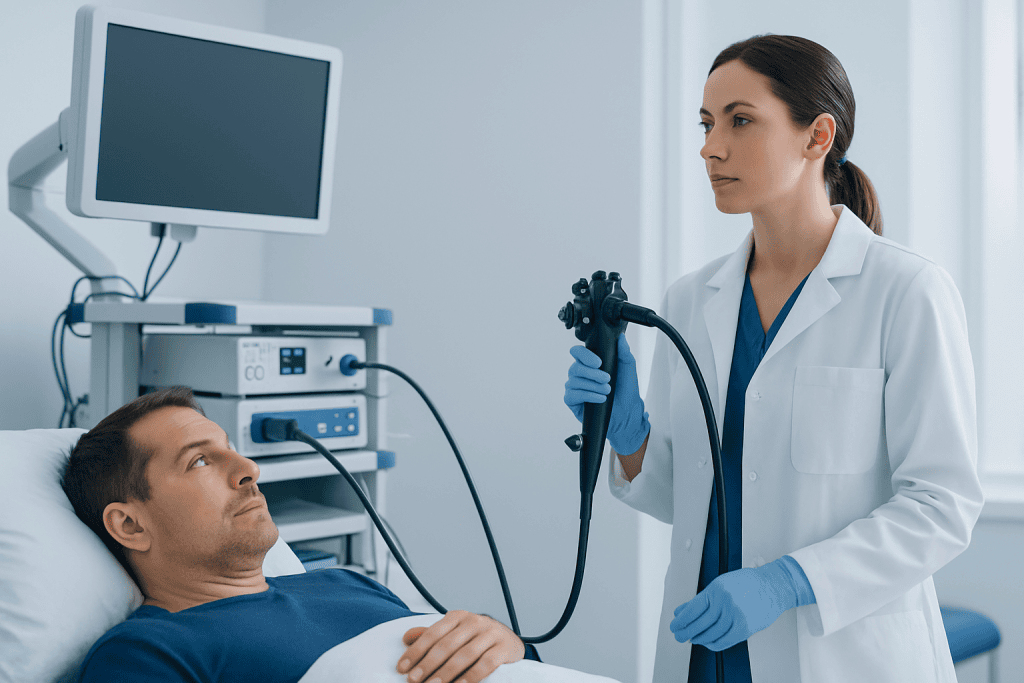
An upper endoscopy is a procedure that examines the upper digestive tract: the esophagus, stomach, and duodenum, which is the first section of the small intestine. A doctor passes a thin, flexible tube with a tiny camera through the mouth and gently into these areas. It is also called gastroscopy or esophagogastroduodenoscopy (EGD).
The procedure allows the doctor to look directly at the lining of the digestive tract. This can help clarify whether symptoms such as burning behind the breastbone, upper abdominal pain, nausea, or difficulty swallowing are related to reflux, inflammation, an ulcer, or another condition.
Endoscopy is both a diagnostic and, in some cases, a therapeutic procedure. The doctor can take very small tissue samples, called biopsies, test for certain infections, remove some polyps, stretch a narrowed area, or treat a source of bleeding when appropriate. Further information about endoscopy and colonoscopy services may help patients understand how these procedures are planned and performed.
When Is Endoscopy Recommended for Reflux?
Gastroesophageal reflux disease (GERD) occurs when stomach contents repeatedly flow back into the esophagus. Many people with typical, occasional heartburn can begin with lifestyle measures and a time-limited course of acid-reducing medicine recommended by a clinician. An endoscopy is not automatically necessary for mild or short-lived symptoms.
A clinician may recommend endoscopy when reflux symptoms continue despite appropriate treatment, return frequently after treatment is stopped, or are unusual enough that another diagnosis should be considered. It may also be used before certain anti-reflux procedures or when there is concern that long-term reflux has affected the esophageal lining.
Endoscopy can show reflux-related inflammation, ulcers, narrowing of the esophagus, or a hiatal hernia. It can also help identify changes known as Barrett’s esophagus, in which the lower esophageal lining changes after long-term acid exposure. Not everyone with reflux has visible findings on endoscopy, and a normal examination does not mean that symptoms are not real.
When reflux is suspected but endoscopy is normal or does not fully explain symptoms, a doctor may recommend other tests. These can include ambulatory reflux monitoring, which measures acid exposure over time, and esophageal manometry, which assesses how the swallowing muscles work. Reflux disease evaluation and treatment may combine these tests according to the individual’s symptoms.
Stomach Pain and Other Reasons for Endoscopy
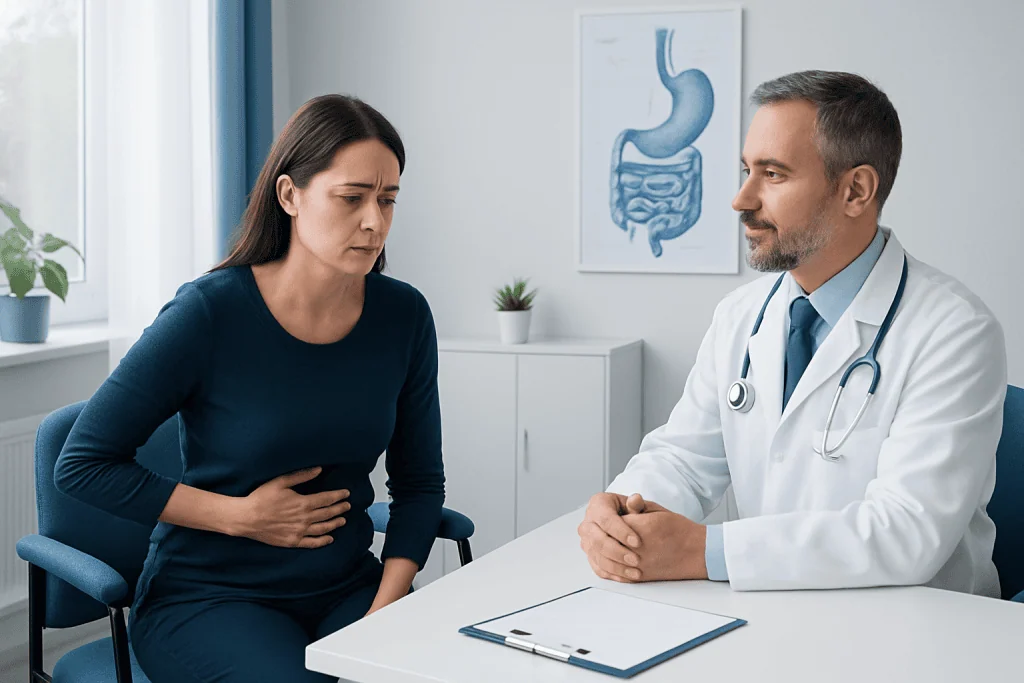
Upper abdominal pain, often called dyspepsia or indigestion, can have many causes. These include acid irritation, gastritis, an ulcer, medication effects, infection with Helicobacter pylori (H. pylori), gallbladder or pancreatic conditions, and functional digestive disorders. Because the possible causes vary, an endoscopy is usually considered alongside the person’s age, medical history, examination, and any initial test results.
Endoscopy is more likely to be helpful when pain is persistent, recurrent, severe, unexplained, or does not improve with a reasonable treatment plan. It may be used to look for gastritis, erosions, stomach or duodenal ulcers, and less common structural conditions. A biopsy can be collected to check for H. pylori or to evaluate abnormal-looking tissue.
Nonsteroidal anti-inflammatory drugs (NSAIDs), such as ibuprofen and naproxen, can irritate the stomach lining and increase ulcer risk, especially when used regularly. A clinician should review all medicines, including over-the-counter pain relievers, aspirin, supplements, and anticoagulants. Patients should not stop prescribed medicines without medical advice.
Some abdominal symptoms may come from outside the stomach and are not always explained by endoscopy. For example, pain related to gallstones may need imaging of the gallbladder, while pancreatic or liver conditions may require blood tests or scans. Endoscopy is selected when it is likely to provide useful information about the upper digestive tract.
Warning Signs That Need Prompt Medical Assessment
Certain symptoms, sometimes called alarm features, warrant prompt medical assessment and often lead to an earlier endoscopy. These features do not always mean a serious condition is present, but they should not be ignored because they can indicate bleeding, obstruction, significant inflammation, or another problem that needs timely care.
- Difficulty swallowing, pain when swallowing, or food feeling stuck
- Vomiting blood or material that resembles coffee grounds
- Black, tar-like stools or other signs of gastrointestinal bleeding
- Unexplained weight loss, loss of appetite, or persistent vomiting
- Unexplained iron-deficiency anemia, fatigue, or paleness
- New or changing upper digestive symptoms in someone with important risk factors or a relevant family history
Anyone with vomiting blood, black stools, fainting, severe weakness, sudden severe abdominal pain, chest pain, or breathing difficulty should seek urgent medical care. Chest pain should never be assumed to be reflux without appropriate assessment, as heart conditions can cause similar symptoms.
Endoscopy can help locate and sometimes treat upper gastrointestinal bleeding. In these situations, the timing and type of investigation are decided by the treating medical team based on the person’s stability and overall health.
How the Procedure Is Performed and How to Prepare
Before an endoscopy, the care team reviews symptoms, health conditions, allergies, and all medicines. People are commonly asked not to eat for a set period before the procedure so the stomach is empty. Instructions vary, so it is important to follow the specific guidance from the endoscopy unit.
Some medicines may need special planning, especially blood thinners, diabetes medicines, and certain weight-loss medicines that can affect stomach emptying. The prescribing clinician and endoscopy team should advise whether and when these medicines need adjustment. Patients should also mention possible pregnancy, sleep apnea, heart or lung disease, and any previous reaction to sedation.
A throat spray and/or intravenous sedation may be used to improve comfort. During the examination, patients are monitored while lying on their side. The camera does not interfere with breathing, and the procedure itself often takes only a short time, although preparation and recovery take longer.
Biopsies may be taken even when the lining appears normal, because microscopic testing can provide useful information. Biopsy collection is usually painless. If sedation is given, the patient needs someone to accompany them home and should avoid driving, alcohol, important decisions, and operating machinery for the period advised by the care team.
Results, Possible Findings, and Next Steps
The doctor may be able to discuss visual findings shortly after the procedure. If biopsies are collected, laboratory results usually take additional time. The final plan depends on the findings, symptoms, medical history, and results of any other tests.
Possible findings include esophagitis, a hiatal hernia, gastritis, peptic ulcers, narrowing of the esophagus, or changes associated with chronic reflux. A peptic ulcer may be linked to H. pylori infection or use of medicines such as NSAIDs; treatment can include addressing the underlying cause and using medicines that allow the lining to heal.
If Barrett’s esophagus is found, biopsies help determine whether abnormal cells are present and whether surveillance or treatment is needed. Most people with reflux do not develop Barrett’s esophagus, and finding it allows a clinician to create an appropriate monitoring plan. Endoscopy can also help evaluate symptoms that raise concern for swallowing disorders, including conditions such as achalasia.
After the test, mild throat discomfort, bloating, or gas can occur briefly. Patients should contact the care team urgently if they develop worsening severe pain, fever, persistent vomiting, trouble breathing, vomiting blood, or black stools after the procedure. Serious complications are uncommon, but any concerning symptoms deserve prompt review.
Managing Symptoms While Awaiting Evaluation
For many people, practical changes can reduce reflux and indigestion symptoms. These include avoiding meals close to bedtime, choosing smaller meals when large meals trigger symptoms, maintaining a weight that supports overall health, and limiting personal triggers such as alcohol, smoking, or particular foods and drinks. Triggers differ between individuals, so a symptom and food diary can be useful.
Elevating the head of the bed may help people who experience reflux at night. It is generally more effective than adding extra pillows, which may bend the body in a way that increases pressure on the stomach. Clinicians may recommend antacids, alginates, H2 blockers, or proton pump inhibitors depending on the symptom pattern and medical history.
These approaches should not delay medical evaluation when warning signs are present. Persistent symptoms should also be discussed with a qualified doctor rather than managed indefinitely with self-treatment. A clinician can decide whether medication adjustment, H. pylori testing, endoscopy, reflux monitoring, or another approach is most suitable.
Acibadem International’s multidisciplinary specialists and JCI-accredited hospitals provide diagnostic assessment and treatment planning for international patients with reflux and upper digestive symptoms.
When to See a Doctor
A medical appointment is appropriate for recurrent heartburn, stomach pain that lasts more than a short period, symptoms that interfere with sleep or eating, or reliance on nonprescription remedies on a regular basis. A doctor can assess whether symptoms are likely to be reflux or whether another digestive, cardiac, or medication-related cause should be considered.
Endoscopy is recommended based on clinical need rather than symptoms alone. Factors such as age, family history, previous ulcers, medication use, anemia, swallowing problems, and response to initial treatment help guide the decision. For some people, noninvasive testing or a monitored treatment trial is the most appropriate first step.
Patients should seek urgent care for bleeding symptoms, severe or sudden pain, fainting, repeated vomiting, or chest symptoms. Early assessment is reassuring for many people and helps ensure that any condition requiring targeted treatment is identified without unnecessary delay.
Frequently asked questions
Does everyone with reflux need an endoscopy?
No. Many people with typical, uncomplicated reflux can first try lifestyle changes and treatment recommended by a clinician. Endoscopy is more often advised when symptoms persist, do not respond to treatment, or occur with warning signs such as difficulty swallowing or bleeding.
What does an endoscopy show for reflux?
Endoscopy can show inflammation of the esophagus, ulcers, narrowing, a hiatal hernia, or changes linked to long-term reflux, including Barrett’s esophagus. However, some people with genuine reflux have a normal endoscopy, and further reflux testing may sometimes be needed.
Is upper endoscopy painful?
Most people receive sedation and tolerate the procedure well. A throat spray may also be used, and patients may feel temporary bloating or mild throat irritation afterward. The care team monitors comfort and safety throughout the examination.
Can an endoscopy detect H. pylori?
Yes. During endoscopy, the doctor can take small stomach biopsies that can be tested for H. pylori. This bacterium can contribute to gastritis and peptic ulcers, and treatment is available when infection is confirmed.
How long does it take to recover from an endoscopy?
The examination itself is often brief, but time is also needed for preparation and recovery. If sedation is used, patients usually go home the same day with an accompanying adult and should follow restrictions on driving and other activities for the period advised.
Can reflux cause chest pain?
Reflux can cause burning or discomfort in the chest, but heart conditions can produce similar symptoms. New, severe, exertional, or persistent chest pain, especially with shortness of breath, sweating, nausea, or pain spreading to the arm or jaw, requires urgent medical assessment.
References
- American College of Gastroenterology
- American Society for Gastrointestinal Endoscopy
- National Institute of Diabetes and Digestive and Kidney Diseases
- National Institute for Health and Care Excellence
- World Gastroenterology Organisation
This article is for general information only and is not a substitute for professional medical advice. Please consult a qualified doctor about your individual situation.
Persistent digestive symptoms? Get evaluated in Turkey
JCI-accredited · board-certified surgeons · reply within 24h
Add us as a Preferred Source to see more of our trusted health content across Google Search, AI Overviews and Discover.

Gastroenterology
Diagnosis and treatment of the digestive system and liver, with advanced endoscopy.
43 specialists in this unit