Orchiectomy: How It Works, Recovery, and What to Expect

Orchiectomy removes one or both testicles and may be performed for cancer, injury, infection, or hormone-related treatment goals. The most common approach for suspected testicular cancer is radical inguinal orchiectomy, performed through an incision in the groin rather than the scrotum.
Key Takeaways
- Orchiectomy removes one or both testicles and may be performed for cancer, injury, infection, or hormone-related treatment goals.
- The most common approach for suspected testicular cancer is radical inguinal orchiectomy, performed through an incision in the groin rather than the scrotum.
- Recovery is usually straightforward, but swelling, soreness, and activity limits are common in the first days to weeks.
- Possible effects depend on whether one or both testicles are removed, including fertility and hormone changes.
- Patients should seek medical advice promptly for a testicular lump, sudden swelling, severe pain, fever, or wound problems after surgery.
Orchiectomy is surgery to remove one or both testicles. It is commonly done to diagnose or treat testicular cancer, manage severe testicular damage, or reduce testosterone production, and most people recover gradually over several weeks with appropriate aftercare.
Overview: what orchiectomy is and why it is done
Orchiectomy is an operation to remove one testicle or both testicles. It may be recommended to treat disease, confirm a diagnosis, prevent a condition from worsening, or reduce the body’s testosterone production. The exact reason for surgery helps determine the type of orchiectomy, the surgical approach, and what recovery may involve.
This procedure is most often discussed in connection with suspected or confirmed testicular cancer, where removal of the affected testicle is usually the first and most important step in treatment. However, orchiectomy may also be considered after serious testicular injury, ongoing damage from poor blood flow, certain severe infections, or as part of hormone-related care in selected patients.
For many patients, the idea of losing a testicle raises understandable concerns about pain, fertility, sexual function, body image, and long-term health. In general, removal of one testicle does not automatically cause infertility or loss of sexual function if the remaining testicle is healthy. When both testicles are removed, hormone replacement and fertility counseling are often important parts of care.
Because orchiectomy can affect both physical and emotional wellbeing, decision-making usually includes discussion of the diagnosis, alternatives when appropriate, expected benefits, possible risks, and whether options such as a testicular prosthesis may be considered.
Who may need an orchiectomy
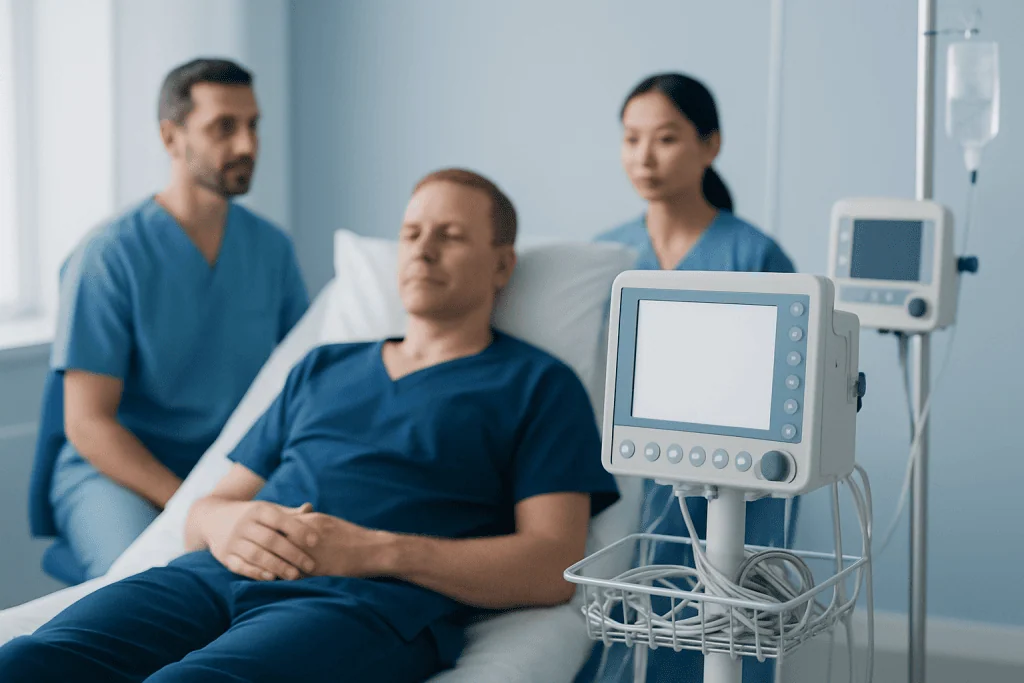
Doctors recommend orchiectomy when removing the testicle is the safest or most effective option. The most common indication is a suspicious testicular mass that may be cancer. In that setting, biopsy through the scrotum is generally avoided because the standard diagnostic and treatment approach is to remove the testicle through the groin and examine it in the laboratory.
Other reasons include severe trauma that destroys the testicle, persistent testicular damage after interrupted blood supply, or significant infection that does not improve with other treatment. In some cases, orchiectomy may also be part of hormone-suppressing treatment for advanced prostate cancer or gender-affirming care, depending on the patient’s needs and treatment plan.
The main types of orchiectomy include:
- Simple orchiectomy: removal of one or both testicles, often through the scrotum in selected non-cancer situations.
- Radical inguinal orchiectomy: removal of the testicle and spermatic cord through an incision in the groin, typically used when cancer is suspected.
- Bilateral orchiectomy: removal of both testicles, which has greater effects on hormone levels and fertility.
- Subcapsular orchiectomy: a less common technique used in selected hormone-related situations.
Whether a patient is a good candidate depends on the underlying condition, general health, medications, bleeding risk, and goals of care. A urologist usually reviews imaging, blood tests, symptoms, and medical history before recommending surgery.
How the orchiectomy procedure works, step by step
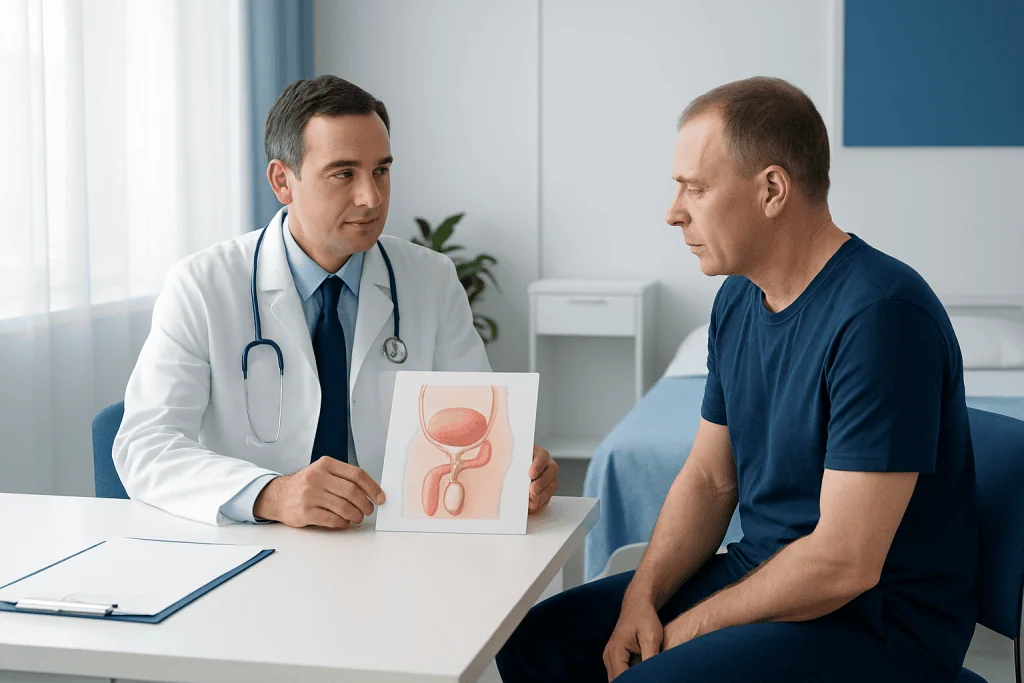
Before surgery, the medical team typically confirms the reason for the operation and reviews imaging, blood tests, medications, allergies, and anesthesia planning. If testicular cancer is suspected, the evaluation may include ultrasound and blood markers. Patients are often advised to stop eating and drinking for a period before surgery and to ask about blood thinners or other medicines that may need adjustment.
On the day of surgery, orchiectomy is usually performed under general anesthesia, though some cases may use regional or local anesthesia with sedation. The exact steps depend on the surgical type. For a radical inguinal orchiectomy, the surgeon makes an incision in the groin, gently delivers the testicle upward from the scrotum, and removes the testicle along with the spermatic cord. This groin approach helps reduce the chance of spreading cancer cells through the scrotal tissues.
For non-cancer cases, a scrotal approach may sometimes be used. After the testicle is removed, the surgeon controls bleeding and closes the incision with sutures. In some patients, a testicular prosthesis can be placed at the same operation or discussed for a later date, depending on safety and personal preference.
Most orchiectomy procedures are relatively short. Some patients go home the same day, while others may stay longer if they have other medical needs, more complex surgery, or significant postoperative pain or swelling. When cancer is involved, the removed tissue is examined by a pathologist, and the results guide next steps such as surveillance, chemotherapy, or other care.
Benefits, risks, and possible long-term effects
The main benefit of orchiectomy is that it can quickly remove diseased tissue and, in some cases, provide both diagnosis and treatment in one operation. For suspected testicular cancer, it often establishes the exact tumor type and can be the first curative step. In hormone-sensitive conditions, bilateral orchiectomy can effectively lower testosterone levels. In severe injury or irreversible testicular damage, it may also relieve pain and prevent ongoing complications.
As with any surgery, orchiectomy has risks. These include bleeding, infection, pain, bruising, swelling, fluid collection, wound healing problems, and reactions to anesthesia. Less commonly, patients may notice numbness around the incision, chronic discomfort, or an unsatisfactory cosmetic result.
Long-term effects depend greatly on whether one or both testicles are removed. After removal of one healthy-appearing testicle, the remaining testicle often continues to produce enough testosterone and sperm for normal sexual function and possible fertility. Even so, some patients may benefit from follow-up hormone testing, especially if symptoms such as fatigue, low libido, or mood changes develop.
When both testicles are removed, the body’s testosterone level drops significantly. This can affect sexual function, fertility, bone health, muscle mass, mood, and energy. Doctors may discuss sperm banking before surgery when future fertility is a concern, and they may recommend follow-up with specialists in urology and hormone care as needed.
Recovery timeline and aftercare
Recovery after orchiectomy is usually gradual rather than immediate. In the first few days, it is common to have soreness, swelling, bruising, and mild fatigue. Pain is often manageable with prescribed or recommended medication, rest, and supportive underwear or a scrotal support if advised by the surgeon. Many patients can walk carefully soon after surgery, which may also help lower the risk of some postoperative complications.
During the first one to two weeks, patients are generally advised to keep the incision clean and dry, avoid strenuous exercise, heavy lifting, and sexual activity, and follow specific bathing instructions. The timeline varies, but many people return to light daily activities within several days and to work within one to two weeks if their job is not physically demanding. More strenuous activity may need to wait longer.
Follow-up is an important part of recovery. The doctor reviews wound healing, discusses pathology results if applicable, and checks for any signs of complications. If cancer is diagnosed, additional evaluation may include imaging, repeat blood tests, and discussions about surveillance or further treatment such as radiation oncology in selected cases.
Recovery also includes emotional adjustment. Some patients feel grief, worry, or self-consciousness after testicle removal, even when the surgery was clearly necessary. Open discussion with the care team can help address sexual health, body image, prosthesis options, fertility planning, and hormone-related concerns in a practical and supportive way.
Diagnosis and planning before surgery
Careful diagnosis helps ensure that orchiectomy is appropriate and that the right technique is used. When a patient has a testicular lump, heaviness, or swelling, ultrasound is often the first imaging test. It can help distinguish a mass inside the testicle from other causes of scrotal symptoms, such as fluid collections or inflammation. Blood tests may also be ordered, especially if cancer is suspected.
Doctors also assess the patient’s overall health before surgery. This may include routine blood work, a medication review, and discussion of medical conditions such as bleeding disorders, heart disease, or diabetes. If a patient takes anticoagulants or antiplatelet drugs, the surgical team gives instructions about whether they should be adjusted in advance.
In cancer-related cases, orchiectomy is often the starting point rather than the final step. Pathology findings may lead to staging tests and a broader treatment plan. Depending on the diagnosis, patients may later need imaging follow-up, additional surgery, or medical cancer treatment. The goal is not only to remove the abnormal testicle but also to understand the full condition and choose the safest next steps.
This planning phase is also the right time to discuss fertility preservation, the effect of removing one versus both testicles, and whether a prosthesis is desired. Clear communication before surgery can make recovery smoother and help patients feel more prepared for what to expect afterward.
When to seek medical care
Medical evaluation is important for any new testicular lump, persistent swelling, heaviness, or unexplained change in testicle size. While many scrotal symptoms are not caused by cancer, a prompt examination helps rule out serious problems and can improve treatment options if urgent care is needed.
Sudden, severe testicular pain should be treated as an urgent medical problem. It may signal interrupted blood flow to the testicle or another condition that needs fast treatment to protect tissue and reduce complications. Fever, increasing redness, or drainage from the scrotum or groin also deserve timely review.
After orchiectomy, patients should contact their doctor if they develop worsening pain, heavy bleeding, significant swelling, fever, foul-smelling wound drainage, trouble urinating, or signs that the incision is opening. Any chest pain, shortness of breath, or calf swelling should be treated as urgent because these symptoms can indicate a serious complication.
At Acibadem International, multidisciplinary specialists in JCI-accredited hospitals evaluate and treat patients who need orchiectomy and related care, including testicular cancer treatment for international patients. The best source of guidance is always a qualified doctor who can assess the individual situation directly.
Frequently asked questions
Is orchiectomy a major surgery?
Orchiectomy is a significant operation, but it is usually considered a routine urologic procedure when performed by an experienced surgical team. Many patients go home the same day, although recovery still requires rest, wound care, and follow-up.
How long does it take to recover from orchiectomy?
Initial recovery often takes one to two weeks for light daily activities, while full recovery may take several weeks depending on the type of surgery and the person’s health. Swelling and soreness usually improve gradually during this time.
Can a person live normally with one testicle?
Yes. In many cases, one healthy remaining testicle can produce enough testosterone and sperm for normal sexual function and possible fertility. Individual outcomes vary, so follow-up is important if there are concerns about hormones or fertility.
Does orchiectomy affect fertility?
It can, especially if both testicles are removed or if the remaining testicle is not functioning well. If future fertility matters, patients should ask about fertility testing or sperm banking before surgery whenever possible.
Will orchiectomy lower testosterone?
Removing one testicle does not always cause low testosterone because the remaining testicle may compensate. Removing both testicles usually leads to a major drop in testosterone, and doctors may discuss hormone replacement when appropriate.
Is orchiectomy always done for cancer?
No. Although it is commonly used for suspected or confirmed testicular cancer, orchiectomy may also be performed for severe trauma, damaged tissue, certain infections, or hormone-related treatment goals. The reason for surgery determines the technique and follow-up plan.
References
- American Cancer Society
- National Cancer Institute
- European Association of Urology
- Urology Care Foundation
- National Health Service
This article is for general information only and is not a substitute for professional medical advice. Please consult a qualified doctor about your individual situation.
Oncology care in Turkey — second opinion and treatment plan
JCI-accredited · board-certified surgeons · reply within 24h
Add us as a Preferred Source to see more of our trusted health content across Google Search, AI Overviews and Discover.