6 Signs of Heart Attack a Month Before: Common Causes, Related Conditions, and When to See a Doctor

A heart attack may be preceded by subtle symptoms days or weeks earlier, but some people have no warning signs. Chest pressure, breathlessness, unusual tiredness, and pain spreading to the arm, jaw, back, or neck deserve medical attention.
Key Takeaways
- A heart attack may be preceded by subtle symptoms days or weeks earlier, but some people have no warning signs.
- Chest pressure, breathlessness, unusual tiredness, and pain spreading to the arm, jaw, back, or neck deserve medical attention.
- Symptoms can differ by person and may be less typical in women, older adults, and people with diabetes.
- Risk factors such as smoking, high blood pressure, diabetes, high cholesterol, obesity, and family history increase concern.
- Call emergency services right away for severe chest pain, fainting, sudden shortness of breath, or symptoms that last more than a few minutes.
The 6 signs of heart attack a month before are not a guaranteed checklist, but some people notice chest discomfort, shortness of breath, unusual fatigue, sleep disturbance, indigestion-like symptoms, or pain in the arm, back, neck, or jaw in the weeks before an event. These symptoms can be subtle, intermittent, and easy to dismiss, so new or worsening symptoms should be discussed with a doctor promptly.
Overview: can a heart attack have warning signs weeks earlier?
The phrase 6 signs of heart attack a month before refers to symptoms that some people report in the days or weeks leading up to a heart attack. These may include chest discomfort, shortness of breath, unusual fatigue, disturbed sleep, indigestion-like symptoms, and pain that spreads to the arm, back, neck, or jaw. Not everyone has these signs, and having one of them does not automatically mean a heart attack is coming.
A heart attack happens when blood flow to part of the heart muscle is suddenly blocked, usually by a clot forming over a ruptured plaque in a coronary artery. The process that leads to this blockage often develops over many years. Because of that, the body may sometimes give earlier clues that the heart is under strain, especially during activity or emotional stress.
These earlier symptoms are often mild, come and go, and may feel different from the dramatic chest pain people expect. That is one reason they are easy to overlook or explain away as stress, poor sleep, reflux, muscle strain, or getting older. Recognizing a pattern of new or worsening symptoms is often more useful than focusing on one symptom in isolation.
Importantly, some heart attacks occur without any warning at all. Others happen with atypical symptoms, especially in women, older adults, and people with diabetes. For that reason, persistent or unexplained symptoms should be assessed by a qualified clinician rather than self-diagnosed.
The 6 signs of heart attack a month before
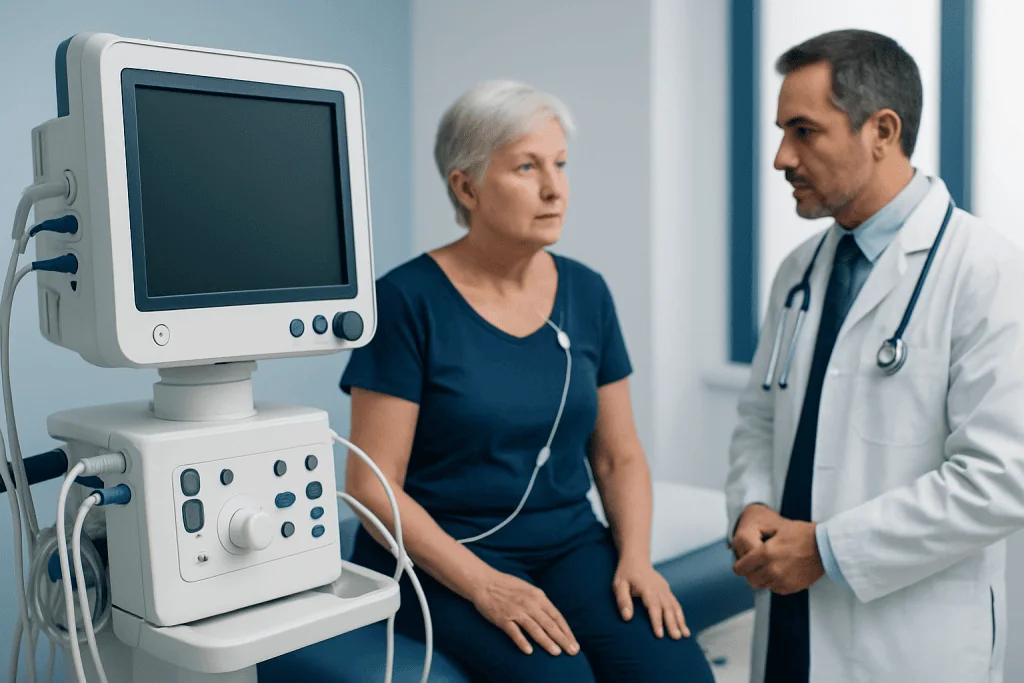
There is no universal six-symptom rule, but the following six warning patterns are commonly discussed because they may appear before a heart attack. They deserve attention when they are new, worsening, or occurring together.
- 1. Chest discomfort: This may feel like pressure, tightness, heaviness, squeezing, burning, or fullness in the center or left side of the chest. It may come with exertion and improve with rest, or appear in short episodes.
- 2. Shortness of breath: A person may notice getting winded more easily while walking, climbing stairs, or lying flat. Breathlessness can occur with or without chest discomfort.
- 3. Unusual fatigue: Tiredness that seems out of proportion to activity, especially if it is new and persistent, can be an early clue. Some people describe a sudden drop in stamina.
- 4. Sleep disturbance: Restless sleep, waking due to discomfort or breathlessness, or unexplained poor sleep may accompany other early symptoms. On its own, this is nonspecific, but it matters more in context.
- 5. Indigestion, nausea, or upper abdominal discomfort: Heart-related symptoms can mimic reflux, gas, or an upset stomach. If these symptoms are unusual, recurrent, or linked to exertion, they should not be dismissed.
- 6. Pain in other areas: Discomfort may spread to the left or right arm, shoulders, upper back, neck, or jaw. Some people feel this more than they feel chest pain.
These symptoms can be intermittent. A person may feel fine one day and notice symptoms only with activity the next. Keeping track of when they happen, what they feel like, and whether they are brought on by exertion can help a doctor assess the likelihood of a heart-related cause.
Not every one of these signs points to a heart attack, and there are many non-cardiac explanations. Even so, the combination of chest pressure, exertional breathlessness, or radiating pain should be treated seriously because it may also reflect coronary artery disease, the most common underlying cause of heart attack.
Why these symptoms can happen before a heart attack

Most heart attacks are linked to atherosclerosis, a gradual buildup of fatty deposits and inflammation inside the coronary arteries. Over time, these plaques can narrow blood flow. When the heart needs more oxygen, such as during physical activity or stress, the reduced blood flow can cause warning symptoms before a complete blockage occurs.
In some people, symptoms in the weeks before a heart attack may reflect unstable plaque. A plaque can become inflamed or rupture suddenly, triggering clot formation. This process can cause episodes of reduced blood flow that come and go before a final, sustained blockage develops. Doctors sometimes refer to this as unstable angina or an acute coronary syndrome spectrum.
Other conditions may also cause similar symptoms, including acid reflux, anxiety, lung disease, anemia, musculoskeletal pain, or arrhythmias. That is why symptom evaluation matters. The goal is not to assume the worst, but to identify whether the heart needs urgent attention.
When a doctor suspects reduced blood flow to the heart, further evaluation may include blood tests, an electrocardiogram, stress testing, or coronary angiography to look directly at the coronary arteries. In selected cases, treatment may involve medicines, lifestyle changes, or procedures to restore blood flow.
Common causes and risk factors that increase concern
The most common cause of heart attack is coronary artery disease, in which plaque narrows the arteries that supply the heart. A heart attack becomes more likely when a plaque ruptures and a clot blocks blood flow. This risk is not based on symptoms alone; it also depends on a person’s age, medical history, and overall cardiovascular profile.
Risk factors that increase concern include smoking, high blood pressure, high LDL cholesterol, diabetes, obesity, physical inactivity, chronic kidney disease, obstructive sleep apnea, and a family history of early heart disease. Risk also increases with age, though heart attacks can occur in younger adults as well.
Some triggers may bring symptoms to attention or precipitate an event in a vulnerable person. These include heavy exertion, emotional stress, severe illness, exposure to cold, and stimulant drug use. Less commonly, coronary spasm or spontaneous coronary artery dissection can cause a heart attack, particularly in people who do not fit the usual risk pattern.
People who already have known heart disease, prior stents, prior heart attack, or conditions such as arrhythmia should be especially attentive to changes from their baseline. Any new chest pressure, reduced exercise tolerance, or unexplained breathlessness should prompt medical review.
How doctors evaluate possible early heart attack symptoms
Evaluation starts with a careful history. A doctor will ask what the symptoms feel like, how long they last, whether they happen with exertion, whether they radiate anywhere, and what risk factors are present. This symptom pattern often gives important clues.
Common tests include an electrocardiogram to assess the heart’s electrical activity and blood tests such as troponin if a current heart attack is suspected. Depending on the situation, a clinician may also order an echocardiogram, stress test, CT coronary imaging, or invasive angiography. If symptoms are ongoing or concerning, emergency assessment is preferred rather than waiting for an outpatient appointment.
The diagnosis may turn out to be a heart attack, unstable angina, stable angina, another heart problem, or a non-cardiac condition. If a blocked artery is found, treatment may include angioplasty and stent placement to restore blood flow. In more extensive disease, coronary artery bypass grafting may be considered.
Because symptoms vary widely, doctors do not rely on a single sign. Instead, they combine symptoms, examination findings, tests, and risk factors to decide how urgently the heart needs treatment.
What to do if these warning signs appear
If a person notices possible warning signs in the weeks before a heart attack, the safest step is to arrange medical evaluation promptly, especially if symptoms are triggered by activity or are becoming more frequent. It is wise not to ignore recurrent chest pressure, breathlessness, arm or jaw pain, or a marked drop in exercise tolerance.
For milder symptoms that are not happening right now, contacting a primary care doctor or cardiologist soon is reasonable. Keeping notes on when symptoms occur, how long they last, and what brings them on can help guide testing. It is also helpful to list current medicines and any family history of heart disease.
If symptoms occur at rest, last more than a few minutes, are severe, or are accompanied by sweating, nausea, fainting, or sudden shortness of breath, emergency services should be called right away. A person should not drive themselves if they may be having a heart attack.
Near the end of the care pathway, some patients may need coordinated specialty evaluation. Acibadem International’s multidisciplinary specialists and JCI-accredited hospitals diagnose and treat cardiovascular conditions for international patients when advanced assessment or treatment is needed.
Prevention and self-care to lower heart attack risk
The most effective prevention focuses on reducing cardiovascular risk over time. This includes not smoking, staying physically active, following a heart-healthy eating pattern, maintaining a healthy weight, sleeping well, and managing stress. Lifestyle changes are important both for people with known heart disease and for those trying to prevent a first event.
Regular medical care also matters. Blood pressure, blood sugar, and cholesterol should be checked and treated when needed. Taking prescribed medicines consistently can lower the risk of plaque progression, clot formation, and future heart problems.
Self-care does not mean managing concerning symptoms alone. It means understanding personal risk, noticing changes early, and acting appropriately. A person with diabetes, high cholesterol, or high blood pressure should be particularly cautious about new chest or breathing symptoms.
For people with diagnosed coronary disease or previous procedures, following a cardiac rehabilitation or prevention plan can support recovery and reduce future risk. Long-term control of risk factors is one of the most reliable ways to prevent a heart attack.
When to seek medical care
Medical care should be sought urgently for chest pressure, tightness, or pain that lasts more than a few minutes, comes back repeatedly, or happens at rest. The same is true for sudden shortness of breath, fainting, cold sweats, severe nausea, or pain spreading to the arm, back, neck, or jaw.
Even if symptoms seem mild, prompt assessment is important when they are new, worsening, or linked to exertion. People sometimes wait because the discomfort is not severe, but heart-related symptoms can be subtle. Early evaluation may detect unstable angina or another serious condition before more damage occurs.
A non-emergency appointment is still appropriate for reduced exercise tolerance, recurring indigestion-like discomfort with activity, unusual fatigue, or disturbed sleep when these symptoms are unexplained and persistent. If there is any doubt, it is safer to ask a clinician than to assume the symptoms are harmless.
If a person is experiencing symptoms right now and suspects a heart attack, they should call emergency services immediately. Fast treatment can protect heart muscle and improve outcomes.
Frequently asked questions
Can you really have signs of a heart attack a month before it happens?
Yes, some people notice warning symptoms days or weeks before a heart attack, but others have no warning at all. Early symptoms may reflect reduced blood flow to the heart or unstable plaque in the coronary arteries. Because these signs can be subtle, they should be discussed with a doctor if they are new or worsening.
What is the most common early warning sign?
Chest discomfort is one of the most common warning signs, but it does not always feel like sharp pain. Many people describe pressure, heaviness, tightness, or burning instead. It may come on with exertion and improve with rest.
Do women have different symptoms before a heart attack?
Women can have classic chest symptoms, but they may also be more likely to report fatigue, nausea, shortness of breath, sleep disturbance, or discomfort in the back, neck, or jaw. These symptoms are easier to misread as non-cardiac problems. That is why persistent or unusual symptoms should not be ignored.
Can heart attack symptoms feel like indigestion or anxiety?
Yes, heart-related discomfort can sometimes feel like indigestion, reflux, pressure, or a sense of unease. Anxiety can also cause chest symptoms, which makes the distinction difficult without medical evaluation. If symptoms are new, recurrent, or linked to activity, a heart cause should be ruled out.
When should someone call emergency services instead of booking a clinic visit?
Emergency services should be called for severe chest pain or pressure, symptoms lasting more than a few minutes, fainting, sudden shortness of breath, or pain spreading to the arm, jaw, neck, or back. The same applies if symptoms occur at rest or come with sweating or nausea. It is safer to seek urgent help than to wait and watch.
Can a heart attack happen without chest pain?
Yes, some heart attacks happen with little or no chest pain. This is more common in older adults, women, and people with diabetes. In these cases, shortness of breath, fatigue, nausea, sweating, or discomfort in other areas may be the main clues.
References
- American Heart Association
- National Heart, Lung, and Blood Institute
- Centers for Disease Control and Prevention
- National Institute for Health and Care Excellence
- European Society of Cardiology
This article is for general information only and is not a substitute for professional medical advice. Please consult a qualified doctor about your individual situation.
Persistent digestive symptoms? Get evaluated in Turkey
JCI-accredited · board-certified surgeons · reply within 24h
Add us as a Preferred Source to see more of our trusted health content across Google Search, AI Overviews and Discover.

More from the Health Library



Related Specialists

Prof. Dr. Uğur Öziç
Orthopedic Surgery & Traumatology
Dr. Coşkun Akalın
Ftr Pain Management
Dr. Ayşe Esra Sirmagül
Physical Medicine & Rehabilitation
Dr. Meltem Batmaci
Internal Medicine