Parasitism: What Patients Need to Know

Parasitism refers to infection or infestation by organisms that live on or inside the body. Symptoms vary widely and may include diarrhea, abdominal pain, itching, rash, weight loss, or tiredness.
Key Takeaways
- Parasitism refers to infection or infestation by organisms that live on or inside the body.
- Symptoms vary widely and may include diarrhea, abdominal pain, itching, rash, weight loss, or tiredness.
- Diagnosis usually depends on medical history, travel or exposure history, physical examination, and laboratory tests.
- Treatment is guided by the exact parasite and may include antiparasitic medicines and supportive care.
- Good hygiene, safe food and water practices, and insect-bite prevention reduce risk.
- Persistent symptoms, dehydration, blood in stool, fever, or symptoms after travel should prompt medical advice.
Parasitism means a parasite is living in or on the human body and using it for food or survival. It can cause digestive problems, skin irritation, fatigue, or no symptoms at all, and treatment depends on the type of parasite involved.
Overview: what parasitism means
Parasitism is a health condition in which one organism, called a parasite, lives in or on another organism and benefits from that relationship. In humans, parasites may live in the intestines, blood, skin, or other tissues. Some cause mild or short-lived illness, while others can lead to ongoing symptoms if they are not recognized and treated appropriately.
There are several broad groups of human parasites. Protozoa are microscopic single-celled organisms that may spread through contaminated food or water. Helminths are worms, such as roundworms, tapeworms, or flukes. Ectoparasites live on the body surface and include lice and mites. Each group behaves differently, so the effects of parasitism can vary from person to person.
A useful way to understand parasitism is that it is not one single disease. It is a category of infections and infestations with many possible causes, exposures, and outcomes. Some people develop stomach upset or diarrhea, while others notice itching, a rash, anemia, or tiredness. In some cases, people have no obvious symptoms and the infection is found only during testing.
Common symptoms and how they can affect the body
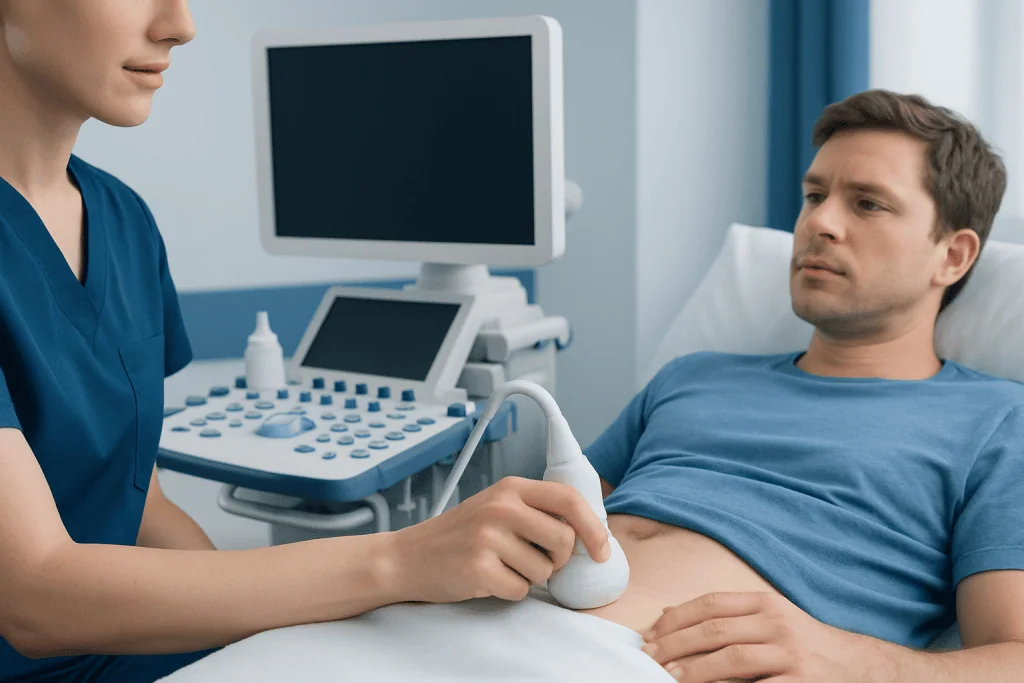
The symptoms of parasitism depend on the parasite involved, where it lives in the body, and how long the infection has been present. Intestinal parasites often cause diarrhea, abdominal cramps, bloating, nausea, or changes in appetite. Some people also develop weight loss, fatigue, or signs of poor nutrient absorption if the infection continues over time.
Parasites that affect the skin or live on the body surface can cause itching, redness, rashes, or visible irritation. Others may affect the blood or internal organs and lead to fever, muscle aches, enlarged lymph nodes, or weakness. In children, long-standing parasitic infections may sometimes affect growth or school performance because of poor nutrition or disturbed sleep.
Symptoms are not always specific, which is one reason parasitism can be overlooked. A person may think they have a common stomach bug, food intolerance, or a skin allergy. Medical evaluation is especially important when symptoms persist, recur, or begin after travel, camping, swimming in untreated water, eating undercooked food, or close contact with an infected person.
- Diarrhea or loose stools
- Abdominal pain or bloating
- Nausea or vomiting
- Anal or skin itching
- Fatigue or weakness
- Unexplained weight loss
- Rash or skin irritation
- Fever in some infections
How parasitism happens: causes and risk factors

Parasites can enter the body in different ways. Many spread through contaminated food or water, especially when sanitation is poor or food has not been washed or cooked properly. Others spread through insect bites, contact with contaminated soil, or person-to-person transmission. Some are acquired by walking barefoot on contaminated ground, while others may come from raw or undercooked meat or fish.
Risk factors depend on the setting and the parasite. International travel, especially to areas with limited sanitation, can increase the chance of exposure. So can drinking untreated water from lakes, rivers, or wells, swimming in contaminated water, living in crowded conditions, or having close household contact with someone who is infected. Weakened immunity may also increase the risk of more severe illness.
Pets and animals can sometimes play a role, though the risk varies by parasite and by how animals are cared for. Good handwashing after handling animals, cleaning litter or waste safely, and following veterinary advice can reduce transmission. Not every exposure leads to infection, but understanding how parasites spread helps patients take practical preventive steps.
Some parasite-related conditions overlap with broader infectious illnesses. When symptoms are part of a wider infection picture, doctors may also assess for related problems such as infectious diseases that can mimic or accompany parasitic illness.
Diagnosis: how doctors identify parasite infections
Diagnosing parasitism begins with a careful history. Doctors often ask about symptoms, recent travel, food and water exposures, insect bites, swimming or camping, animal contact, and whether others in the home have similar symptoms. This context matters because many parasites are linked to specific exposure patterns.
The physical examination may focus on the abdomen, skin, hydration status, and signs of anemia or weight loss. Laboratory testing is often important. Depending on the suspected infection, this may include stool tests for ova and parasites, blood tests, adhesive tape tests for certain worm infections, or examination of skin or hair. Sometimes more than one stool sample is needed because some parasites are not found consistently in every sample.
If symptoms suggest involvement beyond the intestines, imaging or endoscopic evaluation may be considered. For example, persistent abdominal symptoms may lead to a broader digestive work-up such as gastroenterology evaluation to look for infection, inflammation, or other causes. Accurate diagnosis is important because treatments that help one parasite may not work for another.
Treatment options and recovery
Treatment for parasitism depends on the exact parasite, the location of the infection, symptom severity, and the patient’s age and overall health. Doctors may prescribe antiparasitic medication, and in some situations supportive care is also needed. Supportive care can include fluids for dehydration, treatment of anemia, nutritional support, or medication to relieve specific symptoms such as itching or cramps.
It is important not to self-diagnose or rely on unproven remedies, because the wrong treatment may delay recovery and some symptoms may be caused by conditions other than parasites. In addition, some infections need follow-up testing to make sure the parasite has cleared, especially if symptoms continue. Household contacts may also need assessment in certain contagious infestations.
Recovery is often good when the condition is recognized and treated appropriately. Symptoms may improve within days for some infections, while others take longer and may require repeat testing or additional treatment. If a parasite has affected the digestive tract significantly, a more complete assessment through infectious diseases care or digestive evaluation may be helpful to guide follow-up and prevent complications.
When parasitism causes persistent intestinal symptoms, it can sometimes resemble or coexist with other gastroenteritis-type illnesses, which is another reason tailored diagnosis matters.
Prevention and self-care in everyday life
Many cases of parasitism can be prevented with practical daily habits. Handwashing with soap and water is one of the most effective measures, especially before eating, after using the toilet, after changing diapers, and after handling animals or soil. Safe food practices also matter: washing produce, cooking meat and fish thoroughly, and avoiding unpasteurized or unsafe foods when traveling can reduce exposure.
Water safety is equally important. Drinking treated or bottled water in higher-risk areas, avoiding swallowing recreational water, and using appropriate filtration or boiling methods when clean water is uncertain can lower the risk of waterborne parasites. Wearing shoes outdoors and using insect protection, such as long sleeves or repellents when appropriate, can help prevent parasites spread through soil or bites.
Self-care during recovery focuses on hydration, rest, and following the treatment plan exactly as prescribed. People with diarrhea may need extra fluids and a gradual return to normal foods. However, self-care should support, not replace, medical care. Ongoing symptoms, severe weakness, fever, or blood in the stool should not be managed at home alone.
For patients who need more specialized assessment, Acibadem International’s multidisciplinary specialists in JCI-accredited hospitals diagnose and treat parasitic and related digestive conditions for international patients, including care through comprehensive medical check-up when clinically appropriate.
When to seek medical care
Medical care should be sought if symptoms are severe, persistent, or unusual. A person should contact a doctor if diarrhea lasts more than a few days, symptoms return repeatedly, there is unexplained weight loss, or a rash or itching does not improve. Fever, vomiting, dehydration, or marked fatigue also deserve prompt assessment, particularly in children, older adults, pregnant patients, or anyone with a weakened immune system.
Urgent care is important if there is blood in the stool, severe abdominal pain, fainting, confusion, or signs of significant dehydration such as very little urine, dizziness, or extreme thirst. Patients should also seek advice after high-risk travel or known exposure to unsafe food, water, or parasites. Early evaluation can help confirm the cause, guide the right treatment, and reduce the chance of ongoing symptoms or spread to others.
Frequently asked questions
Is parasitism always serious?
No. Some parasitic infections are mild or cause few symptoms, while others can become more troublesome if they persist or affect nutrition, hydration, or internal organs. The seriousness depends on the type of parasite, the person's overall health, and how quickly treatment begins.
Can a person have parasitism without knowing it?
Yes. Some people have very mild symptoms or none at all, especially early in the infection. In other cases, symptoms are vague and may be mistaken for indigestion, a stomach virus, or a skin condition.
How do doctors test for parasitism?
Testing depends on the suspected parasite and symptoms. Doctors may use stool tests, blood tests, skin or hair examination, or other studies based on travel history, exposures, and physical findings.
Do antibiotics treat parasitism?
Not usually. Many parasitic infections need antiparasitic medicines rather than antibiotics used for bacterial infections. The correct treatment depends on identifying the organism involved, so medical guidance is important.
Can parasitism spread from one family member to another?
Some parasites can spread in households, especially when transmission occurs through contaminated hands, surfaces, bedding, or close personal contact. Good hygiene and medical advice about whether contacts need testing or treatment can help limit spread.
What foods and drinks are safest if someone may have a parasite infection?
Hydration is especially important, so clean water and medically appropriate oral fluids are often helpful. Foods that are easy to tolerate may be useful during recovery, but patients should follow a clinician's advice, particularly if symptoms are severe or prolonged.
References
- World Health Organization
- Centers for Disease Control and Prevention
- MedlinePlus
- Merck Manual Consumer Version
This article is for general information only and is not a substitute for professional medical advice. Please consult a qualified doctor about your individual situation.
Persistent digestive symptoms? Get evaluated in Turkey
JCI-accredited · board-certified surgeons · reply within 24h
Add us as a Preferred Source to see more of our trusted health content across Google Search, AI Overviews and Discover.

More from the Health Library



Related Specialists

Assoc. Prof. Dr. Ali Titiz
Otorhinolaryngology
Dr. Munara Bolatkhan
Inpatient Clinic Physicians
Fzt. Ecem Yurdadoğan
Physical Medicine & Rehabilitation
Dr. Ayhan Ulusoy
Orthopedic Surgery & Traumatology