Understanding Schizoid Personality Disorder: A Complete Patient Guide

Schizoid personality disorder involves a long-standing pattern of limited interest in close relationships and reduced emotional expression. Diagnosis is based on a careful mental health assessment, not on a single test or brief conversation.
Key Takeaways
- Schizoid personality disorder involves a long-standing pattern of limited interest in close relationships and reduced emotional expression.
- Diagnosis is based on a careful mental health assessment, not on a single test or brief conversation.
- Treatment often centers on psychotherapy, practical support, and help with related conditions such as depression or anxiety.
- Not everyone who is quiet, introverted, or private has schizoid personality disorder.
- Professional evaluation is important when social detachment causes distress, misunderstanding, or problems in daily functioning.
Schizoid personality disorder is a personality disorder marked by persistent social detachment, a preference for solitude, and a limited outward expression of emotions. It does not mean a person lacks feelings, but rather that they often relate to others in a distant, self-contained way that can affect relationships, work, and daily life.
Overview: what schizoid personality disorder means
Schizoid personality disorder is a mental health condition in which a person shows a long-term pattern of detachment from social relationships and a restricted range of visible emotional expression. People with this condition often prefer solitary activities, may seem emotionally distant, and may have little interest in close personal bonds. This pattern usually begins by early adulthood and is present across different settings, such as home, school, or work.
It is important to understand that schizoid personality disorder is not the same as simply being shy, reserved, or introverted. Many people enjoy time alone and still have warm, meaningful relationships. In schizoid personality disorder, the distance from others tends to be more persistent and broader, and it can affect daily functioning, communication, and quality of life.
The condition can also be confused with other mental health concerns. For example, clinicians may carefully distinguish it from autism spectrum disorder, depression, trauma-related conditions, and other personality disorders. A thorough assessment helps identify whether social withdrawal is a stable personality pattern or a symptom of another medical or psychiatric issue.
Signs and symptoms
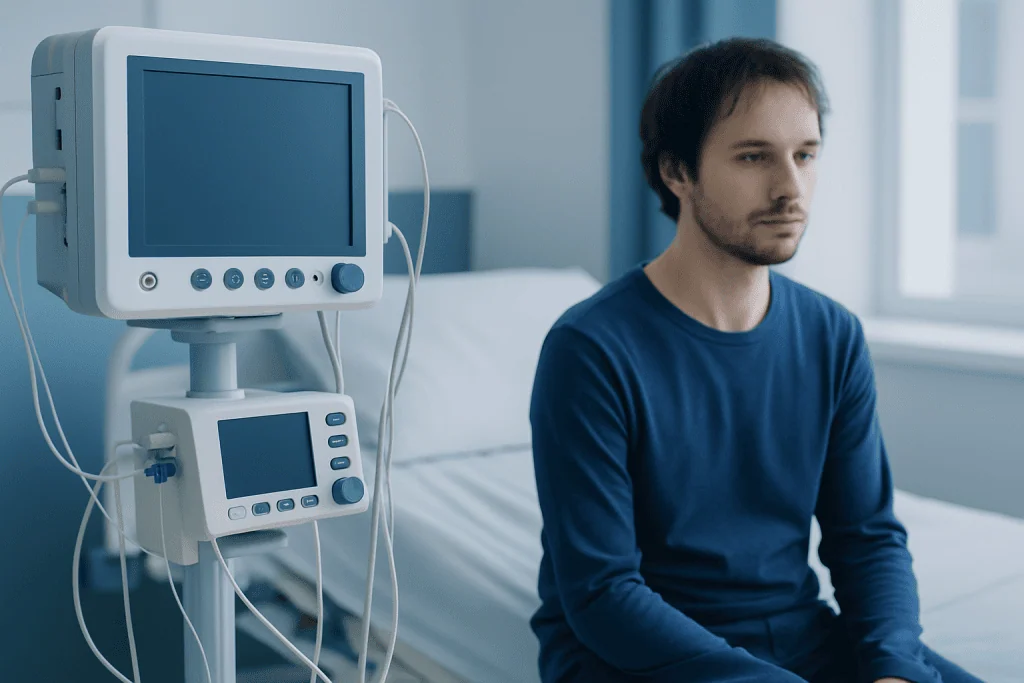
The symptoms of schizoid personality disorder typically reflect a preference for emotional distance rather than fear of judgment. A person may appear indifferent to praise or criticism, avoid close friendships, and show little desire for romantic or family intimacy. Others may describe them as aloof, detached, or hard to read, even when the person does not feel especially distressed by that style of relating.
Common features can include:
- Little interest in close relationships, including family ties
- Strong preference for solitary activities
- Limited interest in sexual or romantic experiences with others
- Enjoyment of few activities, or pleasure that seems muted
- Few close friends or confidants outside immediate relatives
- Emotional coolness, flatness, or limited outward expression
- Apparent indifference to social approval or criticism
Symptoms can look different from one person to another. Some people function well in independent jobs and structured routines, while others struggle with teamwork, family expectations, or social misunderstanding. Emotional expression may also be subtle rather than absent, meaning the person can have inner feelings but reveal them very little.
Because symptoms are long-standing, they may be mistaken for a fixed personality trait rather than a treatable mental health condition. In some cases, a person seeks help only when a life change, conflict, loneliness, or a second condition such as depression makes the pattern harder to manage.
Causes and risk factors

The exact cause of schizoid personality disorder is not fully understood. Like many personality disorders, it is thought to arise from a combination of biological, psychological, and environmental influences. Researchers believe that temperament, early developmental experiences, family patterns, and the way a person learns to relate to others may all play a role.
No single life event is known to directly cause the disorder. Some people may have an inborn tendency toward low social drive or emotional reserve. Others may grow up in environments where closeness felt unrewarding, difficult, or unsafe. These influences do not explain every case, and they should not be used to blame the person or their family.
Doctors also consider whether symptoms overlap with or are better explained by another condition. Social withdrawal may occur in depression, psychotic disorders, autism spectrum disorder, substance use, or certain neurological and medical illnesses. A full evaluation helps clarify the underlying reason for the behavior pattern and guides appropriate care.
How doctors diagnose it
There is no blood test, brain scan, or single questionnaire that can diagnose schizoid personality disorder on its own. Diagnosis is made through a detailed clinical assessment by a qualified mental health professional, such as a psychiatrist or psychologist. The clinician looks at long-term patterns of behavior, relationships, emotions, and daily functioning rather than isolated symptoms from a stressful week or month.
The assessment often includes a personal history, family history, current concerns, and questions about childhood and adult relationships. A doctor may ask how the person experiences closeness, whether social situations feel appealing or unnecessary, and how emotions are expressed. They may also speak with family members if the patient agrees, especially when a broader picture of functioning is helpful.
Diagnosis also involves ruling out other causes. Clinicians check for conditions that may resemble schizoid personality disorder, such as social anxiety disorder, autism spectrum disorder, schizophrenia spectrum conditions, trauma-related disorders, and mood disorders. When needed, a person may be referred for a broader psychiatric evaluation or additional psychological testing.
A careful diagnosis matters because treatment planning depends on understanding the whole person, not just a label. Some people mainly need support with communication and relationships, while others also need treatment for depression, anxiety, sleep problems, or difficulties at work and home.
Treatment options and what care can help
Treatment for schizoid personality disorder usually focuses on improving functioning, supporting relationships when desired, and addressing any distress or coexisting mental health conditions. Not everyone with the disorder seeks treatment for the core personality pattern itself. In practice, care often begins because of loneliness, depression, workplace problems, or family concerns rather than because the person wants to become more socially outgoing.
Psychotherapy is commonly the main approach. Therapy may help a person better understand their interpersonal style, notice emotional patterns, build practical communication skills, and develop ways to manage daily challenges. A calm, respectful therapeutic relationship is especially important, because people with schizoid personality disorder may value privacy and may need time before they feel comfortable engaging. Forms of psychotherapy can be tailored to the person’s goals rather than forcing a social style that does not feel authentic.
Medicines do not specifically cure schizoid personality disorder, but they may be used when another condition is present. For example, a psychiatrist may treat depression, anxiety, sleep difficulties, or other symptoms if these are affecting quality of life. Treatment works best when it is individualized and reviewed over time.
Supportive care can also include social skills coaching, structured routines, stress management, and help with work or family communication. In more complex situations, coordinated mental health and psychiatry care may be useful. Near the end of a care pathway, some patients also benefit from broader psychology support to strengthen coping and daily functioning.
Living with the condition: self-care and daily support
Self-care for schizoid personality disorder is less about changing personality and more about supporting well-being. Helpful routines may include regular sleep, physical activity, balanced meals, and time for meaningful solitary interests. Structure can reduce stress and make work or study demands easier to manage.
Some people benefit from setting small, realistic interpersonal goals. This might mean practicing clearer communication, maintaining one trusted relationship, or learning how to explain personal boundaries without withdrawing completely. Progress is often gradual, and it is reasonable for goals to focus on comfort and functioning rather than becoming highly social.
Family members can help by staying respectful, avoiding pressure, and recognizing that emotional reserve is not always rejection. Open, nonjudgmental conversations can reduce misunderstandings. When family strain becomes significant, joint sessions with a mental health professional may help everyone communicate more effectively.
For international patients seeking coordinated care, Acibadem International’s multidisciplinary specialists in JCI-accredited hospitals diagnose and treat mental health conditions with individualized assessment and support.
When to seek medical care
Medical or mental health care should be considered when long-standing social detachment, emotional distance, or difficulty with relationships begins to interfere with daily life. Problems may show up as work conflict, persistent isolation, family misunderstanding, or low mood. Even if the person does not feel intensely distressed, support can still be useful when functioning is affected.
It is especially important to seek professional evaluation if symptoms suddenly worsen, if social withdrawal is new, or if there are signs of depression, severe anxiety, substance misuse, or thoughts of self-harm. These situations may point to another condition that needs prompt attention. A qualified clinician can clarify the cause and discuss safe next steps.
Emergency help should be sought right away if a person is at immediate risk of harming themselves or others, or if there is confusion, psychosis, or inability to care for basic needs. In non-emergency situations, starting with a primary care doctor, psychologist, or psychiatrist is a practical first step.
Frequently asked questions
Is schizoid personality disorder the same as schizophrenia?
No. Schizoid personality disorder and schizophrenia are different conditions. Schizoid personality disorder mainly involves social detachment and limited emotional expression, while schizophrenia usually includes symptoms such as psychosis, including hallucinations or delusions.
Can someone with schizoid personality disorder have emotions?
Yes. A person with schizoid personality disorder can have a full inner emotional life, but they may express feelings less openly than others. The condition is more about distance in relationships and reduced outward expression than an absence of feeling.
Is schizoid personality disorder just extreme introversion?
No. Introversion is a personality style, not a mental disorder, and many introverted people enjoy close relationships. Schizoid personality disorder is a persistent pattern that can affect functioning and is assessed clinically.
What kind of therapy helps schizoid personality disorder?
Psychotherapy is usually the main treatment. Therapy often focuses on understanding relationship patterns, improving communication, supporting daily functioning, and addressing related problems such as depression or anxiety.
Can schizoid personality disorder be cured?
There is no quick cure, but treatment can help many people function better and manage difficulties more effectively. Improvement often happens gradually through therapy, practical support, and treatment of any coexisting mental health conditions.
Do people with schizoid personality disorder want treatment?
Some do, and some do not. Many seek help not because they want to become more social, but because of loneliness, depression, conflict, or problems at work or home. Treatment is usually most helpful when it respects the person's goals and boundaries.
References
- American Psychiatric Association
- National Institute of Mental Health
- National Health Service
- MedlinePlus
- World Health Organization
This article is for general information only and is not a substitute for professional medical advice. Please consult a qualified doctor about your individual situation.
Explore treatments in Turkey — costs, top hospitals & a free quote
JCI-accredited · board-certified surgeons · reply within 24h
Add us as a Preferred Source to see more of our trusted health content across Google Search, AI Overviews and Discover.

More from the Health Library



Related Specialists

Gülçin Selen Akgün
Physical Medicine & Rehabilitation
Dr. Hüseyin Soydan
Radiology
Prof. Dr. Hale Göksever Çelik
Gynecology & Obstetrics
Gizem Adlı
Physical Medicine & Rehabilitation