Silver Fish: A Complete Medical Overview

Silver fish are wingless household insects that prefer dark, humid areas such as bathrooms, basements, and kitchens. They do not bite or sting, but their scales, droppings, and shed skins may worsen allergies in sensitive people.
Key Takeaways
- Silver fish are wingless household insects that prefer dark, humid areas such as bathrooms, basements, and kitchens.
- They do not bite or sting, but their scales, droppings, and shed skins may worsen allergies in sensitive people.
- A silver fish problem often points to excess moisture, leaks, poor ventilation, or cluttered storage areas.
- Prevention focuses on reducing humidity, sealing entry points, improving cleaning, and protecting stored items.
- Medical care may be helpful if exposure seems linked to persistent allergy, asthma, skin, or respiratory symptoms.
Silver fish are small, moisture-loving household insects that are generally harmless to people because they do not bite or spread disease in the usual way. However, they can damage paper, fabrics, and stored items, and in some people they may contribute to allergy symptoms or indicate indoor dampness that affects health.
Overview
Silver fish are small, silvery-gray insects with a tapered body and quick, fish-like movements. They are common in homes worldwide and are especially attracted to warm, damp places with access to starches, paper, glue, fabrics, or food crumbs. People often notice them in bathrooms, kitchens, laundry rooms, wardrobes, attics, and basements.
From a medical point of view, silver fish are not considered dangerous pests in the same way as mosquitoes, fleas, or ticks. They do not bite, sting, or inject venom, and they are not known as a major source of infectious disease transmission. For most households, the main concerns are nuisance, damage to belongings, and the possibility that their body fragments, shed skins, or droppings may irritate people with allergies or asthma.
A silver fish infestation can also be a clue about the indoor environment. These insects thrive where humidity is high and ventilation is poor, so their presence may suggest dampness, water leaks, or hidden mold-friendly conditions. In that sense, addressing silver fish is not only about pest control but also about improving home hygiene and indoor air quality.
What Silver Fish Look Like and Where They Live
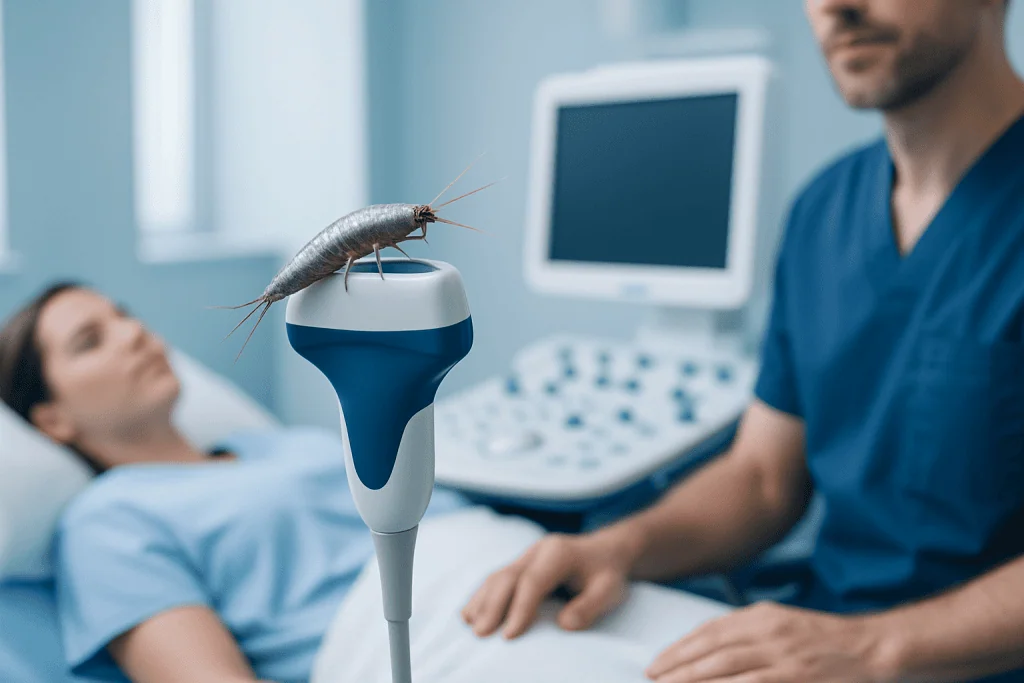
Silver fish are usually small, flat insects with a shiny appearance and no wings. They have long antennae and three tail-like bristles at the back. Because they avoid light, they are often seen at night or when an item is moved after being stored for a long time.
They prefer environments that provide both moisture and food. Common hiding places include under sinks, behind baseboards, around bathtubs, inside cabinets, near old books or cardboard boxes, and in closets where fabrics are stored. They may also live in cracks in walls, beneath flooring, or around plumbing and drainage areas.
Silver fish feed on carbohydrates and protein-containing materials found in everyday household items. This can include paper, wallpaper paste, book bindings, photographs, cotton, linen, silk, cereal residue, pet food, and dead insects. Their habits make them more likely to damage stored belongings than to directly harm people.
- Bathrooms with poor ventilation
- Basements and cellars
- Kitchens and pantry areas
- Attics with trapped humidity
- Closets containing paper or fabric items
Health Effects and Possible Symptoms

For most people, silver fish do not cause direct physical symptoms because they do not bite or sting. A person who sees a silver fish is unlikely to need medical treatment for the insect itself. However, exposure to insect debris can sometimes contribute to allergy-related symptoms in sensitive individuals, especially if the infestation is ongoing and indoor cleaning is difficult.
Possible symptoms linked indirectly to silver fish exposure may include sneezing, a runny or blocked nose, itchy eyes, cough, or worsening asthma symptoms in people who are already prone to environmental allergies. Some individuals may notice skin irritation after handling dusty, infested storage boxes, books, or fabrics, though this is usually related to general irritants or coexisting allergens rather than a true insect bite.
It is also important to look at the broader environment. Homes with excess moisture can encourage not only silver fish but also allergy-related problems and mold exposure, which may be more medically significant than the insects themselves. If symptoms are recurring indoors, a clinician may consider common environmental triggers together rather than focusing on silver fish alone.
Causes and Risk Factors for a Silver Fish Problem
Silver fish become a household problem when the environment supports their survival and reproduction. The most important factor is moisture. High humidity, condensation, water leaks, damp walls, and poor air circulation create ideal conditions. Bathrooms without exhaust fans, basements with seepage, and kitchens with hidden plumbing leaks are frequent sources.
Clutter and long-term storage also increase risk. Cardboard boxes, stacks of newspapers, books, old clothing, and undisturbed corners provide both shelter and food. Cracks in walls, flooring gaps, and unsealed utility openings allow insects to move through a building and remain hidden during the day.
Some people discover silver fish when they are trying to understand other indoor health issues, such as musty odors, dust exposure, or possible damp-related respiratory irritation. In those situations, a broader evaluation of indoor conditions may be useful, especially if symptoms overlap with asthma or chronic nasal allergy. The insects themselves are usually part of a larger moisture or maintenance problem rather than the only cause.
How the Problem Is Identified
Silver fish are usually identified by direct observation rather than by medical testing. Homeowners may notice live insects at night, yellowish stains, shed skins, small black droppings, or irregular damage to paper, wallpaper, and fabrics. A pest control professional can help confirm the species if the source is unclear.
If a person is having symptoms such as ongoing sneezing, wheezing, or itchy eyes at home, the medical evaluation focuses on the symptoms rather than on the insect alone. A doctor may ask when symptoms occur, whether they improve outside the home, and whether there are signs of moisture, dust, mold, or other pests. Depending on the pattern, assessment may involve allergy evaluation or breathing tests such as pulmonary function testing when respiratory symptoms are present.
When a home has persistent dampness, water damage, or mold concerns, identifying and correcting those building issues is often the most meaningful step. Medical symptoms that seem related to the environment should be discussed with a qualified clinician, especially if they are new, recurrent, or worsening.
Treatment and Control Options
There is no medical treatment needed for a silver fish bite because silver fish do not bite. Management usually involves home and environmental control. The first goal is to reduce humidity and remove conditions that allow the insects to survive. This may include fixing leaks, improving ventilation, using dehumidifiers, and drying damp storage spaces.
Cleaning and storage changes are also important. Regular vacuuming can remove eggs, shed skins, and food particles. Paper goods, textiles, and seasonal clothing should be stored in sealed containers instead of cardboard boxes. Cracks and crevices around plumbing, walls, windows, and skirting boards can be sealed to reduce hiding places and entry routes.
For larger infestations, professional pest control may be the safest and most effective option. If a person develops persistent respiratory or allergy symptoms that seem related to indoor exposure, treatment may focus on symptom control and evaluation of triggers. Depending on the clinical picture, doctors may assess allergic conditions, skin symptoms, or breathing difficulties, and in selected cases imaging such as chest X-ray may be used if there are ongoing respiratory concerns that need clarification.
At the clinical level, the key message is that controlling the indoor environment often improves both the infestation and the related health burden. Treating symptoms without addressing dampness, dust, or hidden leaks may provide only limited relief.
Prevention and Self-Care at Home
Preventing silver fish starts with moisture control. Indoor humidity should be kept as low as reasonably possible, especially in bathrooms, kitchens, basements, and laundry areas. Good ventilation, prompt leak repair, and regular cleaning reduce the conditions these insects prefer.
Household self-care is also practical for people who are sensitive to dust and indoor allergens. Wearing gloves when sorting old books, boxes, or fabrics may reduce skin irritation from dust and debris. Vacuuming with good filtration, minimizing clutter, and cleaning behind stored items can help lower insect debris in the environment.
- Repair plumbing leaks and water-damaged surfaces
- Use extractor fans or open ventilation where appropriate
- Store papers, photos, and textiles in sealed plastic containers
- Reduce cardboard storage in damp rooms
- Seal wall cracks, baseboards, and utility gaps
- Clean food crumbs and dry goods storage areas regularly
If symptoms such as nasal congestion, cough, or wheezing seem worse at home, it may help to keep a simple symptom diary and note where symptoms improve. This information can make a medical consultation more useful and can help distinguish insect-related nuisance from broader indoor environmental triggers.
When to Seek Medical Care
Most people who find silver fish in the home do not need medical attention. Medical advice is worth seeking if exposure appears to be linked to persistent sneezing, wheezing, cough, itchy eyes, worsening asthma, or repeated skin irritation, especially when symptoms improve away from the home environment.
A doctor should also be consulted if there are signs of significant indoor dampness, visible mold, or recurrent respiratory complaints in children, older adults, or anyone with chronic lung disease. These situations may point to a wider environmental health issue rather than a problem caused by silver fish alone.
Urgent medical care is appropriate for breathing difficulty, chest tightness, severe wheezing, or signs of an acute allergic reaction, regardless of the trigger. For international patients who need assessment of allergy or respiratory symptoms related to indoor exposures, Acibadem International’s multidisciplinary specialists in JCI-accredited hospitals provide diagnosis and treatment support, including evaluation of conditions such as allergy testing when clinically appropriate.
Frequently asked questions
Are silver fish harmful to humans?
Silver fish are generally not harmful in a direct medical sense. They do not bite, sting, or usually spread disease, but they can damage household items and may worsen allergy symptoms in sensitive people.
Can silver fish cause allergies?
They may contribute to allergy symptoms because their scales, shed skins, and droppings can become part of indoor dust. People with asthma or environmental allergies may notice sneezing, itchy eyes, or cough if the infestation is significant.
Why are there silver fish in the house?
Silver fish are attracted to damp, dark areas with access to food sources such as paper, glue, fabrics, and crumbs. Their presence often suggests high humidity, water leaks, poor ventilation, or cluttered storage.
Do silver fish mean the home has mold?
Not always, but they do often indicate excess moisture. Because damp conditions can also support mold growth, it is sensible to check for leaks, condensation, and poorly ventilated areas if silver fish are appearing regularly.
How can someone get rid of silver fish safely?
The safest first steps are reducing humidity, repairing leaks, improving ventilation, cleaning thoroughly, and storing paper or fabric items in sealed containers. If the problem is widespread or persistent, professional pest control may be the most effective option.
When should a doctor be consulted about silver fish exposure?
A doctor should be consulted if someone has repeated allergy symptoms, wheezing, cough, or skin irritation that seems linked to the home environment. Medical advice is especially important for people with asthma, children, older adults, or anyone with breathing difficulty.
This article is for general information only and is not a substitute for professional medical advice. Please consult a qualified doctor about your individual situation.
Explore treatments in Turkey — costs, top hospitals & a free quote
JCI-accredited · board-certified surgeons · reply within 24h
Add us as a Preferred Source to see more of our trusted health content across Google Search, AI Overviews and Discover.

More from the Health Library

Thoracic Cavity — Explained by Medical Evidence, Not Myths

Throat with Bumps on Back: An Evidence-Based Guide for Patients

Size Breasts — Explained by Medical Evidence, Not Myths

Corpus Luteum: A Complete Medical Overview

Projectile Vomiting: What Patients Need to Know