Spank: A Complete Medical Overview

A spank can range from mild skin irritation to deeper bruising or soft-tissue injury. Severe pain, large bruises, numbness, swelling, or trouble walking should be medically assessed.
Key Takeaways
- A spank can range from mild skin irritation to deeper bruising or soft-tissue injury.
- Severe pain, large bruises, numbness, swelling, or trouble walking should be medically assessed.
- Repeated or forceful impacts can raise the risk of skin damage, muscle injury, and psychological distress.
- Home care may help minor soreness, but injuries involving bleeding, infection, or persistent symptoms need professional evaluation.
- Children, older adults, and people taking blood thinners may bruise more easily and need extra caution.
Spank most often means striking the buttocks with a hand or object. From a medical perspective, the main concerns are pain, bruising, skin or soft-tissue injury, and possible emotional effects, especially if force is repeated or severe.
Overview
Spank is a common word for striking the buttocks with a hand or an object. People may search the term for many reasons, but medically the issue is straightforward: a spank can cause temporary pain, redness, bruising, and in some cases deeper injury to the skin, fat, or muscle. The severity depends on the force used, the area affected, the person’s age and health, and whether an object was involved.
The buttock area has skin, fatty tissue, muscles, and nearby nerves. A mild impact may lead only to short-lived soreness. A stronger impact can damage small blood vessels under the skin, causing a bruise, or may irritate tissues enough to make sitting, walking, or sleeping uncomfortable for several days.
Medical evaluation becomes more important when symptoms are more than mild. Very severe pain, rapid swelling, numbness, visible skin breaks, or bruises that continue to spread may point to a more significant soft-tissue injury. In children or vulnerable adults, any concerning injury should be assessed carefully because the pattern and extent of bruising can matter.
Although many minor impacts heal with simple care, it is helpful to understand what is normal and what is not. Knowing the warning signs can support timely treatment and reduce the chance of complications.
What a Spank Can Do to the Body
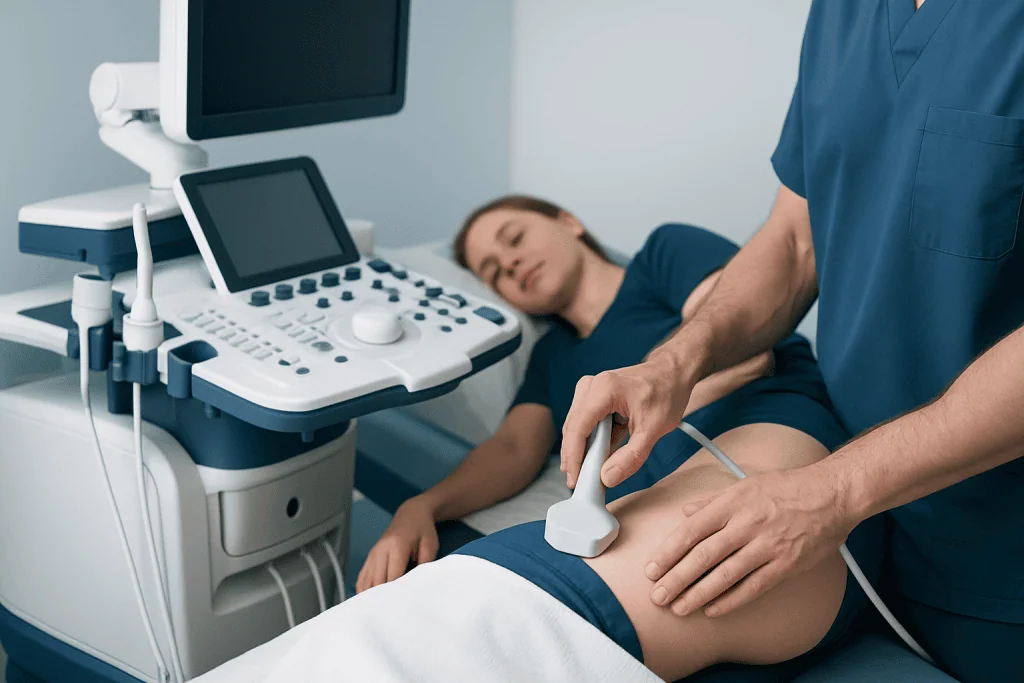
A spank usually affects the skin and soft tissues first. Small blood vessels may break, creating redness at first and then blue, purple, or yellow discoloration as the bruise heals. Mild tenderness often improves within a few days, while a deeper bruise may remain sore for one to two weeks or longer.
If the force is greater, the underlying muscle can also become strained or bruised. This may lead to pain with movement, sitting, climbing stairs, or exercise. Less commonly, an impact near the lower back or hip can aggravate nearby nerves, causing tingling or numbness that should not be ignored.
When an object is used, the risk of patterned bruises, abrasions, cuts, or deeper tissue injury increases. Broken skin raises the chance of infection because bacteria can enter through the damaged area. Some people may also have delayed bruising, which means the mark becomes more visible several hours after the injury rather than immediately.
Physical effects are only part of the picture. For some people, especially children or anyone experiencing unwanted physical force, a spank may also be associated with fear, stress, shame, or ongoing emotional upset. Emotional symptoms deserve attention just as physical ones do.
Symptoms and Warning Signs
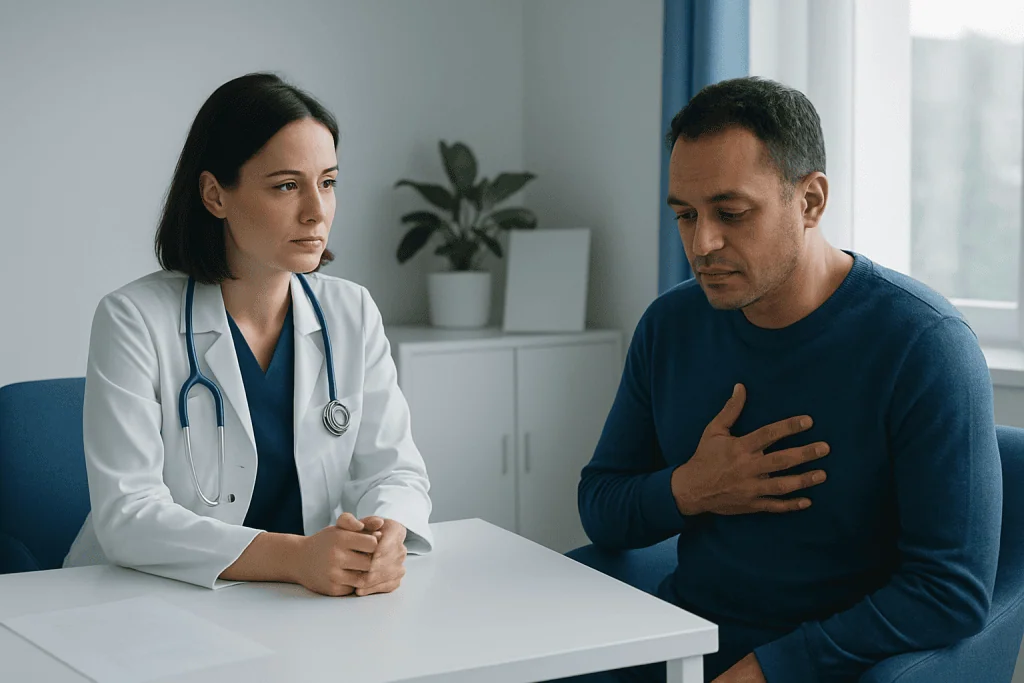
After a mild spank, common symptoms include soreness, temporary redness, and a small bruise. The area may feel warm or tender to the touch, and discomfort may be worse when sitting or during physical activity. These symptoms often improve steadily with rest and simple home care.
Warning signs suggest a more significant injury. These include intense pain, a rapidly enlarging bruise, marked swelling, trouble walking, pain extending into the lower back or leg, numbness, weakness, or bleeding from the skin. Symptoms such as fever, pus, or increasing redness over several days can suggest infection if the skin was broken.
It is also important to notice symptoms that do not match the apparent injury. For example, a small visible mark with severe deep pain could indicate a deeper soft-tissue injury. Likewise, bruising in multiple areas, repeated injuries, or unexplained marks should be evaluated rather than assumed to be minor.
- Mild symptoms: temporary redness, minor tenderness, small bruise
- Moderate symptoms: larger bruise, soreness lasting more than a few days, discomfort when sitting
- Urgent symptoms: severe pain, numbness, weakness, major swelling, skin breaks, spreading bruising
Causes, Risk Factors, and Who May Be More Vulnerable
The main cause of injury from a spank is blunt force to the buttocks. The risk rises when the impact is repeated, forceful, delivered with an object, or affects the lower back, tailbone, or hip rather than the fleshy part of the buttock. Hard surfaces, falls after impact, or pre-existing injuries can make the effects worse.
Some people bruise or bleed more easily than others. This includes older adults, young children, people with fragile skin, and those taking blood-thinning medication. Certain medical conditions that affect clotting or platelet function can also increase bruising. In these situations, even what seems like a minor impact may leave a large or painful mark.
People with skin conditions may be more likely to have irritation or delayed healing. For example, eczema or very dry skin can make the surface more vulnerable to damage, while other causes of skin inflammation may complicate recovery. If there is concern about a persistent rash, broken skin, or unusual healing, related skin conditions such as eczema may also need attention.
The context matters too. Any non-consensual physical harm, repeated injuries, or injuries involving a child should be taken seriously. In these situations, the goals of medical care are to assess physical injury, document findings accurately, and support safety and wellbeing.
Diagnosis and Medical Assessment
Diagnosis usually begins with a clinical history and physical examination. A doctor may ask when the injury happened, what caused it, how pain has changed, and whether there is numbness, swelling, bleeding, or difficulty walking. They may also ask about medications, bleeding disorders, and prior injuries because these affect how bruising appears.
On examination, the clinician looks at the size, color, and pattern of bruising, whether the skin is intact, and whether deeper structures seem affected. They may check range of movement in the hip and lower back, evaluate sensation and strength, and examine for signs of infection or a hematoma, which is a localized collection of blood under the skin.
Imaging is not needed for every bruise. However, if the pain is severe, there is concern about a deeper muscle injury, or an injury may involve the hip, pelvis, or spine, doctors may recommend imaging. In selected cases, MRI can help assess soft tissues, and ultrasonography may help evaluate a fluid collection or hematoma.
If the injury pattern is unusual, recurrent, or inconsistent with the reported cause, further assessment may be needed. This can be especially important in children and vulnerable adults, where careful medical documentation and safeguarding are part of good care.
Treatment Options and Home Care
Most mild injuries from a spank improve with conservative care. Resting the area, avoiding repeated pressure, and using a wrapped cold pack for short periods during the first day or two can help reduce discomfort and swelling. After the early phase, some people find gentle heat more soothing for lingering muscle soreness. Over-the-counter pain relief may be appropriate for some adults, but it is best used according to a clinician’s or pharmacist’s advice.
If there is a bruise, it usually changes color as it heals. This is a normal sign that trapped blood is being broken down and reabsorbed. The area should gradually become less tender rather than more painful. Tight clothing and prolonged sitting can worsen discomfort, so temporary adjustments in daily activity can be helpful.
Medical treatment may be needed when injury is more significant. A doctor may recommend wound care for abrasions or cuts, assess whether a hematoma needs monitoring, and evaluate symptoms that suggest nerve irritation or deeper tissue damage. If pain is substantial or movement is limited, physical therapy and rehabilitation may support a safe return to normal activity.
When symptoms are severe, unusual, or accompanied by other concerning signs, specialist evaluation can be appropriate. If the injury seems to involve bones or joints around the pelvis or hip, doctors may also consider orthopedic assessment as part of care.
Prevention, Self-care, and Emotional Wellbeing
From a health perspective, prevention means avoiding forceful impact to the body and responding early when injury occurs. Repeated blunt force to the same area increases the chance of bruising, muscle injury, and skin damage. People who bruise easily, take blood thinners, or have reduced mobility should be especially cautious because healing may take longer and complications may be more likely.
Good self-care includes watching the area over the next several days. Improvement should be gradual. If bruising expands significantly, pain worsens instead of settling, or new symptoms such as numbness appear, medical advice should be sought. A simple symptom diary or photo timeline can sometimes help a doctor understand how the injury is evolving.
Emotional wellbeing is also part of recovery. Feeling distressed, fearful, or unsettled after being hit is not uncommon, especially if the event was unwanted or involved a child. Support from a trusted healthcare professional or mental health clinician can be helpful when emotional symptoms persist or interfere with daily life.
For international patients needing evaluation of injuries or related symptoms, Acibadem International’s multidisciplinary specialists in JCI-accredited hospitals provide diagnosis and treatment tailored to the individual’s needs.
When to Seek Medical Care
Medical care should be sought promptly if there is severe pain, major swelling, inability to sit or walk comfortably, numbness, weakness, or a bruise that becomes very large. Evaluation is also important if the skin is broken, bleeding does not stop, or there are signs of infection such as increasing redness, warmth, pus, or fever.
Any injury in a young child, older adult, or person taking blood thinners deserves lower threshold for assessment. The same is true if the injury followed repeated impacts, involved an object, or occurred together with a fall or back injury. Persistent symptoms lasting more than a week or two should not be ignored.
Urgent care may be needed if there is severe dizziness, fainting, confusion, loss of bladder or bowel control, or major pain involving the lower back, pelvis, or leg. These symptoms are not typical for a simple bruise and may point to a more serious problem that needs prompt medical attention.
When in doubt, it is safest to consult a qualified doctor. A clinician can distinguish a minor bruise from an injury that needs imaging, wound care, pain management, or specialist follow-up.
Frequently asked questions
What does spank mean medically?
Medically, spank refers to an impact or strike to the buttocks and its possible physical effects. These effects can include pain, redness, bruising, skin injury, and, in more severe cases, deeper soft-tissue damage.
Can a spank cause a serious injury?
Yes, although many cases are minor, a forceful or repeated spank can cause significant bruising, muscle injury, skin breaks, or nerve irritation. The risk is higher if an object is used or if the person bruises easily.
How long does bruising after a spank usually last?
A small bruise may improve over several days, while a larger bruise can last one to two weeks or sometimes longer. The color often changes as it heals, which is usually normal if pain and swelling are also improving.
When should someone see a doctor after a spanking injury?
A doctor should be consulted for severe pain, large or spreading bruises, swelling, numbness, weakness, trouble walking, or any broken skin. Medical review is also wise if symptoms are not improving steadily within a few days.
Is home care enough for a mild spanking injury?
For mild soreness or a small bruise, rest, avoiding pressure on the area, and brief use of a wrapped cold pack may help. If symptoms worsen, last longer than expected, or seem out of proportion to the visible mark, medical advice is important.
Are children more vulnerable to injury from a spank?
Yes. Children have more delicate tissues, and bruising patterns in children require careful assessment. Any significant, repeated, or unexplained injury in a child should be evaluated by a qualified healthcare professional.
References
- World Health Organization
- American Academy of Pediatrics
- National Health Service
- MedlinePlus
- Mayo Clinic
This article is for general information only and is not a substitute for professional medical advice. Please consult a qualified doctor about your individual situation.
Explore treatments in Turkey — costs, top hospitals & a free quote
JCI-accredited · board-certified surgeons · reply within 24h
Add us as a Preferred Source to see more of our trusted health content across Google Search, AI Overviews and Discover.

More from the Health Library


Related Specialists

Dr. Ayşen Yücetürk
Vitro Fertilization and Reproductive Medicine Center
Dr. Mehmetzeki Yıldız
Neurosurgery
Dr. Şirin Zeynep Haskalp Arıkan
Pediatrics
Dr. Ecem Eren
Gynecology & Obstetrics