Gripe Water: What Patients Need to Know

Gripe water is commonly marketed for gas, colic, hiccups, and fussiness, but strong evidence of benefit is limited. Ingredients vary widely between brands, so labels should be checked carefully before use.
Key Takeaways
- Gripe water is commonly marketed for gas, colic, hiccups, and fussiness, but strong evidence of benefit is limited.
- Ingredients vary widely between brands, so labels should be checked carefully before use.
- It should not replace feeding support, burping techniques, or medical evaluation for concerning symptoms.
- Parents should seek prompt medical care if a baby has fever, vomiting, poor feeding, breathing problems, or signs of dehydration.
- A pediatrician can help identify whether fussiness is a normal phase, feeding issue, reflux, allergy, or another medical condition.
Gripe water is an over-the-counter liquid often given to babies for fussiness, gas, or hiccups, but it is not a proven medical treatment. Parents and caregivers should understand what it may contain, what it can and cannot do, and when symptoms need medical assessment instead of home remedies.
Overview: What gripe water is and what parents should know first
Gripe water is a liquid product sold without a prescription and commonly used for babies with fussiness, gas, hiccups, or episodes often described as colic. It is widely available in many countries, but it is not a standard medical treatment for infant crying, and research has not clearly shown that it consistently works better than supportive care alone.
The most important point for families is that gripe water is not a cure for the cause of crying. Babies may cry because of hunger, swallowed air, overtiredness, feeding difficulties, reflux, milk protein intolerance, or simply normal developmental behavior. For this reason, a product that seems soothing in one situation may not help in another.
Another key issue is that gripe water products do not all contain the same ingredients. Depending on the brand, they may include water, herbal extracts such as fennel, ginger, chamomile, or dill, and sometimes sweeteners or other additives. Because the formula can differ from one product to the next, safety and suitability should never be assumed based only on the name.
In general, parents are advised to view gripe water as a nonessential product rather than a medical necessity. If a baby is otherwise well, a pediatrician may help families focus first on feeding technique, burping, calming routines, and observation for warning signs.
What gripe water is used for
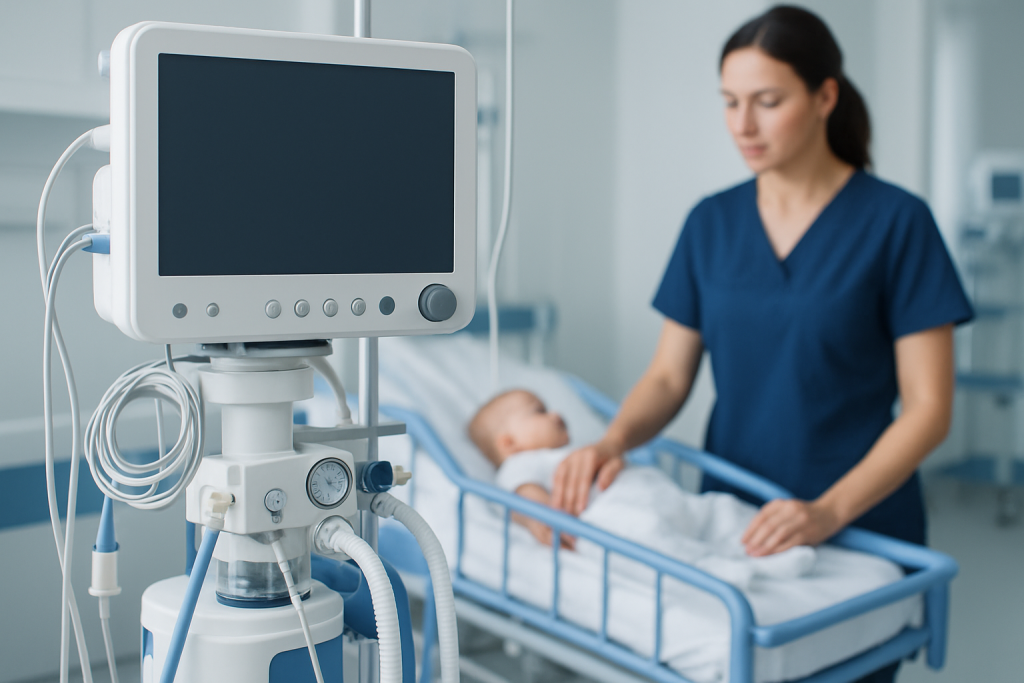
Families usually consider gripe water when a baby seems uncomfortable after feeds, arches, draws the legs up, has hiccups, or cries for long periods. Marketing often suggests that it can ease trapped gas or support digestion. Some caregivers also try it when a baby appears unsettled in the evening.
These symptoms are common in early infancy, but they have many possible explanations. Colic refers to prolonged crying in an otherwise healthy baby, and it often improves with time even without medication. This makes it difficult to know whether a product truly caused improvement or whether the episode would have passed on its own.
For some babies, fussiness may be linked to feeding mechanics such as taking in too much air, a fast milk flow, overfeeding, or difficulty burping. In other cases, symptoms may overlap with reflux or a cow’s milk protein sensitivity. A baby with frequent spit-up, poor weight gain, blood in the stool, or persistent distress needs proper medical evaluation rather than repeated use of over-the-counter soothing products.
Gripe water may seem appealing because it is simple and familiar, but it is best understood as a traditional or complementary remedy, not as a substitute for diagnosing the reason a baby is uncomfortable.
Ingredients, safety, and possible concerns

One of the most important concerns about gripe water is that formulations vary. Some products contain herbal ingredients such as fennel, ginger, dill, or chamomile. Others may include sodium bicarbonate, flavorings, or sweeteners. Parents should always read the full label and avoid assuming that all brands are equivalent.
Natural does not always mean risk-free. Babies can have sensitivity to certain herbs or additives, and some products may cause stomach upset or allergic reactions in susceptible infants. A very young baby may also react to ingredients that older children tolerate well. If a baby develops rash, swelling, vomiting, worsening fussiness, or changes in breathing after any product, it should be stopped and urgent medical advice should be sought.
Giving any nonessential liquid to a newborn or young infant also deserves caution, especially when feeding is already difficult. Small babies need adequate breast milk or formula, and extra liquids can sometimes interfere with normal feeding patterns. Products should never be used more often than the label or a doctor recommends.
Caregivers should also avoid homemade versions. Homemade preparations may have uncertain ingredients, contamination risk, or unsuitable concentrations. If parents are considering any remedy for a very young infant, discussing it with a pediatrician is the safest approach.
Does gripe water work?
Evidence for gripe water is limited. While some families report that a baby settles after taking it, this does not necessarily prove that the liquid itself caused the improvement. Babies often calm with holding, sucking, burping, changes in position, or simply the passage of time.
There is no strong consensus that gripe water reliably treats colic, reflux, or gas in infants. Because products differ so much in their ingredients, it is also hard to study them as one single treatment. This means parents may hear positive stories from friends or online, but these experiences do not replace clinical evidence.
It can be more helpful to think in terms of the baby’s symptoms and overall pattern rather than looking for a one-product solution. A pediatrician may assess whether crying fits a normal colic pattern, whether there are signs of feeding intolerance, or whether another condition should be considered. When symptoms are frequent or severe, a formal evaluation may be more useful than trying multiple over-the-counter products.
If ongoing digestive symptoms raise concern, doctors may sometimes investigate causes using clinical assessment or recommend care through specialties such as gastroenterology evaluation when this is appropriate for the child’s overall situation.
Practical ways to soothe a fussy baby
Many babies benefit from simple supportive measures that do not involve medicines or supplements. Feeding in a calm environment, checking latch or bottle flow, burping during and after feeds, and keeping the baby upright for a short period afterward can reduce swallowed air and post-feed discomfort.
Other soothing strategies may include gentle rocking, skin-to-skin contact, swaddling when age-appropriate and done safely, white noise, or a warm bath. Parents can also watch for patterns, such as fussiness after overfeeding, during evening hours, or after very rapid feeds. A symptom diary can help identify triggers and support a more focused discussion with a doctor.
If a baby has hard stools, discomfort with bowel movements, frequent spit-up, or poor settling after feeds, a medical review can help distinguish normal infant behavior from a digestive issue. Some babies need adjustments in feeding routine rather than a remedy. In selected cases, specialist input through pediatric assessment may help if symptoms persist.
Parents should remember that excessive crying is stressful for caregivers as well. If soothing efforts are not working, it is appropriate to put the baby in a safe sleep space for a short moment and ask another adult for support. Caregiver wellbeing is an important part of infant care.
When to seek medical care
Most crying and gassiness in young babies is not dangerous, but some symptoms should not be attributed to colic or treated only with gripe water. Medical care is important if a baby has fever, repeated vomiting, green vomit, blood in the stool, a swollen abdomen, poor feeding, weight loss, unusual sleepiness, breathing difficulty, or fewer wet diapers than expected.
Parents should also seek advice if crying is sudden and intense, if the baby cannot be comforted, or if symptoms are getting worse rather than gradually improving. A baby who arches strongly, coughs or chokes during feeds, or seems in pain after most feeds may need assessment for feeding or digestive problems.
If there are signs that symptoms could be related to more than simple gas, doctors may evaluate for digestive or allergic causes, including conditions associated with gastroesophageal reflux disease. If tests or imaging are needed to rule out another problem, this may be arranged through services such as pediatric imaging when clinically appropriate.
Near the end of the evaluation process, families may also want coordinated care if they are traveling or seeking international consultation. Acibadem International’s multidisciplinary specialists and JCI-accredited hospitals provide diagnosis and treatment support for international patients when infant symptoms require further medical assessment.
How doctors assess infant fussiness
When a baby is seen for fussiness or suspected gas pain, the doctor usually begins with a detailed history. This often includes the baby’s age, feeding method, stool pattern, growth, sleep, timing of crying episodes, vomiting, skin symptoms, and whether there are any red-flag features. Questions about formula changes, maternal diet in breastfeeding, and family history of allergy may also be relevant.
A physical examination helps look for signs of dehydration, abdominal swelling, tenderness, skin rash, oral problems, or illness outside the digestive system. In many cases, no tests are needed because the pattern is consistent with normal infant behavior or uncomplicated colic. The focus then shifts toward reassurance, feeding support, and symptom monitoring.
If symptoms suggest another condition, testing may be considered selectively. This depends on the baby’s age and the warning signs present. Doctors generally avoid unnecessary tests in otherwise healthy babies, but they do investigate if there is poor growth, blood in stool, persistent vomiting, or concern for infection or structural problems.
This careful approach matters because not every crying baby needs treatment, and not every unsettled infant benefits from the same advice. A professional assessment can reduce guesswork and help parents use remedies more cautiously and appropriately.
Prevention and self-care for families
There is no guaranteed way to prevent normal infant crying or colic, but a few habits may reduce discomfort around feeds. Feeding at a steady pace, avoiding unnecessary overfeeding, using an appropriate bottle nipple flow, and burping well can help some babies. After feeding, holding the baby upright briefly may also be useful.
Consistency can be reassuring for both baby and caregiver. A simple routine around feeding, soothing, and sleep may make patterns easier to recognize. When trying any new product, including gripe water, it is sensible to introduce only one change at a time so that any benefit or side effect is easier to notice.
Parents should keep medications, supplements, and herbal products out of reach and use them only as directed. They should not combine multiple over-the-counter remedies without medical advice. If a baby already has a diagnosed condition, the pediatrician should be asked whether gripe water is appropriate at all.
Finally, families should be gentle with themselves. Early infancy can be demanding, and periods of crying are common. Seeking advice is not overreacting; it is a practical part of caring for a baby safely.
Frequently asked questions
What is gripe water used for?
Gripe water is usually given for infant fussiness, gas, hiccups, or symptoms that parents describe as colic. It is a supportive over-the-counter product, not a proven treatment for the underlying cause of crying.
Is gripe water safe for newborns?
Safety depends on the baby's age, health, and the product's ingredients. Because formulations vary, parents should read labels carefully and ask a pediatrician before giving it to a newborn or very young infant.
Does gripe water help with colic?
Some parents feel that it helps, but strong evidence is limited. Many babies improve over time or with soothing techniques, so it can be difficult to know whether gripe water itself made the difference.
Can gripe water treat reflux?
Gripe water is not a treatment for reflux disease. If a baby has frequent spit-up with pain, feeding refusal, poor weight gain, or choking, a doctor should assess the symptoms rather than relying on home remedies.
What ingredients are commonly found in gripe water?
Common ingredients may include water and herbal extracts such as fennel, ginger, chamomile, or dill. Some brands may also contain sodium bicarbonate, flavorings, or sweeteners, which is why checking the label is important.
When should parents call a doctor instead of using gripe water?
Medical advice is important if a baby has fever, repeated vomiting, blood in stool, poor feeding, breathing trouble, dehydration, unusual sleepiness, or worsening crying. These symptoms may point to a condition that needs medical evaluation.
References
- American Academy of Pediatrics
- National Institutes of Health
- National Health Service
- U.S. Food and Drug Administration
- World Health Organization
This article is for general information only and is not a substitute for professional medical advice. Please consult a qualified doctor about your individual situation.
Persistent digestive symptoms? Get evaluated in Turkey
JCI-accredited · board-certified surgeons · reply within 24h
Add us as a Preferred Source to see more of our trusted health content across Google Search, AI Overviews and Discover.