Pimples — Explained by Medical Evidence, Not Myths
Pimples usually form when pores become blocked with oil and dead skin cells and then become inflamed. They are common in teenagers and adults and are not caused simply by poor hygiene.
Key Takeaways
- Pimples usually form when pores become blocked with oil and dead skin cells and then become inflamed.
- They are common in teenagers and adults and are not caused simply by poor hygiene.
- Treatment depends on severity and may include skin care changes, over-the-counter products, or prescription medicines.
- Squeezing or picking pimples can worsen inflammation and increase the risk of dark marks or scars.
- Medical care is advisable when pimples are severe, painful, widespread, scarring, or affecting emotional well-being.
Pimples are small inflamed or clogged skin bumps, most often linked to acne, excess oil, dead skin cells, and bacteria. Most improve with gentle skin care and evidence-based treatment, but persistent, painful, or scarring breakouts may need medical evaluation.
Overview: what pimples are and why they happen
Pimples are small raised spots on the skin that develop when hair follicles, also called pores, become blocked and inflamed. They are most commonly part of acne, a very common skin condition that can affect the face, chest, shoulders, and back. A pimple may look red, swollen, or pus-filled, but the underlying process usually starts deeper in the pore.
Medical evidence shows that pimples are not just a surface problem. They form through a combination of excess oil production, buildup of dead skin cells, growth of skin bacteria, and inflammation. Hormonal changes often make these processes more active, which is why pimples are especially common during puberty, menstrual cycles, pregnancy, or times of hormonal imbalance.
Many myths surround pimples. They are not simply a sign of being “unclean,” and harsh scrubbing usually does not help. In fact, over-washing, picking, or using irritating products can worsen the skin barrier and make breakouts more persistent. A balanced, evidence-based approach focuses on reducing clogged pores and inflammation while protecting the skin.
How pimples look: common types and symptoms
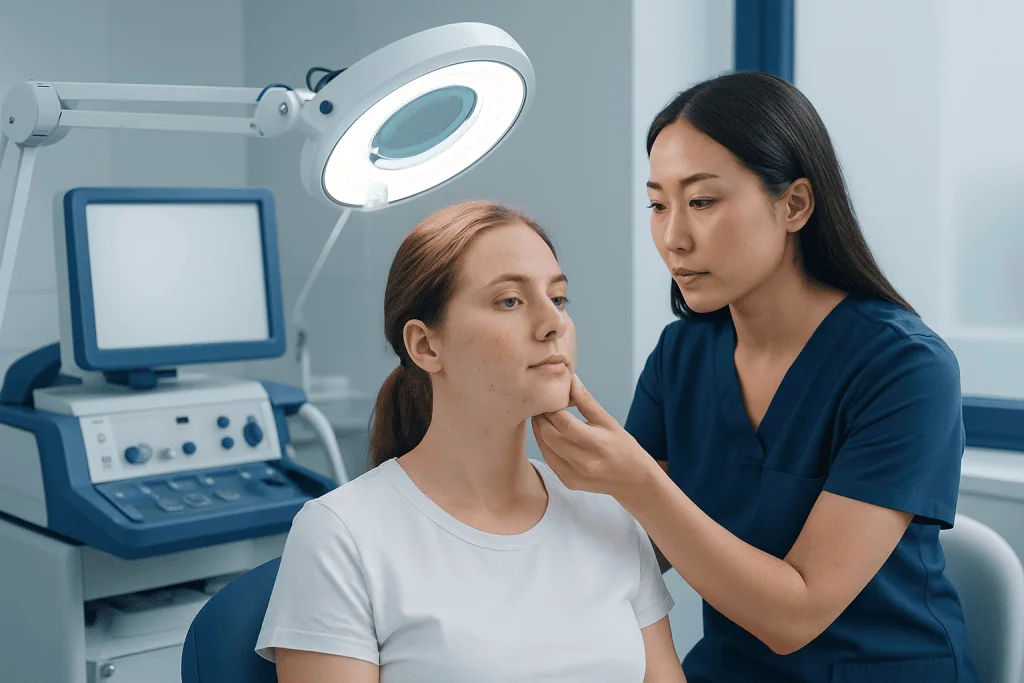
Pimples can appear in several forms. Some are non-inflammatory, such as whiteheads and blackheads, which happen when pores are clogged but only mildly irritated. Others are inflammatory, including red papules, pus-filled pustules, deeper nodules, or cyst-like lesions that may be painful to touch.
The symptoms vary by type and severity. Mild pimples may be small and scattered, while more active acne can involve clusters of inflamed spots across oily areas of the skin. Some people also notice tenderness, warmth, itching, or burning around active lesions. After a pimple heals, it can leave temporary dark or red marks, especially in people with more pigmented skin.
Doctors also consider the pattern and location of breakouts. Pimples on the forehead, nose, and chin are common, but outbreaks on the jawline may suggest a hormonal influence. Chest and back pimples can occur when oil glands are especially active. If breakouts are persistent or leave scars, they may be part of a broader acne condition that benefits from formal treatment.
What causes pimples and who is more likely to get them
Pimples develop through several interacting factors. The skin naturally produces sebum, an oily substance that helps protect it. When too much sebum combines with dead skin cells, the pore can become blocked. Inside that blocked pore, bacteria that normally live on the skin can multiply and trigger inflammation, leading to a visible pimple.
Hormones are one of the strongest influences. Increased androgen activity can enlarge oil glands and stimulate more oil production. This is why pimples often increase during adolescence, around menstrual periods, during pregnancy, or in some endocrine conditions. Family history also matters; if close relatives had acne-prone skin, the risk is higher.
Other factors can contribute or make breakouts worse. These include friction from helmets or tight clothing, oily hair or skin products, humid environments, stress, and some medications such as corticosteroids or lithium. Diet is more complex than many myths suggest. For some people, high-glycemic foods or dairy may aggravate acne, but diet is not the only cause and should be assessed individually rather than blamed broadly.
Pimples can affect people of any age. Adult acne is common, especially in women, and may continue even after the teenage years. Because breakouts can have emotional as well as physical effects, persistent pimples deserve thoughtful care rather than dismissal.
How doctors evaluate pimples
Most pimples can be recognized during a skin examination. A doctor will usually ask when the breakouts started, where they occur, what products are used on the skin, whether there is pain or scarring, and whether there are possible hormonal clues such as irregular periods or sudden increased hair growth. This history helps identify whether the problem is routine acne or whether another skin condition may be involved.
The examination focuses on the type of lesions, their distribution, and the presence of scarring or dark marks. Not every bump on the skin is a pimple. Folliculitis, rosacea, perioral dermatitis, and allergic or irritant reactions can sometimes resemble acne, which is one reason self-diagnosis may be misleading if standard products are not helping.
Tests are not always needed. However, when pimples are severe, sudden in onset, or associated with signs of hormonal imbalance, a clinician may consider blood tests or referral to relevant specialists. In selected cases, treatment planning may involve dermatology or endocrinology evaluation if hormone-related factors appear important.
Evidence-based treatment options for pimples
Treatment depends on how many pimples are present, whether they are inflamed, and whether scars are developing. Mild breakouts often respond to over-the-counter ingredients such as benzoyl peroxide, salicylic acid, or adapalene. These work in different ways: some help unclog pores, some reduce bacteria, and some calm inflammation. Improvement usually takes time, often several weeks, so consistency matters.
When pimples are more persistent or moderate to severe, doctors may recommend prescription treatments. These can include topical retinoids, topical or oral antibiotics for limited periods, azelaic acid, hormonal therapies in selected patients, or other targeted medicines. Deep nodules or cyst-like lesions may need closer supervision because they carry a higher risk of permanent scars.
For resistant or scarring acne, specialist care can be helpful. Depending on the skin type and problem, treatment plans may combine medication with procedural options such as dermatology care or selected laser treatment approaches to address post-acne marks or scars. The goal is not only to clear active pimples but also to reduce long-term skin damage.
It is usually best not to squeeze or pick pimples. Doing so can push inflammation deeper into the skin, delay healing, and increase the chance of infection, discoloration, or scarring. A clinician can help choose a plan that is effective without being overly harsh on the skin.
Daily skin care, prevention, and self-care habits
Good skin care can support treatment and help prevent new pimples, even though it cannot control every factor. Washing the face gently once or twice a day with a mild cleanser is usually enough. Scrubbing aggressively or using strong alcohol-based products can irritate the skin and trigger more inflammation. Makeup, sunscreen, and moisturizers labeled non-comedogenic are often better choices for acne-prone skin.
Hair and body care matter too. Keeping oily hair products away from the face, showering after heavy sweating, and changing out of tight workout clothing can reduce friction and oil buildup. People who shave may benefit from gentler techniques and products designed for sensitive skin to limit irritation around hair follicles.
Self-care also includes patience and realistic expectations. A new product should usually be given enough time to work unless it causes irritation. Trying too many products at once may make it hard to tell what helps. For some individuals, tracking breakouts alongside menstrual cycles, stress, or certain foods can reveal personal triggers, but broad restrictions are not necessary for everyone.
- Cleanse gently and avoid harsh scrubs.
- Use non-comedogenic moisturizers, sunscreen, and cosmetics.
- Avoid picking, squeezing, or rubbing pimples.
- Wash pillowcases, hats, and sports gear regularly.
- Seek medical advice early if dark marks or scars are starting to appear.
When to seek medical care
Many pimples improve with over-the-counter care, but some situations deserve professional attention. Medical care is advisable if pimples are very painful, deep, widespread, leaving scars, or not improving after several weeks of appropriate home treatment. It is also important to seek help when breakouts begin suddenly and severely, especially in adulthood, or when they come with irregular periods, unusual hair growth, or other signs that may suggest a hormonal issue.
The emotional effect of pimples matters too. If the skin condition is affecting confidence, social life, sleep, or mood, that is a valid reason to speak with a doctor. Effective treatment can improve both skin health and quality of life. Persistent facial redness or bumps that do not behave like typical acne should also be assessed to rule out other conditions.
Near the end of the care pathway, some people may need a coordinated approach involving skin specialists and other disciplines. Acibadem International’s multidisciplinary specialists and JCI-accredited hospitals diagnose and treat acne-related concerns for international patients when more detailed evaluation or treatment is needed.
Frequently asked questions
Are pimples the same as acne?
Pimples are individual skin lesions, while acne is the broader skin condition that causes them. Acne can include blackheads, whiteheads, papules, pustules, nodules, and cyst-like lesions. In everyday language, people often use the terms interchangeably.
Do pimples happen because of poor hygiene?
No. Pimples are mainly linked to clogged pores, oil production, bacteria, inflammation, and hormones. Washing too often or scrubbing hard can irritate the skin and may make breakouts worse.
Does food cause pimples?
Food is not the sole cause of pimples, but diet may influence breakouts in some people. High-glycemic foods or dairy can be triggers for certain individuals, while others notice no clear connection. A doctor or dietitian can help assess patterns without unnecessary restriction.
How long does it take for pimple treatments to work?
Most evidence-based treatments need time to show benefit. It is common to wait several weeks before seeing clearer improvement, and some treatments may cause mild early dryness or irritation. Consistent use and gentle skin care are important.
Should a pimple be popped to make it heal faster?
Usually no. Popping a pimple can increase inflammation, push material deeper into the skin, and raise the risk of infection or scarring. It is safer to use appropriate treatment and let the lesion heal with minimal handling.
Can adults get pimples even if they did not have them as teenagers?
Yes. Adult pimples are common and may be related to hormones, stress, skin products, medications, or genetics. New or persistent adult breakouts should be evaluated if they are severe or do not respond to routine care.
References
- American Academy of Dermatology
- National Institute of Arthritis and Musculoskeletal and Skin Diseases
- Mayo Clinic
- National Health Service
- Merck Manual Consumer Version
This article is for general information only and is not a substitute for professional medical advice. Please consult a qualified doctor about your individual situation.
Hair transplant in Turkey — costs, graft counts & a free assessment
JCI-accredited · board-certified surgeons · reply within 24h
Add us as a Preferred Source to see more of our trusted health content across Google Search, AI Overviews and Discover.

More from the Health Library
Related Specialists

Prof. Dr. Derya Eroğlu
Gynecology & Obstetrics
Dr. Hamza Furkan Şen
Gynecology & Obstetrics
Dr. Mürüvvet Ayten Tüzünalp
Ophthalmology
Assoc. Prof. Dr. Dilek Hacer Çeşme
Radiology