Flashback: An Evidence-Based Guide for Patients

A flashback feels like re-experiencing a past event in the present, not simply remembering it. Flashbacks are commonly linked to trauma and post-traumatic stress disorder, but they may have other medical or substance-related causes.
Key Takeaways
- A flashback feels like re-experiencing a past event in the present, not simply remembering it.
- Flashbacks are commonly linked to trauma and post-traumatic stress disorder, but they may have other medical or substance-related causes.
- Symptoms can include vivid images, body sensations, fear, confusion, and a temporary loss of awareness of current surroundings.
- Diagnosis focuses on the person’s history, triggers, mental health symptoms, medications, and substance use.
- Treatment may include trauma-focused psychotherapy, medicines for associated symptoms, and practical grounding strategies.
- Medical care is important if flashbacks are frequent, severe, distressing, or associated with safety concerns.
A flashback is a sudden, intense sense of reliving a past experience as if it is happening again in the present. Flashbacks are most often associated with trauma-related conditions, but they can also occur in some substance-related or neurological situations, so proper evaluation matters.
Overview
A flashback is a brief episode in which a person feels as though a past event is happening again right now. It is more than an ordinary memory. During a flashback, sights, sounds, smells, emotions, or physical sensations from the original event can become so vivid that the present moment fades into the background.
Many people use the word casually, but in medical and psychological care, flashbacks have a more specific meaning. They are most often discussed in relation to trauma, especially post-traumatic stress disorder, where the brain and body react strongly to reminders of a past event. However, flashbacks may also occur with substance use, withdrawal, sleep disruption, dissociative symptoms, or less commonly some neurological conditions.
Because flashbacks can be frightening or confusing, people may worry that they are “losing control” or “going crazy.” In reality, a flashback is a recognized symptom that can be assessed and treated. Understanding what it is, what triggers it, and how it differs from a regular memory can help a person seek the right support.
How a Flashback Feels and Common Symptoms
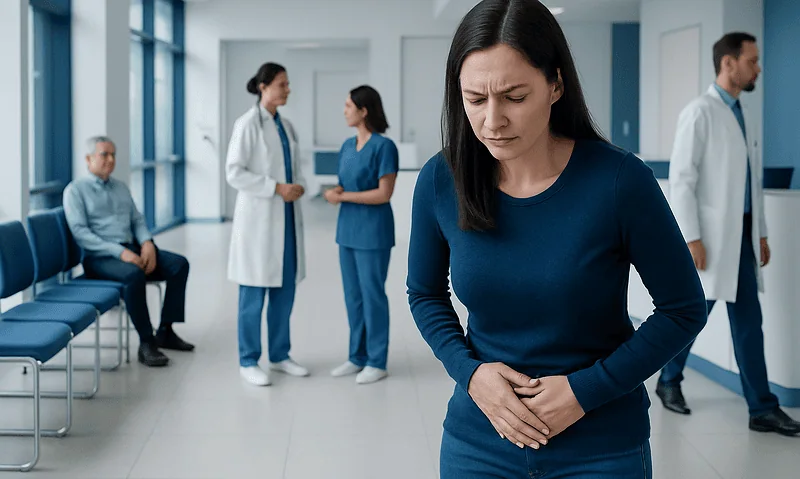
A flashback may involve images, sounds, body sensations, emotions, or a combination of these. Some people clearly see parts of the past event in their mind, while others mainly feel intense fear, panic, shame, numbness, or physical sensations such as a racing heart, sweating, shaking, chest tightness, or stomach discomfort. The episode may last seconds or minutes, though lingering distress can continue longer.
One important feature is a temporary sense of disconnection from the current environment. A person may know on some level that they are safe, yet still feel pulled into the memory as though it is happening again. This is why flashbacks can look similar to panic attacks or dissociative episodes, although the cause and internal experience may differ.
Common symptoms may include:
- Vivid re-experiencing of a past event
- Strong emotional distress triggered by reminders
- Feeling detached from the present moment
- Rapid heartbeat, sweating, trembling, or shortness of breath
- Confusion, fear, or difficulty speaking during the episode
- Avoidance of places, people, conversations, or situations linked to the event
After a flashback, a person may feel exhausted, embarrassed, or unsettled. They may also become more watchful, irritable, or withdrawn, especially if flashbacks are happening repeatedly. These associated symptoms can affect work, relationships, sleep, and overall quality of life.
Causes, Triggers, and Risk Factors
The most common clinical context for flashbacks is trauma. A traumatic event may include violence, abuse, combat, serious accidents, natural disasters, medical trauma, or sudden loss. Not everyone who experiences trauma develops flashbacks, but the risk can be higher when the event was severe, prolonged, repeated, or occurred earlier in life.
Triggers are cues that remind the brain of the original event. These can be obvious, such as a location, anniversary date, or sound, but they can also be subtle, such as a smell, a tone of voice, a body position, or a stressful situation. Sometimes a person cannot identify the trigger at first, which can make flashbacks feel unpredictable.
Other factors may increase the likelihood of flashbacks or make them more intense:
- Post-traumatic stress disorder and other trauma-related conditions
- Anxiety, depression, or dissociative symptoms
- Poor sleep or nightmares
- Substance use or withdrawal, including hallucinogens in some cases
- Ongoing stress or feeling unsafe
- A history of multiple traumatic experiences
Less commonly, episodes that resemble flashbacks may be related to other medical conditions, including certain seizure disorders, migraine phenomena, medication effects, or other mental health conditions. This is one reason a careful medical assessment is useful when the diagnosis is not clear.
How Doctors Diagnose Flashbacks
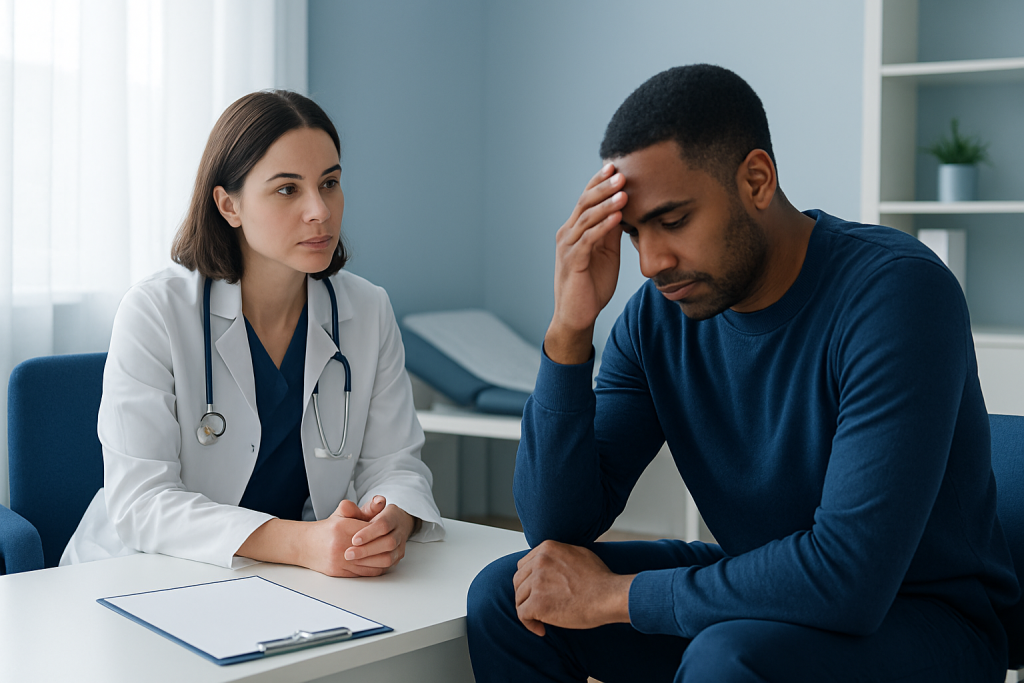
There is no single lab test that confirms a flashback. Diagnosis begins with a detailed conversation about what the person experiences before, during, and after the episode. A clinician may ask about trauma history, mood, sleep, daily functioning, current stress, medications, alcohol or drug use, and any associated symptoms such as fainting, unusual movements, or memory gaps.
The main goal is to understand whether the episodes fit trauma-related flashbacks or whether another problem could be contributing. A doctor may also screen for conditions that often occur alongside flashbacks, such as anxiety disorders, depression, panic attacks, dissociation, and epilepsy when events suggest possible seizures.
Depending on the situation, evaluation may involve:
- A physical examination and review of medical history
- Mental health assessment and symptom questionnaires
- Review of prescription medicines and supplements
- Assessment of alcohol, cannabis, stimulant, or hallucinogen use
- Neurological evaluation if symptoms are atypical
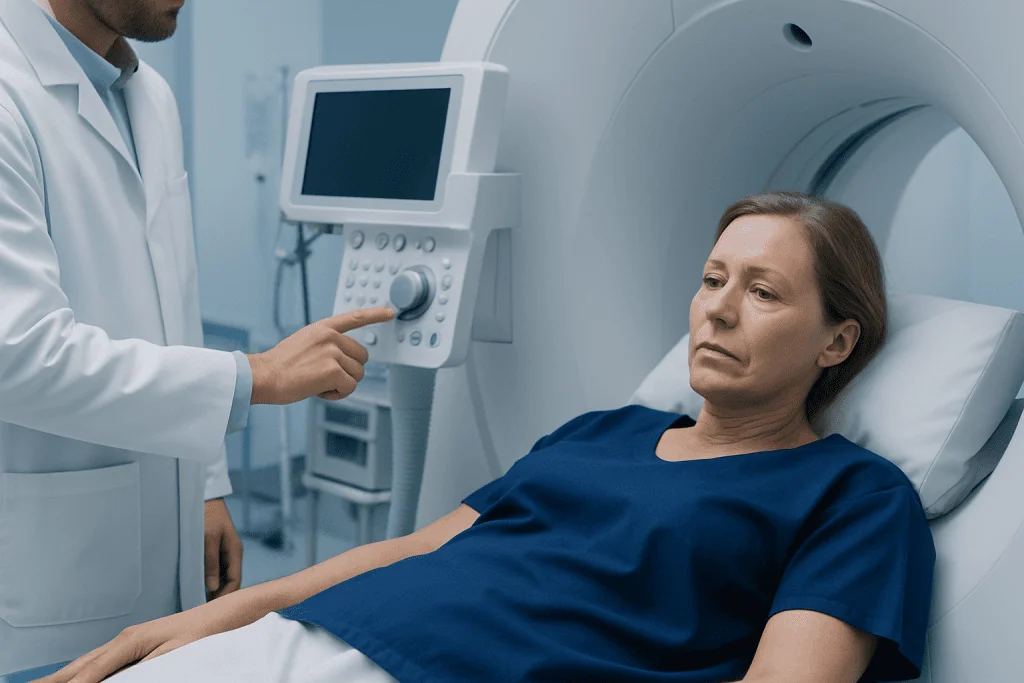
- Occasional tests such as brain imaging or EEG when seizures or other neurological causes are a concern
An accurate diagnosis matters because treatment depends on the cause. For example, trauma-related flashbacks are approached differently from panic symptoms, drug-related episodes, or seizure activity. A clear explanation from a qualified professional can also reduce fear and uncertainty.
Treatment Options
Treatment focuses on the underlying cause, the severity of symptoms, and how much the flashbacks are affecting daily life. For trauma-related flashbacks, the most effective approach is often psychotherapy with a clinician trained in trauma care. Therapy aims to reduce the intensity of re-experiencing, improve emotional regulation, and help the person feel safer and more in control.
Evidence-based options may include trauma-focused psychotherapy, cognitive behavioral approaches, and in selected cases EMDR therapy. Medicines may also be considered, especially when flashbacks occur alongside anxiety, depression, severe sleep problems, or other PTSD symptoms. If evaluation suggests a neurological issue, care may involve neurology assessment and treatment instead of or in addition to mental health support.
Practical coping tools are also important. Clinicians often teach grounding techniques that bring attention back to the present, such as naming objects in the room, focusing on breathing, placing both feet on the floor, or holding a cool object. These strategies do not erase the past, but they can reduce the sense of being pulled back into it.
If symptoms are related to substance use, treatment may involve stopping the substance safely, managing withdrawal, and addressing coexisting mental health concerns. In more complex cases, coordinated care between psychiatry, psychology, and neurology can be helpful. Near the end of the care pathway, some people benefit from rehabilitation of sleep, stress management, and gradual return to avoided activities.
Self-care, Safety, and Prevention
Self-care cannot replace professional treatment when flashbacks are severe or frequent, but it can help reduce triggers and improve day-to-day stability. A regular sleep schedule, balanced meals, limiting alcohol or recreational drug use, and steady physical activity can support the nervous system. Keeping a simple log of episodes may also help identify patterns such as certain environments, sensations, or stress levels.
Grounding and safety planning are especially useful. Some people prepare a short written reminder such as “This is a flashback. I am safe now.” Others keep a list of calming actions or supportive contacts on their phone. Family members or trusted friends can also learn how to respond calmly by speaking clearly, avoiding sudden touch unless invited, and helping the person reconnect with the present.
Helpful self-care steps may include:
- Practicing grounding exercises when calm, not only during episodes
- Reducing exposure to known triggers when possible
- Maintaining regular sleep and stress-management routines
- Seeking therapy rather than avoiding all reminders indefinitely
- Using prescribed medicines only as directed
- Reaching out early if symptoms begin to worsen
For international patients who need coordinated evaluation, Acibadem International’s multidisciplinary specialists in JCI-accredited hospitals diagnose and treat trauma-related, psychiatric, and neurological conditions, including access to psychiatric evaluation and care when appropriate.
When to Seek Medical Care
A person should seek medical care if flashbacks are happening repeatedly, causing fear, interrupting sleep, affecting relationships or work, or leading to avoidance of normal life. Evaluation is also important if the episodes begin after a new medicine, follow alcohol or drug use, or are associated with unusual movements, blackouts, or confusion that continues afterward.
Urgent help is needed if there is any risk of self-harm, suicidal thoughts, aggression, inability to stay safe, or symptoms that could suggest a medical emergency such as a seizure, severe chest pain, or loss of consciousness. Children, adolescents, and older adults should also be assessed promptly when episodes are new or unexplained.
Early assessment can be reassuring as well as therapeutic. Even when a flashback is linked to trauma, many people improve with a clear diagnosis, evidence-based treatment, and practical coping tools. Speaking with a qualified doctor or mental health professional is a constructive first step.
Frequently asked questions
What is a flashback in simple terms?
A flashback is a sudden, vivid sense of reliving a past event as if it is happening again now. It is different from an ordinary memory because it can feel immersive, emotionally intense, and temporarily disconnecting from the present moment.
Are flashbacks always caused by PTSD?
No. Flashbacks are commonly associated with PTSD, but they may also occur with other trauma-related conditions, substance use, withdrawal, dissociation, or less commonly some neurological disorders. That is why a proper evaluation is important when symptoms are new or unclear.
How is a flashback different from a panic attack?
A panic attack is a sudden surge of fear with strong physical symptoms such as a racing heart, shaking, or shortness of breath. A flashback may include similar body symptoms, but its defining feature is re-experiencing a past event or feeling pulled back into it.
Can flashbacks happen years after a traumatic event?
Yes. Some people develop flashbacks soon after trauma, while others notice them months or even years later, especially during periods of stress or after a trigger. Delayed symptoms do not make the experience any less real or treatable.
What should someone do during a flashback?
Grounding techniques can help bring attention back to the present. Examples include naming five things they can see, focusing on slow breathing, feeling their feet on the floor, or reminding themselves aloud that they are safe now. If episodes are frequent or severe, professional treatment is recommended.
Can flashbacks be treated successfully?
Many people improve with the right treatment. Trauma-focused therapy, practical coping strategies, and sometimes medication for related symptoms such as anxiety, depression, or sleep problems can reduce the frequency and intensity of flashbacks over time.
References
- National Institute of Mental Health
- American Psychiatric Association
- Substance Abuse and Mental Health Services Administration
- National Center for PTSD
- World Health Organization
This article is for general information only and is not a substitute for professional medical advice. Please consult a qualified doctor about your individual situation.
Explore treatments in Turkey — costs, top hospitals & a free quote
JCI-accredited · board-certified surgeons · reply within 24h
Add us as a Preferred Source to see more of our trusted health content across Google Search, AI Overviews and Discover.