Shigella — Explained by Medical Evidence, Not Myths

Shigella spreads easily through contaminated hands, food, water, and surfaces, often with only a small number of bacteria needed to cause infection. Common symptoms include diarrhea, abdominal cramps, fever, and sometimes blood or mucus in the stool.
Key Takeaways
- Shigella spreads easily through contaminated hands, food, water, and surfaces, often with only a small number of bacteria needed to cause infection.
- Common symptoms include diarrhea, abdominal cramps, fever, and sometimes blood or mucus in the stool.
- The most important early treatment is preventing dehydration with fluids and oral rehydration; antibiotics are used selectively.
- Good hand hygiene, safe food handling, and staying home when ill can reduce spread to others.
- Infants, older adults, immunocompromised people, and anyone with severe symptoms should seek medical care promptly.
Shigella is a group of bacteria that can infect the intestines and cause shigellosis, an illness marked by diarrhea, stomach cramps, and fever. Most people recover with supportive care, but some need medical evaluation to prevent dehydration, confirm the diagnosis, and guide treatment.
Overview: what shigella is and why it matters
Shigella is a type of bacteria that infects the intestines and causes an illness called shigellosis. In everyday language, people may refer to it simply as “shigella,” but the term usually describes the bacteria itself, while shigellosis is the infection. It is a well-known cause of acute diarrhea worldwide and can affect children and adults alike.
What makes shigella different from many other causes of stomach upset is how easily it spreads. A very small amount of the bacteria can be enough to cause illness, so infection can move through households, schools, daycare settings, care facilities, and communities when hygiene breaks down. Symptoms may be mild in some people, but others can develop more intense diarrhea, fever, or dehydration.
Medical evidence shows that shigella is not just “food poisoning” in the casual sense. It is a specific bacterial infection that may require stool testing, careful hydration, and sometimes antibiotic treatment depending on the severity, the person’s health status, and local resistance patterns. Clear diagnosis matters because diarrhea has many possible causes, including viral infections and other bacterial conditions such as salmonella infection.
Symptoms and how the illness usually unfolds
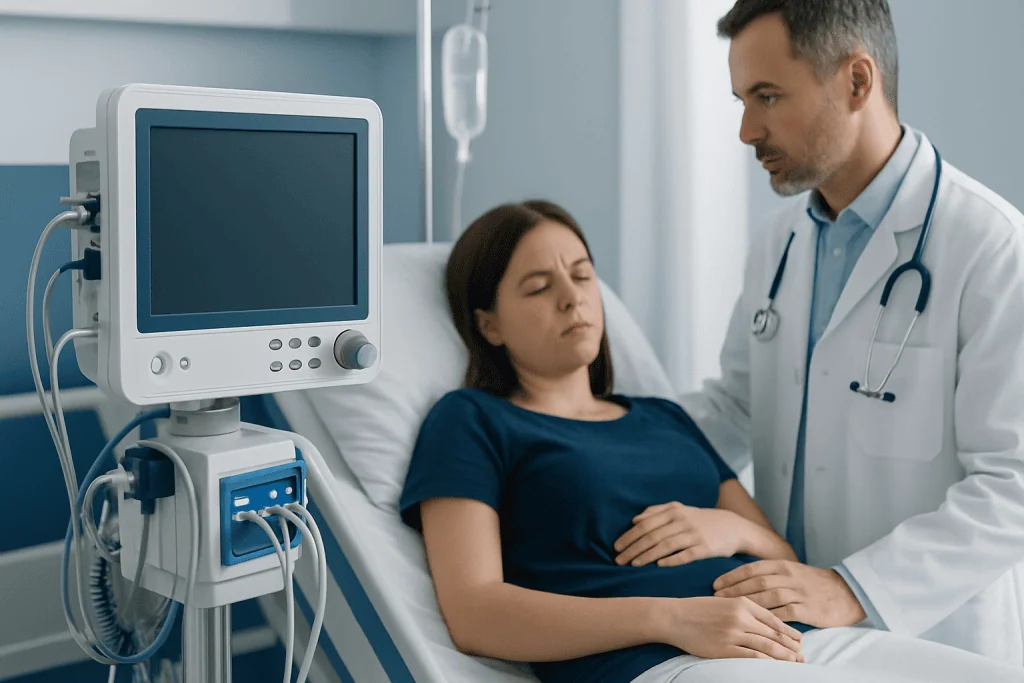
Symptoms of shigella usually begin within a few days of exposure, although timing can vary. The most common features are diarrhea, stomach cramps, and fever. Some people also feel nausea, urgency to have a bowel movement, or general fatigue. In some cases, the stool may contain blood or mucus because the infection can inflame the lining of the colon.
The severity ranges from a short, self-limited illness to more troublesome disease with frequent stools and significant fluid loss. Children may be especially vulnerable to dehydration because they can lose fluids quickly. Adults can also become dehydrated, particularly if diarrhea is frequent, vomiting is present, or fluid intake is poor.
While many cases improve within about a week, bowel habits may take longer to return fully to normal. Ongoing loose stools do not always mean the infection is still active, but persistent symptoms deserve medical review. Less commonly, shigella can lead to complications outside the gut, such as reactive arthritis or, in susceptible individuals, more serious systemic illness.
- Watery or bloody diarrhea
- Abdominal pain or cramping
- Fever
- Nausea or reduced appetite
- Urgent or painful bowel movements
- Signs of dehydration, such as dry mouth, dizziness, or reduced urination
How shigella spreads, causes illness, and who is at higher risk

Shigella spreads by the fecal-oral route, which means the bacteria pass from stool into another person’s mouth through contaminated hands, food, water, or objects. This can happen after diaper changes, inadequate handwashing after using the toilet, contaminated recreational water exposure, or food preparation by someone who is infected. Because only a small number of organisms may be needed to trigger infection, even brief lapses in hygiene can matter.
Once swallowed, the bacteria travel to the intestines, where they invade and inflame the intestinal lining. This inflammation is what causes cramps, fever, and diarrhea, and it explains why some people develop blood or mucus in the stool. The illness is sometimes called bacillary dysentery when dysentery-type symptoms are present, but not every case is severe.
Certain groups have a higher risk of infection or complications. These include young children, older adults, people living in crowded settings, international travelers, and people with weakened immune systems. Men who have sex with men may also be at higher risk because of exposure patterns. Good hygiene helps reduce risk, but it does not eliminate it entirely when community transmission is active.
People may also wonder how shigella compares with other digestive infections. The symptoms can overlap with food poisoning from other causes, which is one reason laboratory confirmation may be useful, especially in more severe or prolonged illness.
How doctors diagnose shigella
Doctors often suspect shigella based on the pattern of symptoms, recent exposures, and the presence of fever or bloody diarrhea. However, symptoms alone cannot reliably distinguish shigella from infections caused by other bacteria, viruses, or parasites. A clinical evaluation also helps identify dehydration and determine whether urgent care is needed.
The main test is a stool sample. Depending on the laboratory, this may be checked with stool culture, molecular testing, or both. These tests can identify shigella and sometimes show which antibiotics are likely to work. This is important because antibiotic resistance has become a recognized concern in shigella, and treatment should be guided by current medical judgment rather than assumptions.
Additional tests are not needed for everyone, but blood tests may be used if the illness is severe, the patient is vulnerable, or the clinician is concerned about fluid loss, kidney strain, or other complications. Imaging is generally not part of routine diagnosis for uncomplicated infectious diarrhea. The goal is to confirm the cause, assess severity, and rule out alternatives when symptoms are unusual or persistent.
Treatment options: hydration first, antibiotics when appropriate
The foundation of shigella treatment is fluid replacement. For many people, the body can clear the infection with time and supportive care, but dehydration is the complication doctors work hardest to prevent. Oral rehydration solutions are often helpful because they replace both water and electrolytes. If a person cannot keep fluids down, has severe dehydration, or is very unwell, hospital-based care and intravenous fluids may be needed.
Antibiotics are not automatically necessary for every case. They may be recommended for severe disease, high-risk patients, certain public health situations, or when stool testing supports their use. Because resistant strains exist, clinicians try to choose antibiotics based on test results, local patterns, and the patient’s overall health. This evidence-based approach helps avoid unnecessary treatment and reduces the chance of using an ineffective drug.
Some anti-diarrheal medicines may not be appropriate, especially when there is high fever or bloody diarrhea, because slowing the bowel can sometimes be unhelpful or unsafe in invasive bacterial infections. It is best not to self-treat severe symptoms without medical advice. If diarrhea is prolonged or if another digestive condition is suspected, specialists may also evaluate for conditions such as ulcerative colitis that can mimic infectious colitis in some situations.
When symptoms are significant or complications are a concern, care may involve gastroenterology evaluation and, if dehydration develops, hospital monitoring with intravenous fluid therapy. In selected cases with ongoing abdominal symptoms, a doctor may also consider colonoscopy after the acute infection has settled, though this is not a routine first-line test for typical shigella.
Prevention and self-care during recovery
Preventing shigella depends largely on hygiene. Careful handwashing with soap and water after using the toilet, changing diapers, and before preparing food is one of the most effective measures. Alcohol-based hand sanitizers can help in some settings, but soap and water are especially important when hands are visibly soiled.
During recovery, patients are usually advised to drink enough fluids and eat simple, well-tolerated foods as appetite returns. It is sensible to avoid preparing food for others while actively ill. People with diarrhea should also be cautious about swimming pools, water play areas, and sexual contact that may increase fecal-oral spread until they have recovered and followed local public health guidance.
At home, regular cleaning of bathroom surfaces, careful handling of laundry, and separate towels can reduce transmission. Parents and caregivers should watch children closely for signs of dehydration, such as fewer wet diapers, unusual sleepiness, crying without tears, or persistent vomiting. Schools, workplaces, and childcare settings may have return policies based on symptoms or test results.
When to seek medical care
Medical care is advisable if diarrhea is severe, lasts more than a few days, contains blood, or is accompanied by a high fever. Evaluation is also important for infants, older adults, pregnant people, and anyone with a weakened immune system, because these groups may become dehydrated or unwell more quickly. Prompt assessment helps determine whether testing, rehydration, or prescription treatment is needed.
Urgent care is especially important if there are signs of dehydration, confusion, very little urination, fainting, severe weakness, or inability to keep fluids down. Abdominal pain that is intense or worsening also deserves attention. These symptoms do not always mean a dangerous complication is present, but they should not be ignored.
Near the end of recovery, some people still have lingering bowel sensitivity or fatigue. If symptoms continue, come back, or seem out of proportion to a typical stomach infection, a doctor may look for another cause. For international patients who need coordinated assessment, Acibadem International’s multidisciplinary specialists in JCI-accredited hospitals diagnose and treat intestinal infections and related digestive conditions.
Frequently asked questions
Is shigella the same as food poisoning?
Shigella is one specific bacterial cause of infectious diarrhea, so it can fall under the broad everyday idea of food poisoning. However, not all food poisoning is shigella, and not all shigella is acquired from food alone because it can also spread through contaminated hands, water, and surfaces.
How long does shigella last?
Many people start improving within several days and recover in about a week, though bowel habits may take longer to normalize. Recovery time can be longer if symptoms are severe, dehydration occurs, or another condition is present.
Do all people with shigella need antibiotics?
No. Many cases are managed with fluids and supportive care alone, while antibiotics are reserved for selected patients or more severe illness. Doctors consider stool test results, resistance patterns, symptom severity, and individual risk factors before prescribing them.
Can shigella go away on its own?
Yes, mild cases often resolve without specific antibiotics. Even so, hydration remains very important, and anyone with bloody diarrhea, persistent fever, or signs of dehydration should seek medical advice.
How contagious is shigella?
Shigella is highly contagious because only a small amount of bacteria may be enough to cause infection. It can spread easily in households, childcare settings, and places where hand hygiene or sanitation is limited.
What should someone eat or drink when recovering from shigella?
The priority is fluids, especially water and oral rehydration solutions that replace lost salts and minerals. As appetite returns, simple foods that are easy to tolerate may help, while heavy, greasy, or irritating foods can be limited if they worsen symptoms.
This article is for general information only and is not a substitute for professional medical advice. Please consult a qualified doctor about your individual situation.
Persistent digestive symptoms? Get evaluated in Turkey
JCI-accredited · board-certified surgeons · reply within 24h
Add us as a Preferred Source to see more of our trusted health content across Google Search, AI Overviews and Discover.

More from the Health Library

Epithelial Tissue: An Evidence-Based Guide for Patients

Nuclear Cardiology Stress Testing: What Patients Need to Know
8 week ultrasound: Symptoms, Causes, and Treatment — Complete Patient Guide

Muscle Testing: A Complete Medical Overview

Comedonal Acne: An Evidence-Based Guide for Patients