B Cells: An Evidence-Based Guide for Patients

B cells are part of the adaptive immune system and develop into antibody-producing plasma cells and memory cells. Healthy B-cell function helps protect against infection and supports vaccine responses.
Key Takeaways
- B cells are part of the adaptive immune system and develop into antibody-producing plasma cells and memory cells.
- Healthy B-cell function helps protect against infection and supports vaccine responses.
- Too few, too many, or abnormal B cells may be linked to recurrent infections, autoimmune conditions, allergies, or blood cancers.
- Doctors evaluate B-cell concerns with a medical history, physical exam, blood tests, and sometimes bone marrow or lymph node studies.
- Treatment depends on the cause and may include monitoring, medicines that calm or target the immune system, or cancer-directed care.
- Persistent swollen lymph nodes, frequent infections, unexplained weight loss, fevers, or night sweats should be assessed by a doctor.
B cells are a type of white blood cell that help the body recognize germs, make antibodies, and remember past infections. They are essential to normal immunity, but changes in B-cell number or function can contribute to immune deficiency, autoimmune disease, allergy, or certain blood cancers.
Overview: what B cells do in the body
B cells, also called B lymphocytes, are a key part of the immune system. They help protect the body by recognizing foreign substances such as viruses, bacteria, and toxins. After activation, some B cells become plasma cells, which make antibodies, while others become memory B cells that help the body respond faster if the same threat appears again.
In simple terms, B cells help the immune system learn, remember, and defend. They do not work alone. B cells interact closely with T cells, lymph nodes, the spleen, and the bone marrow to coordinate an effective immune response. This teamwork helps the body clear infections while also limiting unnecessary damage to healthy tissues.
B cells are essential for everyday health, but they can also be involved in disease. If B cells are too few or do not work properly, a person may get recurrent infections. If they become overactive or lose tolerance to the body’s own tissues, they may contribute to autoimmune disease. In some cases, abnormal B cells can grow uncontrollably and lead to blood cancers such as lymphoma or certain leukemias.
How B cells develop and how they respond
B cells begin their development in the bone marrow. As they mature, each B cell forms a unique receptor on its surface. This receptor acts like a sensor, allowing the cell to recognize one specific target. Most B cells then circulate through the blood and lymphatic system, waiting to encounter that target.
When a B cell finds a matching antigen, it usually receives additional signals from helper T cells. This activation step allows the B cell to multiply and mature into either an antibody-producing plasma cell or a long-lived memory B cell. Antibodies can neutralize germs directly, mark them for destruction, or help other immune cells clear them.
This process is also one reason vaccines work. A vaccine exposes the immune system to a safe form or component of a germ, allowing B cells to create protective antibodies and memory. Later, if the real infection appears, the immune system can respond more quickly and effectively.
Not all B-cell activity is beneficial. Sometimes B cells make antibodies against the body’s own tissues, called autoantibodies. In other situations, B cells may react inappropriately to harmless triggers. Understanding this balance helps explain why B cells matter in both health and disease.
When B cells are linked to health problems

B-cell problems generally fall into a few broad patterns: low B-cell numbers, weak antibody production, overactive immune responses, or abnormal clonal growth. These changes can happen because of inherited conditions, infections, medications, autoimmune disorders, or cancers that start in lymphocytes.
When B cells are reduced or do not make enough effective antibodies, people may have repeated sinus infections, ear infections, bronchitis, or pneumonia. Some immune deficiency disorders involve poor B-cell function, even when the total number of B cells appears normal. Doctors may then focus on how well the body responds to vaccines and whether immunoglobulin levels are low.
Overactive B cells may contribute to autoimmune diseases by producing autoantibodies or sustaining inflammation. This can be seen in conditions such as rheumatoid arthritis, systemic lupus erythematosus, and some thyroid or kidney disorders. In these cases, treatment may aim to reduce harmful immune activity while preserving the body’s ability to fight infection.
Abnormal B-cell growth can lead to cancers of the blood, bone marrow, or lymphatic system. These include some forms of leukemia and lymphoma. The symptoms depend on the exact condition and may include swollen lymph nodes, unusual fatigue, recurrent infections, bruising, or unintentional weight loss.
Symptoms and signs that may suggest a B-cell issue
There is no single symptom that proves a B-cell problem. Instead, doctors look for patterns. Recurrent infections, especially of the ears, sinuses, lungs, or skin, may suggest weak antibody protection. Infections that are unusually severe, slow to improve, or keep returning after treatment can also be important clues.
Some people have signs of immune overactivity rather than immune weakness. These may include joint pain, rashes, dry eyes or mouth, swelling, unexplained inflammation, or other features of autoimmune disease. Allergy-related symptoms can overlap, although allergies involve several immune pathways, not B cells alone.
When abnormal B-cell growth is present, symptoms may include painless swollen lymph nodes, ongoing fever, drenching night sweats, unexplained weight loss, persistent tiredness, or a feeling of fullness in the abdomen if the spleen is enlarged. These symptoms do not always mean cancer, but they should be assessed by a healthcare professional.
- Repeated infections or poor vaccine response
- Persistent swollen glands or lymph nodes
- Unexplained fevers, night sweats, or weight loss
- Easy bruising, unusual bleeding, or marked fatigue
- Autoimmune-type symptoms such as joint pain or rash
How doctors evaluate B cells
Evaluation begins with a medical history and physical examination. A doctor asks about infection frequency, vaccine history, family history of immune disorders, autoimmune symptoms, medication use, and any swollen lymph nodes or unexplained weight loss. This context helps determine whether the concern is immune deficiency, inflammation, or abnormal cell growth.
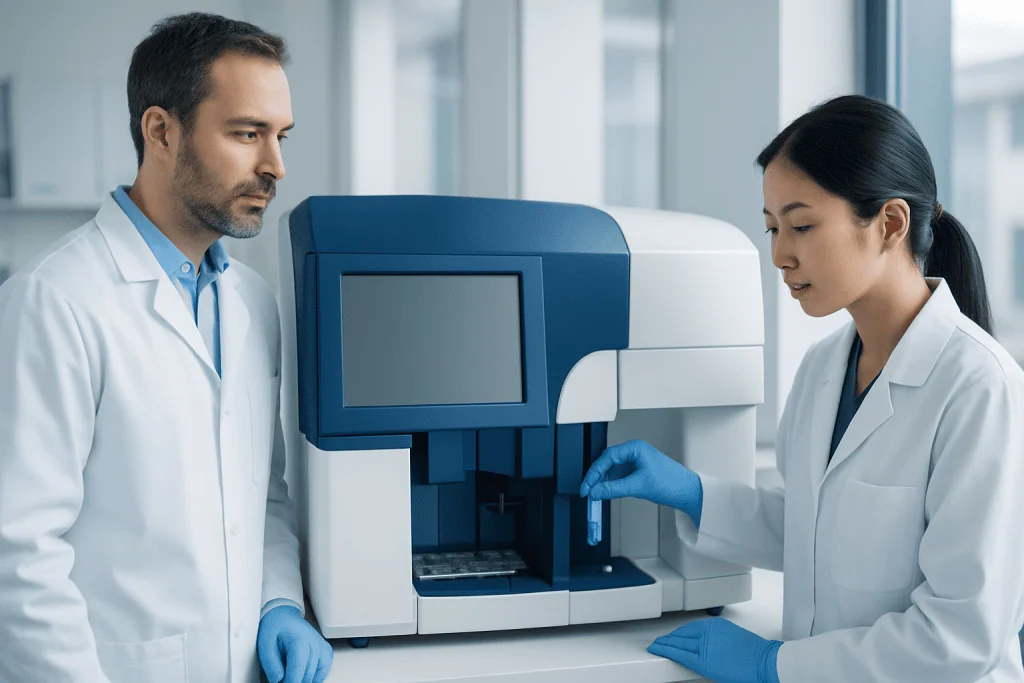
Blood tests are often the first step. A complete blood count can show whether white blood cells are low or high and whether anemia or low platelets are also present. Immunoglobulin testing measures antibody levels, and flow cytometry can identify different lymphocyte populations, including B cells. Depending on the situation, doctors may also check inflammatory markers, autoantibodies, or tests for infection.
If a blood cancer or lymphatic disorder is suspected, additional tests may be needed. These can include imaging, a lymph node biopsy, or bone marrow examination. In selected cases, molecular or genetic testing helps clarify the diagnosis and guide treatment. If imaging is needed to examine lymph nodes or internal organs, doctors may use MRI or PET-CT as part of a broader assessment.
The goal of testing is not just to count B cells, but to understand how they are behaving. A normal number does not always mean normal function, and an abnormal number does not by itself define the cause. Results are interpreted together with symptoms, examination findings, and other laboratory data.
Treatment options and ongoing care
Treatment depends entirely on why B cells are abnormal. Some people only need monitoring, especially if a mild laboratory change is found without symptoms. Others need treatment for infection, autoimmune disease, immune deficiency, or a blood cancer. The best plan is individualized and based on the underlying diagnosis rather than the B-cell count alone.
For immune deficiency related to poor antibody production, treatment may include prompt management of infections, recommended vaccines where appropriate, and sometimes immunoglobulin replacement therapy. When B cells are driving autoimmune disease, doctors may use medications that reduce inflammation or more specifically target certain immune pathways. These decisions balance symptom control with infection risk.
If a B-cell cancer is diagnosed, treatment may involve chemotherapy, immunotherapy, targeted therapy, radiation therapy, or combinations of these approaches. In selected cases, bone marrow transplantation may be considered. People with complex or advanced disease may also benefit from hematology evaluation by specialists experienced in blood and immune disorders.
Near the end of the care pathway, coordination matters. Follow-up may include repeat blood tests, imaging, infection prevention advice, and monitoring for treatment side effects. Acibadem International’s multidisciplinary specialists and JCI-accredited hospitals diagnose and treat B-cell-related conditions for international patients when specialized evaluation is needed.
Prevention, self-care, and when to seek medical care
There is no guaranteed way to prevent all B-cell disorders, because some are inherited and others develop for reasons that are not fully understood. Even so, general immune health measures are helpful. These include staying up to date with routine medical care, discussing vaccines with a doctor, getting enough sleep, eating a balanced diet, avoiding tobacco, and managing chronic conditions that can affect immunity.
People who are prone to infections should seek early treatment rather than waiting for symptoms to worsen. Good hand hygiene, dental care, and avoiding unnecessary exposure to infectious illness can also reduce risk. Those taking immune-suppressing medicines should ask their doctor which symptoms need urgent attention and whether any specific vaccines or precautions are recommended.
Medical care should be sought promptly if there are repeated or severe infections, persistent swollen lymph nodes, unexplained fevers, drenching night sweats, unusual bruising, significant fatigue, chest symptoms that do not improve, or unexplained weight loss. These signs often have non-serious causes, but they deserve professional evaluation, especially if they persist.
Anyone who has already been diagnosed with a B-cell-related condition should follow their specialist’s plan and attend regular follow-up appointments. New symptoms, treatment side effects, or changes in infection pattern should be reported to a qualified doctor without delay.
Frequently asked questions
What are B cells in simple terms?
B cells are white blood cells that help the body fight infection. They do this mainly by making antibodies and by creating immune memory so the body can respond faster the next time it encounters the same germ.
Are B cells the same as antibodies?
No. B cells are immune cells, while antibodies are proteins made by activated B cells called plasma cells. Antibodies circulate in the blood and tissues to recognize and help remove harmful targets.
Can low B cells cause frequent infections?
Yes, low B-cell numbers or poor B-cell function can lead to repeated infections, especially in the ears, sinuses, and lungs. A doctor may order blood tests to check antibody levels and how the immune system is functioning overall.
Do vaccines work through B cells?
Yes, vaccines help train B cells to recognize a germ safely. This leads to antibody production and memory B cells, which can respond more quickly if the person is exposed later.
Can B cells cause autoimmune disease?
They can contribute to autoimmune disease when they make antibodies against the body’s own tissues or help maintain inflammation. However, autoimmune diseases are complex and usually involve several parts of the immune system, not B cells alone.
When are abnormal B cells a concern for cancer?
Abnormal B cells become a cancer concern when they grow in an uncontrolled or clonal way, as in some leukemias and lymphomas. Symptoms such as persistent swollen lymph nodes, night sweats, fevers, or weight loss should be assessed by a doctor.
This article is for general information only and is not a substitute for professional medical advice. Please consult a qualified doctor about your individual situation.
Explore treatments in Turkey — costs, top hospitals & a free quote
JCI-accredited · board-certified surgeons · reply within 24h
Add us as a Preferred Source to see more of our trusted health content across Google Search, AI Overviews and Discover.

More from the Health Library

Pulsatile Tinnitus: What Patients Need to Know

Lightheadedness: A Complete Medical Overview

Medical Pedicure: An Evidence-Based Guide for Patients

Nyquil Ingredients: What Patients Need to Know

Inductive Reasoning: What Patients Need to Know