Encopresis: What Patients Need to Know

Encopresis is often caused by chronic constipation and stool retention, not laziness or bad behavior. Symptoms can include stool accidents, infrequent bowel movements, abdominal pain, and large or painful stools.
Key Takeaways
- Encopresis is often caused by chronic constipation and stool retention, not laziness or bad behavior.
- Symptoms can include stool accidents, infrequent bowel movements, abdominal pain, and large or painful stools.
- Treatment usually combines clearing retained stool, keeping stools soft, regular toilet routines, and family support.
- Punishment is not helpful; reassurance and consistency are important parts of care.
- Medical review is important if symptoms persist, cause distress, or are linked with weight loss, blood in the stool, or severe pain.
Encopresis is repeated passing of stool in clothing or other inappropriate places, most often after long-term constipation stretches the rectum and reduces the urge to go. With patient, consistent treatment, most children improve and regain normal bowel habits over time.
Overview
Encopresis is the repeated leakage or passage of stool into underwear or other inappropriate places after a child has reached an age when toilet training would usually be expected. In most cases, it happens because stool has been held in the bowel for a long time, leading to constipation. The rectum stretches, the normal urge to pass stool becomes weaker, and softer stool can leak around the blocked stool without the child fully noticing it.
This condition can be upsetting for both children and caregivers, but it is a medical issue rather than a sign of defiance. Many children feel embarrassed, avoid discussing symptoms, or seem unaware of accidents. A calm, practical approach helps protect self-esteem and supports recovery.
Encopresis is more common in childhood and often develops after painful bowel movements, stool withholding, diet changes, stress, or interruptions in toilet routines. It can overlap with chronic constipation, which is usually the main problem that needs treatment.
How Encopresis Affects the Body and Daily Life
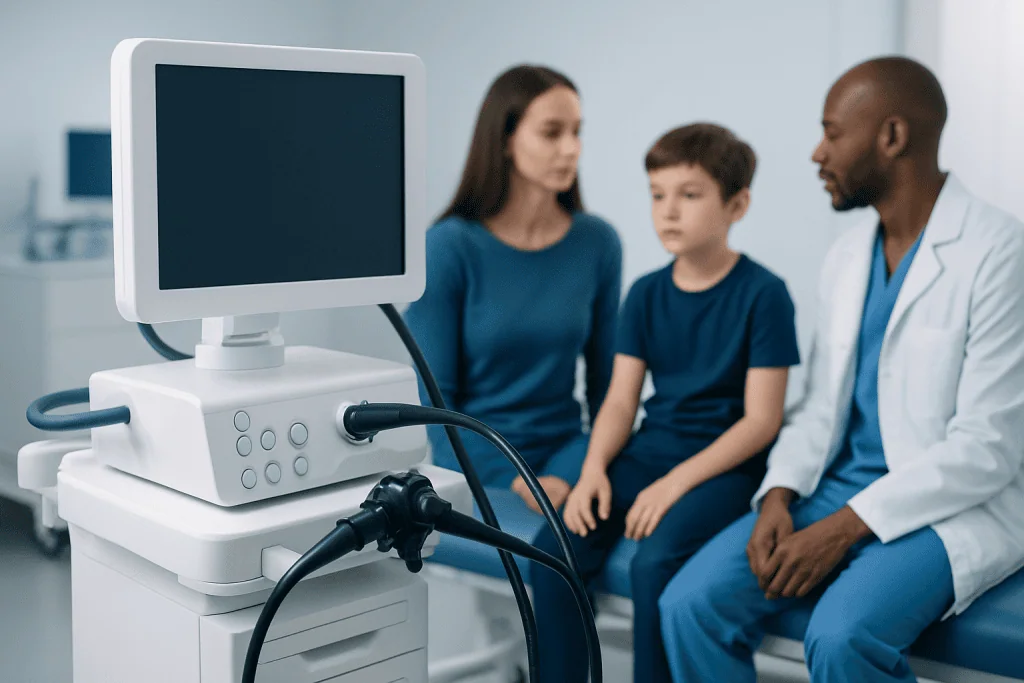
When stool stays in the colon too long, the body absorbs more water from it, making it larger, drier, and harder to pass. Over time, the rectum can become enlarged and less sensitive. This makes it harder for a child to recognize when they need to go to the toilet, and accidents may occur even when the child is trying to stay clean.
The impact is often emotional as well as physical. Children may avoid school bathrooms, sports, sleepovers, or social activities because they worry about odor or embarrassment. Parents may also feel frustrated or confused, especially if the child seems to have accidents despite being toilet trained.
Because the condition can affect confidence, family routines, and school life, treatment works best when it addresses both bowel function and emotional well-being. Support from pediatricians, gastroenterologists, nurses, and sometimes mental health professionals may be useful if symptoms have lasted a long time.
Symptoms

The main sign of encopresis is repeated stool soiling after toilet training age. Some children have small smears in underwear, while others pass larger amounts of stool. This can happen during the day and sometimes at night.
Many children also have symptoms of constipation. These may include infrequent bowel movements, passing very large stools, painful bowel movements, straining, belly pain, bloating, and poor appetite. Some children avoid sitting on the toilet, cross their legs, stand stiffly, or show other signs of stool withholding.
Other clues can include a history of painful stools, toilet avoidance, bad-smelling stool accidents, or occasional urinary symptoms because a full bowel can put pressure on the bladder. A child may appear not to notice accidents because the stretched rectum has reduced sensation.
- Repeated stool leakage or soiling
- Hard, large, or painful stools
- Fewer bowel movements than expected
- Abdominal discomfort or bloating
- Withholding behaviors, such as clenching or hiding
- Embarrassment, irritability, or avoidance of social activities
Causes and Risk Factors
The most common cause of encopresis is chronic constipation with stool retention. A child may begin withholding stool after a painful bowel movement, fear of using unfamiliar toilets, a change in routine, or stress around toilet training. Once the bowel cycle starts, the stool becomes harder, passing stool becomes even more uncomfortable, and withholding continues.
Diet and lifestyle can contribute. Low fiber intake, inadequate fluid intake, and limited physical activity may make constipation more likely. Travel, school schedules, illness, or reluctance to use public toilets can also disrupt bowel habits.
Less commonly, encopresis may be linked with developmental, emotional, or medical factors. Some children have attention, sensory, or behavioral differences that make toilet routines harder to maintain. In rare cases, doctors may look for underlying conditions affecting the bowel, nerves, or anatomy if symptoms are unusual, severe, or present from infancy.
It is important not to assume that a child is doing this on purpose. Although stress can influence bowel habits, most cases are driven by physical changes in the rectum and colon that need structured treatment and time to improve.
Diagnosis
Doctors usually diagnose encopresis by asking about bowel habits, stool consistency, toilet training history, diet, fluid intake, and any stressful events or changes in routine. They also ask whether the child has painful bowel movements, urinary symptoms, or withholding behaviors. This medical history is often the most important part of diagnosis.
A physical examination may include checking the abdomen for stool buildup and looking for signs of constipation or irritation around the anus. In selected cases, a doctor may recommend tests if there are warning signs such as poor growth, severe abdominal swelling, vomiting, blood in the stool not explained by a small tear, or symptoms that began very early in life.
Tests are not needed for every child. When they are used, they may help rule out other causes of bowel problems. If constipation is significant or symptoms are persistent, a specialist may discuss a personalized plan that can include gastroenterology evaluation and long-term follow-up.
Treatment Options
Treatment usually starts by addressing constipation. If a large amount of stool is retained, the first step may be to clear the bowel using a plan recommended by a doctor. After that, ongoing treatment focuses on preventing stool from building up again. This often involves medicines to keep stools soft, regular toilet sitting after meals, and enough time for bowel habits to normalize.
Daily routines matter. Children are often encouraged to sit on the toilet for several minutes after breakfast and dinner, when the bowel is naturally more active. A footstool can help support a better position. Positive reinforcement, such as praise or a sticker chart for sitting on the toilet, may be helpful, while punishment is usually counterproductive.
Food and fluid habits are another part of treatment. A balanced diet with enough fiber, regular meals, and good hydration supports softer stools and more predictable bowel movements. Some children also benefit from a broader review of digestive symptoms, particularly if constipation is long-standing or difficult to manage, and this may include pediatric gastroenterology care.
Recovery can take time because the stretched rectum needs time to regain normal size and sensation. Even after accidents improve, treatment often needs to continue for months to reduce the chance of relapse. In more complex situations, coordinated input from pediatric specialists and, when needed, behavioral support can help families stay on track.
Prevention and Self-care
Preventing encopresis usually means preventing constipation and supporting healthy toilet habits early. Children benefit from a regular schedule, especially toilet sitting after meals, a relaxed bathroom environment, and enough time to avoid rushing. School-aged children may need encouragement to use the toilet at school instead of holding stool until later.
Parents and caregivers can help by watching for early signs of constipation, such as infrequent stools, painful bowel movements, or withholding behaviors. Responding early may stop the cycle before accidents begin. A balanced diet, good fluid intake, and age-appropriate physical activity can all support bowel regularity.
Self-care also includes protecting a child’s confidence. Accidents should be managed matter-of-factly, without blame or shame. Clean-up routines, spare clothing, and quiet reassurance can reduce stress while treatment takes effect. If families are struggling despite these steps, medical guidance is appropriate rather than waiting for the problem to resolve on its own.
When to Seek Medical Care
Medical review is appropriate if a child has repeated stool accidents after toilet training age, ongoing constipation, painful bowel movements, or fear of using the toilet. It is also wise to seek help if symptoms interfere with school, sleep, social activities, or emotional well-being. Early treatment can prevent the bowel from becoming more stretched and less sensitive over time.
Prompt medical attention is especially important if there is severe abdominal pain, vomiting, weight loss, blood in the stool, fever, marked abdominal swelling, or urinary problems. These features can suggest complications or another condition that needs assessment.
If symptoms are persistent or complex, a multidisciplinary approach may be useful. Acibadem International offers diagnosis and treatment for international patients through multidisciplinary specialists in JCI-accredited hospitals, including support for constipation-related bowel disorders such as constipation.
Frequently asked questions
Is encopresis the same as constipation?
Not exactly. Encopresis is stool soiling, and in many children it happens because long-term constipation has stretched the rectum and reduced normal sensation. Treating the constipation is usually the main part of treating encopresis.
Can a child with encopresis control the accidents?
Often, not fully. Many children do not feel the leakage because retained stool has changed how the rectum senses fullness. This is why blame or punishment is not helpful and may make the problem harder to manage.
How long does treatment for encopresis take?
Treatment often takes weeks to months, and sometimes longer. Even after accidents improve, the bowel may need ongoing support so it can return to normal size and sensitivity. Consistency is usually more important than speed.
What foods help with encopresis?
Foods that support regular bowel movements can help, especially those with fiber such as fruits, vegetables, legumes, and whole grains, along with adequate fluids. The best diet depends on the child's age, eating habits, and any other digestive issues. A doctor or dietitian can help guide changes safely.
Should parents wake a child at night to use the toilet?
This is not usually the main strategy for encopresis. Most treatment plans focus on daytime bowel routines, soft stools, and toilet sitting after meals when the bowel is naturally active. A doctor can advise if nighttime symptoms need special attention.
When should a child see a specialist for encopresis?
A specialist may be helpful if symptoms are severe, keep returning, do not improve with treatment, or are accompanied by poor growth, significant pain, urinary problems, or unusual findings on examination. Specialist care can also help if families need support with a long-standing bowel routine.
This article is for general information only and is not a substitute for professional medical advice. Please consult a qualified doctor about your individual situation.
Persistent digestive symptoms? Get evaluated in Turkey
JCI-accredited · board-certified surgeons · reply within 24h
Add us as a Preferred Source to see more of our trusted health content across Google Search, AI Overviews and Discover.

More from the Health Library

Xenophobia: What Patients Need to Know

Moringa: What Patients Need to Know
Dysania: What Patients Need to Know

Kefir: A Complete Medical Overview

Baking soda and foot odor: A Complete Medical Guide for Patients