Moringa: What Patients Need to Know

Moringa comes from the Moringa oleifera plant and is used as leaves, powder, tea, capsules, and sometimes seed products. It contains vitamins, minerals, protein, and antioxidant compounds, but supplement quality and strength can vary.
Key Takeaways
- Moringa comes from the Moringa oleifera plant and is used as leaves, powder, tea, capsules, and sometimes seed products.
- It contains vitamins, minerals, protein, and antioxidant compounds, but supplement quality and strength can vary.
- Moringa may affect blood sugar, blood pressure, and how some medicines work.
- Pregnant people, people with chronic conditions, and anyone taking regular medication should ask a doctor before using moringa supplements.
- Food-based use is often lower risk than concentrated extracts, but safe use still depends on the person’s health history.
Moringa is a plant used in foods, teas, powders, and supplements. It may provide useful nutrients and plant compounds, but it is not a cure-all, and patients should understand its possible benefits, side effects, and medication interactions before using it regularly.
Overview: what moringa is and why people use it
Moringa usually refers to Moringa oleifera, a fast-growing plant whose leaves, pods, seeds, and powders are used in cooking and in dietary supplements. Many people take moringa because it is rich in nutrients and contains plant compounds with antioxidant activity. It is commonly sold as leaf powder, tea, capsules, tablets, and liquid extracts.
For patients, the most important point is that moringa is best understood as a food or supplement, not as a replacement for medical care. Research suggests it may support general nutrition and may have effects on blood sugar, cholesterol, or inflammation in some people, but the evidence is still developing. Results from laboratory or small human studies do not mean it will work the same way for everyone.
Moringa is often described online in very broad terms, which can be confusing. A practical approach is to separate possible benefits from proven treatment. It may be a reasonable part of a balanced diet for some adults, but people with ongoing symptoms or diagnosed conditions still need proper medical evaluation, especially when concerns involve blood sugar, blood pressure, digestion, or unexplained weight change.
Potential health benefits and nutritional value
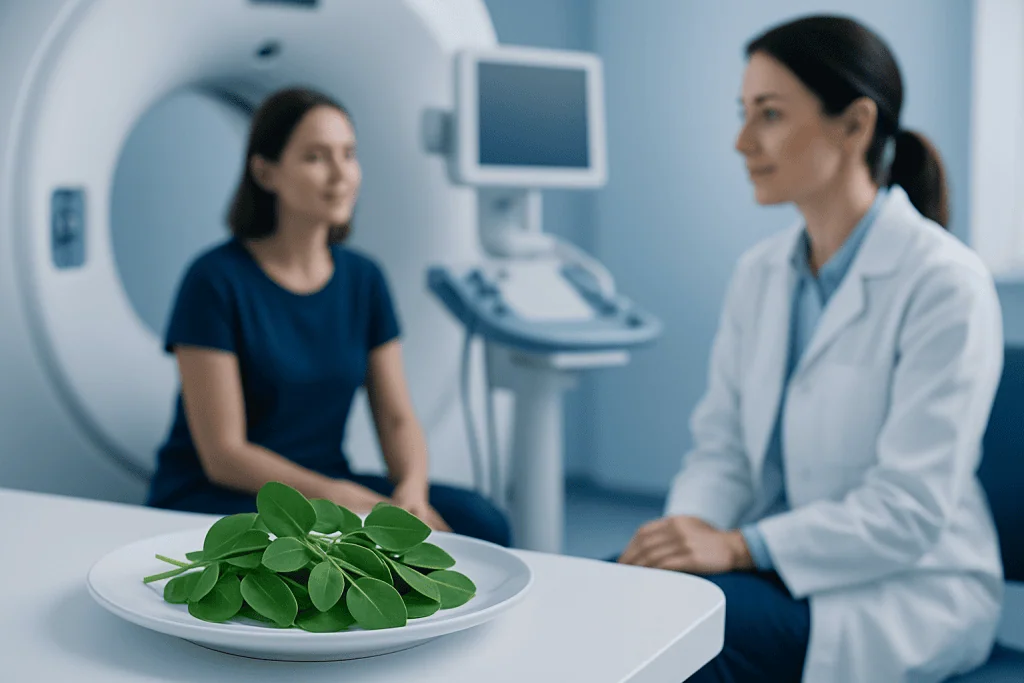
Moringa leaves contain vitamins and minerals such as vitamin A precursors, vitamin C, calcium, potassium, and iron, along with protein and fiber. The exact nutrient content depends on the part of the plant, how it is prepared, and whether it is fresh, dried, or processed into a supplement. As a food ingredient, it may help improve dietary variety and nutrient intake.
Moringa also contains plant chemicals such as polyphenols and other antioxidant compounds. These substances are being studied for their possible role in protecting cells from oxidative stress. Some early research suggests moringa may have mild anti-inflammatory or metabolic effects, but more high-quality human studies are needed before firm health claims can be made.
Some people use moringa as part of a nutrition plan when trying to support overall wellness, especially if they want a plant-based source of micronutrients. However, it should not be viewed as a stand-alone treatment for conditions such as diabetes, anemia, high cholesterol, or high blood pressure. Patients with these concerns benefit more from a full medical assessment and evidence-based care, including evaluation for related conditions such as diabetes.
- May contribute vitamins, minerals, and protein to the diet
- Contains antioxidant plant compounds
- May have modest effects on metabolic health in some studies
- Should not replace prescribed treatment or routine follow-up
How moringa is used and what forms are available

Moringa can be consumed in several forms. Fresh leaves and pods are used in cooking in some regions, while dried leaf powder is often mixed into smoothies, soups, or yogurt. Tea and capsules are also common. Seed oil may be used in foods or skincare, and seed extracts appear in some supplement products.
Food forms and concentrated extracts are not the same. Whole or minimally processed forms generally provide lower and more predictable exposure than highly concentrated products. Extracts may contain larger amounts of active compounds, which increases the chance of side effects or interactions, especially when the product is taken daily or in combination with medicines.
Supplement labels can be difficult to compare because they may list different parts of the plant or different extraction methods. The amount stated on the package does not always reflect how a product will act in the body. For this reason, patients should be cautious with multi-ingredient products marketed for detox, immunity, weight loss, or blood sugar control, because these can be harder to evaluate for safety and effectiveness.
Possible side effects, drug interactions, and who should be careful
Moringa is often tolerated when used as a food, but supplements can cause side effects in some people. Reported problems include stomach upset, nausea, diarrhea, gas, or heartburn. These effects may be more likely with larger amounts or with concentrated extracts. If digestive symptoms continue, it is sensible to stop the product and speak with a clinician, especially if a patient already has a condition such as digestive disorders.
One of the main safety concerns is interaction with medicines. Moringa may influence blood sugar or blood pressure, so it could add to the effect of diabetes or blood pressure medicines and increase the risk of levels going too low. It may also affect how the body processes some drugs. People taking medicines for thyroid disease, heart conditions, or long-term medical problems should ask a doctor or pharmacist before starting it.
Pregnant people should be especially cautious. Some parts of the moringa plant, particularly root or bark preparations, are not considered safe in pregnancy. Breastfeeding patients, children, older adults with frailty, and people with liver or kidney disease also need individualized advice. If a patient is already under care for a chronic disease, using supplements without review may complicate monitoring or treatment decisions.
- Possible side effects: nausea, diarrhea, stomach discomfort, gas
- Possible interactions: diabetes medicines, blood pressure medicines, and other long-term treatments
- Higher caution: pregnancy, breastfeeding, children, and people with chronic illness
- Best practice: review all supplements with a qualified clinician
What the evidence says about moringa for common health concerns
Patients often ask whether moringa helps with blood sugar, cholesterol, energy, weight, or immunity. At present, the evidence is mixed. Small studies suggest possible benefits in some of these areas, but the results are not strong enough to recommend moringa as a primary treatment. Differences in product quality, dose, and study design also make findings hard to compare.
For blood sugar, moringa has attracted attention because some studies suggest it may modestly improve glucose measures. However, these results do not replace a structured evaluation, lifestyle treatment, or medicines when needed. People with elevated blood sugar should not delay care, because persistent high glucose can affect many organs. If insulin resistance or diabetes is a concern, standard medical assessment remains the safest path.
For cholesterol and heart health, moringa may have favorable effects in some early research, but these findings are preliminary. Patients with high cholesterol or hypertension still need evidence-based prevention, follow-up testing, and treatment when appropriate. Depending on the overall cardiovascular picture, doctors may recommend diet changes, exercise, monitoring, or therapies such as cardiology care rather than relying on supplements alone.
Claims about cancer prevention, infection treatment, hormonal balance, or major detox effects are not supported by strong clinical evidence. Moringa should not be used instead of medical treatment for serious symptoms. If a patient has unexplained fatigue, weight loss, changes in appetite, or persistent digestive or heart-related complaints, clinical evaluation is more important than self-treatment with any supplement.
How to use moringa more safely
When moringa is used, a safety-first approach is best. Patients should choose products from reputable manufacturers that clearly state the plant part used and avoid products that make dramatic treatment claims. It is wise to introduce only one new supplement at a time so that any side effects are easier to recognize.
People generally face less uncertainty when using moringa as a food rather than as a concentrated extract. Adding a small amount of leaf powder to meals is different from taking a high-strength capsule every day. Patients should also keep in mind that supplements may vary from batch to batch and may not be appropriate before surgery or during periods of acute illness.
Anyone taking prescription medicines or living with an ongoing condition should bring the supplement container or a photo of the label to a medical appointment. This can help clinicians review ingredients, look for possible interactions, and decide whether the product fits into the overall care plan. If there are symptoms such as nausea, dizziness, fainting, or low blood sugar after use, the supplement should be stopped and the patient should seek medical advice.
When to seek medical care
Medical care is important if a patient develops side effects after taking moringa, especially severe vomiting, persistent diarrhea, signs of dehydration, dizziness, fainting, rash, or trouble breathing. Urgent assessment is also needed if someone taking diabetes or blood pressure medicine has symptoms suggesting levels may be too low, such as sweating, confusion, shakiness, weakness, or unusual sleepiness.
Patients should also seek medical care if they are using moringa to manage a symptom that has not been properly diagnosed. Ongoing fatigue, unexplained weight loss, abdominal pain, persistent bloating, changes in bowel habits, chest discomfort, or repeated high blood sugar readings need evaluation rather than supplement-based self-treatment. Depending on the concern, doctors may recommend further assessment through a comprehensive check-up or specialist review.
If a patient has a chronic condition and wants to add moringa to their routine, a planned discussion with a clinician is better than trying it alone. This is particularly true for people with metabolic disease, digestive disease, or cardiovascular risk. Acibadem International’s multidisciplinary specialists and JCI-accredited hospitals evaluate symptoms and treatment plans for international patients, including referral when concerns require endocrinology care or other specialist input.
Frequently asked questions
What is moringa used for?
Moringa is used as a food ingredient and as a dietary supplement. People often take it for general nutrition, antioxidant support, or possible effects on blood sugar and cholesterol, but it should not replace medical treatment.
Is moringa safe to take every day?
Some adults may tolerate moringa well, especially in food amounts, but daily supplement use is not automatically safe for everyone. Safety depends on the product, the amount used, underlying health conditions, and possible interactions with medicines.
Can moringa lower blood sugar?
Some early studies suggest moringa may have a modest effect on blood sugar in certain people. However, it is not a substitute for diabetes care, and combining it with diabetes medicines may increase the risk of blood sugar dropping too low.
Who should avoid moringa?
Pregnant people should avoid unsafe parts of the plant, especially root or bark preparations, unless specifically advised by a qualified clinician. People who take regular medicines, have chronic disease, are breastfeeding, or are preparing for surgery should ask a doctor before using moringa supplements.
What are the side effects of moringa?
Possible side effects include stomach upset, nausea, gas, diarrhea, or heartburn. If symptoms are severe, persistent, or accompanied by dizziness, rash, or breathing problems, medical advice is needed.
Is moringa better as a food or a supplement?
For many people, using moringa as part of food may be the lower-risk option because exposure is usually less concentrated. Supplements can be more variable and may have a greater chance of side effects or interactions.
References
- World Health Organization
- National Center for Complementary and Integrative Health
- U.S. Food and Drug Administration
- National Institutes of Health Office of Dietary Supplements
- MedlinePlus
This article is for general information only and is not a substitute for professional medical advice. Please consult a qualified doctor about your individual situation.
Explore treatments in Turkey — costs, top hospitals & a free quote
JCI-accredited · board-certified surgeons · reply within 24h
Add us as a Preferred Source to see more of our trusted health content across Google Search, AI Overviews and Discover.
Check your numbers in seconds
BMI, calories, due date, blood pressure and 30+ more clinical calculators — free, instant, doctor-reviewed ranges.