Mesomorph: A Complete Medical Overview

Mesomorph is a body-type label, not a medical diagnosis. People with mesomorph traits may gain muscle more easily, but they can still develop weight, hormone, heart, or metabolic health concerns.
Key Takeaways
- Mesomorph is a body-type label, not a medical diagnosis.
- People with mesomorph traits may gain muscle more easily, but they can still develop weight, hormone, heart, or metabolic health concerns.
- Nutrition, physical activity, sleep, stress, and family history influence health more than body type alone.
- There is no single 'mesomorph diet'; balanced eating and individualized exercise plans are most helpful.
- Unexplained weight changes, fatigue, or difficulty building or losing weight may need medical evaluation.
Mesomorph describes a body type that tends to build muscle more easily and often has a naturally athletic frame. It is a useful general description, but it does not determine health on its own, and medical, lifestyle, and genetic factors still matter most.
Overview: What Is a Mesomorph?
A mesomorph is one of the classic body-type categories, also called somatotypes. In simple terms, a person with mesomorph traits often has a medium frame, relatively broad shoulders, a naturally muscular appearance, and a tendency to gain strength or muscle more readily than some others. Many people ask whether being a mesomorph means they will always stay fit or lean; the short answer is no. Body type may influence how the body tends to look and respond to training, but overall health still depends on nutrition, movement, sleep, hormones, stress, age, and medical history.
Somatotypes are usually described as ectomorph, mesomorph, and endomorph. These categories can be helpful as broad physical descriptions, but most people do not fit perfectly into only one group. Many have mixed traits, and body composition can change over time with aging, pregnancy, illness, training, medication use, and lifestyle patterns.
From a medical perspective, mesomorph is not a diagnosis, test result, or disease. It should not be used to predict a person’s health status on its own. Someone with a mesomorphic build may still develop high blood pressure, insulin resistance, joint problems, or obesity, while someone without classic mesomorph traits may be very fit and metabolically healthy.
Common Physical Traits and What They Mean
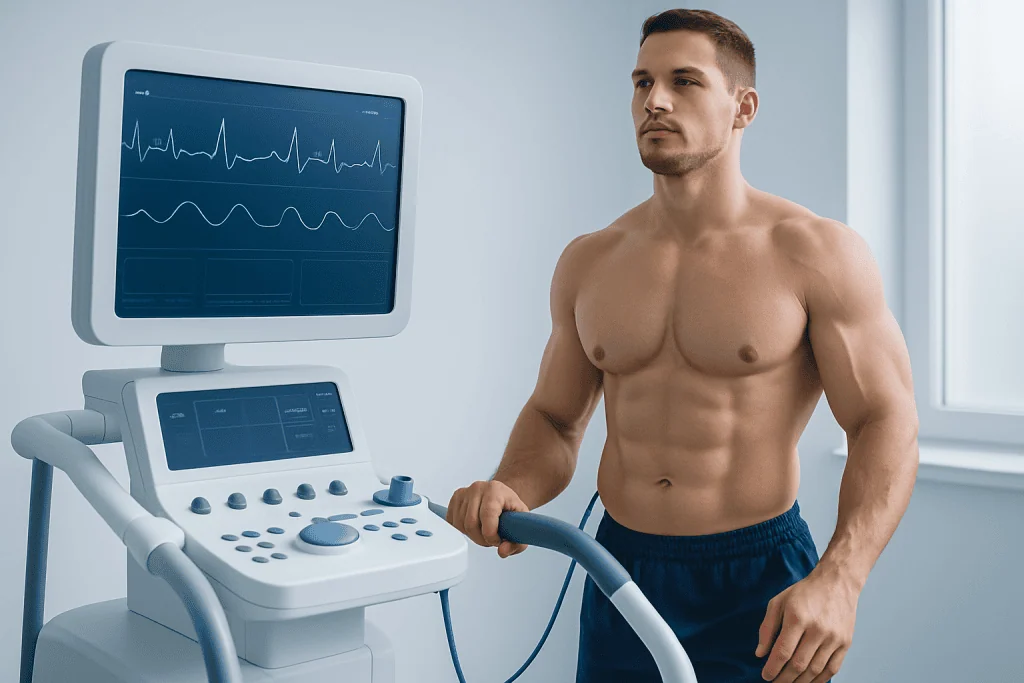
People described as mesomorphs are often said to have a sturdy, athletic build, more visible muscle mass, and a balanced distribution of body weight. They may notice that they respond well to resistance training and can maintain muscle with regular activity. Some also find that they gain body fat less quickly than people with other body-type patterns, although this varies widely.
These visible traits do not always reflect internal health. For example, a person may look strong and lean but still have elevated cholesterol, poor sleep, high stress, or reduced cardiovascular fitness. In the same way, a person with a softer body shape may still have excellent endurance, healthy blood sugar, and strong overall well-being.
Body type also does not define sex, age, or athletic ability. Adolescents, adults, and older adults can all show mesomorphic features, but the body changes throughout life. Muscle mass tends to decline with age if it is not supported by exercise and adequate protein intake, and hormonal shifts can affect where fat is stored and how easily muscle is maintained.
- Typical mesomorph traits may include a medium bone structure, broader shoulders, and easier muscle development.
- Some people have mixed features, such as mesomorph-endomorph or mesomorph-ectomorph patterns.
- Physical appearance alone cannot diagnose metabolic, hormonal, or cardiovascular health.
How Body Type Relates to Metabolism and Weight

Many popular articles suggest that mesomorphs have a naturally “fast metabolism,” but real metabolism is more complex. Energy use depends on several factors, including body size, muscle mass, age, sex, hormone levels, thyroid function, activity level, and genetics. A person with more muscle mass often burns slightly more energy at rest than a person with less muscle, but this does not make them immune to weight gain.
Weight changes happen when calorie intake, energy use, sleep quality, medications, and medical conditions interact over time. Even someone with a mesomorphic build can gain excess body fat if they become less active, sleep poorly, eat highly processed foods often, or develop conditions that affect metabolism. In some cases, persistent difficulty with weight may relate to obesity or to hormone and metabolic conditions such as metabolic syndrome.
It is also important to distinguish between body weight and body composition. Two people can weigh the same but have very different amounts of muscle and body fat. For this reason, health professionals may consider waist circumference, blood pressure, blood sugar, cholesterol levels, and lifestyle habits alongside body weight and appearance.
Nutrition for a Mesomorph Body Type
There is no medically proven single “mesomorph diet.” The best eating pattern for a mesomorph is usually the same one recommended for most adults: balanced, sustainable, and matched to health goals, activity level, and medical needs. This means focusing on vegetables, fruits, whole grains, legumes, nuts, healthy fats, and regular sources of protein while limiting highly processed foods, sugary drinks, and excess alcohol.
Protein can support muscle maintenance and recovery, especially for people who exercise regularly. Complex carbohydrates can provide energy for training and daily activity, while healthy fats support hormones and overall health. However, exact proportions should be individualized. Someone trying to build muscle, manage diabetes, lower cholesterol, or lose body fat may need different guidance from a clinician or dietitian.
Meal timing is often less important than total eating quality and consistency. Extreme restriction, “cheat day” patterns, or highly rigid plans may be hard to maintain and can lead to overeating later. If a person wants structured support for healthy body composition, medical nutrition counseling and supervised diet and nutrition planning can be helpful.
- Choose whole, minimally processed foods most of the time.
- Include protein at regular meals to support muscle health.
- Use portion awareness rather than severe restriction.
- Adjust eating patterns based on age, activity, and medical conditions.
Exercise and Fitness Considerations
Mesomorphs often respond well to a combination of resistance training and cardiovascular activity. Strength training helps preserve and build muscle, supports bone health, and can improve insulin sensitivity. Aerobic exercise supports heart and lung health, endurance, mood, and weight management. Flexibility and mobility work can also reduce stiffness and improve movement quality.
A common mistake is assuming that a naturally muscular build is enough protection from health problems. Sedentary habits can still raise the risk of high blood pressure, poor cardiovascular fitness, and weight gain. A balanced plan usually includes weekly movement spread across several days rather than intense exercise only once in a while.
Exercise should match the individual’s baseline fitness, medical history, and any joint or spine concerns. People with pain, recent injury, severe fatigue, chest symptoms, or chronic disease may need medical clearance before starting a demanding program. For those who are carrying excess weight or related health risks, a broader weight loss treatment plan may be more appropriate than relying on body type assumptions alone.
Limits of the Mesomorph Concept in Medicine
Although somatotypes are widely used in fitness culture, they have limits in modern medicine. They can oversimplify the many factors that shape a person’s health, including genetics, ethnicity, endocrine function, medications, sleep, mental health, socioeconomic factors, and access to nutritious food and exercise opportunities. A label like mesomorph can describe tendencies, but it cannot replace a full clinical assessment.
Some people may also feel discouraged if they do not match the body shape they believe they “should” have. Others may assume they do not need preventive care because they appear athletic. Both views can be misleading. Preventive screening, healthy habits, and appropriate follow-up matter for everyone, regardless of body type.
If concerns involve unexplained body changes, low energy, abnormal hunger, menstrual irregularities, reduced libido, or rapid fat gain or muscle loss, a doctor may look beyond body type for underlying causes. These can include thyroid disease, diabetes, sleep disorders, medication effects, nutritional deficiencies, or hormonal conditions. In selected cases, evaluation by specialists in endocrinology and metabolism may be useful.
Prevention, Self-Care, and Building Healthy Habits
The most useful approach for a mesomorph body type is not trying to “eat for a label,” but building habits that protect long-term health. Regular exercise, balanced meals, enough sleep, and stress management help maintain muscle, support a healthy weight, and reduce the risk of chronic disease. Hydration, limiting tobacco, and moderating alcohol are also important.
Self-monitoring can be practical when done gently. People may track strength, stamina, waist size, sleep quality, mood, or energy rather than focusing only on the scale. This broader view often gives a more accurate picture of health than body weight alone. If a person wants to improve body composition, gradual changes are usually safer and more sustainable than extreme diets or overtraining.
Routine health checks remain important even for people who appear fit. Blood pressure measurement, cholesterol testing, blood sugar screening, and review of family history can detect concerns early. Near the end of a care journey, some patients also benefit from coordinated support across nutrition, internal medicine, and rehabilitation. Acibadem International’s multidisciplinary specialists and JCI-accredited hospitals diagnose and manage metabolic, endocrine, and weight-related concerns for international patients when further evaluation is needed.
When to Seek Medical Care
A person should consider medical evaluation if body changes seem sudden, unexplained, or out of proportion to diet and activity. Warning signs include rapid weight gain or loss, unusual fatigue, reduced exercise tolerance, new shortness of breath, chest discomfort, persistent swelling, or noticeable muscle loss. These symptoms may reflect a medical issue rather than a simple body-type variation.
It is also reasonable to seek advice if efforts with diet and exercise are not producing expected results, especially when there is a family history of diabetes, heart disease, thyroid problems, or obesity. A doctor can review medications, sleep quality, stress, hormone symptoms, and metabolic risk factors and may recommend testing when appropriate.
Urgent care is important for severe chest pain, fainting, major breathing difficulty, signs of dehydration, or sudden weakness. For non-urgent concerns, a primary care doctor, endocrinologist, dietitian, or exercise medicine professional can help create a safe and personalized plan.
Frequently asked questions
Is mesomorph a medical diagnosis?
No. Mesomorph is a descriptive body-type term, not a disease, diagnosis, or laboratory finding. It may describe general physical tendencies, but it does not define a person’s overall health.
Can a mesomorph still gain weight?
Yes. Even people with mesomorphic traits can gain body fat if calorie intake, activity level, sleep, stress, or medical conditions change over time. Body type may influence tendencies, but it does not prevent weight gain.
Do mesomorphs need a special diet?
Usually not. Most mesomorphs benefit from the same balanced eating pattern recommended for general health, with adjustments based on activity, goals, and medical conditions. A dietitian can help personalize the plan if needed.
Are mesomorphs naturally healthier than other body types?
Not necessarily. A muscular or athletic appearance does not guarantee healthy blood pressure, cholesterol, blood sugar, or heart fitness. Preventive care and healthy habits matter more than body-type labels.
Can someone be partly mesomorph and partly another body type?
Yes. Many people have mixed traits rather than fitting neatly into one category. Body shape and composition also change across life with age, training, hormones, illness, and lifestyle.
When should someone talk to a doctor about body composition or metabolism?
A doctor should be consulted for unexplained weight changes, ongoing fatigue, major difficulty gaining or losing weight, or symptoms such as palpitations, menstrual changes, or muscle loss. Medical review is also helpful when there is a strong family history of diabetes, thyroid disease, or heart disease.
This article is for general information only and is not a substitute for professional medical advice. Please consult a qualified doctor about your individual situation.
Explore treatments in Turkey — costs, top hospitals & a free quote
JCI-accredited · board-certified surgeons · reply within 24h
Add us as a Preferred Source to see more of our trusted health content across Google Search, AI Overviews and Discover.
Check your numbers in seconds
BMI, calories, due date, blood pressure and 30+ more clinical calculators — free, instant, doctor-reviewed ranges.

More from the Health Library

Hdaic: A Complete Medical Guide — Function, Normal Levels, and Health Implications

Hydrafacial Machine: A Complete Medical Overview

103 Fever — Explained by Medical Evidence, Not Myths

Patches of Goosebumps on Arm — Explained by Medical Evidence, Not Myths

Enterococcus Faecalis: A Complete Medical Overview