103 Fever — Explained by Medical Evidence, Not Myths

A 103 fever is high, but the seriousness depends on age, symptoms, overall health, and the cause. Infections are the most common reason for a 103 fever, though inflammatory conditions and heat-related illness can also contribute.
Key Takeaways
- A 103 fever is high, but the seriousness depends on age, symptoms, overall health, and the cause.
- Infections are the most common reason for a 103 fever, though inflammatory conditions and heat-related illness can also contribute.
- Hydration, rest, and careful temperature monitoring are important first steps.
- Infants, older adults, pregnant people, and those with weakened immune systems may need medical advice sooner.
- Emergency care is needed if a high fever comes with trouble breathing, confusion, seizure, severe dehydration, or a stiff neck.
A 103 fever means a body temperature of about 103°F (39.4°C), which is considered high and usually reflects the body's response to infection or inflammation. In many cases it improves with rest, fluids, and appropriate fever care, but certain symptoms, age groups, and medical conditions mean prompt medical assessment is important.
What a 103 Fever Means
A 103 fever means the body temperature has reached about 103°F, or 39.4°C. This is considered a high fever. In many people, it is a sign that the immune system is actively responding to an infection, such as a virus or bacteria. Fever itself is not a disease; it is a symptom that points to an underlying cause.
What matters most is not the number alone, but the whole clinical picture. Some people with a 103 fever may still be alert, drinking fluids, and improving with home care. Others may feel very unwell or develop warning signs such as confusion, difficulty breathing, persistent vomiting, or severe weakness. Age also matters: babies, frail older adults, and people with chronic disease may be affected more quickly.
Temperature readings can vary based on how they are taken. Oral, ear, forehead, and rectal thermometers may give slightly different results. A reliable digital thermometer and correct technique help provide the most accurate reading, especially when deciding whether medical advice is needed.
Why Fever Happens in the Body
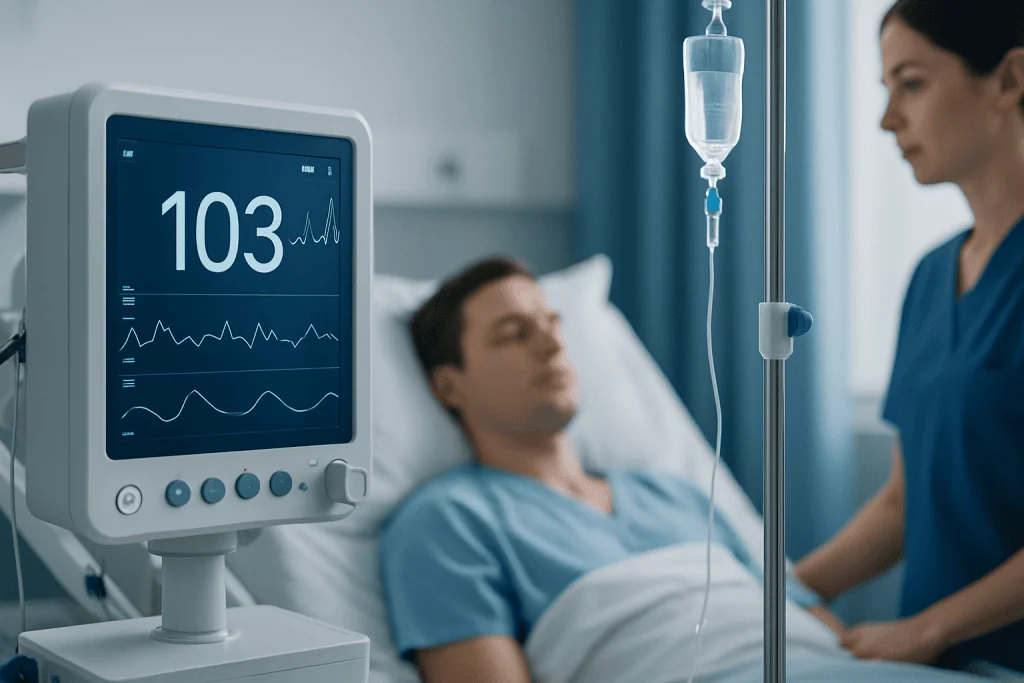
Fever is part of the body’s natural defense system. When the immune system detects an infection or inflammation, it releases chemical signals that raise the body’s temperature set point. This can make a person feel cold, shivery, or achy at first, even though their body temperature is increasing.
A higher temperature may help the body slow the growth of some germs and support immune activity. That is why fever can occur with common illnesses such as colds, flu, stomach infections, throat infections, or pneumonia. Fever can also happen with noninfectious conditions, including some inflammatory diseases, heat-related illness, or reactions to certain medicines.
Because fever is a body response rather than a diagnosis, the key question is what is causing it. A 103 fever that lasts longer than expected, keeps returning, or appears with specific symptoms should be medically assessed to look for the source.
Common Causes and Risk Factors

The most common cause of a 103 fever is infection. Viral illnesses such as influenza, COVID-19, or other respiratory infections can cause high temperatures, as can bacterial infections such as strep throat, sinus infection, urinary tract infection, ear infection, or pneumonia. Gastrointestinal infections may also trigger fever, especially when vomiting or diarrhea lead to dehydration.
Other possible causes include inflammatory or autoimmune conditions, heat exhaustion or heat stroke, recent immunization, and adverse reactions to some medications. In children, fever may rise quickly with viral illnesses. In adults, the same temperature may feel more significant if it is accompanied by chest pain, worsening cough, mental status changes, or poor fluid intake.
Certain factors increase the need for caution. These include very young age, older age, pregnancy, cancer treatment, organ transplantation, steroid or immunosuppressive medicine use, and chronic conditions affecting the lungs, heart, or kidneys. People with these risk factors should not rely only on the thermometer reading; the cause and their overall condition are especially important.
- Common triggers: viral infections, bacterial infections, dehydration, inflammatory illnesses
- Higher-risk groups: infants, older adults, pregnant people, and immunocompromised patients
- Concerning patterns: fever lasting several days, repeated spikes, or fever with severe symptoms
Symptoms That May Accompany a 103 Fever
A 103 fever often comes with chills, sweating, headache, muscle aches, fatigue, loss of appetite, and a general feeling of being unwell. Depending on the cause, there may also be cough, sore throat, nasal congestion, ear pain, abdominal pain, vomiting, diarrhea, painful urination, or rash. These associated symptoms often give clues about where the problem is coming from.
Some symptoms suggest the fever may be more serious. These include severe shortness of breath, bluish lips, chest pain, marked drowsiness, confusion, seizure, a new stiff neck, inability to keep fluids down, or signs of dehydration such as dizziness, dark urine, or very little urination. A rash that spreads quickly or does not fade with pressure also needs prompt medical evaluation.
In children, behavior can be as important as the temperature number. Poor feeding, unusual sleepiness, inconsolable crying, difficulty waking, or breathing distress are concerning. A child who is playing, making eye contact, and drinking some fluids may be less concerning than one with a lower fever who appears weak or unresponsive.
How a 103 Fever Is Evaluated
Doctors assess a 103 fever by looking at the pattern of the fever, the symptoms around it, and the person’s medical history. They usually ask when the fever started, how it was measured, whether it responds to fever-reducing medicine, and what other symptoms are present. Travel, sick contacts, recent procedures, new medications, and immune status can all help narrow the cause.
The physical examination focuses on possible infection sources such as the throat, ears, lungs, abdomen, skin, and urinary tract. If needed, tests may include blood work, urine testing, throat swabs, or imaging such as MRI or CT scan when symptoms suggest a deeper infection or another complication. Chest imaging may be used if there is persistent cough, low oxygen levels, or concern for pneumonia.
The goal is not simply to lower the temperature, but to identify and treat the cause. For example, a viral illness may mainly need fluids, rest, and symptom relief, while a bacterial infection may require prescription treatment. In complex cases, hospital-based assessment may be needed, especially if dehydration, breathing problems, or severe weakness are present.
Treatment and Supportive Care
Treatment depends on what is causing the fever. Many fevers caused by viral infections improve with rest, fluids, light clothing, and a comfortable room temperature. Over-the-counter fever-reducing medications may help reduce discomfort, body aches, and headache, but they do not treat the underlying illness itself. It is important to use these medicines exactly as directed and to seek professional advice for children, pregnancy, liver disease, or other special situations.
Hydration is especially important. Fever increases fluid loss through sweating and can make dehydration more likely, especially if vomiting or diarrhea is present. Small, frequent sips of water, oral rehydration solutions, soup, or other tolerated fluids can help. Food is usually less urgent than fluids in the early stage of an illness, although light meals may be helpful when appetite returns.
If the cause is bacterial, treatment may include antibiotic treatment prescribed after medical evaluation. Some people may also need IV fluid therapy if they cannot drink enough or become dehydrated. Near the end of the care pathway, some international patients choose multidisciplinary assessment at Acibadem International, where JCI-accredited hospitals diagnose and treat fever-related illnesses based on the underlying cause.
What to Do at Home and What to Avoid
At home, the priority is to monitor the person rather than focusing only on the number. Recheck the temperature at reasonable intervals, encourage fluids, and note whether symptoms are improving or worsening. Rest is helpful, but it is also useful to observe alertness, breathing, urine output, and whether the person can drink and interact normally.
Lukewarm comfort measures may help, but ice baths, very cold showers, or heavy bundling are not recommended. These can increase discomfort and may even make chills worse. Alcohol rubs should also be avoided. If a person is sleeping comfortably, it is usually more helpful to let them rest than to repeatedly wake them only to check the temperature.
Good hygiene can reduce spread if the fever is due to an infection. Handwashing, covering coughs, and limiting close contact with others are sensible measures. If there are symptoms that could suggest a contagious respiratory illness, following local public health guidance and seeking medical advice as needed is appropriate.
When to Seek Medical Care
Medical advice should be sought promptly for a 103 fever in infants, in anyone with a weakened immune system, or when the fever lasts more than a few days or keeps returning. A person should also contact a doctor if there is significant pain, worsening cough, trouble urinating, persistent vomiting, or concern for dehydration. The decision is based on the overall condition, not just the thermometer reading.
Emergency care is needed if a 103 fever occurs with difficulty breathing, chest pain, seizure, severe confusion, fainting, a stiff neck, severe headache, blue lips, inability to wake the person properly, or signs of severe dehydration. In children, emergency assessment is important if there is breathing distress, limpness, poor responsiveness, or a seizure. These symptoms may indicate a serious infection or another urgent condition.
If the fever is high but the person is stable, drinking fluids, and gradually improving, same-day or next-day medical advice may be enough. When in doubt, especially for babies, older adults, or people with significant medical conditions, consulting a qualified doctor is the safest step.
Frequently asked questions
Is a 103 fever always dangerous?
Not always. A 103 fever is high, but the level of concern depends on the person's age, symptoms, medical history, and the cause of the fever. A person who is alert, drinking fluids, and improving may be less concerning than someone with confusion, breathing problems, or dehydration.
Should a 103 fever be treated right away?
The main goal is to support comfort, hydration, and monitoring while considering the underlying cause. Fever-reducing medicine may help if the person feels miserable or has body aches, but treatment decisions should follow label instructions and medical advice when needed. The cause of the fever matters more than the number alone.
When should a child with a 103 fever see a doctor?
A child should be medically assessed sooner if they are very young, have trouble breathing, seem unusually sleepy, are not drinking, or have a seizure, rash, or stiff neck. Behavior is important: a child who is difficult to wake or not interacting normally needs prompt attention. Parents should also seek advice if the fever lasts more than a few days or they are worried.
Can a viral infection cause a 103 fever?
Yes. Viral illnesses such as influenza, COVID-19, and other respiratory or stomach infections can cause a 103 fever. However, bacterial infections can also cause high fever, so medical evaluation may be needed if symptoms are severe, persistent, or unusual.
What should someone drink with a 103 fever?
Water, oral rehydration solutions, broth, and other tolerated fluids are usually good options. Small, frequent sips may be easier if nausea is present. Avoiding dehydration is especially important if sweating, vomiting, or diarrhea is occurring.
Can dehydration make a fever worse?
Dehydration does not usually cause infection-related fever, but it can make a person feel much worse and increase the risk of weakness, dizziness, and rapid heart rate. Fever also increases fluid loss, so dehydration can develop quickly. That is why fluid intake and urine output are important to watch.
References
- Centers for Disease Control and Prevention
- American Academy of Pediatrics
- National Health Service
- Mayo Clinic
- World Health Organization
This article is for general information only and is not a substitute for professional medical advice. Please consult a qualified doctor about your individual situation.
Explore treatments in Turkey — costs, top hospitals & a free quote
JCI-accredited · board-certified surgeons · reply within 24h
Add us as a Preferred Source to see more of our trusted health content across Google Search, AI Overviews and Discover.