Pain Patches Explained: Common Triggers and Red Flags

Pain patches describe a small, localized area of pain, burning, tenderness, or sensitivity. Common triggers include muscle strain, pressure, minor injury, skin irritation, and nerve-related conditions.
Key Takeaways
- Pain patches describe a small, localized area of pain, burning, tenderness, or sensitivity.
- Common triggers include muscle strain, pressure, minor injury, skin irritation, and nerve-related conditions.
- A painful patch with rash, fever, swelling, numbness, or worsening pain should be medically assessed.
- Diagnosis depends on the pattern of pain, skin changes, medical history, and sometimes imaging or lab tests.
- Treatment focuses on the cause and may include rest, skin care, pain relief, or treatment for infection or nerve pain.
Pain patches are localized areas of pain or tenderness that may come from the skin, muscles, or nerves beneath it. Many causes are minor and short-lived, but a painful patch can sometimes signal infection, nerve inflammation, or another condition that needs medical attention.
Overview: what pain patches usually mean
Pain patches are localized areas where a person feels pain, burning, soreness, tenderness, or unusual sensitivity. The discomfort may seem to come from the skin itself, from muscles and joints underneath, or from irritated nerves. In many cases, pain patches are linked to a temporary problem such as a strained muscle, pressure on a body part, or mild skin irritation.
At the same time, the term is broad rather than being a diagnosis on its own. A painful patch can look completely normal, or it may come with redness, a rash, swelling, numbness, tingling, or warmth. The pattern matters: a pain patch that appears after exercise is different from one that burns, follows a band-like path, or comes before a blistering rash.
Because several body systems can cause localized pain, it helps to think of pain patches in three groups: skin-related, muscle or soft-tissue related, and nerve-related. This approach often makes the symptom easier to understand and easier for a doctor to assess if it does not settle quickly.
How pain patches can feel
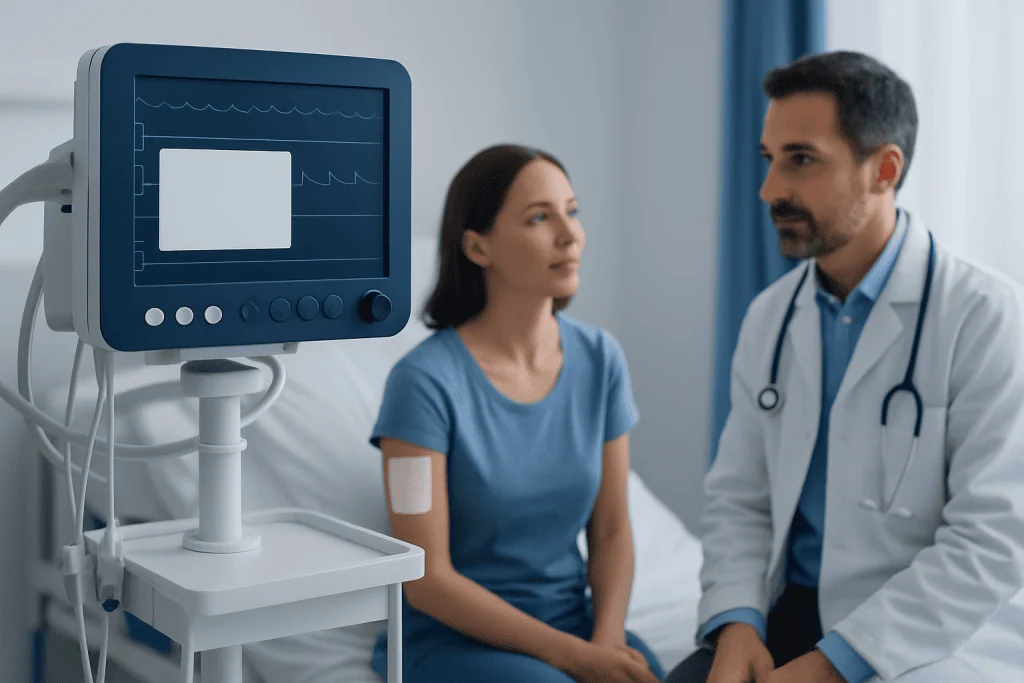
People describe pain patches in different ways. Some feel a sore spot that hurts when touched. Others notice burning, stinging, itching with pain, electric-shock sensations, deep aching, or skin that feels overly sensitive to clothing or light contact. The size may range from a small coin-shaped area to a larger band or patch on the chest, back, arm, leg, or scalp.
The exact sensation can offer clues. Surface tenderness may suggest irritation of the skin or tissues near it. A deep aching patch may be more consistent with muscle strain or inflammation. Burning, tingling, shooting pain, or pain with very light touch can point toward nerve involvement.
Associated symptoms are also important. A rash may suggest eczema, dermatitis, or shingles. Swelling and warmth may suggest inflammation or infection. Weakness, persistent numbness, or pain spreading beyond the original patch can indicate a deeper problem that deserves medical evaluation.
- Common descriptions include tenderness, burning, stinging, aching, and hypersensitivity.
- Pain may be constant or triggered by touch, movement, pressure, or clothing.
- Visible skin changes are helpful clues, but some nerve-related pain patches appear before any rash or may have no external sign at all.
Common triggers and possible causes

Many pain patches come from everyday causes. Minor injuries, sleeping in an awkward position, repetitive activity, exercise-related strain, or carrying a heavy bag can irritate muscles and soft tissues and create a tender spot. Friction from tight clothing, adhesive products, shaving, sun exposure, or mild contact reactions can also make a patch of skin feel sore or raw.
Nerve-related causes are another important group. A compressed or irritated nerve can cause a localized area of burning or electric pain. Shingles may begin as pain, tingling, or skin sensitivity before a rash appears, especially on one side of the body. In some people, longer-lasting nerve pain can continue after shingles, which is why persistent burning pain should not be ignored. Readers interested in this condition may also want to learn about shingles.
Inflammation and infection can also produce pain patches. Examples include inflamed hair follicles, cellulitis, insect bites, or skin infections. Less commonly, a painful patch may be linked to referred pain from a deeper structure such as the spine, ribs, or internal organs. For example, chest wall strain can create a sore area, while some nerve-root problems in the neck or back can create patchy pain on the trunk or limbs.
Other possibilities include fibromyalgia tender points, migraine-associated scalp tenderness, and conditions that increase nerve sensitivity such as diabetes or vitamin deficiencies. Because the range is broad, persistent or unusual pain patches are best interpreted in the context of a person’s full symptoms and medical history.
Risk factors and patterns that help narrow it down
Certain patterns make one cause more likely than another. Pain after exercise, lifting, prolonged sitting, or pressure on the area often points toward muscle or soft-tissue strain. Pain that follows a narrow stripe or one-sided band can suggest a nerve-related process. A painful patch with itching, scaling, or a clear trigger such as a new soap or adhesive may fit with skin irritation or dermatitis.
Medical history also matters. People with diabetes, prior shingles, spinal problems, autoimmune disease, or reduced immunity may be more prone to nerve pain, infection, or inflammatory causes. Older adults are at higher risk of shingles and some persistent pain syndromes. Stress, poor sleep, and anxiety can heighten pain perception, although they should not be assumed to be the sole cause without a proper assessment.
The body location can be informative as well. A painful patch on the scalp may be linked to skin inflammation, headache conditions, or nerve irritation. One on the chest or upper back may come from strain, shingles, or rib-area nerve irritation. A patch on the thigh or arm may relate to pressure, overuse, or a pinched nerve coming from the spine. If nerve compression is suspected, evaluation may include spine care and surgical assessment when appropriate.
How doctors diagnose pain patches
Diagnosis starts with a careful description of the symptom. A doctor will usually ask when the patch began, whether the pain is sharp or burning, if touch makes it worse, and whether there are triggers such as injury, exercise, recent illness, new skin products, or stress. They will also ask about fever, rash, weakness, numbness, joint pain, or previous episodes.
The physical examination often focuses on the skin, muscles, nerves, and nearby joints. The doctor may check for redness, swelling, blisters, tenderness, muscle spasm, strength changes, altered sensation, or signs of a compressed nerve. In many cases, this is enough to identify a likely cause and begin treatment.
If the diagnosis is unclear or symptoms are persistent, further tests may be advised. These can include blood tests to look for infection or inflammation, swabs or skin assessment for a rash, and imaging when a deeper cause is suspected. In selected cases, doctors may request MRI to evaluate nerves, muscles, or the spine, or CT imaging if there is concern about structural problems in the chest, abdomen, or other areas. A dermatology, neurology, or pain specialist opinion may also be helpful.
Treatment options and self-care
Treatment depends on the cause rather than on the symptom name alone. For minor strain, pressure-related soreness, or mild skin irritation, initial care often includes rest, avoiding the trigger, gentle movement, and protecting the area from further friction. Cool or warm compresses may help, depending on what feels most comfortable. If the skin is irritated, bland moisturizers and avoidance of scented or harsh products can be useful.
When the pain patch is related to infection, shingles, or another inflammatory condition, treatment may need prescription medicines from a doctor. Nerve-related pain may require a different approach from muscle pain, so self-treatment is not always enough if symptoms persist. If there is an obvious rash, spreading redness, or marked tenderness, an examination is important before using topical products that could worsen irritation.
People should also pay attention to the broader pattern of health. Good sleep, hydration, posture, stress management, and regular movement can reduce some recurring muscle-related or sensitivity-related pain. Ongoing, unexplained pain patches should be reviewed by a clinician rather than repeatedly masked with over-the-counter products.
For international patients with complex or persistent symptoms, Acibadem International’s multidisciplinary specialists in JCI-accredited hospitals evaluate and treat skin, nerve, and musculoskeletal causes using coordinated diagnostic care.
When to seek medical care
Medical care is recommended if a pain patch lasts more than a few days without a clear explanation, keeps coming back, or becomes more intense. A same-day or urgent review is sensible when pain is severe, located on the face or near the eye, or accompanied by a new blistering rash, especially if shingles is a concern.
It is also important to seek care if the area becomes red, hot, swollen, or tender in a way that suggests infection, or if there is fever, drainage, or rapidly spreading skin change. Numbness, weakness, pain after significant injury, chest pain, shortness of breath, or pain associated with bowel or bladder changes should not be ignored.
- Seek prompt medical advice for one-sided burning pain followed by a rash.
- Arrange assessment for persistent pain with numbness, tingling, or weakness.
- Get urgent help for severe chest pain, trouble breathing, or rapidly spreading redness and swelling.
Although many pain patches are harmless and improve with simple measures, the safest approach is to have persistent or unusual symptoms assessed by a qualified doctor who can identify the cause and guide treatment.
Frequently asked questions
Are pain patches the same as a skin rash?
No. A pain patch refers to a localized painful area, and the skin may look normal or may show redness, blisters, scaling, or swelling. Some causes are mainly skin-related, while others come from muscles or nerves underneath the skin.
Can pain patches happen without any visible mark?
Yes. Nerve irritation, muscle strain, and some early infections can cause a painful patch before anything is visible on the skin. This is one reason the pattern of pain and any associated symptoms are important.
Could a burning pain patch be shingles?
It could be, especially if the pain is one-sided and is followed by a blistering rash. Shingles often starts with burning, tingling, or sensitivity before the rash appears, so early medical advice is helpful.
How long should a pain patch last before seeing a doctor?
If it does not clearly improve within a few days, keeps returning, or is getting worse, it is reasonable to seek medical care. Earlier review is important if there is rash, fever, weakness, numbness, or significant swelling.
What is the difference between muscle pain and nerve pain in a patch?
Muscle pain is often sore, aching, or tender with movement or pressure. Nerve pain is more likely to burn, sting, shoot, tingle, or feel unusually sensitive to light touch.
Can stress cause pain patches?
Stress can increase muscle tension and make the nervous system more sensitive to pain, which may contribute to localized symptoms. However, stress should not be assumed to be the only cause, especially if the pain is new, severe, or persistent.
References
- American Academy of Dermatology
- Centers for Disease Control and Prevention
- National Institute of Neurological Disorders and Stroke
- National Health Service
- Mayo Clinic
This article is for general information only and is not a substitute for professional medical advice. Please consult a qualified doctor about your individual situation.
Joint and spine care in Turkey — expert assessment & treatment
JCI-accredited · board-certified surgeons · reply within 24h
Add us as a Preferred Source to see more of our trusted health content across Google Search, AI Overviews and Discover.