Swollen Lymph Nodes in Groin: Common Causes, Related Conditions, and When to See a Doctor

Groin lymph nodes can enlarge when they are responding to infection, inflammation, or injury in the legs, genitals, lower abdomen, or pelvic area. Tender, mobile nodes are often related to short-term infections, while hard, fixed, or persistent lumps need medical assessment.
Key Takeaways
- Groin lymph nodes can enlarge when they are responding to infection, inflammation, or injury in the legs, genitals, lower abdomen, or pelvic area.
- Tender, mobile nodes are often related to short-term infections, while hard, fixed, or persistent lumps need medical assessment.
- Doctors diagnose the cause by reviewing symptoms, examining the groin and nearby areas, and sometimes ordering blood tests, imaging, or a biopsy.
- Treatment focuses on the underlying cause rather than the lymph node itself.
- Medical care is important if swelling lasts more than a few weeks, becomes more painful, or occurs with fever, weight loss, night sweats, or skin changes.
Swollen lymph nodes in the groin are commonly a sign that the body is reacting to an infection, skin problem, or inflammation in the lower body. Many cases are temporary and improve as the underlying cause settles, but some need medical evaluation, especially if the swelling lasts, grows, or is accompanied by other symptoms.
Overview: what swollen lymph nodes in the groin usually mean
Swollen lymph nodes in groin usually mean that the immune system is reacting to something nearby, most often an infection, irritation, or inflammation affecting the legs, feet, genitals, buttocks, lower abdomen, or pelvic region. Lymph nodes are small, bean-shaped structures that help filter lymph fluid and support the body’s defense against germs and abnormal cells.
The groin contains a group of lymph nodes called inguinal lymph nodes. These nodes may become easier to feel when they enlarge. Some people notice a tender lump on one side of the groin, while others may feel swelling on both sides. In many cases, the cause is mild and temporary, such as a skin infection, shaving irritation, an ingrown hair, or a recent minor injury.
Even so, not every groin lump is a swollen lymph node. Hernias, cysts, enlarged blood vessels, and other soft tissue problems can also cause a lump in this area. That is why a proper medical assessment can be helpful if the cause is not obvious or the swelling does not improve.
Symptoms and how the swelling may feel
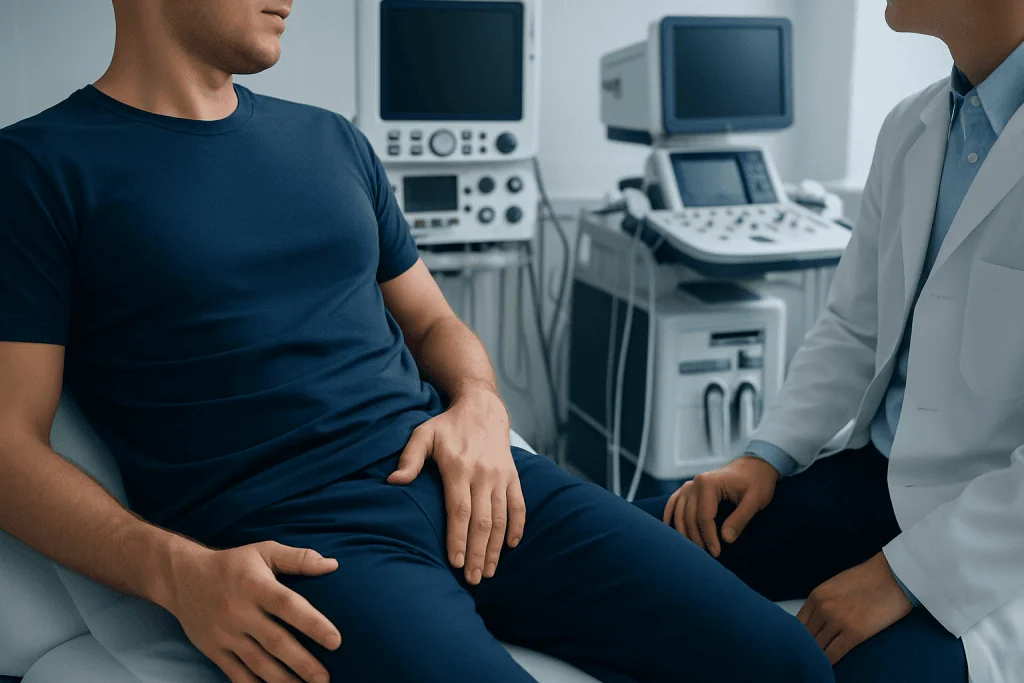
Swollen groin lymph nodes can feel like small round or oval lumps under the skin. They may be soft, firm, or rubbery. Some are painful to touch, especially when they enlarge quickly because of infection. Others may not hurt at all and are found by chance while washing or dressing.
Associated symptoms often give clues about the cause. A person may also have redness, warmth, a rash, a skin sore, a cut on the leg or foot, pain during urination, genital discharge, or symptoms of a recent viral illness. If the swelling is linked to a local infection, the nearby skin or tissue may also feel irritated or inflamed.
Certain features deserve closer attention. These include nodes that feel hard, seem fixed in place, continue to enlarge, or remain swollen for several weeks. Systemic symptoms such as fever, night sweats, unexplained weight loss, or marked fatigue can also suggest that a broader medical evaluation is needed.
- Tender, soft, or mobile nodes often occur with infection or inflammation.
- Painless swelling can still be benign, but persistent painless lumps should be checked.
- One-sided swelling may point to a local issue on that side of the body.
- Both-sided swelling may occur with widespread infection, inflammation, or less commonly other systemic conditions.
Common causes and related conditions
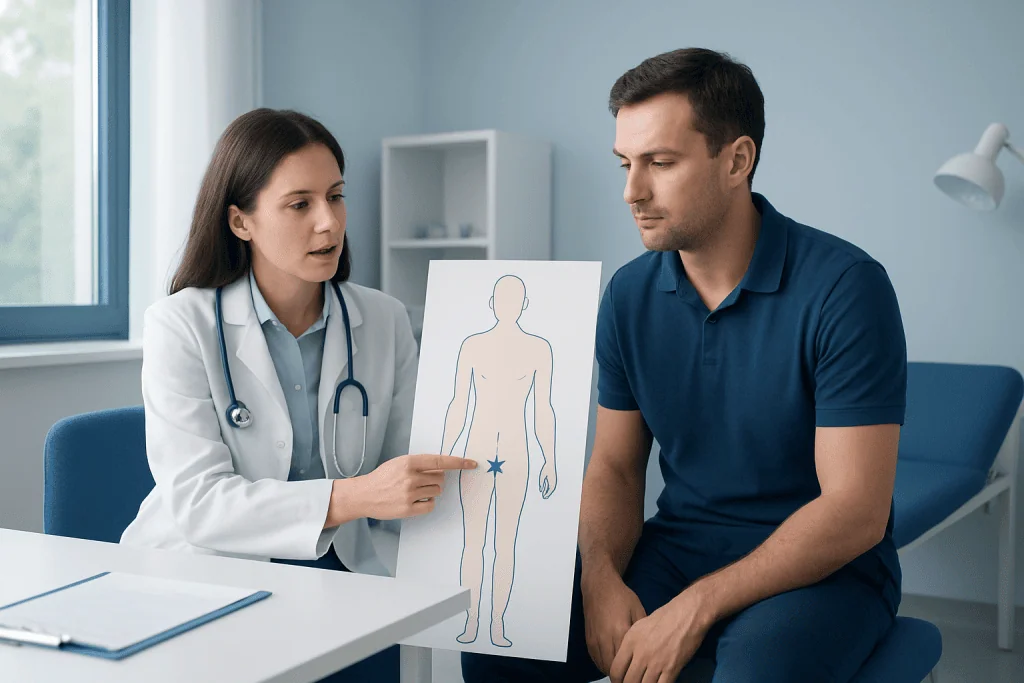
The most common causes of swollen lymph nodes in groin are infections and inflammatory skin conditions. A small cut on the foot, athlete’s foot, infected insect bite, shaving irritation, folliculitis, or cellulitis can all trigger the groin nodes to enlarge because these nodes drain lymph fluid from the lower limbs and nearby skin. Fungal infections and bacterial skin infections are especially common reasons for tenderness in this area.
Sexually transmitted infections can also cause groin node swelling, especially when there are symptoms such as genital sores, discharge, painful urination, or pelvic discomfort. Depending on the infection, one or both sides may be affected. In some cases, the swollen nodes are the first noticeable sign. Doctors may also consider related infections affecting the urinary or reproductive systems, including urinary tract infection when symptoms fit the overall picture.
Less commonly, swollen nodes in the groin may be linked to inflammatory or immune conditions, certain medications, or cancers involving the lymphatic system, skin, reproductive organs, or nearby tissues. For example, persistent unexplained node enlargement may lead a doctor to evaluate for conditions such as lymphoma or other regional cancers. However, cancer is not the most common explanation, and many people with a swollen groin node have a non-serious cause.
Other causes of a groin lump may not involve lymph nodes at all. A hernia, enlarged vein, cyst, lipoma, or abscess can sometimes be mistaken for nodal swelling. When the diagnosis is unclear, imaging can help distinguish between these possibilities.
How doctors diagnose the cause
Diagnosis begins with a careful history and physical examination. A doctor will usually ask how long the swelling has been present, whether it is painful, whether it is changing in size, and whether there have been recent infections, injuries, skin problems, sexual exposures, or travel. They may also ask about fever, fatigue, night sweats, or unintentional weight loss.
The examination usually includes the groin, lower abdomen, skin of the legs and feet, and sometimes the genital area if relevant and with consent. The doctor will note the size, number, texture, and mobility of the nodes. They will also look for signs of infection, inflammation, or a non-lymph-node cause of the lump.
If the cause is not clear, further tests may be recommended. These can include blood tests, urine testing, swabs for infection, or imaging such as ultrasound to see whether the lump is a lymph node, cyst, abscess, or hernia. If a node remains enlarged, looks suspicious, or does not respond as expected, additional imaging or a tissue sample may be needed. In selected cases, biopsy helps identify infection, inflammation, or less common serious conditions.
Treatment options depend on the underlying problem
There is no single treatment for swollen lymph nodes in groin because the node itself is usually reacting to another issue. Once the underlying cause improves, the swelling often settles gradually. This may take days or sometimes a few weeks, even after symptoms from the original illness have started to improve.
If a bacterial infection is suspected, a doctor may prescribe antibiotics. Fungal skin infections may need antifungal treatment. If the swelling is related to a sexually transmitted infection, targeted testing and treatment are important, and partners may also need evaluation depending on the diagnosis. For abscesses or collections of pus, a drainage procedure may sometimes be necessary rather than medication alone.
When a lump turns out not to be a lymph node, treatment changes accordingly. For example, a hernia repair may be recommended if the swelling is due to a hernia and is causing symptoms or complications. If a suspicious or persistent node raises concern for cancer or another serious disease, care may involve specialists in imaging, pathology, infectious diseases, surgery, or oncology.
Near the end of the diagnostic pathway, some patients benefit from coordinated multidisciplinary care. Acibadem International’s specialists in JCI-accredited hospitals diagnose and treat conditions related to persistent groin swelling for international patients when more complex evaluation is needed.
Self-care and practical steps at home
Self-care is mainly supportive and should not replace medical evaluation when warning signs are present. Gentle rest, hydration, and avoiding repeated touching or pressing on the node can help prevent extra irritation. If there is minor discomfort, people may use general comfort measures recommended by their clinician.
It can also help to check the skin carefully for possible triggers such as cuts, blisters, rashes, athlete’s foot, ingrown hairs, or infected follicles. Keeping the area clean and dry, treating minor skin irritation promptly, and wearing breathable clothing may reduce ongoing irritation. Good foot care matters because infections of the feet and lower legs commonly drain to the groin nodes.
People should avoid squeezing a lump or trying to drain it at home. A warm compress may provide comfort in some cases, but increasing redness, severe pain, or fever can suggest a deeper infection that needs assessment. If the node is enlarging or the cause is not clear, home care alone is not enough.
- Notice when the swelling started and whether it is changing.
- Look for skin injuries or infections on the legs, feet, or groin.
- Avoid shaving or friction if the skin is irritated.
- Seek medical advice before taking leftover antibiotics or using someone else’s medication.
When to seek medical care
Medical care is a good idea if swollen lymph nodes in groin last longer than two to four weeks, continue to grow, or keep returning. A doctor should also assess swelling that feels hard, is fixed in place, or occurs without an obvious reason such as a recent infection or skin injury.
Prompt medical attention is especially important if the swelling comes with fever, spreading redness, severe pain, drainage of pus, night sweats, unexplained weight loss, persistent fatigue, or genital symptoms such as ulcers or discharge. These features do not automatically mean a serious illness, but they do mean the body needs a closer evaluation.
Emergency care may be needed if a groin lump is suddenly very painful, cannot be pushed back if it seems hernia-like, or is associated with nausea, vomiting, or severe abdominal pain. Those symptoms can suggest a trapped hernia or another urgent condition rather than a simple swollen lymph node.
Frequently asked questions
Are swollen lymph nodes in the groin usually serious?
Not usually. They are often caused by common infections, skin irritation, or inflammation in areas that drain to the groin. However, swelling that lasts, enlarges, or occurs with other concerning symptoms should be assessed by a doctor.
How long do swollen groin lymph nodes last?
The timing depends on the cause. Nodes from a mild infection may start improving within days, but it can take a few weeks for them to return fully to normal size. If the swelling persists beyond a few weeks or keeps getting bigger, medical review is recommended.
Can shaving or an ingrown hair cause swollen lymph nodes in groin?
Yes. Shaving irritation, folliculitis, and infected ingrown hairs in the pubic area can trigger nearby lymph nodes to enlarge. If there is increasing redness, drainage, or worsening pain, a clinician should check for infection.
What is the difference between a swollen lymph node and a hernia?
A swollen lymph node is part of the immune system and often feels like a small rounded lump under the skin. A hernia is a bulge caused by tissue pushing through a weak spot in the abdominal wall and may become more noticeable with coughing or straining. Because they can feel similar, examination or imaging may be needed to tell them apart.
Can sexually transmitted infections cause groin lymph node swelling?
Yes, some sexually transmitted infections can lead to enlarged groin lymph nodes, especially if there are sores, discharge, or burning with urination. Testing is important because different infections need different treatment, and symptoms may overlap.
Should a painless lump in the groin be checked?
Yes, especially if it does not go away, becomes larger, or has no clear explanation. Painless lumps can still be caused by harmless conditions, but persistent lumps should not be ignored. A doctor can determine whether the lump is a lymph node or another type of groin swelling.
References
- Centers for Disease Control and Prevention
- National Health Service
- Merck Manual Consumer Version
- Mayo Clinic
- American Academy of Family Physicians
This article is for general information only and is not a substitute for professional medical advice. Please consult a qualified doctor about your individual situation.
Explore treatments in Turkey — costs, top hospitals & a free quote
JCI-accredited · board-certified surgeons · reply within 24h
Add us as a Preferred Source to see more of our trusted health content across Google Search, AI Overviews and Discover.