Cholangiocarcinoma: Symptoms, Causes, and Treatment Options

Cholangiocarcinoma is a bile duct cancer that may arise inside or outside the liver. Early symptoms can be mild, so unexplained jaundice, itching, dark urine, or weight loss should be assessed.
Key Takeaways
- Cholangiocarcinoma is a bile duct cancer that may arise inside or outside the liver.
- Early symptoms can be mild, so unexplained jaundice, itching, dark urine, or weight loss should be assessed.
- Diagnosis usually combines blood tests, imaging, and often a biopsy or tissue sample.
- Treatment depends on tumor location, stage, and overall health, and may include surgery, drainage, chemotherapy, radiation, or targeted therapy.
- Care is best planned by a multidisciplinary team with expertise in liver, bile duct, and cancer treatment.
Cholangiocarcinoma is a cancer that starts in the bile ducts, the small tubes that carry bile from the liver to the intestine. Symptoms can be vague at first, but timely evaluation helps confirm the diagnosis and guide treatment such as surgery, drainage procedures, chemotherapy, or radiation.
Overview
Cholangiocarcinoma is a cancer of the bile ducts. These ducts carry bile, a digestive fluid made by the liver, to the small intestine. The disease can begin in the small bile ducts within the liver, called intrahepatic cholangiocarcinoma, or in the larger ducts outside the liver, called extrahepatic cholangiocarcinoma.
Because bile ducts are narrow and deep inside the body, cholangiocarcinoma may grow for some time before causing clear symptoms. This is one reason it is often discovered after jaundice, abnormal liver tests, or imaging done for another concern. Even so, earlier recognition of warning signs can help people reach diagnosis and treatment sooner.
Doctors classify cholangiocarcinoma by where it starts and whether it can be removed completely. This matters because treatment is individualized. Some people are candidates for surgery with the aim of cure, while others may benefit most from procedures that relieve blockage and treatments that control the cancer and support quality of life.
Symptoms and how they may appear
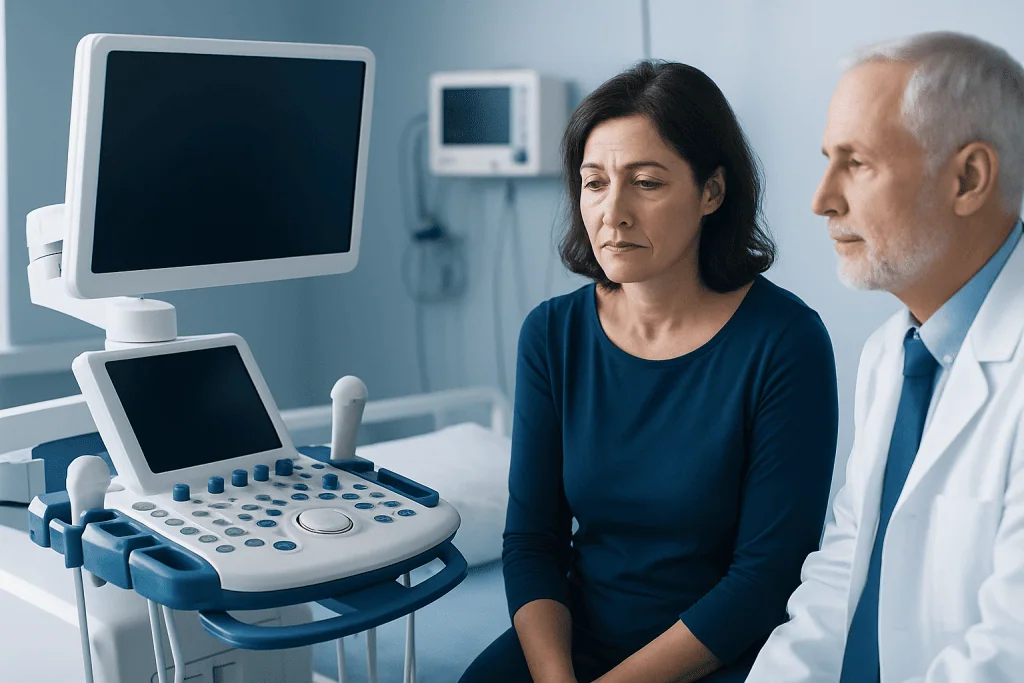
Symptoms of cholangiocarcinoma often depend on where the tumor is located. Tumors that block a larger bile duct are more likely to cause jaundice, which is yellowing of the skin and eyes. People may also notice dark urine, pale or clay-colored stools, and troublesome itching because bile is not flowing normally.
Other symptoms can be more general and easy to overlook. These may include abdominal discomfort, especially in the upper right side, loss of appetite, nausea, tiredness, fever, and unintentional weight loss. Intrahepatic tumors, which start within the liver, may not cause jaundice early and may instead present with vague pain or abnormal liver blood tests.
Not everyone with these symptoms has bile duct cancer. Problems such as gallstones, hepatitis, strictures, or liver cancer can cause similar changes. Still, persistent symptoms deserve medical attention, especially if jaundice appears or itching and weight loss are unexplained.
- Yellowing of the skin or eyes
- Dark urine or light-colored stools
- Itching without a clear skin cause
- Upper abdominal pain or fullness
- Loss of appetite and unintended weight loss
- Fatigue, nausea, or fever
Causes and risk factors

Cholangiocarcinoma develops when cells in the lining of the bile ducts acquire genetic changes that make them grow uncontrollably. In many people, no single clear cause is found. However, several conditions are known to increase risk because they cause chronic inflammation, bile stasis, or long-term injury to the bile ducts and liver.
Important risk factors include primary sclerosing cholangitis, certain congenital bile duct abnormalities, chronic liver disease, cirrhosis, some liver fluke infections in endemic regions, hepatolithiasis, and a history of bile duct stones or repeated bile duct infections. Older age, smoking, obesity, and diabetes may also contribute in some cases, although these are not specific causes on their own.
Having a risk factor does not mean a person will definitely develop cholangiocarcinoma, and many patients have no known risk factor at all. For this reason, a careful medical history is helpful, but diagnosis still depends on proper testing rather than symptoms or risk profile alone.
How cholangiocarcinoma is diagnosed
Diagnosis usually begins with a medical history, physical examination, and blood tests. Doctors often check liver function tests and bilirubin levels, which may suggest bile duct blockage. Tumor markers such as CA 19-9 may be considered, but they cannot confirm cholangiocarcinoma by themselves because they can also rise in noncancerous conditions.
Imaging is central to diagnosis and treatment planning. Ultrasound may be used first, but detailed scans such as contrast-enhanced CT and MRI with MRCP help show the location of the tumor, whether the bile ducts are dilated, and whether nearby blood vessels or lymph nodes are involved. These tests also help assess whether surgery may be possible.
Many patients need a tissue sample to confirm the diagnosis. This may be obtained during endoscopy, image-guided biopsy, or brushing of a narrowed bile duct. In some cases, doctors perform ERCP to look at the bile ducts, collect samples, and place a stent to relieve blockage. Additional tests may be used to stage the cancer and look for genetic changes that can guide treatment choices.
Treatment options
Treatment for cholangiocarcinoma depends on the tumor’s location, stage, molecular features, and the person’s overall health. A multidisciplinary team may include hepatobiliary surgeons, medical oncologists, radiation oncologists, gastroenterologists, interventional radiologists, pathologists, and supportive care specialists. This team approach helps match treatment to the person’s goals and the biology of the cancer.
When the tumor is localized and removable, surgery offers the best chance of long-term control. The operation varies by location and may involve removal of part of the liver, bile ducts, nearby lymph nodes, or reconstruction of the bile drainage system. Some patients may also need liver transplant evaluation in highly selected circumstances, usually within specialized protocols.
If the tumor blocks bile flow, relieving the obstruction is often an important early step. Doctors may use endoscopic or radiologic drainage and place a stent to improve jaundice, itching, infection risk, and liver function. For advanced or unresectable disease, systemic treatment may include chemotherapy, immunotherapy, or targeted therapy based on genetic testing. Radiation therapy is used in some cases to control local disease or symptoms, and chemotherapy remains a common part of treatment planning.
Because bile duct cancers can behave differently from person to person, treatment plans are regularly reviewed and adjusted. Supportive care, nutrition, pain management, and treatment of itching or infection are also important. In experienced centers, options may include clinical trials, which can be discussed when appropriate.
Living with the condition: self-care and ongoing support
A diagnosis of cholangiocarcinoma can affect daily life in practical and emotional ways. Common concerns include appetite loss, fatigue, itching, jaundice, and anxiety about test results or treatment decisions. Good supportive care can make a meaningful difference, so patients are encouraged to discuss symptoms early rather than trying to manage them alone.
Simple measures may help support wellbeing during treatment. Eating small, balanced meals, staying hydrated, taking medications exactly as prescribed, and keeping follow-up appointments can all be useful. If itching, nausea, or poor appetite develops, the care team may recommend treatments to ease these symptoms and protect nutrition.
Emotional support matters as well. Family support, counseling, palliative care input, and patient education can help people feel more informed and more in control. Near the end of the care pathway, Acibadem International’s multidisciplinary specialists and JCI-accredited hospitals diagnose and treat cholangiocarcinoma for international patients when expert evaluation is needed.
When to seek medical care
Medical care should be sought promptly for jaundice, dark urine, pale stools, unexplained itching, persistent upper abdominal pain, fever, or unintentional weight loss. These symptoms do not always mean cholangiocarcinoma, but they do need evaluation because they may reflect bile duct blockage, liver disease, or infection.
Urgent assessment is especially important if jaundice is accompanied by fever, chills, confusion, severe weakness, or worsening abdominal pain, as these may suggest an infection of the bile ducts or another complication. Anyone already being treated for cholangiocarcinoma should contact their doctor if symptoms suddenly worsen or if new symptoms appear after a procedure or treatment cycle.
People with risk factors such as primary sclerosing cholangitis, congenital bile duct disorders, cirrhosis, or longstanding bile duct disease may benefit from regular specialist follow-up. A qualified doctor can explain whether surveillance, imaging, or referral to a hepatobiliary center is appropriate.
Frequently asked questions
Is cholangiocarcinoma the same as liver cancer?
Not exactly. Cholangiocarcinoma starts in the bile ducts, while primary liver cancer usually begins in liver cells. Some cholangiocarcinomas begin inside the liver, which can make the distinction less obvious without imaging and pathology.
What is usually the first sign of cholangiocarcinoma?
The first sign is often jaundice when the tumor blocks a major bile duct. Some people first notice dark urine, pale stools, itching, or unexplained tiredness. In tumors inside the liver, symptoms may be vague or absent early on.
Can cholangiocarcinoma be cured?
Some cases can be treated with curative intent, especially when the cancer is found early and can be completely removed with surgery. In other cases, treatment focuses on controlling the disease, relieving symptoms, and improving quality of life. The outlook depends on the tumor location, stage, and response to treatment.
How is cholangiocarcinoma confirmed?
Doctors usually combine blood tests, imaging, and a tissue sample whenever possible. CT, MRI, and MRCP help show the bile ducts and nearby structures, while endoscopic or image-guided sampling can confirm the diagnosis. Sometimes additional molecular testing is done to guide treatment.
Who is at higher risk for cholangiocarcinoma?
Risk is higher in people with conditions that cause chronic bile duct inflammation or liver damage, such as primary sclerosing cholangitis, certain bile duct cysts, cirrhosis, and some chronic infections. However, many patients have no obvious risk factor. That is why persistent symptoms should not be ignored even in people without a known history.
What treatments are available if surgery is not possible?
When surgery is not an option, treatment may include stenting or drainage to relieve bile duct blockage, chemotherapy, radiation therapy, immunotherapy, or targeted therapy in selected cases. Supportive care for pain, itching, nutrition, and fatigue is also important. A multidisciplinary team can explain which combination is most appropriate.
References
- National Cancer Institute
- American Cancer Society
- National Comprehensive Cancer Network
- European Society for Medical Oncology
- American Society of Clinical Oncology
This article is for general information only and is not a substitute for professional medical advice. Please consult a qualified doctor about your individual situation.
Persistent digestive symptoms? Get evaluated in Turkey
JCI-accredited · board-certified surgeons · reply within 24h
Add us as a Preferred Source to see more of our trusted health content across Google Search, AI Overviews and Discover.