

Aesthetic Filling
Aesthetic filling, or dermal filler treatment, restores facial volume, smooths wrinkles, and enhances contours using injectable materials tailored to each patient’s facial anatomy.
Quick answer
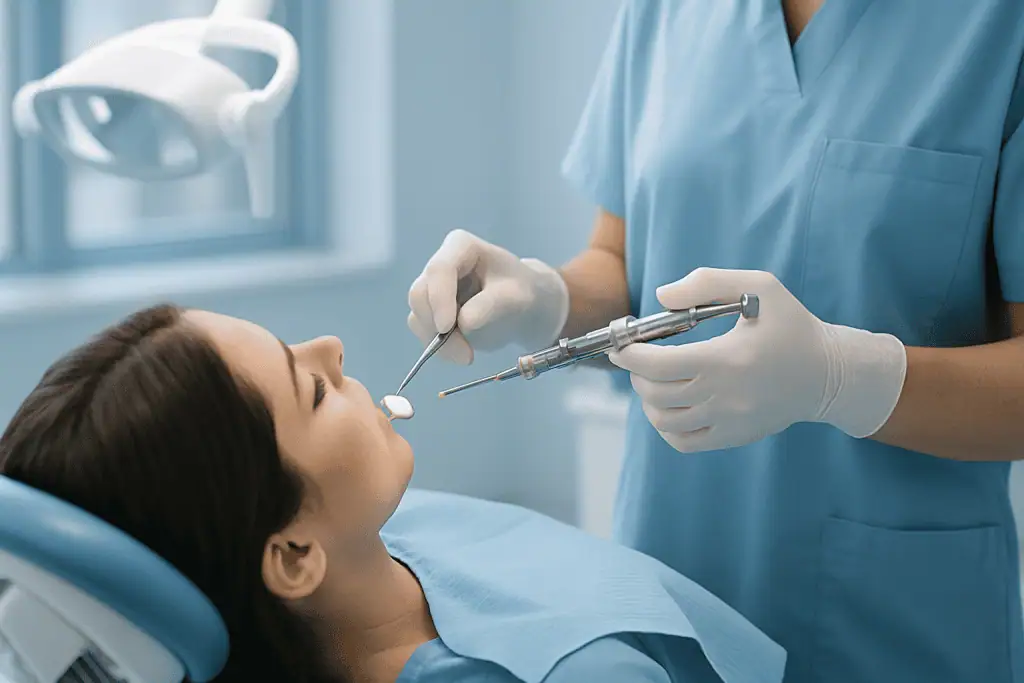
Aesthetic filling is a non-surgical treatment that uses injectable dermal fillers to restore lost facial volume, soften wrinkles, and define features such as the lips, cheeks, or jawline. At Acibadem in Turkey, treatment is planned according to the patient’s facial anatomy and aesthetic goals, with suitable filler materials placed in targeted areas during a clinic-based procedure.
Considering Aesthetic Filling With Confidence
Choosing an aesthetic treatment for the face is a personal medical decision as much as a cosmetic one. Many patients who consider aesthetic filling, also called dermal filler treatment, are not trying to look like someone else. They want to look less tired, restore facial balance, soften lines that have deepened with time, or correct volume loss that changes how they feel about their appearance. Others may wish to refine facial contours, enhance the lips in a natural way, improve under-eye hollowness, or bring better proportion to the chin, jawline, or cheeks.
It is also normal to feel cautious. International patients often ask: Will the result look natural? Will it be safe? How long will swelling last? What happens if I do not like the outcome? How do I know the physician understands my facial anatomy and my preferences? These are appropriate questions. Aesthetic filling is a minimally invasive treatment, but it is still a medical procedure. It requires careful assessment, knowledge of facial anatomy, appropriate product selection, sterile technique, and a treatment plan that respects both beauty and safety.
At Acibadem, dermal filler treatment is approached as a personalized facial procedure rather than a standard injection session. The goal is to understand the patient’s anatomy, aging pattern, skin quality, medical history, and expectations before recommending treatment. For international patients, this medical planning is supported by organized patient services, multilingual communication, and access to JCI-accredited hospitals where safety protocols and multidisciplinary medical standards are central to care.
What Is Aesthetic Filling?
Aesthetic filling is an injectable treatment used to restore volume, smooth selected wrinkles, improve facial contours, and enhance facial harmony. The treatment involves placing a carefully chosen filler material beneath or within the skin using fine needles or blunt-tip cannulas. The filler supports tissues, adds volume where it has been lost, and can help shape specific areas of the face.
The most commonly used dermal fillers are based on hyaluronic acid, a substance naturally present in the body that helps retain moisture and support skin structure. Different formulations have different properties. Some are softer and more flexible, suitable for delicate areas such as the lips or fine lines. Others are firmer and more supportive, used for cheek contouring, chin refinement, jawline definition, or deeper facial volume restoration. In selected cases, other biocompatible fillers may be considered depending on the indication, expected duration, tissue characteristics, and physician judgment.
Aesthetic filling is not the same as botulinum toxin treatment. Fillers mainly add or restore volume and structure. Botulinum toxin relaxes specific muscles that cause dynamic wrinkles, such as frown lines or crow’s feet. Some patients benefit from one treatment, while others may need a combined plan. The right approach depends on whether the concern is caused by volume loss, skin laxity, muscle movement, bone structure, or a combination of these factors.
Modern filler treatment aims for proportion rather than excessive volume. A well-planned result should preserve expression, respect the patient’s natural features, and look appropriate from different angles, not only in a front-facing photograph. This is why assessment before treatment is essential. The same amount of filler can look subtle in one patient and excessive in another, depending on anatomy, tissue thickness, age, facial shape, and previous procedures.
Who May Need Aesthetic Filling?
Patients may consider aesthetic filling when they notice changes in facial volume, contour, or skin folds that do not improve with skincare alone. These changes can appear gradually with aging, after weight loss, following illness, due to genetics, or as part of natural facial structure. Some patients seek treatment in their 20s or 30s to enhance a feature such as the lips or chin. Others seek treatment later to restore volume and support tissues that have shifted with time.
Common reasons patients ask about dermal fillers include under-eye hollowness, flattened cheeks, deeper nasolabial folds, marionette lines around the mouth, thinning lips, vertical lip lines, loss of jawline definition, chin retrusion, temple hollowing, or facial asymmetry. Some patients describe looking tired despite adequate sleep, or looking older than they feel because of shadows, folds, or volume loss.
Diagnosis and treatment planning begin with a facial assessment. The physician evaluates facial proportions, bone support, fat distribution, skin quality, muscle activity, symmetry, and the way the face moves during expression. Medical history is also important. Patients should inform the physician about allergies, autoimmune conditions, bleeding disorders, pregnancy or breastfeeding, recent dental procedures, active skin infections, previous filler treatments, facial surgery, medications, and supplements that may increase bruising risk.
Aesthetic filling may not be appropriate for every patient. Active infection, significant inflammation in the treatment area, certain uncontrolled medical conditions, known hypersensitivity to filler components, or unrealistic expectations may require postponement or a different treatment plan. Patients with pronounced skin laxity may need surgical or energy-based options rather than filler alone. In some cases, adding more volume can make heaviness worse if tissue support is limited. A responsible consultation should identify these situations clearly.
Conditions and Concerns Aesthetic Filling Can Address
Aesthetic filling is used for a range of facial concerns related to volume, contour, and soft-tissue support. The indication determines the product type, injection depth, quantity, and technique. A subtle lip hydration treatment is very different from structural cheek support or chin contouring.
- Facial volume loss: Fillers can restore volume in areas such as the cheeks, temples, and midface, where age-related fat and bone changes can create hollowing or flattening.
- Nasolabial folds and marionette lines: Fillers may soften the folds that run from the nose to the mouth and the lines that extend downward from the mouth corners. In many patients, supporting the midface first gives a more balanced result than filling the fold directly.
- Lip enhancement: Treatment can improve lip volume, shape, hydration, definition of the lip border, and symmetry. The plan should be tailored to facial proportions and personal preference.
- Under-eye hollowness: Carefully selected fillers may reduce the appearance of tear trough shadows in suitable patients. This area requires particular expertise because the skin is thin and swelling can be more visible.
- Chin and jawline definition: Structural fillers can improve projection, proportion, and contour in selected patients, especially when mild retrusion or age-related softening affects facial balance.
- Fine lines and skin creases: Softer fillers may improve selected superficial lines, although skin texture, sun damage, and laxity may also require complementary treatments.
- Facial asymmetry: Mild asymmetries can sometimes be improved with targeted filler placement. Significant asymmetry may require broader evaluation.
- Hand rejuvenation or other non-facial areas: In selected cases, fillers can be used beyond the face to improve volume loss, although facial treatment remains the most common indication.
The best outcomes usually come from matching the treatment to the true cause of the concern. For example, a patient who asks for nasolabial fold treatment may actually need midface support. A patient who asks for lip volume may benefit more from lip border refinement and hydration. This diagnostic step is what separates thoughtful medical aesthetics from a one-size-fits-all approach.
How Aesthetic Filling Is Performed
Consultation and Facial Analysis
The process begins with a medical consultation. The physician discusses the patient’s goals, previous treatments, medical history, and any concerns about the result. Standardized facial photographs may be taken to evaluate proportions and provide a reference for treatment planning. The face is assessed at rest and during movement because expression, smiling, talking, and muscle activity affect how filler will appear in daily life.
The physician then explains which areas may benefit from treatment, which areas should be avoided or treated conservatively, what type of filler is appropriate, and how much product may be needed. In many cases, a staged plan is safer and more refined than treating every concern in one session. This is especially true for patients who are new to filler treatment or those traveling internationally who want a natural adjustment rather than a dramatic change.
Preparation Before the Procedure
Before treatment, the skin is cleaned carefully and the injection areas are marked if needed. A topical anesthetic cream may be applied, and many filler products include local anesthetic to improve comfort during injection. Patients may be advised to avoid alcohol, certain anti-inflammatory medications, and nonessential supplements that can increase bruising risk, but medication changes should only be made with medical approval, especially for patients taking blood thinners or medications for chronic conditions.
If a patient has a history of cold sores and lip treatment is planned, preventive antiviral medication may be considered. Recent dental work, skin infection, acne flare, or inflammation around the injection area may require postponement. Safety begins with selecting the right timing as well as the right technique.
The Injection Procedure
During the procedure, filler is placed in precise amounts at planned depths. Fine needles may be used for detailed placement, while blunt-tip cannulas may be preferred in some areas to reduce tissue trauma and bruising. The physician may gently mold the area after injection to distribute the product evenly. Treatment is performed gradually, with ongoing assessment of symmetry, contour, and facial expression.
The procedure typically takes a short appointment time, although the full visit may be longer because of consultation, photography, numbing, and aftercare instructions. Many patients return to normal daily activities soon afterward, but visible swelling or bruising can occur, particularly around the lips, under-eyes, or areas treated more extensively. For this reason, patients traveling for an event should avoid scheduling filler treatment immediately before an important occasion.
Technology and Safety Support
Dermal filler treatment depends primarily on anatomical expertise and clinical judgment, but technology can support planning and safety. Standardized clinical photography helps assess proportions and compare changes over time. Digital facial analysis may assist in evaluating balance, angles, and asymmetry. In selected cases, ultrasound imaging can be helpful to evaluate previous filler, identify fluid collections, or guide decision-making in complex situations. Sterile clinical environments, appropriate lighting, high-quality injection instruments, and documented product traceability all contribute to safer care.
Safety protocols also include using approved filler materials, avoiding high-risk injection patterns, recognizing vascular anatomy, and knowing how to manage complications promptly. For hyaluronic acid fillers, an enzyme medication can be used in appropriate circumstances to dissolve the product if there is a medical need or if correction is required. This reversibility is one reason hyaluronic acid fillers are commonly chosen for many aesthetic indications.
Immediately After Treatment
After the injections, the treated area may appear fuller than the final result because of swelling. Mild redness, tenderness, small bumps, or bruising can occur. Most early effects improve over several days, although lips and under-eye areas may take longer to settle. The physician provides aftercare instructions, which may include avoiding intense exercise, alcohol, excessive heat, facial massage, or pressure on the treated area for a short period unless specifically advised otherwise.
Patients should be told which symptoms require urgent medical contact. Severe pain, skin color changes, increasing blanching or mottling, visual symptoms, sudden intense swelling, or signs of infection are not typical and should be assessed immediately. Serious complications are uncommon, but prompt recognition is essential.
Why Acting Early Matters and the Risks of Delay
Aesthetic filling is rarely an emergency, but timely consultation can help patients make better decisions. Early assessment allows the physician to identify whether the concern is best treated with filler, skin quality treatments, botulinum toxin, surgery, or simply observation. Waiting until facial volume loss or skin laxity is more advanced may limit what filler can achieve and may require more extensive treatment to reach a balanced result.
Acting early does not mean over-treating early. In fact, one advantage of consulting before changes become pronounced is that treatment can often be conservative and strategic. Small, well-placed amounts may support facial harmony without altering identity. Conversely, delaying until multiple areas have changed can lead patients to request larger corrections, which may not always be the most natural or safest option.
There are also risks in delaying evaluation if a patient has had previous filler and is experiencing persistent swelling, nodules, asymmetry, or discomfort. These issues should not be ignored. They may be related to product placement, inflammation, infection, biofilm, migration, or other causes that require medical assessment. International patients who have been treated in different countries should bring as much information as possible about previous products and timing, even if the exact brand or dose is unknown.
Benefits of Aesthetic Filling
When performed for the right patient with an appropriate plan, aesthetic filling can offer several practical and aesthetic benefits.
| Benefit | What It Means for You |
|---|---|
| Restoration of facial volume | Areas that appear hollow, flat, or tired may look more supported and balanced, particularly in the cheeks, temples, or midface. |
| Softening of selected lines and folds | Wrinkles caused by volume loss or tissue descent may appear less deep, while facial expression can remain natural. |
| Improved facial proportions | Subtle changes to the lips, chin, jawline, or cheeks can help bring better harmony to the overall face. |
| Minimally invasive treatment | The procedure is performed with injections and usually does not require surgery, general anesthesia, or a long recovery period. |
| Personalized and adjustable planning | Treatment can be staged, refined, or adapted over time as the face changes or as the patient’s preferences evolve. |
| Temporary but lasting effect | Most fillers gradually break down over time, allowing future adjustments rather than creating a permanent change. |
Recovery Timeline After Aesthetic Filling
Recovery varies depending on the area treated, filler type, injection technique, individual healing response, and whether bruising occurs.
| Time Period | What Patients Can Expect |
|---|---|
| Day 1 | Mild redness, swelling, tenderness, or small injection marks are common. The area may look fuller than expected because early swelling is present. |
| First Week | Swelling and bruising usually begin to improve. Lips and under-eye areas may remain puffy for longer than other regions. Most patients can continue routine activities with simple aftercare. |
| First Month | The filler generally settles into the tissues, and the final contour becomes easier to evaluate. A follow-up visit or photo review may be recommended to assess symmetry and refinement. |
| Longer Term | Results gradually soften as the filler is metabolized. Duration varies by product, treatment area, metabolism, lifestyle, and facial movement. Maintenance can be planned when appropriate. |
What Influences a Good Result?
The success of aesthetic filling is not defined only by how much volume is added. A good result looks balanced, moves naturally, and fits the patient’s age, facial structure, and preferences. Several factors influence the outcome.
Anatomical assessment is central. The face contains important blood vessels, nerves, fat compartments, muscles, ligaments, and retaining structures. Safe injection requires understanding both surface appearance and deeper anatomy. The same wrinkle can have different causes in different patients, and the same injection point can carry different levels of risk depending on individual variation.
Product selection also matters. Fillers vary in firmness, elasticity, water-attracting properties, and longevity. A product that is suitable for deep cheek support may be inappropriate for the under-eye area. A lip filler should usually integrate with movement and texture. Selecting the wrong filler can lead to swelling, lumpiness, visibility, or an unnatural contour.
Injection technique affects both safety and aesthetics. Depth, angle, volume per injection point, use of needle or cannula, and pace of treatment all influence tissue response. Conservative placement is often preferred, particularly in high-risk or delicate areas. Overfilling can distort facial proportions and may be harder to correct than under-treating.
Patient biology plays a role. Some people bruise or swell more easily. Metabolism, skin thickness, age, hydration, smoking, sun exposure, exercise patterns, and immune response can influence both healing and duration. Patients with a history of swelling after fillers, autoimmune disease, or inflammatory skin conditions may require special caution.
Previous procedures are important. Prior fillers, threads, lasers, facial surgery, dental treatments, trauma, or scarring can change tissue planes. Filler placed years earlier may still be present in some areas, especially if large volumes were used. A careful history, and sometimes imaging, may be needed before adding more product.
Realistic goals are essential. Fillers can improve many concerns, but they cannot replace a facelift, correct significant excess skin, change bone structure as dramatically as surgery, or create perfect symmetry. The best treatment plans usually focus on refinement and proportion rather than chasing a filtered or over-edited image.
Why International Patients Choose Acibadem for Aesthetic Filling
International patients seeking aesthetic filling abroad often want more than a cosmetic appointment. They want medical reliability, clear communication, appropriate aftercare, and a physician who can explain what is suitable for their face. Acibadem’s approach is shaped by its broader hospital environment: JCI-accredited hospitals, experienced physicians, international patient coordination, and established clinical protocols across multiple specialties.
For aesthetic filling, this means the patient’s care can be planned within a medical setting where safety standards, documentation, sterile practice, and complication management are taken seriously. Although most dermal filler treatments are straightforward, the ability to evaluate medical history, recognize risk factors, and respond appropriately if an issue arises is important. This is especially relevant for patients who travel from another country and need a clear plan before and after treatment.
Acibadem’s physicians use individualized assessment rather than a fixed template. The consultation considers facial anatomy, skin quality, age-related changes, cultural preferences, and the patient’s desired degree of change. Some patients prefer a very subtle treatment that only close family might notice. Others want clearer contour definition while still maintaining a natural appearance. A careful discussion helps define what is medically reasonable and aesthetically appropriate.
Multidisciplinary access can be valuable when a concern is not purely cosmetic. For example, a patient with facial asymmetry, scarring, post-surgical changes, dermatologic disease, or previous filler complications may benefit from input across relevant specialties. Acibadem’s hospital network supports collaboration when needed, including dermatology, plastic surgery, ophthalmology, dentistry, radiology, and other medical services depending on the situation. This does not mean every filler patient needs a board review, but it does mean complex cases can be approached with broader clinical resources.
Technology supports evaluation and planning. Standardized photography, digital analysis tools, modern clinical environments, and imaging methods in selected cases can help physicians assess the face more accurately and document treatment. The value of technology is not in replacing clinical expertise, but in improving planning, communication, and follow-up.
International patient services are also an important part of the experience. Patients can receive assistance in more than 20 languages, including help with appointment scheduling, medical record sharing, travel coordination, and communication with care teams. For patients coming from the United States, Europe, the Middle East, or other regions, this coordination can reduce uncertainty and help them understand what to expect before arriving in Turkey.
Follow-up planning is particularly important for filler treatment because the final result is best assessed after swelling has settled. Depending on the patient’s travel schedule, follow-up may occur in person or through secure photo review when appropriate. Patients are also informed about warning signs that require urgent medical attention, even after returning home. Responsible aftercare is part of the treatment, not an optional extra.
A Thoughtful Next Step
Aesthetic filling can be a refined, minimally invasive way to restore volume, soften selected lines, and enhance facial contours. The most natural-looking results come from careful diagnosis, conservative planning, appropriate product choice, and respect for the patient’s own features. For international patients, choosing where to have treatment also involves trust, communication, and the reassurance that the procedure is performed within a medically organized environment.
If you are considering dermal fillers, a consultation or second opinion can help clarify whether this treatment is right for your concerns, which areas should be prioritized, what recovery may look like, and how to plan treatment around travel or important events. Acibadem’s teams can review your goals, medical background, and facial concerns to recommend a personalized approach based on current medical and aesthetic standards.
This information is general and is not a substitute for professional medical advice, diagnosis, or treatment. A qualified physician should evaluate your individual condition and recommend the most appropriate care plan.
Preparation
- Before aesthetic filling, the doctor evaluates facial structure, skin quality, medical history, allergies, and aesthetic goals. Blood-thinning medicines, alcohol, and certain supplements may need to be avoided for a short period if advised. The treatment plan includes filler type, injection areas, and expected outcomes.
Aftercare
- Mild redness, swelling, bruising, or tenderness can occur and usually improves within a few days. Patients are typically advised to avoid rubbing the area, intense exercise, sauna, alcohol, and excessive heat for the first 24 to 48 hours. Follow-up may be recommended to assess symmetry and results.
Turkey vs UK, Germany & USA
Aesthetic filling costs and treatment experience can vary by country, clinic setting, filler material, and the injector’s expertise. The information below is general and intended to help international patients compare common cost drivers before requesting a personalised quote.
For dermal filler treatment, the final cost is usually shaped by the type and amount of filler used, the medical team’s experience, clinic standards, and the support provided to international patients.
| Factor | Turkey | UK | Germany | USA |
|---|---|---|---|---|
| Price drivers | Often influenced by filler brand, treatment area, injector expertise, and whether hospital-based international services are included. | Usually influenced by private clinic location, practitioner background, filler brand, and aftercare policy. | Often shaped by specialist clinic standards, medical consultation requirements, product choice, and regional practice costs. | Commonly influenced by metropolitan clinic fees, injector reputation, product selection, and facility-related costs. |
| Hospital and specialist factors | Treatment may be provided in hospital-linked or specialist aesthetic settings, with access to dermatology or plastic surgery assessment when needed. | Often performed in private aesthetic clinics or medical practices, with variation in practitioner qualifications. | Frequently delivered in regulated medical or dermatology settings, with emphasis on physician-led assessment. | Provided in a wide range of settings, from medical spas to specialist plastic surgery or dermatology practices. |
| Accreditation and quality | International hospitals such as Acibadem operate with quality systems including JCI accreditation in eligible facilities. | Quality oversight depends on provider registration, clinical governance, and product sourcing standards. | Quality expectations are supported by national medical regulation and professional standards. | Quality varies by state regulation, provider credentialing, and facility standards. |
| Waiting times | Appointments for international patients may often be coordinated efficiently through dedicated patient services. | Private appointments may be scheduled directly, while availability depends on clinic demand. | Scheduling depends on clinic type, specialist availability, and consultation requirements. | Availability varies widely by city, clinic reputation, and practitioner schedule. |
| Travel and language logistics | International patient departments may assist with language support, appointment planning, and travel coordination. | Travel may be simpler for patients already in the region, with fewer dedicated international package services in many clinics. | Language support may be available in larger medical centers, though arrangements vary by provider. | International travel planning can be more complex depending on distance, visa needs, and clinic support. |
| Typical package inclusions | May include consultation, treatment planning, filler procedure, follow-up guidance, interpreter support, and transfer coordination when arranged. | Usually includes consultation and procedure, with follow-up depending on clinic policy. | Often includes medical consultation, procedure, and aftercare instructions, with added services varying by center. | Typically includes consultation and treatment, while follow-up and concierge services vary by provider. |
- What affects your final cost:
- Type, brand, and volume of dermal filler selected.
- Facial areas treated and complexity of contouring.
- Injector qualifications, specialist involvement, and clinic setting.
- Need for imaging, skin assessment, or additional medical review.
- Whether follow-up, interpreter support, transfers, or travel coordination are included.
- Whether correction, dissolving, or staged treatment is required.
Compare your options
Several aesthetic filling options are available, and suitability is decided by a specialist after evaluating facial anatomy, skin quality, goals, and medical history.
| Option | What it is | Typical use | Key considerations |
|---|---|---|---|
| Hyaluronic acid filler | An injectable gel based on a substance naturally present in the skin. | Commonly used for lips, cheeks, nasolabial folds, under-eye hollows, jawline definition, and facial hydration effects. | Results are technique dependent and can often be adjusted or dissolved if clinically appropriate. |
| Calcium hydroxylapatite filler | A biostimulatory filler that provides structure and may support collagen response. | Often considered for deeper folds, facial contouring, and areas needing firmer support. | Not suitable for every facial area; placement depth and injector experience are important. |
| Poly-L-lactic acid treatment | A collagen-stimulating injectable that works gradually rather than mainly as an immediate filler. | Used for broader facial volume improvement and skin support in selected patients. | Usually planned as a staged treatment; results develop progressively and require careful patient selection. |
| Autologous fat transfer | A surgical approach using the patient’s own fat, harvested and transferred to areas needing volume. | May be considered for larger-volume facial restoration or combined facial rejuvenation plans. | More invasive than injectable fillers and involves surgical planning, recovery, and variability in fat survival. |
| Filler correction or dissolving | A corrective approach for selected filler concerns, often involving assessment and, when suitable, enzymatic dissolving for certain filler types. | Used for overfilling, asymmetry, migration, or preparation before a revised treatment plan. | Only appropriate for specific materials and should be performed by an experienced medical professional. |
Trusted care for international patients
General information only — not medical or financial advice. Final costs depend on the factors above and your individual case; request a free, personalised quote.
Doctors Performing This Treatment

Prof. Dr. Bülent Saçak
Aesthetic Plastic & Reconstructive Surgery
Prof. Dr. Ersin Ülkür
Aesthetic Plastic & Reconstructive Surgery
Prof. Dr. Hakan Ağır
Aesthetic Plastic & Reconstructive Surgery
Prof. Dr. Mehmet Veli Karaaltın
Aesthetic Plastic & Reconstructive Surgery
Prof. Dr. Çiğdem Ünal Gülmeden
Aesthetic Plastic & Reconstructive Surgery
Assoc. Prof. Dr. Ahmet Küçükçelebi
Aesthetic Plastic & Reconstructive Surgery
Assoc. Prof. Dr. Mehmet Altiparmak
Aesthetic Plastic & Reconstructive Surgery
Assoc. Prof. Dr. Mehmet Sağır
Aesthetic Plastic & Reconstructive Surgery
Asst. Prof. Dr. Berkhan Yilmaz
Aesthetic Plastic & Reconstructive Surgery
Dr. Abdullah Etöz
Aesthetic Plastic & Reconstructive Surgery
Dr. Ayşe İrem İskenderoğlu
Aesthetic Plastic & Reconstructive Surgery
Dr. Burak Sercan Erçin
Aesthetic Plastic & Reconstructive Surgery
Dr. Cem Öz
Aesthetic Plastic & Reconstructive Surgery
Dr. Mahmut Özyilmaz
Aesthetic Plastic & Reconstructive Surgery
Dr. Mehmet Severcan
Aesthetic Plastic & Reconstructive Surgery
Dr. Mithat Ulay
Aesthetic Plastic & Reconstructive Surgery
Dr. Mutluhan Temizsoy
Aesthetic Plastic & Reconstructive Surgery
Dr. Münür Selçuk Kendir
Aesthetic Plastic & Reconstructive Surgery
Dr. Nargiz Ibrahimli
Aesthetic Plastic & Reconstructive Surgery
Dr. Nezail Demircler
Aesthetic Plastic & Reconstructive Surgery
Dr. Nihal Üstün
Aesthetic Plastic & Reconstructive Surgery
Dr. Nuri Soysal
Aesthetic Plastic & Reconstructive Surgery
Dr. Okan Acıcbe
Aesthetic Plastic & Reconstructive Surgery
Dr. Serkan Tokgönül
Aesthetic Plastic & Reconstructive SurgeryMedical Units
Available at These Hospitals












Frequently Asked Questions
What affects the cost of aesthetic filling?
Cost is mainly influenced by the filler type, product quality, treatment areas, amount needed, injector expertise, clinic setting, and whether follow-up or international patient services are included.
How can I get a personalised quote from Acibadem?
You can request a free consultation and share your goals, medical history, and facial photos if requested. A specialist review helps estimate the suitable approach and provide a personalised quote.
Is the cheapest filler option always suitable?
Not necessarily. Safety, product authenticity, injector skill, facial anatomy, and realistic planning are important. A specialist should recommend the safest and most appropriate option for your needs.
Does a filler package include follow-up care?
Package details vary. For international patients, a package may include consultation, treatment planning, procedure, aftercare instructions, and coordination support, but inclusions should be confirmed before booking.
Can I combine aesthetic filling with other treatments?
Some patients combine fillers with skin treatments or other facial rejuvenation procedures, but this depends on clinical suitability. A specialist should decide the safest sequence and timing.