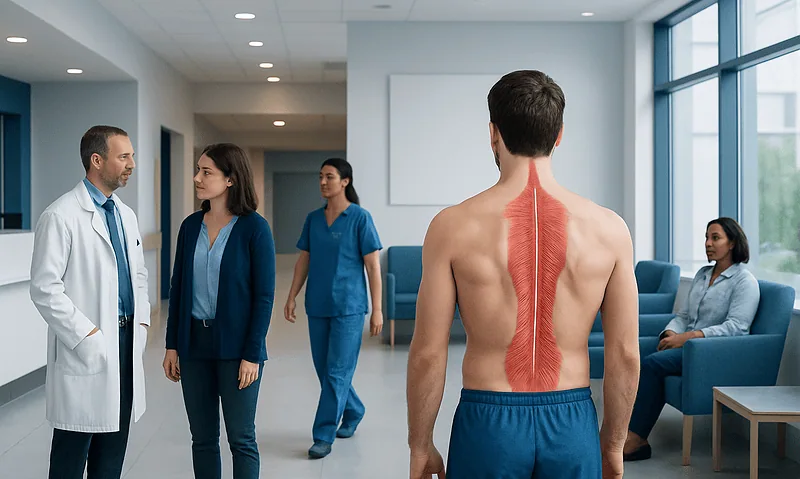
Stretch Marks: What Patients Need to Know

Stretch marks are a common and harmless skin change caused by rapid stretching and changes in collagen and elastin. They often begin as pink, red, purple, or dark streaks and may fade over time to lighter, thinner lines.
Key Takeaways
- Stretch marks are a common and harmless skin change caused by rapid stretching and changes in collagen and elastin.
- They often begin as pink, red, purple, or dark streaks and may fade over time to lighter, thinner lines.
- Pregnancy, puberty, weight changes, bodybuilding, family history, and steroid exposure can all increase the chance of developing stretch marks.
- No treatment can erase stretch marks completely, but some therapies may improve their color and texture.
- A doctor should assess sudden, widespread, painful, or unusual stretch marks, especially if other symptoms are present.
Stretch marks are very common lines or streaks that form when skin stretches quickly, such as during growth, pregnancy, weight change, or muscle gain. They are not dangerous, but some people seek advice about their appearance, texture, or whether they could be linked to an underlying medical issue.
What stretch marks are
Stretch marks are long, narrow streaks or bands that appear when the skin stretches faster than its supporting structure can adapt. They happen because deeper layers of the skin, especially collagen and elastin fibers, become disrupted during periods of rapid growth or change. This creates visible lines that can look red, purple, pink, brown, or dark at first, depending on skin tone, and later fade to paler or flatter marks.
They are medically known as striae. Stretch marks are very common and are not contagious, cancerous, or dangerous. Many people develop them during puberty, pregnancy, weight gain, weight loss, or muscle building. Although they are a normal skin finding, people often have questions about why they appeared and whether anything can improve them.
Stretch marks can occur on many parts of the body. Common areas include the abdomen, breasts, hips, buttocks, thighs, upper arms, lower back, and shoulders. In most cases, they do not cause physical harm, though new stretch marks can sometimes feel mildly itchy or sensitive while they are forming.
How stretch marks look and feel
Early stretch marks usually look different from mature ones. When they first appear, they may be slightly raised and have a red, pink, purple, bluish, or darker tone. Over time, they usually become flatter, softer, and lighter than the surrounding skin. In darker skin tones, stretch marks may remain more noticeable as darker or lighter lines rather than fading to white.
The texture can also change. Some people notice a wrinkled, shiny, or thin appearance in the affected area. New marks may itch briefly, but they are usually not painful. If marks are painful, inflamed, or accompanied by other skin changes, a doctor should evaluate them to make sure another condition is not present.
Stretch marks may resemble scars, but they are not exactly the same. They reflect changes within the skin’s supportive framework rather than damage from a cut or injury. Because they often fade naturally, their appearance tends to soften with time even without treatment.
Why stretch marks happen

Stretch marks develop when the skin expands or contracts quickly and the body cannot remodel its connective tissue fast enough. The middle layer of the skin contains collagen and elastin, which help skin stay firm and flexible. When these fibers are stressed beyond their usual capacity, small tears and changes in structure can form, leading to visible streaks on the surface.
Hormonal influences also play a role. Hormones can affect how resilient the skin is and how easily connective tissue changes. This helps explain why stretch marks are particularly common in pregnancy and adolescence, when the body goes through major hormonal and physical changes at the same time.
Stretch marks are not caused by poor hygiene and usually are not a sign that a person has done something wrong. In many people, they are simply a normal response to body growth or change. Family history is important too, and some people are more prone to developing them even with similar weight or growth patterns.
Common causes and risk factors
Several situations make stretch marks more likely. Pregnancy is a leading cause because the abdomen and breasts enlarge over a relatively short period. Puberty is another common trigger, as teenagers may grow taller quickly and develop changes in body shape. Rapid weight gain, significant weight loss, or intensive muscle building can also place the skin under enough tension to produce stretch marks.
Medicines and medical conditions can contribute as well. Long-term use of corticosteroid creams, tablets, or injections may weaken the skin and increase the chance of developing stretch marks. Certain hormone-related conditions, including those that raise cortisol levels, can lead to broader, more pronounced marks. If there are concerns about a hormone disorder, a doctor may assess for related problems such as Cushing syndrome.
Risk may be higher in people who have a family history of stretch marks, carry twins or a larger pregnancy, experience obesity, or have conditions that affect connective tissue. The marks themselves are usually harmless, but if they appear suddenly and widely without an obvious reason, medical review is a sensible next step.
- Pregnancy
- Puberty and growth spurts
- Rapid weight gain or loss
- Bodybuilding or fast muscle growth
- Family history
- Use of corticosteroid medications
- Hormonal or connective tissue disorders
How doctors diagnose stretch marks
Stretch marks are usually diagnosed by a doctor through a simple skin examination and medical history. In most cases, no tests are needed. The doctor will look at the location, color, width, and pattern of the marks and ask when they appeared, whether body weight changed quickly, and whether pregnancy, puberty, medications, or other health conditions might explain them.
If the marks are unusually wide, dark, painful, or sudden in onset, or if the person has symptoms such as easy bruising, fatigue, menstrual changes, high blood pressure, or muscle weakness, the doctor may investigate other causes. This can include reviewing steroid use or checking for hormonal problems. The goal is not only to confirm that the marks are benign, but also to rule out less common underlying conditions when the pattern seems unusual.
People sometimes confuse stretch marks with other skin concerns, including scars or certain rashes. If the diagnosis is uncertain, a dermatologist can help distinguish stretch marks from other changes affecting the skin. In selected cases, a skin-focused assessment through dermatology care may help guide both diagnosis and cosmetic treatment options.
Treatment options and what to expect
Stretch marks do not need treatment for medical reasons, but some people seek care because of cosmetic concerns. It is important to set realistic expectations: no treatment removes stretch marks completely. However, certain therapies may improve their color, texture, and visibility. Results are often better for newer marks than for older, pale ones.
Doctors may recommend topical treatments, especially in early stages, though improvements are usually modest. Dermatologic procedures may offer more noticeable changes. Depending on the skin type and the age of the marks, options may include chemical peels, microneedling, radiofrequency-based treatments, or laser therapies. People considering procedural care may benefit from discussing skin laser treatments with a qualified specialist.
For some patients, personalized skin resurfacing approaches can help the surface look smoother and more even. A doctor may explain whether options such as fractional laser treatment are suitable, based on skin tone, sensitivity, and the appearance of the marks. If stretch marks occur after major body changes and are accompanied by loose skin, some patients may also ask about body contouring procedures such as abdominoplasty, although this is not a treatment for stretch marks alone.
Treatment choice depends on the person’s goals, skin characteristics, and overall health. Because irritation, pigment change, and variable results are possible, therapies should be discussed with a qualified doctor, especially during pregnancy or breastfeeding.
Can stretch marks be prevented or improved at home?
There is no guaranteed way to prevent stretch marks. Even with careful skin care, some people will develop them because genetics, hormones, and natural body changes play such a strong role. Still, gradual weight changes, general skin care, and good overall health may help support the skin while the body changes.
At home, people often use moisturizers or oils to reduce dryness and improve comfort. These products can make skin feel softer and may reduce itchiness, but they usually do not prevent stretch marks or remove established ones. Maintaining a balanced diet, staying hydrated, and avoiding unnecessary steroid use unless prescribed may also support skin health, though they cannot fully eliminate risk.
Anyone considering over-the-counter creams should be cautious about strong active ingredients, especially during pregnancy. A doctor or pharmacist can advise which products are appropriate. In general, self-care works best as supportive care rather than a cure.
- Keep weight changes as gradual as possible when feasible
- Use gentle moisturizers to reduce dryness and itching
- Follow medical advice on steroid medicines
- Support overall skin health with balanced nutrition and hydration
- Seek professional advice before using medicated creams in pregnancy
When to seek medical care
Most stretch marks do not require medical treatment. However, it is a good idea to see a doctor if they appear suddenly, spread quickly, are unusually wide or dark, or occur without a clear reason such as growth, pregnancy, or weight change. Medical advice is also important if stretch marks are associated with other symptoms like weakness, easy bruising, acne, menstrual changes, or high blood pressure.
A doctor can also help if the marks cause significant distress or if a person wants to understand the safest options for improving their appearance. This is especially relevant for people with darker skin tones, sensitive skin, or a history of pigmentation changes, since treatment plans may need to be tailored carefully.
For international patients seeking assessment, Acibadem International’s multidisciplinary specialists and JCI-accredited hospitals evaluate skin concerns and treatment options in a coordinated way. A qualified clinician can explain whether the marks are typical stretch marks or whether another condition needs attention.
Frequently asked questions
Are stretch marks permanent?
Stretch marks often fade over time, but they usually do not disappear completely. Their color and texture commonly become less noticeable as they mature. Treatments may improve their appearance, but complete removal is unlikely.
Do stretch marks mean there is a health problem?
Usually, no. Most stretch marks are a normal response to growth, pregnancy, weight change, or muscle gain. A doctor should assess them if they appear suddenly, are widespread, or come with other unusual symptoms.
Can losing weight remove stretch marks?
Weight loss does not usually remove stretch marks once they have formed. In some people, their appearance may become less obvious over time, but the marks often remain. If loose skin is also present, a doctor can advise on possible treatment options.
Are stretch marks more common during pregnancy?
Yes. Pregnancy is one of the most common times for stretch marks to develop because the skin stretches and hormones also affect skin structure. They often appear on the abdomen, breasts, hips, or thighs.
Do creams work for stretch marks?
Moisturizing creams can help with dryness and itching, but they usually do not erase stretch marks. Some prescription or procedure-based treatments may improve newer marks more than older ones. Results vary from person to person.
Can teenagers get stretch marks?
Yes. Stretch marks are common during puberty because the body grows quickly and changes shape. They can appear on the thighs, hips, buttocks, breasts, back, or shoulders during growth spurts.
This article is for general information only and is not a substitute for professional medical advice. Please consult a qualified doctor about your individual situation.
Explore treatments in Turkey — costs, top hospitals & a free quote
JCI-accredited · board-certified surgeons · reply within 24h
Add us as a Preferred Source to see more of our trusted health content across Google Search, AI Overviews and Discover.

More from the Health Library

What are neutrophils? A Doctor-Reviewed Answer

Philophobia: What Patients Need to Know
Neurotic: What Patients Need to Know

Test Enanthate: An Evidence-Based Guide for Patients

1st Degree Av Block — Explained by Medical Evidence, Not Myths