

Paraspinal Muscles: An Evidence-Based Guide for Patients
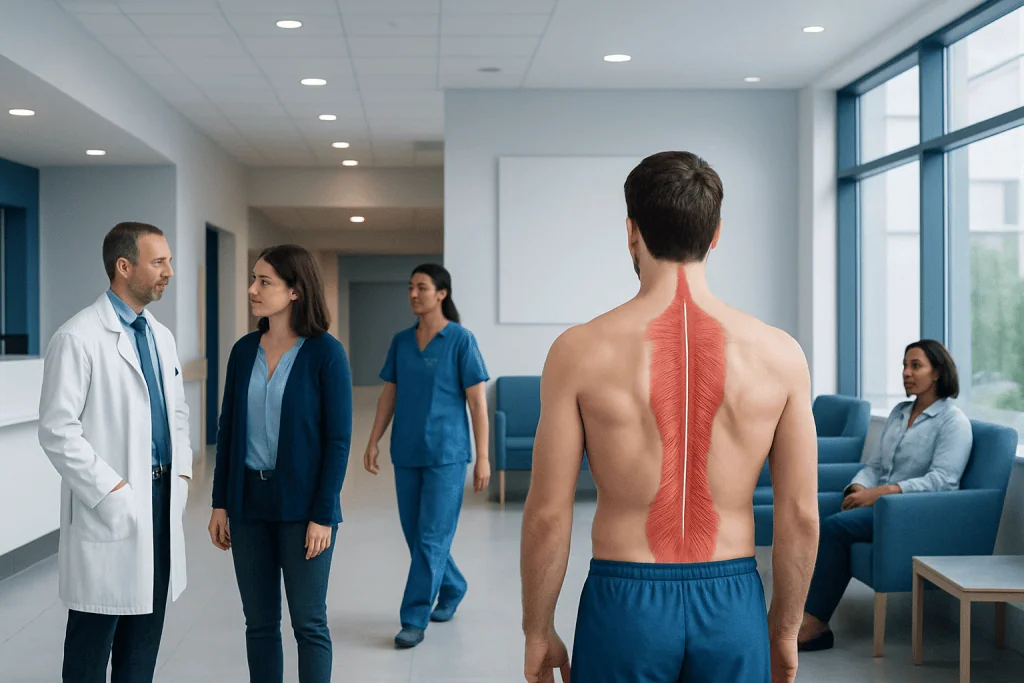
Paraspinal muscles run along the spine and are essential for posture, balance, and controlled movement. Pain in this area is commonly caused by muscle strain, overuse, poor body mechanics, or an underlying spine problem.
Key Takeaways
- Paraspinal muscles run along the spine and are essential for posture, balance, and controlled movement.
- Pain in this area is commonly caused by muscle strain, overuse, poor body mechanics, or an underlying spine problem.
- Diagnosis usually starts with a medical history and physical examination, with imaging used when symptoms suggest a structural issue.
- Treatment often includes activity modification, physical therapy, exercise, and addressing any related spinal condition.
- Urgent assessment is important if back pain occurs with weakness, numbness, fever, major trauma, or bladder or bowel changes.
Paraspinal muscles are the deep back muscles that help stabilize the spine, keep the body upright, and control bending and twisting. When they become strained, tight, or irritated, they can contribute to back pain, stiffness, and reduced movement, but symptoms often improve with the right evaluation and care.
Overview: what the paraspinal muscles do
The paraspinal muscles are a group of muscles that run alongside the spine from the neck to the lower back. Their main job is to support the spinal column, maintain posture, and help the body perform controlled movements such as standing upright, bending backward, rotating, and stabilizing during walking or lifting. In simple terms, they act as the spine’s active support system.
These muscles work continuously, often without conscious effort. They help keep the trunk steady while the arms and legs move, and they share the workload with the abdominal muscles, ligaments, discs, and joints of the spine. Because they are active throughout the day, they can become painful when overworked, deconditioned, injured, or affected by nearby spinal problems.
Patients often use the term “paraspinal muscle pain” to describe aching, tightness, or spasm felt next to the spine. This does not always mean the muscles are the only source of discomfort. Sometimes pain begins in the muscles themselves, while in other cases the muscles become tense and reactive because of a problem such as poor posture, a disc disorder, arthritis, or nerve irritation.
Anatomy and why these muscles matter
The paraspinal muscle group includes several deep and superficial muscles, especially the erector spinae and transversospinalis muscles. Together, they extend the spine, help with side-bending and rotation, and provide fine control over small spinal movements. They are especially important for segmental stability, meaning they help each level of the spine stay aligned during motion.
Healthy paraspinal muscles distribute forces efficiently. When they are strong and well-coordinated, everyday tasks such as sitting, standing, climbing stairs, reaching, and lifting place less strain on the joints and discs. When they are weak, fatigued, or painful, the body may compensate with stiff movements, reduced activity, and overloading of other tissues.
Paraspinal muscles also play a role in recovery after back problems. Long-lasting low back pain can be associated with reduced muscle endurance, altered muscle activation, and loss of muscle mass in the deeper stabilizing muscles. This is one reason why rehabilitation is often aimed not only at relieving pain, but also at rebuilding strength, control, flexibility, and confidence in movement.
Symptoms linked to paraspinal muscle problems

Symptoms vary depending on whether the issue is a simple strain, muscle spasm, overuse, or a reaction to another spinal condition. Many people describe a dull ache or tight band of pain on one or both sides of the spine. The discomfort may increase after lifting, prolonged sitting, sudden twisting, exercise that exceeds usual activity, or sleeping in an awkward position.
Common features of paraspinal muscle pain include stiffness, tenderness to touch, reduced range of motion, and pain that feels worse with certain movements but improves with rest or gentle activity. Some people notice muscle spasm, which can feel like a sudden tightening or cramping in the back. Symptoms may occur in the neck, upper back, or lower back, depending on which part of the paraspinal muscles is affected.
Muscle-related pain is usually localized, but it can coexist with symptoms from the spine itself. If pain radiates down an arm or leg, causes numbness or tingling, or is accompanied by weakness, a healthcare professional may consider other conditions such as a herniated disc or nerve compression. Persistent pain may also overlap with structural issues such as scoliosis or age-related spinal changes.
- Aching or tightness next to the spine
- Stiffness, especially after rest or in the morning
- Muscle spasm or tenderness
- Pain triggered by lifting, twisting, or prolonged posture
- Reduced flexibility or fear of movement because of discomfort
Common causes and risk factors
The most common cause of paraspinal muscle pain is strain. This can happen after lifting something heavy, making a sudden movement, increasing exercise too quickly, or spending long periods in a bent or unsupported position. Repetitive activities at work or during sports can also overload the muscles and lead to microscopic injury, inflammation, and protective spasm.
Not all paraspinal symptoms come from the muscles alone. Nearby structures can trigger or maintain muscle tension. For example, disc problems, facet joint irritation, spinal curvature, inflammatory conditions, or osteoarthritis can change how the back moves and cause the paraspinal muscles to work harder. In some cases, pain may be related to spinal narrowing, especially in older adults, such as spinal stenosis.
Risk factors include poor conditioning, weak core muscles, long periods of sitting, limited flexibility, inadequate recovery between activities, obesity, smoking, and stress-related muscle tension. Aging can contribute because muscle mass and endurance naturally change over time. Even so, age alone does not mean pain is inevitable; appropriate exercise and posture habits can support paraspinal health at any stage of life.
How doctors diagnose the cause
Evaluation starts with a careful history. A clinician will usually ask when the pain began, where it is felt, what makes it better or worse, whether it radiates, and whether there are associated symptoms such as fever, weight loss, weakness, or numbness. They may also ask about work activities, exercise, previous injuries, and how symptoms affect sleep and daily function.
The physical examination often includes checking posture, spinal movement, muscle tenderness, flexibility, strength, reflexes, and sensation. This helps distinguish likely muscle strain from signs of nerve involvement or a more complex spinal issue. In many uncomplicated cases, this evaluation is enough to guide early treatment.
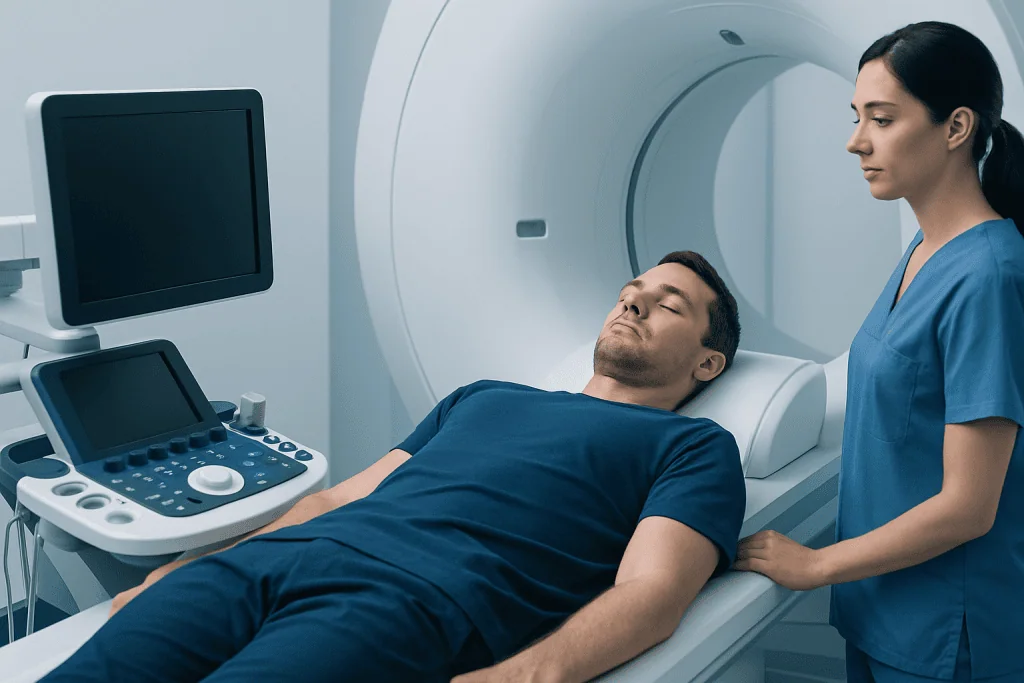
Imaging is not always needed right away for recent, uncomplicated back pain. However, tests such as X-rays, MRI, or CT may be recommended if symptoms are severe, persistent, or associated with red flags, or if a structural cause is suspected. MRI can be especially helpful when clinicians need to assess discs, nerves, soft tissues, and deeper muscle changes. If surgery is being considered for a related spinal problem, further assessment may be required through a spine surgery consultation.
Treatment options for paraspinal muscle pain
Most paraspinal muscle problems improve with conservative care. Early management often includes short-term activity modification rather than complete bed rest, along with gentle movement to prevent worsening stiffness. A clinician may recommend heat or ice, posture changes, and nonprescription pain relief when appropriate for the individual’s overall health. The best approach depends on symptom duration, intensity, and the underlying cause.
Physical therapy is commonly one of the most effective treatments. A rehabilitation plan may focus on stretching tight tissues, improving core and back muscle endurance, correcting movement patterns, and gradually returning to normal activities. For many patients, physical therapy and rehabilitation plays a central role because it addresses both pain relief and prevention of recurrence.
If symptoms are related to a spinal disorder, treatment should target that condition as well as the muscles. Depending on findings, options may include supervised exercise, pain management strategies, image-guided procedures, or surgery in selected cases. When neck symptoms are involved, evaluation by specialists in neurosurgery may be appropriate if there is significant nerve compression or structural disease. Surgery is usually reserved for cases in which non-surgical care has not helped enough or when there is a specific indication such as progressive neurologic deficit.
Recovery is often gradual. Muscles that have become deconditioned or persistently tense may need time to regain endurance and normal movement patterns. Consistent follow-up and a realistic rehabilitation plan can help patients return safely to work, exercise, and daily life.
Self-care, exercise, and prevention
Simple daily habits can reduce strain on the paraspinal muscles. These include changing position regularly, keeping work surfaces at a comfortable height, using proper lifting technique, and building exercise gradually instead of making sudden increases in intensity. Supportive sleep positions and attention to ergonomics during desk work or driving may also help.
Exercise is one of the most useful long-term strategies. Programs that combine walking or other low-impact aerobic activity with flexibility work and strengthening for the core, hips, and back can improve spinal support. The goal is not only stronger muscles, but also better coordination and endurance. A therapist or physician can advise which exercises are appropriate, especially after injury or if there is an underlying spinal condition.
Patients should be cautious with prolonged rest, repeated heavy lifting during painful flare-ups, and unsupervised high-intensity training if symptoms are ongoing. If pain keeps returning, it may be a sign that movement patterns, muscle imbalances, or a structural issue need closer attention. Near the end of the care pathway, some patients may benefit from multidisciplinary assessment; Acibadem International’s specialists and JCI-accredited hospitals diagnose and treat spine and muscle-related conditions for international patients.
- Take movement breaks during long periods of sitting
- Use hip and knee bending rather than back rounding to lift
- Build exercise intensity gradually
- Strengthen the core, gluteal, and back muscles
- Seek guidance if pain repeatedly returns or limits activity
When to seek medical care
Many episodes of paraspinal muscle pain settle with time and conservative care, but medical advice is important if symptoms are severe, recurrent, or not improving after a reasonable period. Assessment is also helpful when pain limits walking, work, sleep, or normal daily activities, or when the cause is unclear.
More urgent medical attention is needed if back pain follows significant trauma or occurs with fever, unexplained weight loss, chest pain, progressive weakness, numbness, or changes in bladder or bowel control. These features may point to something more than a simple muscle problem and should not be ignored. Children, older adults, and people with cancer, osteoporosis, or immune system problems may also need earlier evaluation.
Prompt review can help identify whether the symptoms are mainly muscular or whether they are linked to another issue that needs targeted care. Early diagnosis often supports better pain control, safer activity, and a clearer plan for recovery.
Frequently asked questions
What are the paraspinal muscles?
Paraspinal muscles are the muscles that run along both sides of the spine. They help support posture, stabilize the back and neck, and control movements such as bending, straightening, and rotating.
Can paraspinal muscles cause back pain on their own?
Yes. Strain, overuse, spasm, or poor conditioning of the paraspinal muscles can cause localized back pain and stiffness. However, muscle pain can also happen alongside disc, joint, or nerve problems, so persistent symptoms should be evaluated.
How is paraspinal muscle pain different from nerve pain?
Muscle pain is often felt as aching, tightness, tenderness, or spasm close to the spine and may worsen with certain movements. Nerve pain is more likely to radiate into an arm or leg and may be associated with numbness, tingling, burning, or weakness.
Do imaging tests always show paraspinal muscle problems?
Not always. Many muscle strains are diagnosed through history and physical examination alone. Imaging is usually reserved for persistent symptoms, suspected structural problems, or warning signs that suggest a more serious cause.
What helps paraspinal muscles heal?
Relative rest, gentle movement, heat or ice, and a gradual return to activity are commonly helpful. Physical therapy can be especially useful because it addresses flexibility, strength, posture, and movement patterns that may have contributed to the pain.
When should a person worry about paraspinal muscle pain?
Medical care should be sought if pain is severe, keeps returning, or does not improve. Urgent assessment is important if it occurs with trauma, fever, unexplained weight loss, weakness, numbness, or bladder or bowel changes.
References
- National Institute of Arthritis and Musculoskeletal and Skin Diseases
- American Academy of Orthopaedic Surgeons
- National Institute of Neurological Disorders and Stroke
- MedlinePlus
- World Health Organization
This article is for general information only and is not a substitute for professional medical advice. Please consult a qualified doctor about your individual situation.
Joint and spine care in Turkey — expert assessment & treatment
JCI-accredited · board-certified surgeons · reply within 24h
Add us as a Preferred Source to see more of our trusted health content across Google Search, AI Overviews and Discover.

More from the Health Library

Zinc and Magnesium: An Evidence-Based Guide for Patients
Ventilator — Explained by Medical Evidence, Not Myths

Sodium Phosphate: What Patients Need to Know

Will Milk Help a Sore Throat: What Patients Need to Know

Health Disparities: A Complete Medical Overview

Prophylaxis: What Patients Need to Know
Orthopedic Surgery & Traumatology Specialists at Acibadem

Prof. Dr. Barış Kocaoğlu
Orthopedic Surgery & Traumatology
Dr. Bengü Kasım
Physical Medicine & Rehabilitation
Dr. Berhan Bayram
Orthopedic Surgery & Traumatology
Assoc. Prof. Dr. Berkin Toker
Orthopedic Surgery & Traumatology