Mals Syndrome: Diagnosis, Outlook, and Modern Treatment Approaches

MALS syndrome can cause chronic upper abdominal pain, nausea, and weight loss, often worsening after eating. The condition is uncommon and can be difficult to diagnose because its symptoms overlap with many digestive disorders.
Key Takeaways
- MALS syndrome can cause chronic upper abdominal pain, nausea, and weight loss, often worsening after eating.
- The condition is uncommon and can be difficult to diagnose because its symptoms overlap with many digestive disorders.
- Diagnosis often relies on imaging studies together with a careful medical evaluation to rule out other causes.
- Treatment depends on symptom severity and may range from supportive care to surgery that releases the ligament.
- Outlook is often better when diagnosis is individualized and treatment is guided by an experienced multidisciplinary team.
MALS syndrome is a rare condition in which the median arcuate ligament compresses the celiac artery and nearby nerves, often causing upper abdominal pain, especially after meals. Diagnosis usually combines symptom review with targeted imaging, and treatment may include nutritional support, pain management, and in selected cases, surgery to relieve the compression.
Overview: what MALS syndrome means
MALS syndrome, short for median arcuate ligament syndrome, is an uncommon condition in which a fibrous band under the diaphragm presses on the celiac artery and sometimes the surrounding nerve plexus. This can reduce blood flow in certain situations and may also trigger pain through nerve irritation. The result is often recurring upper abdominal pain, especially after eating or during exercise.
For many patients, the main question is whether MALS syndrome is real, diagnosable, and treatable. The answer is yes, but it is also complex. Not every person with celiac artery compression has symptoms, so doctors do not diagnose MALS from imaging alone. The diagnosis is usually made by matching a typical pattern of symptoms with imaging findings and excluding other more common causes of pain.
This is one reason the condition can be frustrating. Symptoms may be present for months or years before a clear explanation is found. A thoughtful evaluation is important because common digestive conditions such as ulcers, gallbladder disease, reflux, irritable bowel syndrome, and gastroparesis can look similar.
Symptoms and how they affect daily life
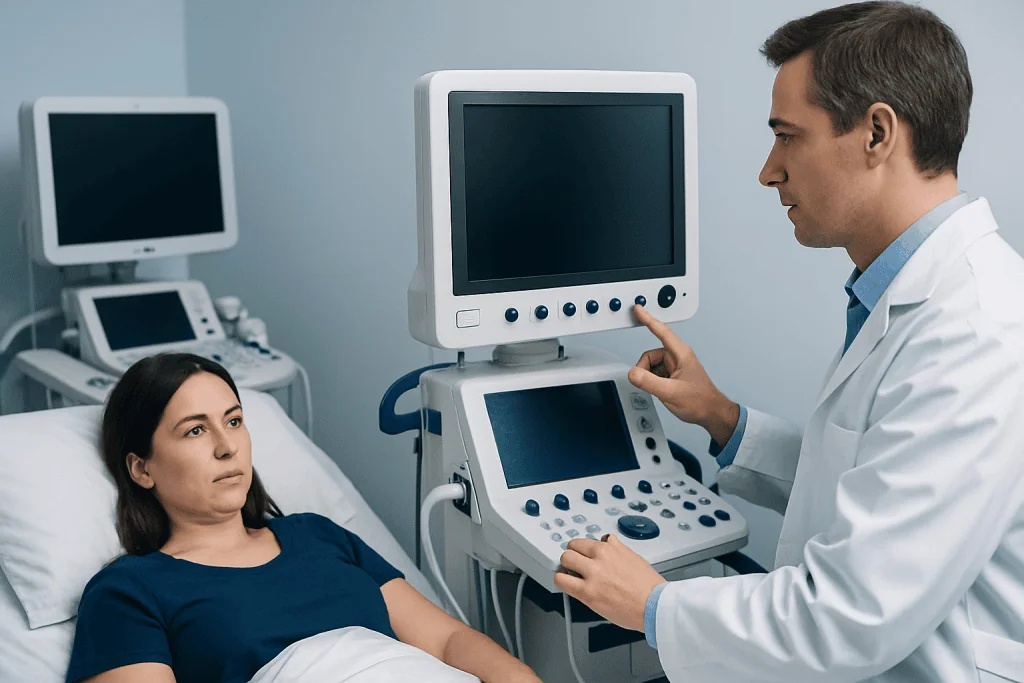
The most common symptom of MALS syndrome is pain in the upper abdomen, often in the middle or slightly to the left. The pain frequently appears after meals because digestion increases blood demand in the area supplied by the celiac artery. Some people also notice discomfort during physical activity, bloating, early fullness, nausea, or vomiting.
Because eating can trigger symptoms, some patients begin to avoid meals without meaning to. Over time, this can lead to weight loss, reduced energy, and anxiety around food. A person may describe taking smaller meals, eating slowly, or skipping meals to avoid pain.
Symptoms vary from person to person, but common features include:
- Upper abdominal pain, especially after eating
- Nausea or occasional vomiting
- Bloating or early satiety
- Unintended weight loss
- Reduced appetite
- Pain that may worsen with exercise or deep exhalation
These symptoms are not specific to MALS syndrome, which is why a broad evaluation is usually needed before reaching a diagnosis. In some patients, the emotional strain of chronic unexplained pain is also significant and deserves attention as part of overall care.
Causes, anatomy, and who may be at risk
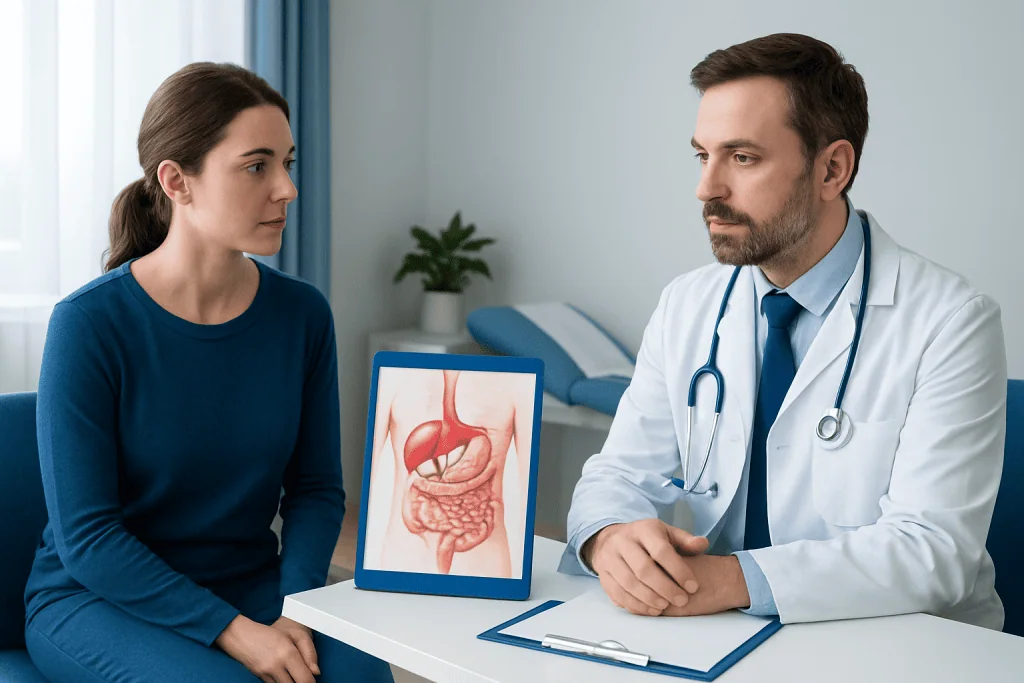
The median arcuate ligament is a normal structure that connects parts of the diaphragm. In some people, it lies lower than usual and crosses in front of the celiac artery. When this happens, the artery and nearby nerves may be compressed, particularly during exhalation when the diaphragm moves upward.
The exact reason why some people with this compression develop symptoms and others do not is still being studied. In addition to reduced blood flow, irritation of the celiac plexus nerves may play an important role in causing pain. This helps explain why symptoms do not always match the degree of narrowing seen on scans.
MALS syndrome is often discussed in younger adults, but it can be evaluated in a range of ages. It may be considered when a patient has persistent meal-related abdominal pain, weight loss, and negative tests for more common digestive conditions. Doctors may also consider whether symptoms could be related to vascular, gastrointestinal, or functional causes before concluding that MALS is the main explanation.
Because symptoms overlap with many disorders, specialists often work through a careful differential diagnosis. Depending on the situation, doctors may need to rule out peptic ulcer disease, gallbladder problems, inflammatory bowel disease, chronic mesenteric ischemia, or other causes of upper abdominal pain.
How MALS syndrome is diagnosed
Diagnosis starts with a detailed medical history and physical examination. Doctors usually ask when the pain happens, whether it is linked to meals or exercise, how much weight has been lost, and what testing has already been done. Since MALS is uncommon, physicians generally first look for more common explanations of abdominal symptoms.
Imaging is central to the evaluation. Doppler ultrasound can show increased blood flow velocity in the celiac artery, especially with breathing changes. CT angiography or MR angiography can show the characteristic narrowing or hooked appearance of the celiac artery caused by external compression. These studies help support the diagnosis, but they must be interpreted in the context of symptoms.
Additional tests are often used to exclude other conditions. Depending on the patient, this may include blood tests, upper endoscopy, abdominal ultrasound, or other gastrointestinal studies. In selected cases, doctors may consider tests related to digestive motility, particularly if symptoms overlap with irritable bowel syndrome or delayed stomach emptying.
Because diagnosis is not based on one finding alone, patients often benefit from a multidisciplinary review involving gastroenterology, vascular surgery, radiology, and sometimes pain or nutrition specialists. If advanced imaging is needed, clinicians may use MRI imaging or angiographic studies as part of a broader assessment.
Modern treatment approaches
Treatment for MALS syndrome depends on how strongly the symptoms, examination, and imaging fit together, and how much the condition is affecting nutrition and daily life. Not every person with celiac artery compression needs an operation. Some patients first need treatment for another digestive disorder, while others may benefit from symptom-focused support and ongoing observation.
When symptoms are significant and the diagnosis is considered likely, the main treatment is surgical release of the median arcuate ligament. The goal is to relieve pressure on the celiac artery and surrounding nerves. This may be done with open surgery or minimally invasive techniques such as laparoscopy, depending on the case and the surgical team’s assessment. In selected patients, vascular reconstruction or endovascular procedures may be considered if residual narrowing remains after decompression.
Supportive care also matters. Nutritional counseling can help patients maintain calorie intake and reduce fear around meals while the workup is ongoing or during recovery. Pain management may be individualized, especially if nerve-related pain is suspected. Some centers also evaluate whether celiac plexus-targeted approaches are helpful in specific situations.
If symptoms overlap with other upper digestive conditions, related evaluation or therapy may be useful. For example, clinicians may assess the stomach and upper gastrointestinal tract with endoscopy, and some patients benefit from coordinated care involving gastroenterology specialists alongside vascular and surgical teams.
Outlook and recovery after treatment
The outlook for MALS syndrome varies because the condition itself is variable. Some people improve substantially after ligament release, especially when their symptoms closely match the diagnosis and other causes have been carefully excluded. Others improve more gradually, and some continue to have pain even after technically successful surgery.
Recovery depends on several factors, including nutritional status before treatment, the duration of symptoms, whether nerve irritation is a major part of the pain, and whether any other gastrointestinal disorder is also present. This is why expectations should be realistic and individualized rather than based on one single outcome story.
Follow-up care may include symptom review, dietary support, and repeat imaging in selected cases. If discomfort persists, the team may reassess for remaining vascular narrowing, another digestive condition, or a functional pain component. A structured recovery plan can help patients return to normal eating and activity at a safe pace.
Near the end of the treatment journey, some international patients may seek care in centers experienced in complex abdominal and vascular conditions. Acibadem International’s multidisciplinary specialists and JCI-accredited hospitals diagnose and treat MALS syndrome for international patients as part of coordinated evaluation and follow-up.
Self-care and living with symptoms
While self-care does not correct the underlying compression, it can make daily life more manageable during evaluation or recovery. Smaller, more frequent meals are often easier to tolerate than large meals. Patients may also find it helpful to eat slowly, keep a symptom diary, and note whether certain foods, meal size, or activity patterns worsen pain.
Good hydration and balanced nutrition are important, especially if appetite is low. If weight loss is ongoing, a clinician or dietitian should be involved early. Nutritional supplements may sometimes be recommended by a doctor or dietitian when ordinary meals are not enough.
Stress reduction can also help, not because the symptoms are “just stress,” but because chronic pain often affects sleep, mood, and eating habits. Gentle activity, rest, and a clear follow-up plan can all support recovery. Self-treatment should not replace medical review, particularly if symptoms are persistent or worsening.
When to seek medical care
A person should seek medical care if they have repeated upper abdominal pain after meals, unexplained weight loss, persistent nausea, or difficulty eating enough to maintain energy and nutrition. These symptoms do not always mean MALS syndrome, but they do deserve assessment by a qualified doctor.
Urgent evaluation is important if abdominal pain is severe, sudden, or accompanied by fainting, fever, black stools, vomiting blood, chest pain, or signs of dehydration. These symptoms may point to other conditions that need prompt care.
If MALS syndrome is suspected, it is often helpful to see a team familiar with abdominal vascular and digestive disorders. A careful, step-by-step review can clarify whether the symptoms fit MALS syndrome or another condition that needs different treatment.
Frequently asked questions
What is MALS syndrome?
MALS syndrome is a rare condition in which the median arcuate ligament compresses the celiac artery and nearby nerves. It can cause upper abdominal pain, especially after eating, along with nausea, bloating, or weight loss.
Is MALS syndrome dangerous?
MALS syndrome is usually discussed as a chronic quality-of-life condition rather than an immediate emergency. However, persistent pain, poor nutrition, and significant weight loss should be taken seriously and assessed by a doctor.
How is MALS syndrome confirmed?
Doctors usually combine symptom history with imaging such as Doppler ultrasound, CT angiography, or MR angiography. The diagnosis is made carefully because some people have celiac artery compression on scans without having symptoms.
Can MALS syndrome be treated without surgery?
Some patients first receive supportive care, nutritional guidance, and evaluation for other digestive causes of pain. If symptoms are severe and the diagnosis is convincing, surgery to release the ligament is often the main definitive treatment.
Does surgery always cure MALS syndrome?
No treatment works the same way for everyone. Many patients improve after surgery, but some have partial improvement or ongoing symptoms, especially if another gastrointestinal or pain-related condition is also present.
What kind of doctor treats MALS syndrome?
Care often involves more than one specialist. Depending on the case, this may include a gastroenterologist, vascular surgeon, general surgeon, radiologist, and nutrition professional.
References
- National Institute of Diabetes and Digestive and Kidney Diseases
- American College of Gastroenterology
- Society for Vascular Surgery
- National Organization for Rare Disorders
- Radiological Society of North America
This article is for general information only and is not a substitute for professional medical advice. Please consult a qualified doctor about your individual situation.
Joint and spine care in Turkey — expert assessment & treatment
JCI-accredited · board-certified surgeons · reply within 24h
Add us as a Preferred Source to see more of our trusted health content across Google Search, AI Overviews and Discover.