

Heart Attack Survival Rate: What Patients Need to Know

Heart attack survival rate improves significantly when emergency treatment is not delayed. Calling emergency services at the first warning signs is safer than trying to drive to a hospital.
Key Takeaways
- Heart attack survival rate improves significantly when emergency treatment is not delayed.
- Calling emergency services at the first warning signs is safer than trying to drive to a hospital.
- Long-term outlook depends not only on survival in the hospital, but also on heart function, rehabilitation, and risk-factor control.
- Chest pressure, shortness of breath, nausea, sweating, and pain spreading to the arm, jaw, or back can signal a heart attack.
- Regular follow-up, heart-healthy habits, and prescribed medicines can lower the risk of another event.
Heart attack survival rate is generally much better when treatment starts quickly, especially within the first hours after symptoms begin. Survival depends on how fast blood flow is restored, the type of heart attack, the person’s overall health, and the care they receive after the event.
Overview: What Heart Attack Survival Rate Really Means
The heart attack survival rate is often better than many people expect, especially when the person receives emergency care quickly. A heart attack happens when blood flow to part of the heart muscle is blocked, usually by a clot forming on top of a narrowed coronary artery. The sooner that blocked artery is opened, the greater the chance of survival and the lower the chance of lasting heart damage.
Survival rate does not refer only to whether a person leaves the hospital alive. Doctors also look at how well the heart pumps afterward, whether complications develop, and how likely another event may be in the future. In other words, survival is only one part of the overall outlook.
Several factors shape prognosis. These include how much heart muscle is affected, whether the attack is treated in minutes or hours, the person’s age, and whether they have other conditions such as diabetes, kidney disease, high blood pressure, or prior heart disease. Fast recognition and emergency treatment remain the single most important factors that patients and families can influence.
Why Timing Has Such a Big Effect on Survival

During a heart attack, every minute matters because heart muscle begins to suffer damage when oxygen-rich blood cannot reach it. If blood flow is restored quickly, more of the heart can be saved. This is why doctors sometimes use the phrase “time is muscle.”
People who seek help immediately tend to have better outcomes than those who wait to see whether symptoms go away. Delays may happen because symptoms can be mistaken for indigestion, fatigue, anxiety, or muscle pain. Some people also hesitate because symptoms are mild, unusual, or come and go.
Emergency teams can begin evaluation and treatment before the patient even reaches the hospital. Once in hospital, rapid testing and artery-opening treatment may include medicines, catheter-based procedures, or surgery depending on the cause and severity. For some patients, evaluation may involve coronary angiography to identify the blocked artery and guide the next step in care.
Because delay is so harmful, patients should not try to “push through” suspected heart attack symptoms. Calling emergency services is usually the safest choice, as treatment can begin earlier and sudden complications such as dangerous heart rhythm problems can be managed on the way to hospital.
Symptoms That Should Never Be Ignored
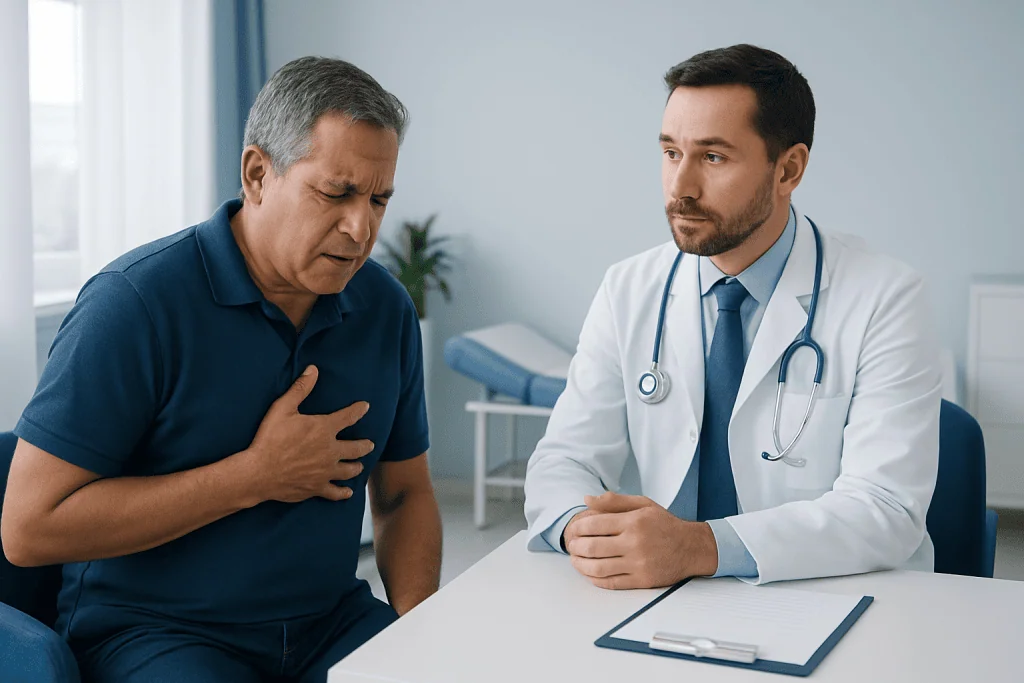
Heart attack symptoms do not always look dramatic. The classic symptom is pressure, squeezing, fullness, or pain in the center or left side of the chest that lasts more than a few minutes or comes and goes. However, a heart attack can also present with shortness of breath, sweating, nausea, dizziness, unusual tiredness, or pain that spreads to the arm, shoulder, jaw, neck, or back.
Symptoms can differ by age and sex. Women, older adults, and people with diabetes may be more likely to have less typical symptoms, such as breathlessness, fatigue, upper abdominal discomfort, or a general sense that something is wrong. Because of this, people should not wait for severe chest pain before seeking help.
It is also important to know that not every chest symptom is a heart attack, but it is safer to be evaluated urgently than to miss one. Some related emergencies can cause similar symptoms, including unstable coronary artery disease flare-ups and abnormal heart rhythms. A medical team can quickly assess whether the symptoms are due to a blocked artery, another heart condition, or a different cause entirely.
What Affects Survival and Long-Term Outlook
The size and location of the blocked artery strongly influence outcome. A complete blockage in a major coronary artery can cause a larger heart attack than a partial blockage or a blockage in a smaller branch. Larger heart attacks are more likely to weaken the pumping function of the heart and lead to complications.
Complications can include heart failure, shock, abnormal heart rhythms, valve problems, or damage to the heart wall. These are among the reasons survival rate varies from one patient to another. Some patients arrive at hospital stable and improve quickly, while others need intensive support because the heart attack has already affected blood pressure, oxygen levels, or heart rhythm.
Personal risk factors matter too. Smoking, high cholesterol, diabetes, obesity, lack of exercise, chronic stress, high blood pressure, and a family history of early heart disease can all increase both the risk of a first heart attack and the chance of another one later. Patients with delayed treatment or previous heart damage may also have a more guarded outlook.
Still, many people recover well and return to active daily life. The long-term outlook can improve substantially when the blocked artery is treated promptly and the patient follows a structured plan for medication, rehabilitation, and lifestyle changes.
How Doctors Diagnose and Treat a Heart Attack
Diagnosis usually begins with a symptom review, physical examination, electrocardiogram (ECG), and blood tests that look for markers of heart muscle injury. These tests help doctors confirm whether a heart attack is happening and determine its type. Continuous monitoring is also important because heart rhythm disturbances can occur suddenly.
Treatment focuses on restoring blood flow and protecting the heart. Depending on the situation, patients may receive blood-thinning medicines, pain relief, oxygen when needed, and drugs that reduce the heart’s workload. Many patients benefit from angioplasty with stent placement to reopen the blocked artery as quickly as possible.
Some people have severe or complex coronary blockages that are better treated with coronary artery bypass surgery. Others may need additional support for complications such as rhythm problems, low blood pressure, or heart failure. Care is individualized based on test results, symptoms, and the patient’s overall condition.
After the emergency phase, treatment continues with secondary prevention. This usually includes medicines to reduce clotting risk, control blood pressure, lower cholesterol, and protect heart function. Cardiac rehabilitation, supervised exercise, nutrition guidance, and smoking cessation support are often key parts of recovery.
Recovery After Survival: What Patients Can Expect
Recovering from a heart attack is a process, not a single event. Some people feel much better within days, while others need weeks or months to regain strength. Fatigue, reduced stamina, and understandable anxiety about another event are common in the early recovery period.
Doctors usually advise a gradual return to daily activities, based on symptoms, heart function, and the treatment received. Follow-up appointments help monitor healing, check blood pressure and cholesterol, adjust medicines, and assess whether the heart is pumping normally. If symptoms such as chest discomfort, breathlessness, swelling, or fainting return, medical review is needed promptly.
Cardiac rehabilitation can make a major difference in quality of life and long-term outlook. It combines supervised exercise, education, and counseling to help patients rebuild confidence and lower future risk. The goal is not only to survive a heart attack, but also to improve strength, independence, and heart health over time.
Near the end of recovery planning, some international patients may seek coordinated specialist care. Acibadem International’s multidisciplinary cardiology teams at JCI-accredited hospitals diagnose and treat heart attack and related conditions for international patients when advanced evaluation or follow-up is needed.
Lowering the Risk of Another Heart Attack
For people who have survived a heart attack, prevention becomes a central part of care. Taking prescribed medicines exactly as directed is one of the most effective ways to reduce future risk. Stopping medicines without medical advice can increase the chance of another blocked artery or other serious complications.
Lifestyle changes also play an important role. Helpful steps often include avoiding tobacco, being physically active within medical guidance, choosing a diet rich in vegetables, fruits, whole grains, and healthy fats, improving sleep, and maintaining a healthy weight. Diabetes, blood pressure, and cholesterol need regular monitoring and treatment.
Stress management matters as well. Emotional strain does not usually cause a heart attack by itself, but it can affect blood pressure, sleep, smoking, eating habits, and medication adherence. Patients may benefit from relaxation techniques, counseling, support groups, or structured rehabilitation programs that address both physical and emotional recovery.
- Take medicines consistently and attend follow-up visits.
- Stop smoking and avoid secondhand smoke.
- Ask the doctor when exercise can be resumed safely.
- Follow a heart-healthy eating plan.
- Seek help for stress, depression, or sleep problems.
When to Seek Medical Care
Emergency medical care is needed right away for possible heart attack symptoms. These include chest pressure or pain lasting more than a few minutes, pain spreading to the jaw or arm, sudden shortness of breath, cold sweating, fainting, or severe unexplained nausea. If symptoms are severe or worsening, calling emergency services is safer than having someone drive the patient.
People who have already had a heart attack should also seek urgent medical advice if they notice new or returning chest discomfort, unusual breathlessness, fast or irregular heartbeat, swelling in the legs, or sudden exhaustion with routine activity. These may be signs that the heart needs prompt reassessment.
Even if symptoms turn out not to be a heart attack, it is appropriate to get checked. Quick evaluation can rule out dangerous causes and, when a heart attack is present, early treatment can make a meaningful difference in heart attack survival rate and long-term recovery.
Frequently asked questions
What is the heart attack survival rate?
Heart attack survival rate varies from person to person, but it is generally much better when treatment begins quickly. The most important message is that early emergency care greatly improves the chance of survival and reduces damage to the heart.
How quickly should someone get help for possible heart attack symptoms?
Help should be sought immediately. Waiting to see if symptoms improve can reduce treatment options and increase the risk of serious complications, including dangerous heart rhythm problems and permanent heart muscle damage.
Can someone survive a heart attack and still have long-term problems?
Yes, survival does not always mean the heart is completely unaffected. Some people recover with little lasting damage, while others may develop reduced heart function, rhythm issues, or heart failure depending on the size of the attack and how quickly it was treated.
Are heart attack symptoms always severe chest pain?
No. Some people have pressure, tightness, or discomfort rather than sharp pain, and others may mainly notice shortness of breath, nausea, sweating, fatigue, or pain in the jaw, back, or arm. Symptoms can be less typical in women, older adults, and people with diabetes.
What treatment most improves heart attack survival?
The treatment that most improves survival is rapid restoration of blood flow to the heart. This may involve medicines, emergency angioplasty with a stent, or bypass surgery in selected cases, along with close monitoring and supportive care.
Can lifestyle changes really improve outlook after a heart attack?
Yes. Stopping smoking, taking prescribed medicines, joining cardiac rehabilitation, controlling blood pressure and cholesterol, staying active, and eating a heart-healthy diet can all lower the risk of another event and support recovery.
References
- American Heart Association
- National Heart, Lung, and Blood Institute
- Centers for Disease Control and Prevention
- European Society of Cardiology
- World Health Organization
This article is for general information only and is not a substitute for professional medical advice. Please consult a qualified doctor about your individual situation.
Heart care in Turkey — expert evaluation and treatment
JCI-accredited · board-certified surgeons · reply within 24h
Add us as a Preferred Source to see more of our trusted health content across Google Search, AI Overviews and Discover.
Check your numbers in seconds
BMI, calories, due date, blood pressure and 30+ more clinical calculators — free, instant, doctor-reviewed ranges.

More from the Health Library



Related Specialists

Dr. Fikret Çolak
Radiology
Dr. Duygu Gür Ünal
Pediatrics
Dr. Kutluhan Demirarslan
Inpatient Clinic Physicians Clinical Service
Prof. Dr. Cahide Soydaş Çınar
Cardiology