Hyperacusis: What Patients Need to Know

Hyperacusis means reduced tolerance to everyday sounds, not simply disliking noise. It may occur with tinnitus, migraine, hearing loss, noise exposure, head injury, or other ear and nerve-related conditions.
Key Takeaways
- Hyperacusis means reduced tolerance to everyday sounds, not simply disliking noise.
- It may occur with tinnitus, migraine, hearing loss, noise exposure, head injury, or other ear and nerve-related conditions.
- Diagnosis usually involves a medical history, ear examination, hearing tests, and assessment of sound tolerance.
- Treatment focuses on the underlying cause when possible and may include sound therapy, counseling, and hearing rehabilitation.
- Overprotecting the ears all the time can sometimes worsen sound sensitivity over time.
- New or one-sided symptoms, severe ear pain, sudden hearing changes, or neurological symptoms need prompt medical attention.
Hyperacusis is a condition in which ordinary sounds feel uncomfortably loud, intrusive, or even painful, even when they are normal for other people. It can affect sleep, concentration, work, and social life, but careful evaluation and supportive treatment can help many patients manage symptoms and improve daily comfort.
Overview: what hyperacusis means
Hyperacusis is a heightened sensitivity to sound. For someone with hyperacusis, everyday noises such as running water, dishes clinking, traffic, a hair dryer, or normal conversation may seem excessively loud, stressful, or painful. The problem is not only the volume of sound in the environment, but also how the brain and hearing system process that sound.
This condition is different from simply preferring quiet spaces. Many people dislike loud noise, but hyperacusis can make ordinary daily situations difficult and exhausting. Patients may avoid restaurants, public transport, family gatherings, workspaces, or even routine household activities because the sounds feel overwhelming.
Hyperacusis can happen on its own, but it also commonly appears alongside tinnitus, hearing loss, migraine, ear disease, or certain neurological conditions. It can affect one or both ears and may range from mild discomfort to significant distress. Because several conditions can produce similar symptoms, a structured medical assessment is important.
Another point that matters to patients is that hyperacusis is not always visible on a standard hearing test. A person may have normal hearing thresholds and still have severe sound intolerance. That is one reason why diagnosis often depends on both test results and a careful discussion of how sounds affect daily life.
Symptoms and how hyperacusis feels in daily life
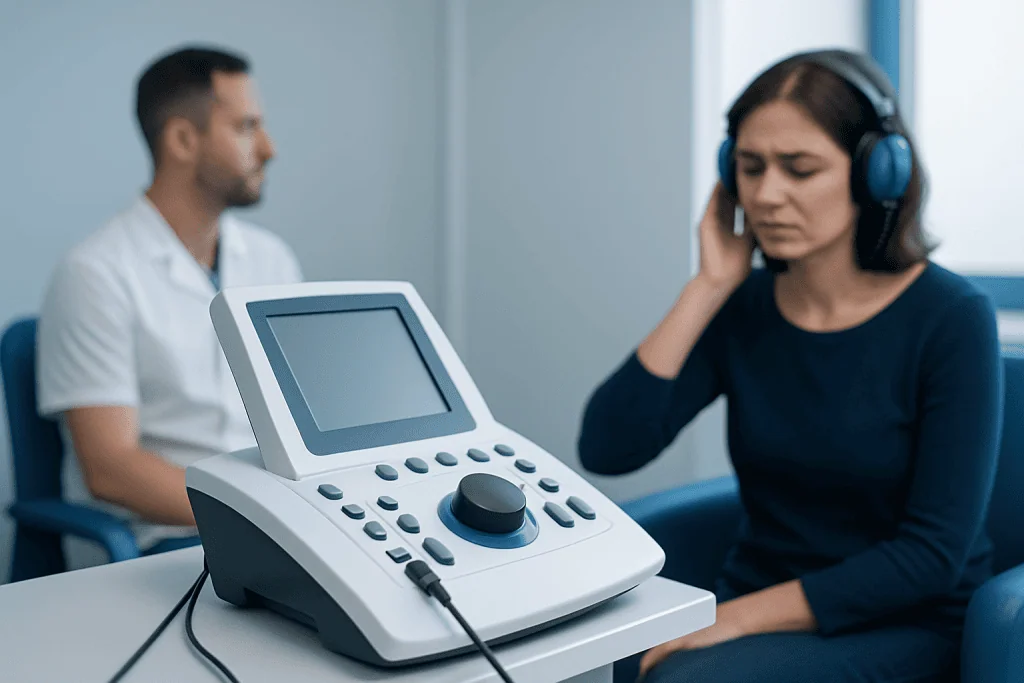
The most common symptom is an unusually strong reaction to sounds that most people consider tolerable. Some patients describe sounds as piercing, sharp, physically painful, startling, or emotionally draining. Others say noise creates pressure, fullness in the ears, tension, anxiety, or a need to escape the environment quickly.
Symptoms vary from person to person. Some people react mainly to sudden sounds, while others struggle with steady background noise or particular frequencies such as high-pitched voices, alarms, or electronic sounds. The effect can be physical, emotional, or both, and many patients become more alert to sound over time.
Hyperacusis may be associated with:
- Ear discomfort or pain with normal sounds
- Sound-triggered stress, irritability, or fatigue
- Trouble concentrating in noisy environments
- Avoidance of social settings or public places
- Sleep disruption
- Tinnitus, or ringing and buzzing in the ears
- Difficulty wearing hearing devices or tolerating amplified sound
These symptoms can overlap with related problems such as tinnitus or hearing loss, but the hallmark of hyperacusis is reduced sound tolerance. In some cases, patients also become fearful of noise because they expect discomfort. This reaction can increase distress and make the condition feel more limiting.
Causes and risk factors

Hyperacusis does not have one single cause. It is better understood as a symptom pattern that can arise from changes in the ear, auditory nerve pathways, brain sound processing, or the way the body responds to stress and sensory input. In some patients, no clear trigger is identified.
One recognized cause is noise exposure, especially a very loud event or repeated exposure over time. Sound sensitivity may also develop after ear infections, head injury, surgery involving the ear, Bell’s palsy, migraine, temporomandibular joint problems, or certain neurological disorders. It may occur together with hearing loss because the brain can become more sensitive as it tries to compensate for altered hearing signals.
Risk factors and associated conditions may include:
- Long-term exposure to loud workplaces, music, or machinery
- Sudden acoustic trauma
- Tinnitus or sensorineural hearing loss
- Migraine and sound-triggered headaches
- Head or neck injury
- Inner ear disorders such as Meniere's disease
- Stress, anxiety, or heightened sensory vigilance
Hyperacusis can also be confused with other sound-related conditions. For example, misophonia involves strong emotional reactions to certain trigger sounds, while phonophobia refers to fear of sound, often linked to migraine or anxiety. Some patients have overlap between these patterns, which is another reason specialist assessment can be helpful.
How doctors diagnose hyperacusis
Diagnosis starts with a detailed history. A doctor or audiologist will usually ask when symptoms began, which sounds are most difficult, whether there was recent noise exposure or injury, and whether there are related symptoms such as tinnitus, dizziness, ear fullness, headache, facial weakness, or hearing changes. They will also ask how the condition affects sleep, work, travel, and mood.
A physical examination checks the ears and looks for signs of infection, wax blockage, eardrum problems, or other visible causes. Hearing evaluation often includes pure-tone audiometry and may include tests that help assess middle ear function or the auditory pathway. In some cases, clinicians measure uncomfortable loudness levels, although this is done carefully and not in a way that unnecessarily distresses the patient.
Additional testing depends on the suspected cause. If symptoms suggest hearing loss, balance disorders, or inner ear disease, the evaluation may include more advanced hearing and vestibular assessment, and sometimes hearing test services are part of the workup. If there are red flags such as asymmetrical symptoms, neurological findings, or unexplained dizziness, imaging or referral to neurology may be needed.
The goal is not only to confirm hyperacusis, but also to rule out conditions that can mimic it or make it worse. A clear diagnosis helps guide treatment and reassures patients that their symptoms are being understood in a structured, medical way.
Treatment options and symptom management
Treatment depends on the cause, severity, and accompanying symptoms. If hyperacusis is linked to an underlying problem such as migraine, ear disease, or hearing loss, managing that condition is an important part of care. Patients with associated hearing loss may benefit from hearing rehabilitation, because improving hearing input can sometimes reduce the brain’s tendency to overreact to sound.
Sound therapy is commonly used. This approach introduces gentle, tolerable sound in a gradual and structured way so the auditory system becomes less reactive over time. It is not about forcing the ears to endure distressing noise. Instead, it aims to rebuild sound tolerance carefully, often with guidance from an audiologist or ear specialist.
Other treatment approaches may include counseling, cognitive behavioral strategies, tinnitus management, and practical environmental adjustments. When hearing loss is present, selected patients may also be evaluated for hearing aids, which can be adjusted thoughtfully to avoid discomfort. If another ENT problem is contributing, treatment may involve broader ear surgery planning in specific cases, though surgery is not a standard treatment for hyperacusis itself.
One important point is that constant use of earplugs or earmuffs in everyday safe environments is usually not recommended unless advised for a specific reason. While hearing protection is important in genuinely loud settings, overuse in normal environments may increase sound sensitivity by reducing the brain’s exposure to routine sound. A balanced plan is usually more helpful than complete sound avoidance.
Prevention and self-care
Not all cases of hyperacusis can be prevented, but sound health habits can reduce risk and support recovery. Protecting the ears during clearly loud activities is sensible, such as using appropriate hearing protection around machinery, concerts, power tools, or industrial noise. At the same time, routine daily environments should usually remain part of normal life unless a clinician advises otherwise.
Patients often do better when they aim for gradual, manageable sound exposure instead of strict silence. A calm home sound environment, soft background sound, and regular routines may help reduce the sense that every noise is a threat. Good sleep habits, stress reduction, hydration, and migraine control can also matter, especially for people whose symptoms fluctuate.
Helpful self-care steps may include:
- Avoiding sudden high-volume headphone use
- Taking breaks from noisy environments rather than wearing ear protection all day
- Tracking triggers such as fatigue, stress, or certain settings
- Seeking help for tinnitus, headache, jaw tension, or anxiety if these are present
- Following an audiologist’s or ENT specialist’s sound exposure plan
Self-care should complement, not replace, a medical evaluation. If symptoms are severe, progressive, or linked to new hearing or balance problems, professional guidance is important. Near the end of the care pathway, some international patients choose centers such as Acibadem International, where multidisciplinary specialists and JCI-accredited hospitals evaluate and treat ear and hearing conditions in a coordinated way.
When to seek medical care
Patients should consider medical evaluation when sound sensitivity lasts more than a short time, interferes with work or daily activities, causes ear pain, or leads to avoiding normal situations. A doctor visit is also appropriate if hyperacusis appears together with tinnitus, dizziness, headache, jaw pain, or difficulty hearing speech.
Prompt medical care is important if symptoms start suddenly after a loud sound exposure, head injury, ear infection, or surgery. New one-sided hearing symptoms, facial weakness, severe vertigo, ear drainage, or a noticeable drop in hearing need urgent assessment because they may suggest a different underlying problem that requires timely treatment.
In children, persistent distress around everyday sounds should also be discussed with a clinician, especially if it affects school, sleep, or communication. A careful assessment can help distinguish hyperacusis from developmental, behavioral, or hearing-related issues and guide supportive next steps.
Frequently asked questions
Is hyperacusis the same as tinnitus?
No. Tinnitus is the perception of sound, such as ringing or buzzing, when no external sound is present. Hyperacusis is reduced tolerance to external sounds that other people usually find normal, although the two conditions often occur together.
Can hyperacusis happen even if a hearing test is normal?
Yes. Some people with hyperacusis have normal hearing thresholds on standard hearing tests. The condition can involve abnormal sound processing or reduced loudness tolerance rather than a simple loss of hearing sensitivity.
Will hyperacusis go away on its own?
In some cases, symptoms improve, especially when a temporary trigger is identified and managed. However, persistent or worsening sound sensitivity should be assessed by a doctor or audiologist so that underlying causes can be checked and a treatment plan can be discussed.
Should people with hyperacusis wear earplugs all the time?
Usually no, unless they are in a truly loud environment or a clinician has recommended temporary use. Constant ear protection in normal daily settings can sometimes increase sound sensitivity by reducing regular sound exposure too much.
What kind of doctor treats hyperacusis?
Evaluation often involves an ENT specialist and an audiologist. Depending on symptoms, other specialists such as neurologists, headache experts, psychologists, or rehabilitation professionals may also be involved.
Can anxiety cause hyperacusis?
Anxiety does not explain every case, but it can increase awareness of sound and worsen the distress linked to symptoms. Hyperacusis is best approached as a real sensory problem that may also be influenced by stress, sleep, and emotional wellbeing.
This article is for general information only and is not a substitute for professional medical advice. Please consult a qualified doctor about your individual situation.
Explore treatments in Turkey — costs, top hospitals & a free quote
JCI-accredited · board-certified surgeons · reply within 24h
Add us as a Preferred Source to see more of our trusted health content across Google Search, AI Overviews and Discover.

More from the Health Library
Concussion Eyes: What Patients Need to Know

Kudzu: A Complete Medical Overview

Sleeping Heart Rate: A Complete Medical Overview

Kohlrabi: What Patients Need to Know

Insulin Resistance — Explained by Medical Evidence, Not Myths