Heatable Pad: A Complete Medical Overview

A heatable pad may reduce pain and stiffness by improving blood flow and relaxing muscles. Heat is often most helpful for muscle tightness, cramps, and ongoing stiffness rather than a fresh injury.
Key Takeaways
- A heatable pad may reduce pain and stiffness by improving blood flow and relaxing muscles.
- Heat is often most helpful for muscle tightness, cramps, and ongoing stiffness rather than a fresh injury.
- Safe use matters: avoid prolonged contact, very high temperatures, and sleeping with a heatable pad.
- People with reduced skin sensation, poor circulation, or certain medical conditions should ask a doctor before use.
- Medical evaluation is important if pain is severe, persistent, unexplained, or linked to weakness, swelling, or fever.
A heatable pad is a simple heat therapy tool used to relieve muscle tension, joint stiffness, menstrual cramps, and other everyday aches. It can be effective and comforting when used properly, but it is not the right choice for every type of pain or every person.
Overview: what a heatable pad does
A heatable pad is a reusable or electric device that delivers gentle warmth to a specific area of the body. People commonly use it for back discomfort, neck tightness, shoulder tension, menstrual cramps, and stiffness in muscles or joints. In many cases, it offers short-term symptom relief and can be part of a broader self-care plan.
Heat works differently from medicines. Rather than changing pain chemistry throughout the body, it acts locally by warming tissues near the skin. This warmth may help muscles relax, may make stiff areas feel looser, and may improve comfort during rest or light movement.
A heatable pad is best understood as supportive care, not a diagnosis or cure. If a person has ongoing pain, repeated flare-ups, or symptoms that interfere with normal activities, a medical assessment is useful to look for the underlying cause, such as strain, arthritis, nerve irritation, or another condition.
How heat therapy may help the body
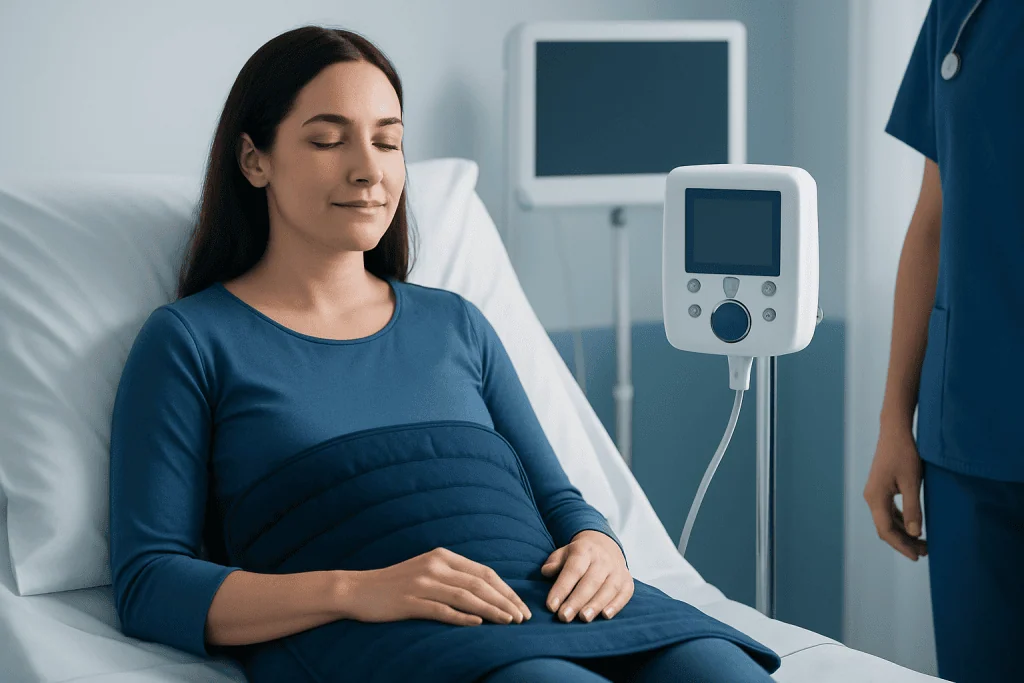
Heat therapy can support pain relief through several simple mechanisms. Warming the skin and tissues may encourage local blood flow, which can help muscles feel less tight and may improve comfort. The soothing effect of warmth can also reduce the sense of guarding that often happens when a painful area remains tense.
For many people, a heatable pad is especially helpful when pain is linked to stiffness rather than swelling. Examples include muscle tightness after a long day, chronic low back discomfort, or cramping related to menstruation. It may also make gentle stretching easier when advised by a clinician or physical therapist.
Heat does not treat every kind of pain equally. A sudden injury with active inflammation, major swelling, or visible bruising may respond better to rest and cold early on. If a person is unsure whether heat is appropriate, it is safer to ask a healthcare professional before using it regularly.
Common uses for a heatable pad

A heatable pad is often used for everyday conditions that cause localized discomfort. Many people apply it to the lower back, neck, shoulders, abdomen, or knees. It can be particularly useful before activity when an area feels stiff, or during rest when a person wants to settle muscle tension.
Common situations where heat may help include:
- Muscle tightness or spasm
- Chronic or recurring back or neck discomfort
- Menstrual cramps
- Mild joint stiffness, especially in the morning or after sitting
- General soreness after overuse, once acute swelling has settled
Some people with long-term pain conditions find that heat improves comfort enough to support movement, posture changes, or sleep. In a broader treatment plan, this may sit alongside exercise, posture correction, physical therapy, or medical care for conditions such as back pain or a herniated disc, depending on the cause.
When heat may not be the best choice
Although a heatable pad is widely used, there are situations where it may not be suitable. Heat is generally less appropriate for a new injury that is hot, swollen, or visibly inflamed. In these cases, adding more warmth may increase discomfort or swelling.
Heat should also be used carefully or avoided when a person has reduced ability to feel temperature, since this raises the risk of burns. Examples include some forms of nerve damage, diabetes-related sensory loss, or certain neurological conditions. Poor circulation, fragile skin, severe skin disease, or an open wound in the area also call for caution.
If pain comes with numbness, significant weakness, spreading redness, fever, chest symptoms, or loss of bladder or bowel control, a heatable pad should not delay medical assessment. Supportive measures are not a substitute for evaluating potentially serious symptoms.
Safe use: important precautions and practical tips
Safe use is one of the most important parts of heat therapy. A heatable pad should feel comfortably warm, not hot enough to sting or redden the skin. It should be placed over clothing or a cloth barrier when needed, especially in people with sensitive skin. Direct prolonged exposure can cause burns even when the heat seems mild at first.
In general, it is best to use heat for short sessions and then check the skin. The exact timing depends on the product and the person, but frequent breaks are sensible. A person should not sleep with an electric heatable pad, lie on top of it, or use it under heavy blankets unless the product instructions specifically allow this and a doctor has advised it.
Basic safety points include:
- Read and follow the product instructions
- Check the skin regularly for redness or irritation
- Avoid using damaged electric pads or frayed cords
- Do not use on numb skin or over open wounds
- Stop use if pain worsens or the skin becomes overly red
For people with recurrent pain, combining heat with movement, posture changes, and clinician-guided exercise may be more helpful than relying on heat alone. Depending on the diagnosis, care may also include physical therapy and rehabilitation or specialist review.
How doctors evaluate pain that is being treated with a heatable pad
Many aches improve with rest and self-care, but persistent or repeated pain deserves proper evaluation. A doctor usually begins by asking where the pain is, how long it has been present, whether it is sharp or dull, and what makes it better or worse. They may also ask about fever, swelling, injury, numbness, weakness, sleep problems, or effects on daily life.
A physical examination can help identify whether the problem is most likely muscular, joint-related, nerve-related, or referred from another part of the body. For example, back pain may come from simple muscle strain, but it can also relate to spinal joints, discs, or posture. In some cases, imaging or other tests are needed to clarify the cause.
If symptoms suggest a more complex issue, referral may be made for further care. Depending on the findings, options can include pain management, orthopedic evaluation, rehabilitation, or imaging studies. The goal is to match treatment to the cause rather than treating all pain in the same way.
Treatment options beyond a heatable pad
A heatable pad can be one part of symptom relief, but long-lasting improvement often depends on addressing the underlying problem. For muscle strain or postural discomfort, this may include activity adjustment, stretching, strengthening, ergonomic changes, and guided rehabilitation. For joint or spine conditions, treatment may be more individualized.
Other approaches sometimes used alongside or instead of heat include:
- Restoring movement through exercise or supervised therapy
- Short-term use of pain-relief medicines when appropriate
- Improving sleep position, desk setup, or lifting technique
- Managing inflammatory conditions under medical supervision
- Specialist care for nerve, disc, or structural problems
If a person has stubborn pain, repeated episodes, or symptoms affecting mobility, doctors may recommend a broader treatment plan. In selected cases this can include pain management strategies, rehabilitation, or targeted treatment for the diagnosed condition. Near the end of the care pathway, patients seeking international care may also consult Acibadem International, where multidisciplinary specialists in JCI-accredited hospitals diagnose and treat musculoskeletal and pain-related conditions.
When to seek medical care
A person should seek medical advice if pain lasts more than a few days without improvement, returns often, or limits normal work, sleep, or movement. Medical review is also sensible when the cause is unclear or when heat only provides brief relief.
Prompt assessment is more important if pain follows a fall or accident, or if it is associated with swelling, marked redness, fever, numbness, weakness, or pain that spreads down an arm or leg. Emergency care may be needed for severe chest pain, trouble breathing, sudden neurological symptoms, or new loss of bladder or bowel control.
In children, older adults, pregnant individuals, and people with chronic illnesses such as diabetes or vascular disease, extra caution is wise. A healthcare professional can help decide whether a heatable pad is appropriate and whether another diagnosis should be considered.
Frequently asked questions
What is a heatable pad used for?
A heatable pad is commonly used to ease muscle tension, stiffness, menstrual cramps, and some types of chronic back or neck discomfort. It is mainly a symptom-relief tool and works best when the pain is related to tightness or stiffness rather than a fresh swollen injury.
Is a heatable pad good for back pain?
It can be helpful for many people with back pain caused by muscle tightness or ongoing stiffness. However, back pain has many possible causes, so persistent, severe, or radiating pain should be assessed by a doctor rather than managed with heat alone.
When should heat not be used?
Heat may not be the best choice for a new injury with swelling, visible inflammation, or bruising. It should also be used cautiously in anyone with numbness, poor circulation, fragile skin, or difficulty sensing temperature, because burns can happen without warning.
Can a heatable pad cause burns?
Yes, it can if the temperature is too high or the pad is used for too long. Burns are more likely when someone falls asleep with the pad on, uses a damaged electric pad, or has reduced skin sensation.
How long should a heatable pad be used?
Use should generally be limited to short sessions with regular skin checks and breaks in between. Exact timing depends on the type of pad and the manufacturer's guidance, so the safest approach is to follow the product instructions and stop if the skin becomes too red or uncomfortable.
Can a heatable pad be used every day?
Some people use heat daily for chronic stiffness or cramps, especially as part of a broader self-care routine. Daily use may be reasonable if it is comfortable and safe, but ongoing pain should still be reviewed if it is frequent, worsening, or affecting daily life.
This article is for general information only and is not a substitute for professional medical advice. Please consult a qualified doctor about your individual situation.
Joint and spine care in Turkey — expert assessment & treatment
JCI-accredited · board-certified surgeons · reply within 24h
Add us as a Preferred Source to see more of our trusted health content across Google Search, AI Overviews and Discover.

More from the Health Library

Submucosal Fibroid: An Evidence-Based Guide for Patients

Catecholamines: What Patients Need to Know

Ureteral Stent — Explained by Medical Evidence, Not Myths

Retrograde Urethrogram for Urethral Narrowing or Injury

Jelqing: A Complete Medical Overview