Cephalic: A Complete Medical Overview

Cephalic is a medical term that means relating to the head. In pregnancy, cephalic usually describes a baby in a head-down position before delivery.
Key Takeaways
- Cephalic is a medical term that means relating to the head.
- In pregnancy, cephalic usually describes a baby in a head-down position before delivery.
- Cephalic position is common near term and is generally the preferred position for vaginal birth.
- Doctors may also use cephalic in anatomy and diagnostic reports to describe the head end of the body.
- If there are concerns about fetal position, labor progress, or unusual symptoms, a healthcare professional can assess the situation safely.
Cephalic means “related to the head,” but in everyday medical use it most often refers to a baby positioned head-down in the uterus before birth. The term also appears in anatomy, imaging, and clinical notes to describe structures, directions, or findings involving the head end of the body.
Overview: what cephalic means
Cephalic is a medical word that means “of the head” or “toward the head.” It comes from the Greek word kephale, meaning head. In healthcare, this term is used in more than one way, so its exact meaning depends on the context in which it appears.
For many people, cephalic is most familiar during pregnancy. In obstetrics, cephalic usually means that the baby is positioned head-down in the uterus. This is also called cephalic presentation and is the most common position near the end of pregnancy. Because the head enters the birth canal first, it is generally considered the most favorable position for a vaginal birth.
Outside pregnancy, cephalic may appear in anatomy, physical examination, and imaging reports. For example, a clinician may describe a body part as being in a cephalic direction, meaning toward the head, or may refer to blood vessels, nerves, or findings in the head region. Understanding this broad use can help make medical language feel less confusing.
Cephalic in pregnancy and childbirth
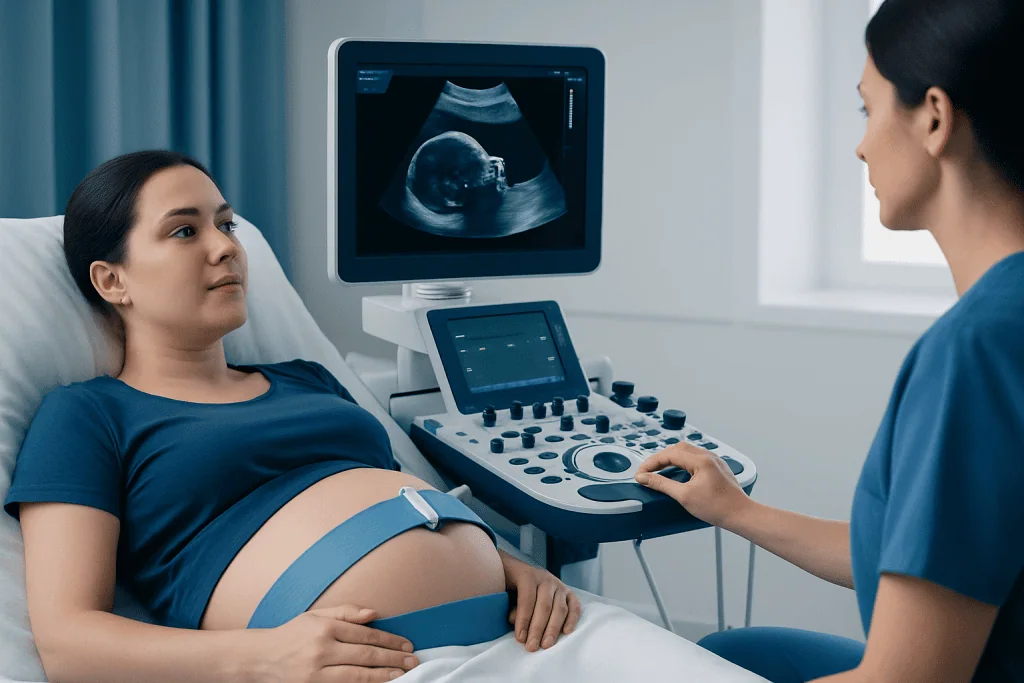
In pregnancy, cephalic usually refers to the baby’s position in the womb. A baby is in a cephalic position when the head is down and closer to the pelvis, while the buttocks or feet are higher up. This position often develops naturally as pregnancy advances, especially in the last weeks before labor begins.
There are several types of cephalic presentation. The most common is vertex presentation, where the baby’s head is flexed and the top of the head is positioned to come through the birth canal first. Other less common cephalic positions can involve the face or brow presenting first. These may still be described as cephalic because the head leads, but they can affect how labor progresses and whether a vaginal birth is advisable.
It is also helpful to distinguish cephalic from other fetal positions. A baby who is bottom-down may be described as breech, and a baby lying sideways may be described as transverse. These are not cephalic presentations. If a baby remains non-cephalic close to the due date, the care team may discuss monitoring, exercises, timing of delivery, or specific procedures depending on the clinical picture.
In many pregnancies, fetal position can change more than once before labor. A baby may not settle into a stable cephalic position until later in the third trimester. This is one reason routine prenatal visits are important: they allow clinicians to monitor growth, well-being, and position over time rather than relying on a single observation.
Other medical uses of the word cephalic

Although pregnancy is the most common reason patients encounter the term, cephalic is used across many areas of medicine. In anatomy, it can describe something located near the head or moving toward the head. For example, directions such as “cephalad” or “cephalically” may appear in surgical, radiology, or physical examination notes.
The term may also be part of a name for a body structure. One example is the cephalic vein, a superficial vein of the upper limb that runs along the outer side of the arm toward the shoulder. Clinicians may mention it when discussing intravenous access, blood vessel anatomy, or vascular procedures.
In diagnostic imaging, cephalic may help describe orientation. A radiologist may refer to the cephalic end of a structure or compare findings in relation to the head. In these situations, the word is not a diagnosis by itself. It is simply a directional or anatomical term that helps healthcare teams communicate clearly and consistently.
How doctors assess cephalic position
During pregnancy, clinicians use several methods to assess whether a baby is in a cephalic position. One is abdominal examination, often performed during prenatal visits, in which the doctor or midwife feels the mother’s abdomen to estimate the baby’s lie, presentation, and position. This can provide useful information, especially later in pregnancy, though it is not always exact.
Ultrasound is another common and reliable way to confirm fetal position. It can show whether the baby is head-down, breech, or transverse and can also provide information about the placenta, amniotic fluid, and overall fetal well-being. If fetal position is uncertain, ultrasound often helps clarify the next steps. In some circumstances, clinicians may use ultrasound imaging as part of routine prenatal care or to evaluate a position concern more closely.
During labor, the care team may also assess presentation through pelvic examination, especially if the cervix is dilated enough to feel the presenting part. This helps determine whether the labor is progressing in a typical way. If there are questions about fetal position, labor arrest, or maternal and fetal safety, additional monitoring or imaging may be considered.
When a non-cephalic presentation is identified, the next steps depend on gestational age, symptoms, and the overall health of the mother and baby. Some babies turn on their own, while others do not. A personalized plan is important because management can vary significantly from one pregnancy to another.
Why cephalic position matters
Cephalic position matters most in childbirth because the baby’s orientation can influence the course of labor and the type of delivery that is safest. A head-down position usually allows the broadest and best-studied pathway for vaginal birth. When the head is well flexed and aligned with the pelvis, labor often progresses more efficiently.
However, being cephalic does not automatically mean labor will be simple, and not being cephalic does not always mean a cesarean delivery is certain. Many factors affect birth, including the baby’s exact head position, the shape of the pelvis, the strength and timing of contractions, gestational age, and whether there are other pregnancy complications. Cephalic is one important detail, but it is only one part of a larger obstetric assessment.
In some situations, doctors may identify a cephalic presentation but still note a less favorable head attitude or position, such as face or brow presentation, or an occiput position that may slow labor. If additional care is needed, the obstetric team may discuss options that support a safe delivery. When birth planning becomes more complex, related information about pregnancy and delivery approaches can help patients understand the broader picture.
If the baby is not cephalic
If a baby is not in a cephalic position late in pregnancy, the care team will consider several factors before recommending a plan. These include how many weeks pregnant the patient is, whether labor has started, the baby’s size and movements, the amount of amniotic fluid, and whether there are uterine or placental factors affecting position.
A breech or transverse position does not always cause symptoms, which is why prenatal assessment is so valuable. In some pregnancies, doctors may discuss a procedure called external cephalic version, in which gentle pressure is applied on the abdomen to try to turn the baby into a head-down position. This is not suitable for everyone, but it can be an option in selected cases under medical supervision.
Sometimes the safest choice is planned cesarean birth, especially if the baby remains in a position that could make vaginal delivery difficult or risky. If questions arise about delivery planning, fetal position, or the possible role of cesarean section, individualized obstetric guidance is important. Decisions are based on maternal and fetal safety rather than on a single term in the chart.
Some people search for cephalic because they have been told their baby is breech and want to know the difference. In simple terms, cephalic means head-first, while breech birth refers to a bottom-first or feet-first presentation. The distinction helps guide how labor and delivery are managed.
Self-care, questions to ask, and when to seek medical care
Most patients do not need to do anything special simply because the word cephalic appears in a medical note. In pregnancy, the best self-care steps are regular prenatal visits, attention to fetal movement as advised by the care team, and asking clear questions about the baby’s position if anything is unclear. It can help to ask whether the baby is cephalic, whether the position is stable, and whether it affects the birth plan.
Patients should seek medical care promptly if they have vaginal bleeding, leaking fluid, painful regular contractions before term, decreased fetal movement, severe abdominal pain, fever, or symptoms that feel unusual or concerning. During labor, urgent assessment is also important if there is heavy bleeding, sudden severe pain, or concern about the baby’s well-being. A clinician can determine whether fetal position is part of the issue or whether another problem needs attention.
Outside pregnancy, cephalic in a report usually does not require treatment by itself. If the term appears in imaging or examination notes and is confusing, patients can ask what it refers to and whether it changes their diagnosis or care plan. Understanding the context often makes the report much easier to follow.
For people needing further evaluation, Acibadem International’s multidisciplinary specialists in JCI-accredited hospitals diagnose and treat pregnancy-related and general medical concerns for international patients. If fetal position or birth planning needs closer assessment, doctors may also use pregnancy follow-up to monitor changes and guide care safely over time.
Frequently asked questions
What does cephalic mean in simple terms?
Cephalic means related to the head. In pregnancy, it usually means the baby is positioned head-down, which is the most common position before birth.
Is cephalic the same as head-down?
In obstetrics, cephalic usually does mean head-down. More precisely, it means the baby’s head is the presenting part closest to the birth canal, although the exact head position can still vary.
Is cephalic position good for normal delivery?
Cephalic position is generally the preferred position for a vaginal birth because the head enters the birth canal first. Still, many other factors affect delivery, so a doctor or midwife will consider the full clinical picture.
Can a baby change from breech to cephalic late in pregnancy?
Yes, some babies do turn to a cephalic position late in pregnancy, especially before labor starts. Whether this is likely depends on gestational age and factors such as amniotic fluid, uterine shape, and the baby’s movements.
Does cephalic mean labor will be easy?
Not necessarily. A cephalic position is usually favorable, but labor can still vary based on the baby’s exact position, contraction pattern, pelvic anatomy, and other maternal or fetal factors.
Why would cephalic appear in a medical report outside pregnancy?
Doctors also use cephalic as an anatomical or directional term meaning toward the head or involving the head region. In that setting, it is often descriptive language rather than a diagnosis.
References
- American College of Obstetricians and Gynecologists
- Merck Manual
- National Institutes of Health
- Mayo Clinic
- World Health Organization
This article is for general information only and is not a substitute for professional medical advice. Please consult a qualified doctor about your individual situation.
Explore treatments in Turkey — costs, top hospitals & a free quote
JCI-accredited · board-certified surgeons · reply within 24h
Add us as a Preferred Source to see more of our trusted health content across Google Search, AI Overviews and Discover.
Check your numbers in seconds
BMI, calories, due date, blood pressure and 30+ more clinical calculators — free, instant, doctor-reviewed ranges.

More from the Health Library

Ca Bowel: What Patients Need to Know

Tilapia: What Patients Need to Know

Atarax — Explained by Medical Evidence, Not Myths

PTSD: A Complete Medical Overview

Bnc Social Security: What Patients Need to Know