PTSD: A Complete Medical Overview

PTSD can happen after experiencing or witnessing trauma and is not a sign of weakness. Common symptoms include intrusive memories, avoidance, negative mood changes, and feeling constantly on edge.
Key Takeaways
- PTSD can happen after experiencing or witnessing trauma and is not a sign of weakness.
- Common symptoms include intrusive memories, avoidance, negative mood changes, and feeling constantly on edge.
- Diagnosis is based on a clinical assessment of symptoms, trauma history, and how long symptoms have lasted.
- Evidence-based treatment often includes trauma-focused psychotherapy, and some people may also benefit from medication.
- Early support, healthy routines, and timely professional care can improve recovery and quality of life.
PTSD is a trauma-related mental health condition that may develop after a frightening, shocking, or life-threatening event. It can affect thoughts, emotions, sleep, relationships, and daily functioning, but effective treatment and support are available.
Overview
PTSD, or post-traumatic stress disorder, is a mental health condition that can develop after a person experiences, witnesses, or learns about a traumatic event. It is most often linked to events involving actual or threatened death, serious injury, violence, disaster, combat, assault, or severe accidents. While many people have stress reactions after trauma, PTSD is diagnosed when symptoms persist and interfere with everyday life.
PTSD is not simply “having bad memories.” It can affect the brain and body in ways that change sleep, concentration, emotions, relationships, and the sense of safety. Some people feel detached or numb, while others feel highly alert, irritable, or easily startled. Symptoms may begin soon after trauma or appear months later.
It is also important to know that trauma responses vary. Two people can go through similar events and have very different reactions. Age, past experiences, social support, and overall mental and physical health can all influence whether PTSD develops and how severe it becomes.
How PTSD Can Affect Daily Life
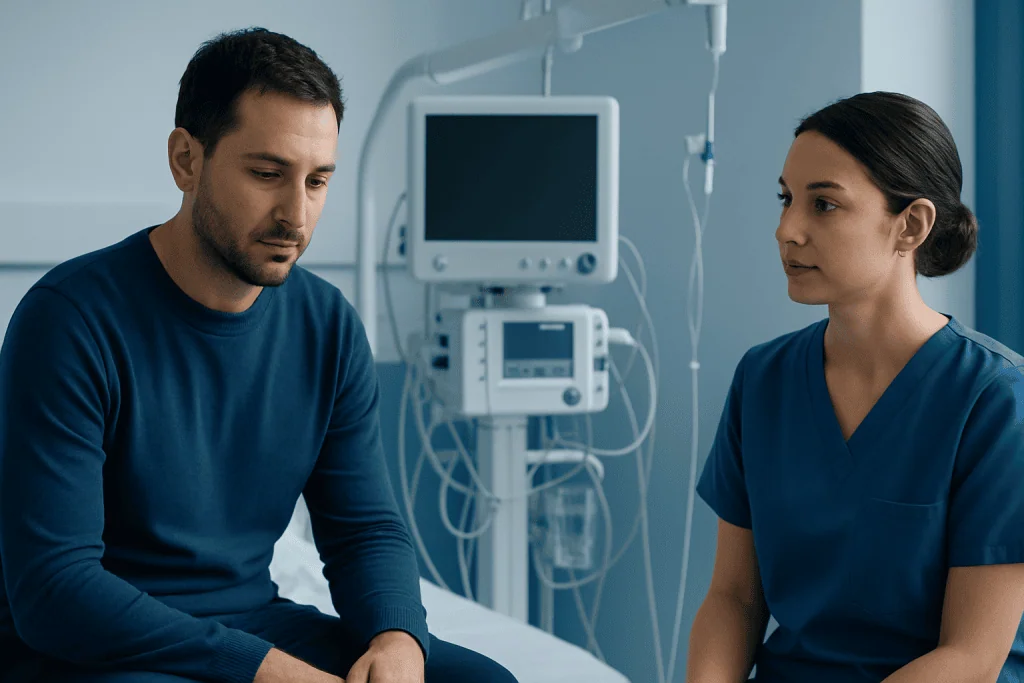
PTSD can affect much more than mood. A person may struggle at work or school because of poor concentration, sleep problems, or overwhelming reminders of the event. Social withdrawal is common, and everyday situations may feel unsafe even when there is no immediate danger.
Relationships can also be strained. Loved ones may notice irritability, emotional distance, or sudden distress triggered by sounds, places, anniversaries, or news reports. People with PTSD may avoid conversations, activities, or locations that remind them of what happened, which can limit independence and enjoyment of life.
PTSD can occur on its own, but it may also happen alongside anxiety, depression, panic symptoms, substance misuse, or chronic pain. In some cases, it overlaps with other stress-related conditions, including depression or sleep problems. Recognizing the broader impact of PTSD can help patients and families seek appropriate care sooner.
Symptoms of PTSD

PTSD symptoms are generally grouped into four main patterns. The first is intrusive symptoms, such as unwanted memories, distressing dreams, or flashbacks that make the event feel as though it is happening again. These experiences can be emotionally intense and may be triggered by reminders or arise unexpectedly.
The second pattern is avoidance. A person may avoid thoughts, feelings, conversations, places, people, or activities connected to the trauma. Although avoidance can seem protective at first, it often keeps symptoms going by preventing the brain from processing the experience in a healthier way.
The third and fourth patterns involve changes in mood, thinking, and physical reactivity. A person may feel guilt, shame, fear, emotional numbness, or loss of interest in life. They may also become jumpy, tense, irritable, or have trouble sleeping and concentrating. Common symptoms include:
- Intrusive memories or nightmares
- Flashbacks or severe emotional distress when reminded of trauma
- Avoidance of reminders
- Feeling detached, numb, or hopeless
- Negative beliefs about oneself, others, or the world
- Irritability, anger, or sudden emotional reactions
- Sleep disturbance and poor concentration
- Being easily startled or constantly alert
Children and adolescents may show PTSD differently. They may become clingy, regress in behavior, reenact the trauma in play, have school difficulties, or show irritability rather than describing emotions clearly. For this reason, age-appropriate assessment is important.
Causes and Risk Factors
PTSD is triggered by trauma, but not everyone exposed to trauma develops the condition. Events associated with PTSD can include military combat, physical or sexual assault, childhood abuse, natural disasters, serious accidents, sudden loss, medical emergencies, or witnessing harm to others. Repeated or prolonged trauma, especially during childhood, can increase the likelihood of longer-lasting symptoms.
Risk factors can include a personal or family history of mental health conditions, previous trauma, limited social support, ongoing stress after the event, and the severity or unpredictability of the trauma itself. Some people also have biological differences in stress-response systems that may make them more vulnerable.
Protective factors matter as well. Early emotional support, physical safety, stable housing, access to healthcare, and strong family or community connections can reduce the risk of persistent symptoms. Understanding risk does not mean blaming the person; PTSD is a medical condition shaped by many interacting factors.
How PTSD Is Diagnosed
PTSD is diagnosed through a careful clinical evaluation rather than a blood test or scan. A doctor, psychiatrist, or psychologist asks about the traumatic event, current symptoms, their duration, and how they affect work, relationships, sleep, and daily activities. Symptoms usually need to last more than one month and cause significant distress or impairment for a diagnosis to be made.
The assessment also helps distinguish PTSD from normal short-term stress reactions, grief, panic disorder, depression, substance-related problems, or other trauma-related conditions. In some patients, physical symptoms such as headaches, fatigue, or gastrointestinal upset are part of the overall picture and may prompt broader evaluation.
Because PTSD can coexist with other conditions, clinicians may screen for depression, anxiety, suicidal thoughts, sleep disorders, and substance misuse. If concentration or memory concerns are significant, additional neurological or psychological assessment may be considered. In some situations, doctors may recommend supportive evaluation and care through psychiatry services as part of a comprehensive plan.
Treatment Options for PTSD
PTSD is treatable, and many people improve with structured care. First-line treatment often involves trauma-focused psychotherapy. These therapies help patients process traumatic memories, reduce avoidance, challenge distressing beliefs, and gradually regain a sense of safety and control. Treatment is usually individualized based on symptoms, age, medical history, and personal preferences.
Common evidence-based approaches include cognitive behavioral therapy, cognitive processing therapy, prolonged exposure therapy, and eye movement desensitization and reprocessing. Not every approach suits every patient, so treatment may need adjustment over time. For some people, family education and supportive counseling are also important, especially when PTSD affects communication and trust.
Medication may also help, particularly when PTSD occurs with depression, severe anxiety, sleep problems, or marked irritability. Medication does not erase trauma memories, but it may reduce symptom intensity and make therapy more manageable. In complex cases, care may involve both mental health and neurological assessment, especially if symptoms overlap with anxiety or other stress-related disorders.
Some patients benefit from integrated programs that include psychotherapy, medication review, sleep support, and functional recovery strategies. Where needed, clinicians may coordinate with neurology or psychology teams to better understand cognitive, emotional, or sleep-related symptoms. Near the end of the care pathway, international patients may also seek evaluation at Acibadem International, where multidisciplinary specialists in JCI-accredited hospitals diagnose and treat PTSD and related conditions.
Self-care, Recovery, and Prevention
Self-care does not replace professional treatment, but it can support recovery. Regular sleep routines, balanced meals, gentle physical activity, limiting alcohol or recreational drugs, and staying connected to trusted people can all help stabilize the nervous system. Many people also benefit from reducing exposure to distressing media content if it intensifies symptoms.
Recovery is rarely a straight line. Symptoms may improve gradually, then temporarily worsen around anniversaries, stressful life events, or new reminders of trauma. This does not mean treatment has failed. Learning grounding techniques, breathing exercises, and practical coping plans can make flare-ups easier to manage.
PTSD cannot always be prevented after trauma, but early support can lower risk. Psychological first aid, practical safety, and timely follow-up for persistent symptoms are often more helpful than forcing a person to discuss the event before they are ready. People recovering from trauma may also need support for related issues such as sleep disorder treatment if insomnia or nightmares are severe and ongoing.
When to Seek Medical Care
A person should consider medical care if trauma-related symptoms last more than a few weeks, worsen over time, or begin to interfere with sleep, work, relationships, school, or daily functioning. Professional assessment is also important if there are panic attacks, severe anxiety, depression, emotional numbness, or increasing avoidance of ordinary life activities.
Urgent help is needed if someone has thoughts of self-harm or suicide, feels unable to stay safe, becomes severely agitated, or is using alcohol or drugs to cope in a dangerous way. In these situations, immediate support from emergency services or a crisis resource is appropriate.
Seeking help early can make treatment more effective and may reduce the long-term impact of PTSD. A qualified doctor or mental health professional can confirm the diagnosis, rule out other conditions, and guide the next steps in care in a safe, structured way.
Frequently asked questions
What is PTSD?
PTSD stands for post-traumatic stress disorder. It is a mental health condition that can develop after a person experiences or witnesses a traumatic event and continues to have symptoms that disrupt daily life.
Can PTSD go away on its own?
Some trauma-related symptoms improve naturally over time, especially in the first few weeks after an event. However, if symptoms persist, worsen, or interfere with normal functioning, professional evaluation is recommended because effective treatment is available.
How is PTSD different from a normal stress reaction?
Short-term stress reactions after trauma are common and do not always mean PTSD. PTSD is diagnosed when symptoms such as intrusive memories, avoidance, negative mood changes, and hyperarousal continue for more than a month and cause meaningful distress or impairment.
What treatments help PTSD most?
Trauma-focused psychotherapy is often the main treatment for PTSD. Some people also benefit from medication, especially when symptoms include depression, severe anxiety, or major sleep problems.
Can children develop PTSD?
Yes, children and teenagers can develop PTSD after traumatic experiences. Their symptoms may look different from adults and can include clinginess, regression, behavior changes, nightmares, or trauma-themed play.
Is PTSD only related to war or combat?
No. Although combat can lead to PTSD, the condition can also develop after assault, abuse, accidents, disasters, medical emergencies, sudden loss, or witnessing violence.
References
- National Institute of Mental Health
- American Psychiatric Association
- U.S. Department of Veterans Affairs
- World Health Organization
- National Health Service
This article is for general information only and is not a substitute for professional medical advice. Please consult a qualified doctor about your individual situation.
Explore treatments in Turkey — costs, top hospitals & a free quote
JCI-accredited · board-certified surgeons · reply within 24h
Add us as a Preferred Source to see more of our trusted health content across Google Search, AI Overviews and Discover.

More from the Health Library



Related Specialists

Dyt. Nilay Kayım
Nutrition & Diet
Dr. Danyal Gümüş
Orthopedic Surgery & Traumatology
Dr. Mesil Acar
Inpatient Clinic Physicians Clinical Service
Prof. Dr. Gülbin Bingöl
Pediatric Allergy