Alfuzosin — Explained by Medical Evidence, Not Myths

Alfuzosin treats urinary symptoms of benign prostatic hyperplasia, not prostate cancer. It works by relaxing muscles in the prostate and bladder outlet to improve urine flow.
Key Takeaways
- Alfuzosin treats urinary symptoms of benign prostatic hyperplasia, not prostate cancer.
- It works by relaxing muscles in the prostate and bladder outlet to improve urine flow.
- Common side effects include dizziness, headache, fatigue, and low blood pressure, especially when standing up.
- It does not shrink the prostate and may take days to weeks to provide full symptom relief.
- People should tell their doctor about liver disease, heart rhythm problems, and other medicines before starting alfuzosin.
Alfuzosin is a prescription medication mainly used to ease urinary symptoms caused by an enlarged prostate, also called benign prostatic hyperplasia (BPH). It works by relaxing smooth muscle in the prostate and bladder neck, which can improve urine flow and reduce symptoms such as hesitancy, weak stream, and frequent urination.
What alfuzosin is and what it is used for
Alfuzosin is a prescription medicine used to treat lower urinary tract symptoms caused by benign prostatic hyperplasia, or BPH. In simple terms, it helps men who have trouble urinating because the prostate has become enlarged and is pressing on the urethra. It does not cure BPH, but it can make everyday symptoms more manageable.
Alfuzosin belongs to a group of medicines called alpha blockers. These medicines relax smooth muscle in the prostate and the bladder neck, which can make it easier for urine to pass. Because of this effect, many people notice improvement in symptoms such as weak stream, straining, stop-and-start urination, and feeling that the bladder does not empty fully.
It is important to understand what alfuzosin does not do. It does not treat prostate cancer, and it does not usually shrink the prostate itself. If a person has ongoing urinary symptoms, a doctor may evaluate for benign prostatic hyperplasia and discuss whether medicines such as alfuzosin are appropriate.
How alfuzosin works in the body
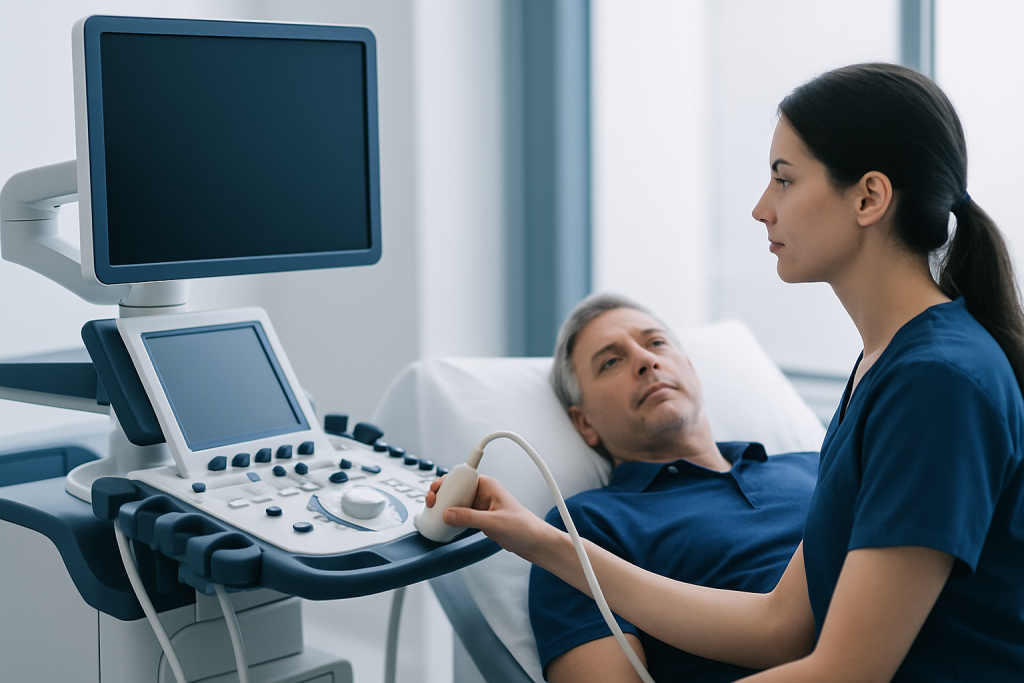
The prostate and bladder outlet contain alpha-1 receptors that help control muscle tone. In BPH, the enlarged prostate can narrow the urinary channel, and tight muscle tone around that area can make symptoms worse. Alfuzosin blocks these receptors, allowing the muscles to relax.
When the muscles relax, the resistance to urine flow decreases. This can reduce the effort needed to start urinating and may lessen urgency, frequency, and nighttime urination. Some people feel improvement fairly soon, while for others the benefit is more gradual over several days or weeks.
Because alfuzosin affects blood vessel tone as well as urinary tissues, it can sometimes lower blood pressure. This is why dizziness, lightheadedness, or faintness may occur, especially when standing up quickly. For that reason, doctors usually advise people to rise slowly from sitting or lying down when they first begin the medicine.
Who may benefit from alfuzosin

Alfuzosin is most often prescribed for men with bothersome urinary symptoms linked to BPH. Typical symptoms include needing to urinate often, a weak or interrupted stream, urgency, difficulty starting urination, dribbling after urination, and waking at night to pass urine. It is generally considered when these symptoms affect comfort, sleep, daily activity, or quality of life.
Not everyone with urinary symptoms should take alfuzosin. Similar symptoms can be caused by urinary tract infection, bladder problems, nerve-related conditions, narrowing of the urethra, medication effects, or, less commonly, prostate cancer. This is why medical assessment matters before treatment begins.
In some cases, alfuzosin is part of a broader plan rather than a stand-alone solution. Depending on the cause and severity of symptoms, a doctor may also discuss lifestyle steps, monitoring, or other urology care options to improve urinary health and rule out more serious conditions.
Benefits, limitations, and what to expect
The main benefit of alfuzosin is symptom relief. Many patients take it because it may improve urine flow and reduce the sensation of blockage or incomplete emptying. This can lead to better sleep, fewer urgent trips to the bathroom, and less disruption during the day.
At the same time, alfuzosin has limitations. It does not remove prostate tissue or stop all progression of prostate enlargement. If the prostate is very large, if symptoms are severe, or if complications develop such as urinary retention, repeated infections, bladder stones, or kidney effects, medicine alone may not be enough.
Doctors may consider combining alfuzosin with another treatment approach in selected cases. If symptoms continue despite medication, a person may need further evaluation and, in some situations, a procedural option such as prostate surgery or another BPH-focused intervention. The best plan depends on symptom severity, prostate size, age, overall health, and personal preferences.
Possible side effects and medicine interactions
Like all prescription medicines, alfuzosin can cause side effects. Common ones include dizziness, headache, tiredness, and a drop in blood pressure when standing. Some people also report stomach discomfort or a general feeling of weakness. These effects are often mild, but they should still be discussed with a doctor if they persist or interfere with daily life.
Less common but more important reactions can include fainting, chest pain, severe low blood pressure, or an irregular heartbeat. A prolonged painful erection is rare but needs urgent medical attention. People should also tell their eye surgeon if they take or have taken alpha blockers before cataract surgery, because these medicines can affect the iris during the procedure.
Drug interactions are an important part of safe use. Alfuzosin may interact with medicines that lower blood pressure, certain antifungal medicines, some antibiotics, and drugs that affect heart rhythm or liver metabolism. It may also increase the risk of dizziness when combined with erectile dysfunction medicines. A doctor or pharmacist should review all prescription drugs, over-the-counter medicines, and supplements before treatment starts.
- Tell the doctor about liver disease, kidney problems, and heart conditions.
- Use caution if there is a history of low blood pressure or fainting.
- Avoid taking it differently from the prescribed instructions.
How doctors assess symptoms before prescribing it
Before prescribing alfuzosin, doctors usually confirm that BPH is the most likely cause of symptoms. The assessment often begins with a discussion of urinary pattern, symptom severity, current medicines, and overall health. A physical examination may include a digital rectal exam to assess the prostate.
Tests may include a urine test to check for infection or blood, blood tests such as kidney function or prostate-specific antigen when appropriate, and measurement of urine flow or post-void residual urine. These steps help identify whether there may be another cause that needs different treatment.
If urinary symptoms are significant or complicated, a person may be referred for specialist evaluation in urology. This may be especially important when symptoms are worsening, repeated infections occur, blood appears in the urine, or there is concern about urinary retention or another underlying disorder.
Safe use, self-care, and practical tips
People taking alfuzosin should follow the prescribing instructions closely and not stop or change the medicine without medical advice. Because dizziness may occur, it can help to stand up slowly and be careful with driving or activities that require alertness until the body’s response is known. Alcohol may worsen lightheadedness in some people.
Simple self-care steps can support symptom control alongside medicine. Limiting evening fluids, reducing caffeine and alcohol, avoiding delaying urination for long periods, and reviewing other medicines that may worsen urinary symptoms can all help. Staying active and managing constipation may also reduce pressure on the bladder outlet.
If medication does not provide enough relief, the next step is not always major surgery. Depending on the findings, doctors may discuss additional options, from monitoring to minimally invasive procedures or other targeted treatments for prostate obstruction. Near the end of the care pathway, Acibadem International’s multidisciplinary specialists in JCI-accredited hospitals also diagnose and treat urinary conditions for international patients when further assessment is needed.
When to seek medical care
A person should seek medical care if urinary symptoms are new, bothersome, or progressively worsening. While BPH is common, similar symptoms can come from infection, bladder disease, nerve conditions, or other problems that should not be assumed to be harmless. A proper diagnosis helps ensure the right treatment.
Prompt medical attention is especially important if someone cannot urinate at all, has fever with urinary symptoms, severe pain, blood in the urine, fainting, chest pain, or marked dizziness after starting alfuzosin. These symptoms may point to urinary retention, infection, bleeding, or a medicine-related complication.
It is also sensible to arrange follow-up if alfuzosin does not seem to help, if side effects are troublesome, or if symptoms return after initial improvement. Ongoing review allows the doctor to adjust the plan and decide whether another evaluation or treatment is more suitable.
Frequently asked questions
What is alfuzosin mainly used for?
Alfuzosin is mainly used to treat urinary symptoms caused by benign prostatic hyperplasia, which is a noncancerous enlargement of the prostate. It helps improve urine flow and reduce symptoms such as hesitancy, weak stream, frequency, and nighttime urination.
Does alfuzosin shrink the prostate?
No, alfuzosin does not usually shrink the prostate. Its main effect is to relax muscles in the prostate and bladder neck so urine can pass more easily. Some people may need other medicines or procedures if prostate size is a major issue.
How long does alfuzosin take to work?
Some people notice symptom relief within a few days, while others need several weeks to feel the full benefit. Response can vary depending on symptom severity and other health factors. A doctor may review progress after a trial period to see whether it is helping enough.
What are the most common side effects of alfuzosin?
Common side effects include dizziness, headache, tiredness, and lightheadedness, especially when standing up quickly. These effects are often related to its blood pressure-lowering action. If side effects are severe, persistent, or cause fainting, medical advice is important.
Can alfuzosin be taken with blood pressure or erectile dysfunction medicines?
Sometimes it can, but it requires caution because the combination may increase the risk of low blood pressure, dizziness, or fainting. A doctor or pharmacist should check for interactions before starting or combining these medicines. People should not add or stop medicines on their own.
Is alfuzosin used for women?
Alfuzosin is most commonly prescribed for men with BPH-related urinary symptoms. In some situations, alpha blockers may be considered off-label for other urinary problems, but that decision depends on the individual case. A specialist should guide treatment rather than self-medication.
This article is for general information only and is not a substitute for professional medical advice. Please consult a qualified doctor about your individual situation.
Explore treatments in Turkey — costs, top hospitals & a free quote
JCI-accredited · board-certified surgeons · reply within 24h
Add us as a Preferred Source to see more of our trusted health content across Google Search, AI Overviews and Discover.
Check your numbers in seconds
BMI, calories, due date, blood pressure and 30+ more clinical calculators — free, instant, doctor-reviewed ranges.

More from the Health Library

Diabetes Insipidus: An Evidence-Based Guide for Patients

Pursed Lips: An Evidence-Based Guide for Patients

Leaking intestines symptoms: A Complete Medical Guide for Patients

Stinging Nettle: An Evidence-Based Guide for Patients

Peptides for Skin: What Patients Need to Know