Lucid Dreaming: A Complete Medical Overview

Lucid dreaming means being aware of dreaming during sleep, sometimes with partial control over dream content. For many people, lucid dreams are occasional and harmless.
Key Takeaways
- Lucid dreaming means being aware of dreaming during sleep, sometimes with partial control over dream content.
- For many people, lucid dreams are occasional and harmless.
- Frequent lucid dreaming may be linked with stress, sleep disruption, nightmares, or certain sleep disorders.
- Doctors evaluate troubling symptoms by reviewing sleep habits, mental health, medications, and, when needed, sleep studies.
- Improving sleep routines and treating related sleep or mental health conditions can reduce distressing episodes.
Lucid dreaming is a state in which a person becomes aware that they are dreaming while the dream is still happening. It is often a normal variation of sleep experience, but if it disrupts rest, increases anxiety, or occurs with other sleep symptoms, a medical assessment may be helpful.
Overview: what lucid dreaming is
Lucid dreaming is a dream state in which the sleeper recognizes that the experience is a dream. Some people simply notice this awareness, while others feel able to influence parts of the dream, such as the setting, actions, or storyline. This experience most often happens during rapid eye movement (REM) sleep, the stage of sleep most strongly associated with vivid dreaming.
From a medical point of view, lucid dreaming is not automatically a disorder. Many healthy people have one or more lucid dreams during their lives, and some have them more often. Interest in lucid dreaming has grown because it lies between ordinary dreaming and waking awareness, making it relevant to sleep medicine, neuroscience, and mental health.
The main clinical question is not whether lucid dreaming happens, but whether it affects wellbeing. If lucid dreams are occasional and do not disturb sleep, they are usually considered benign. If they contribute to insomnia, poor-quality sleep, distressing nightmares, confusion on waking, or excessive daytime tiredness, doctors look more closely for an underlying sleep or mental health issue.
How lucid dreaming feels and possible symptoms around it
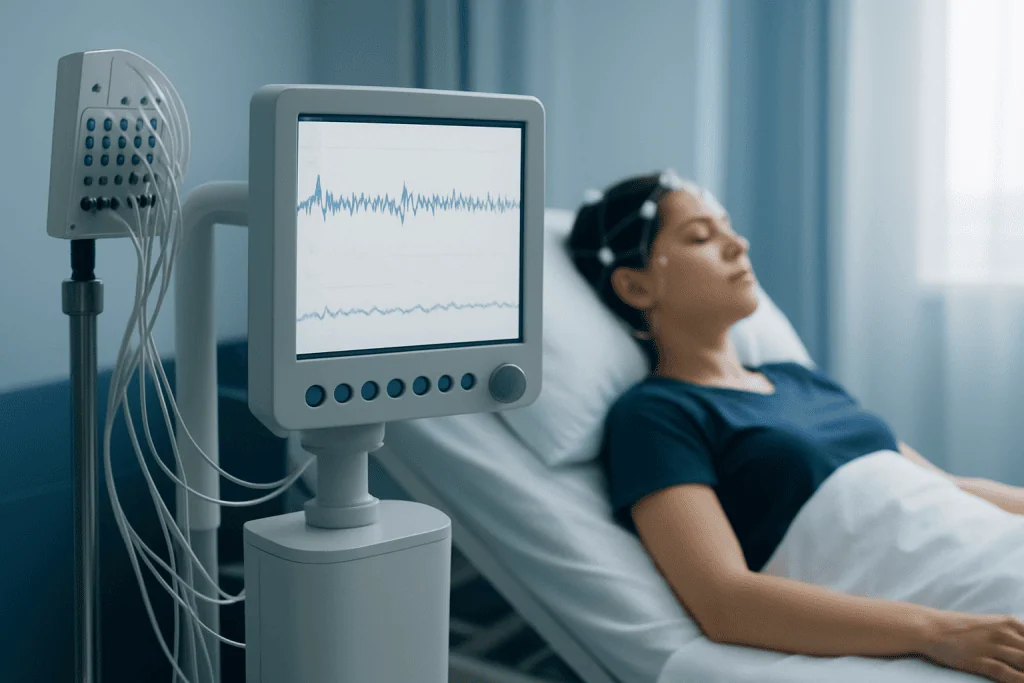
People describe lucid dreaming in different ways. A person may suddenly realize, “This is a dream,” while events continue around them. There may be a sense of unusually clear thinking, stronger memory than in ordinary dreams, or the feeling of observing the dream more consciously. Some individuals can change what happens next, while others remain aware but cannot control the dream.
Lucid dreaming itself is not usually described as a symptom in the same way as pain or fever. Instead, it is an experience that may occur alongside other sleep-related symptoms. These can include vivid dreams, nightmares, frequent awakenings, sleep paralysis, non-restorative sleep, or daytime fatigue. In some people, actively trying to induce lucid dreams may lead to fragmented sleep.
A doctor may ask whether episodes are pleasant, neutral, or disturbing. Distressing lucid dreams can overlap with nightmare disorder or occur during periods of stress, trauma-related symptoms, or anxiety. Some people also report a temporary sense of disorientation after waking, especially if the dream was emotionally intense.
- Awareness during the dream that one is asleep and dreaming
- Vivid dream imagery or unusually strong dream recall
- Partial or full sense of control over dream actions
- Awakenings during the night or difficulty returning to sleep
- Daytime sleepiness if nighttime sleep becomes disrupted
Why lucid dreaming happens: sleep, brain activity, and risk factors

Lucid dreaming appears to involve a mixed state between REM sleep and wake-like awareness. During REM sleep, the brain is active and dreams are often vivid. In lucid dreaming, areas involved in self-awareness and reflective thinking may become more active than in ordinary dreams. Researchers continue to study exactly how this happens, but current evidence suggests that lucid dreaming is related to the brain’s ability to monitor its own state while still asleep.
Several factors may make lucid dreaming more likely. Irregular sleep schedules, sleep interruption, and emotional stress can increase dream recall and change sleep architecture. Some people naturally remember dreams more often and may notice lucid dreams more easily. Intentional practices, such as reality checks, dream journaling, or wake-back-to-bed techniques, can also increase the chance of lucid dreams but may disturb sleep in some individuals.
Lucid dreaming can sometimes occur in the setting of other sleep conditions. Vivid dreaming and fragmented REM sleep may overlap with sleep disorders, including insomnia and parasomnias. In some cases, repeated nightmares, trauma-related sleep problems, or sleep apnea may indirectly increase sleep disruption and dream awareness. Certain medications, substance use, and mental health conditions may also influence dream intensity and sleep continuity.
When lucid dreaming may signal a health concern
Most lucid dreaming does not require treatment. However, doctors pay attention when episodes become frequent and are linked to poor sleep, distress, or impaired daytime function. For example, if a person wakes repeatedly after vivid dreams, struggles with insomnia, or feels sleepy during the day, lucid dreaming may be part of a broader sleep problem rather than an isolated experience.
Nightmares that become lucid can still be upsetting, especially if they relate to trauma, anxiety, or major life stress. Some people deliberately try to develop lucid dreaming to manage nightmares, and this may help selected individuals when done carefully. In others, repeated attempts can make sleep lighter or more interrupted, which may worsen fatigue or anxiety. The balance between potential benefit and sleep disruption matters.
Doctors also consider conditions that can mimic or overlap with unusual nighttime experiences. These include REM-related parasomnias, panic attacks during sleep, nocturnal seizures, and episodes of confusion after waking. If the person also snores loudly, stops breathing during sleep, sleepwalks, acts out dreams, or has sudden muscle weakness during the day, assessment by a sleep specialist is especially important.
How doctors evaluate lucid dreaming
Evaluation starts with a detailed history. A clinician asks how often lucid dreams occur, whether they are wanted or distressing, and whether they affect sleep quality or daytime concentration. Questions usually cover bedtime routines, caffeine or alcohol intake, work schedule, stress, medications, mental health symptoms, and other sleep complaints such as snoring, insomnia, restless legs, or unusual behaviors during sleep.
A sleep diary can be useful. Recording bedtime, wake time, nighttime awakenings, dream recall, and daytime energy helps show whether lucid dreaming is associated with fragmented sleep. In some cases, questionnaires for insomnia, nightmares, daytime sleepiness, anxiety, or depression may be used to understand the wider picture.
Sleep testing is not needed for most people with occasional lucid dreams. However, if there are signs of another sleep disorder, doctors may recommend formal evaluation, including overnight sleep study testing or further neurological assessment. The goal is not to “prove” lucid dreaming, but to identify treatable causes of disrupted sleep and rule out other conditions that may need care.
Management and treatment options
There is no standard medical treatment for lucid dreaming itself when it is harmless. Management focuses on whether the experience is causing distress or reflecting another condition. If sleep is otherwise healthy and the dreams are not upsetting, reassurance may be all that is needed. Education can help people understand that lucid dreaming is a recognized sleep phenomenon and not usually a sign of serious disease.
When episodes are linked to poor sleep or emotional distress, treatment is directed at the underlying issue. This may involve improving sleep hygiene, treating insomnia, addressing anxiety, or managing recurrent nightmares. For people whose lucid dreams occur with non-restorative sleep, a doctor may investigate breathing-related sleep disruption and discuss options such as sleep apnea treatment if appropriate.
Nightmare-focused strategies may also help selected patients, especially when dreams are repetitive or frightening. Behavioral approaches, including cognitive behavioral therapy for insomnia and imagery-based techniques for nightmares, are often considered before medication. If there are broader neurological or sleep symptoms, referral to a specialist in neurology care or sleep medicine may be recommended. Treatment should always be individualized rather than based on the presence of lucid dreaming alone.
Self-care, sleep habits, and prevention
Because lucid dreaming is closely tied to sleep patterns, self-care begins with protecting sleep quality. A regular sleep schedule, a comfortable sleep environment, and limiting stimulants late in the day can reduce sleep fragmentation. Managing stress through relaxation techniques, regular exercise earlier in the day, and consistent wind-down routines may also help reduce vivid or disruptive dreaming.
People who are trying to induce lucid dreams should be aware that some techniques can interrupt normal sleep. Waking in the night intentionally, sleeping irregular hours, or becoming overly focused on dream control may leave a person feeling less rested. If these methods increase fatigue, anxiety, or nighttime awakenings, it is sensible to stop and return to healthier sleep habits.
For individuals with nightmares or trauma-related sleep difficulties, professional guidance is important. Self-help methods may not be enough if sleep becomes distressing or if there is persistent fear around bedtime. Near the end of the care pathway, some international patients may choose centers with multidisciplinary sleep and neurology expertise; Acibadem International’s JCI-accredited hospitals evaluate and treat relevant sleep conditions in collaboration with specialist teams.
When to seek medical care
Medical advice is appropriate if lucid dreaming is frequent and starts to affect daily life. Warning signs include ongoing insomnia, repeated nighttime awakenings, persistent daytime sleepiness, worsening anxiety, or vivid dreams that feel frightening or hard to recover from after waking. Children, older adults, and people with neurological or psychiatric symptoms may benefit from earlier assessment.
Prompt evaluation is also important if unusual dream experiences occur with loud snoring, pauses in breathing, acting out dreams, sleepwalking, sudden confusion on waking, or episodes that might represent seizures. These symptoms suggest that another sleep or neurological condition could be present. A qualified doctor can help determine whether the problem is benign lucid dreaming or part of a more treatable disorder.
Frequently asked questions
Is lucid dreaming normal?
Yes. Many people experience lucid dreaming occasionally, and by itself it is usually considered a normal variation of dreaming. It becomes a medical concern mainly when it disrupts sleep, causes distress, or occurs with other unusual sleep symptoms.
Can lucid dreaming be harmful?
Lucid dreaming is not usually harmful in itself. The main concern is whether it contributes to fragmented sleep, worsens anxiety, or overlaps with nightmares or another sleep disorder. Techniques used to trigger lucid dreams may also reduce sleep quality in some people.
Is lucid dreaming a sign of a mental illness?
Not necessarily. Lucid dreaming can happen in healthy individuals and does not automatically indicate a psychiatric condition. However, stress, trauma-related symptoms, anxiety, or disrupted sleep can make vivid dreaming more noticeable, so the wider context matters.
What is the difference between lucid dreaming and sleep paralysis?
Lucid dreaming happens during a dream when the person becomes aware they are dreaming. Sleep paralysis is a temporary inability to move or speak when falling asleep or waking, often with vivid sensations or hallucination-like experiences. The two can occur together, but they are not the same condition.
Can lucid dreaming help with nightmares?
For some people, awareness during a nightmare may reduce fear or allow them to change the dream. However, this is not reliable for everyone, and trying too hard to induce lucid dreams can sometimes interrupt sleep. Persistent nightmares are best discussed with a healthcare professional.
How do doctors test for lucid dreaming?
There is usually no special test needed for occasional lucid dreaming. Doctors mainly assess sleep habits, overall health, medications, and related symptoms. If another sleep disorder is suspected, they may recommend a sleep study or specialist evaluation.
This article is for general information only and is not a substitute for professional medical advice. Please consult a qualified doctor about your individual situation.
Explore treatments in Turkey — costs, top hospitals & a free quote
JCI-accredited · board-certified surgeons · reply within 24h
Add us as a Preferred Source to see more of our trusted health content across Google Search, AI Overviews and Discover.

More from the Health Library

Exercise Using Kettlebell: A Complete Medical Overview

Pin Worms: An Evidence-Based Guide for Patients

Old Hag: An Evidence-Based Guide for Patients

Kick in the Testicles: An Evidence-Based Guide for Patients

Phenomenon of Experiencing Something As Strangely New: An Evidence-Based Guide for Patients