Ene Mas: What Patients Need to Know

Ene mas usually describes tiredness, weakness, or reduced energy rather than a formal diagnosis. Short-term low energy is often related to sleep, stress, dehydration, diet, or recent illness.
Key Takeaways
- Ene mas usually describes tiredness, weakness, or reduced energy rather than a formal diagnosis.
- Short-term low energy is often related to sleep, stress, dehydration, diet, or recent illness.
- Persistent fatigue can sometimes signal anemia, thyroid disease, diabetes, infection, depression, or heart and lung problems.
- Medical assessment may include a physical exam, medication review, and blood tests to look for underlying causes.
- Urgent care is important if fatigue comes with chest pain, shortness of breath, fainting, confusion, or severe weakness.
Ene mas is commonly used to describe feeling weak, drained, or lacking energy rather than naming one specific disease. It can happen with everyday factors such as poor sleep or stress, but it may also be linked to medical conditions that deserve professional evaluation.
What ene mas usually means
Ene mas is not a standard medical diagnosis. In everyday use, it often refers to feeling weak, unusually tired, drained, or unable to do normal daily activities with usual energy. Because the phrase can mean different things to different people, doctors focus on the exact symptoms behind it rather than the words alone.
For one person, ene mas may mean sleepiness and mental fog. For another, it may mean muscle weakness, poor stamina, or a general sense of exhaustion after minor effort. Clarifying whether the main problem is sleepiness, fatigue, reduced exercise tolerance, dizziness, or loss of strength helps guide the right next steps.
Many episodes of low energy are temporary and improve with rest, hydration, nutrition, and recovery from stress or minor illness. However, if symptoms continue, worsen, or interfere with work, school, walking, or self-care, a medical review can help identify whether a treatable health issue is involved.
Common symptoms that may be described as ene mas
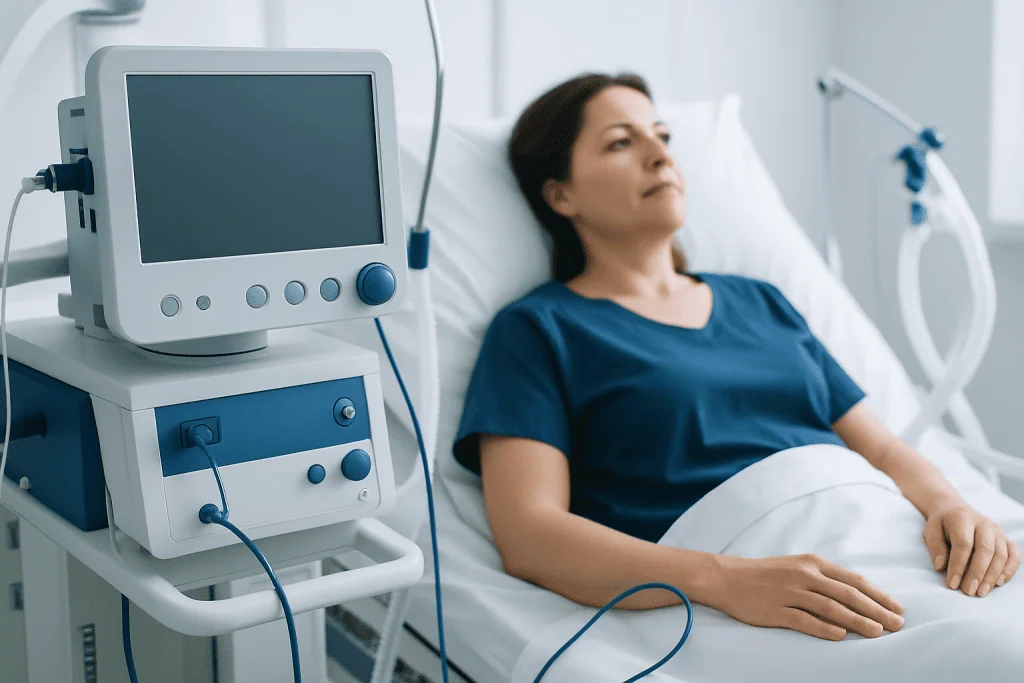
People use ene mas to describe a range of sensations. Some feel physically tired all day, even after sleep. Others notice heaviness in the body, low motivation, difficulty concentrating, or the sense that simple activities now require much more effort than usual.
It can be helpful to notice exactly what is happening and when. Symptoms may be constant or come and go. They may be worse in the morning, after meals, during exercise, or at the end of the day. This pattern can offer clues about whether the cause is related to sleep, mood, blood sugar, infection, circulation, medication effects, or another medical issue.
- General tiredness or exhaustion
- Muscle weakness or reduced stamina
- Sleepiness during the day
- Brain fog or trouble focusing
- Dizziness or feeling lightheaded
- Shortness of breath on exertion
- Low mood or loss of interest
- Pale skin, headaches, or palpitations in some cases
Because these symptoms overlap with many conditions, the broader context matters. Recent infections, major life stress, poor appetite, weight change, heavy menstrual bleeding, chronic pain, or use of new medicines can all shape the meaning of ene mas in an individual patient.
Possible causes and risk factors

The causes of ene mas range from simple lifestyle factors to medical conditions. Common everyday triggers include insufficient sleep, emotional stress, overwork, dehydration, skipped meals, poor nutrition, alcohol use, and lack of physical activity. Recovery from a viral infection can also leave people feeling low in energy for days or weeks.
Medical causes are varied. Iron deficiency and anemia can reduce oxygen delivery and lead to weakness, paleness, and fatigue. Hormonal problems such as thyroid disease may slow metabolism and cause low energy, cold intolerance, and weight change. Blood sugar disorders including diabetes can cause tiredness, thirst, and changes in urination. Sleep disorders, depression, anxiety, heart disease, lung disease, kidney disease, and chronic inflammatory conditions can also play a role.
Medications are another important factor. Antihistamines, some blood pressure medicines, sedatives, pain medicines, and certain psychiatric medications may cause drowsiness or fatigue. Risk increases in older adults, people with multiple chronic illnesses, those with heavy menstrual bleeding, restrictive diets, recent surgery, or a history of poor sleep.
Sometimes more than one factor is present at the same time. For example, a person may have stress-related poor sleep along with low iron stores, or diabetes along with dehydration. A careful assessment is useful because treatment depends on the true underlying cause rather than on the symptom alone.
How doctors evaluate ene mas
Assessment starts with a detailed history. A doctor usually asks when the symptoms began, how severe they are, whether they are getting worse, and what other symptoms are present. Questions may cover sleep quality, snoring, mood, appetite, weight change, exercise tolerance, menstrual history, recent illness, travel, and all medicines or supplements being taken.
A physical examination helps narrow the possibilities. The clinician may check blood pressure, pulse, oxygen levels, temperature, hydration status, and signs such as paleness, swelling, enlarged lymph nodes, breathing difficulty, muscle weakness, or thyroid enlargement. This step helps distinguish general fatigue from true neurological weakness or cardiopulmonary problems.
When needed, tests may include blood work to look for anemia, infection, iron deficiency, thyroid problems, diabetes, vitamin deficiencies, liver or kidney concerns, and inflammation. Depending on symptoms, evaluation may also involve a general medical check-up, blood tests, urine tests, an electrocardiogram, or sleep assessment. If headaches, fainting, significant weakness, or neurological symptoms are present, further specialist testing may be considered.
Treatment depends on the cause
There is no single treatment for ene mas because it is a symptom, not a standalone disease. The most effective approach is to identify and address the reason behind the low energy. For some people, that may mean improving sleep habits, restoring hydration, correcting a nutritional deficiency, or allowing time to recover after an infection.
If an underlying condition is found, treatment is directed accordingly. Iron deficiency may be treated with diet changes and iron replacement under medical guidance. Thyroid disorders, diabetes, depression, infections, or sleep apnea each require their own management plan. When medication side effects are suspected, a clinician may review whether the drug, timing, or dosage should be adjusted.
Supportive care can also make a meaningful difference. Balanced meals, regular movement, stress reduction, and structured sleep routines often improve energy over time. In selected cases, doctors may recommend internal medicine evaluation or referral to other specialties such as endocrinology, cardiology, pulmonology, or mental health, depending on the clinical picture.
For international patients who need coordinated assessment, Acibadem International’s multidisciplinary specialists and JCI-accredited hospitals evaluate symptoms such as persistent fatigue and weakness and guide appropriate treatment based on the underlying diagnosis.
Self-care steps that may help
When ene mas is mild and there are no warning signs, simple measures may help. Prioritizing regular sleep, drinking enough fluids, and eating consistent, balanced meals are practical first steps. Energy often improves when the body has enough rest, fuel, and recovery time.
Gentle activity can help more than complete inactivity, especially when symptoms are linked to stress, low fitness, or mild post-illness deconditioning. Short walks, stretching, and gradually increasing movement may support stamina. At the same time, very intense exercise should be avoided if it clearly worsens symptoms or if a medical condition has not yet been assessed.
- Keep a regular sleep schedule
- Limit excess alcohol and avoid smoking
- Choose meals with protein, fiber, fruits, vegetables, and iron-rich foods
- Drink water regularly, especially in hot weather or during illness
- Review over-the-counter medicines that may cause drowsiness
- Track symptoms in a diary to notice patterns and triggers
Self-care is supportive, but it should not replace medical advice if symptoms persist. Ongoing or unexplained fatigue deserves professional review, especially when daily function is affected.
When to seek medical care
Medical care is appropriate if ene mas lasts more than a short period, keeps returning, or begins to interfere with normal life. A person should arrange an appointment if they have fatigue with weight loss, fever, poor appetite, heavy bleeding, persistent pain, depressed mood, swollen glands, or sleep problems such as loud snoring and unrefreshing sleep.
Urgent evaluation is needed if low energy comes with chest pain, shortness of breath, fainting, confusion, severe dehydration, a very fast or irregular heartbeat, one-sided weakness, or trouble speaking. These symptoms may point to a more serious condition and should not be ignored.
It is also wise to seek care if there is marked weakness rather than simple tiredness, or if a person can no longer climb stairs, stand from a chair, walk usual distances, or complete routine tasks. In children, older adults, pregnant people, and those with chronic illnesses, earlier assessment is often especially helpful.
Frequently asked questions
Is ene mas a disease?
Usually no. Ene mas is generally a way of describing low energy, weakness, or fatigue rather than the name of one specific illness. The important step is identifying what is causing the symptom.
Can stress or poor sleep cause ene mas?
Yes. Emotional stress, anxiety, overwork, and inadequate sleep are among the most common reasons people feel drained or weak. If symptoms continue despite rest and lifestyle changes, medical evaluation is sensible.
How long should fatigue last before seeing a doctor?
A short period of tiredness after stress, travel, or minor illness may improve on its own. If fatigue lasts more than a couple of weeks, keeps coming back, or affects daily functioning, a doctor should assess it.
What tests might be done for ene mas?
Doctors often begin with a history, physical exam, and basic blood tests. Depending on symptoms, they may also check iron levels, thyroid function, blood sugar, kidney and liver function, or order tests related to the heart, lungs, or sleep.
Is ene mas the same as anemia?
Not necessarily. Anemia is one possible cause of weakness and tiredness, but many other conditions can create similar symptoms. That is why testing may be needed before assuming the cause.
When is ene mas an emergency?
It needs urgent attention if it comes with chest pain, breathing trouble, fainting, confusion, severe weakness, trouble speaking, or signs of dehydration. These symptoms may suggest a serious medical problem that requires prompt care.
This article is for general information only and is not a substitute for professional medical advice. Please consult a qualified doctor about your individual situation.
Explore treatments in Turkey — costs, top hospitals & a free quote
JCI-accredited · board-certified surgeons · reply within 24h
Add us as a Preferred Source to see more of our trusted health content across Google Search, AI Overviews and Discover.
Check your numbers in seconds
BMI, calories, due date, blood pressure and 30+ more clinical calculators — free, instant, doctor-reviewed ranges.

More from the Health Library

Bisphosphonates: Symptoms, Causes, and Treatment — Complete Patient Guide

Poison Arsen: A Complete Medical Overview

Sinuses: An Evidence-Based Guide for Patients

Diastolic Heart Failure: A Complete Medical Overview

Bbl: What Patients Need to Know