Anaesthesia: What Patients Need to Know

Anaesthesia can make a person numb, sleepy, or fully unconscious depending on the type used. The safest anaesthesia plan depends on the procedure, medical history, medicines, allergies, and previous reactions.
Key Takeaways
- Anaesthesia can make a person numb, sleepy, or fully unconscious depending on the type used.
- The safest anaesthesia plan depends on the procedure, medical history, medicines, allergies, and previous reactions.
- Common short-term effects include drowsiness, nausea, sore throat, and temporary confusion, especially after general anaesthesia.
- Following fasting, medication, and recovery instructions helps reduce avoidable risks.
- Patients should contact a doctor promptly if they have breathing trouble, chest pain, severe vomiting, high fever, or new weakness after a procedure.
Anaesthesia is the use of medicines to prevent pain and awareness during medical procedures, and it is tailored to the person, the procedure, and their overall health. Most people do well with modern anaesthesia, especially when a qualified anaesthesia team reviews their medical history, monitors them closely, and gives clear recovery instructions.
Overview: what anaesthesia does and why it is used
Anaesthesia is a group of medicines and techniques used to block pain and improve comfort during tests, procedures, surgery, and some dental treatments. Depending on the situation, anaesthesia may numb one small area, block sensation in part of the body, create deep relaxation, or make a person fully unconscious for a time. The main goal is to allow treatment to happen safely while limiting pain, distress, and unwanted movement.
Many patients think of anaesthesia as simply “being put to sleep,” but that is only one form. In practice, anaesthesia care is individualized. An anaesthesiologist or another trained anaesthesia professional considers the type of procedure, the patient’s age, medical conditions, previous experiences, current medicines, and airway or breathing needs before recommending a plan.
Modern anaesthesia is supported by continuous monitoring of breathing, heart rate, blood pressure, oxygen levels, and other vital signs. This monitoring continues throughout the procedure and into the early recovery period. Although no medical treatment is completely risk-free, careful planning and monitoring make anaesthesia very safe for most people.
Main types of anaesthesia
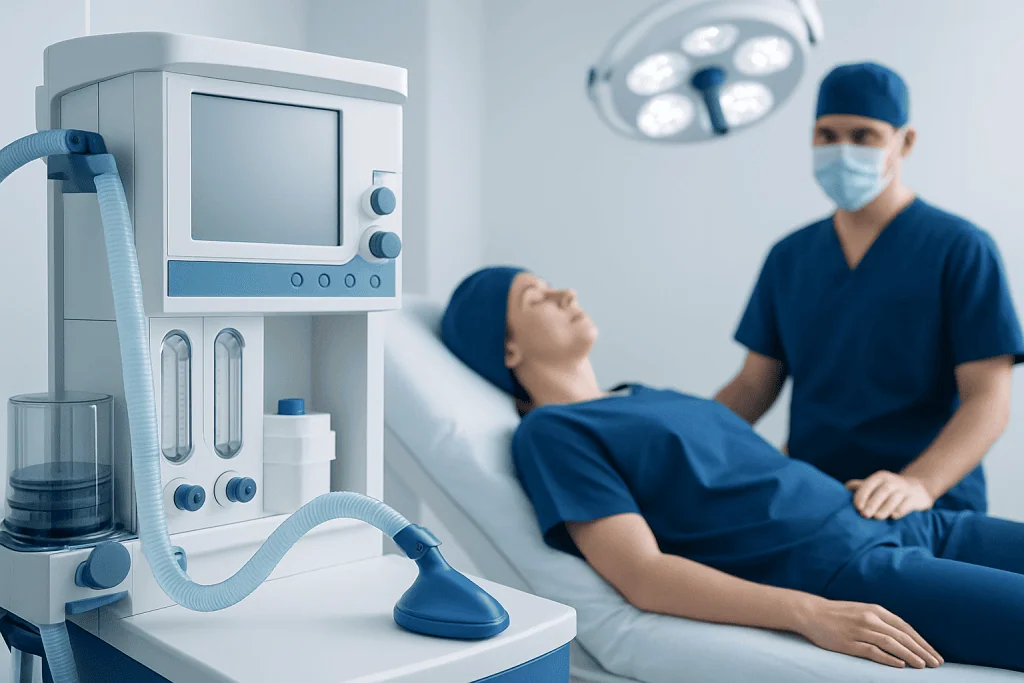
There are several types of anaesthesia, and each works differently. Local anaesthesia numbs a small area, such as the skin or a tooth, while the person stays awake. It may be used for minor procedures, stitches, skin biopsies, or dental work. Regional anaesthesia blocks pain in a larger area of the body, such as an arm, leg, or the lower half of the body. Common examples include spinal, epidural, and nerve blocks.
Sedation uses medicines to help a person relax or sleep lightly during a procedure. Sedation can range from minimal to deep. Some people remain awake and responsive, while others remember little afterward. Sedation is often combined with local or regional anaesthesia to improve comfort.
General anaesthesia causes a temporary loss of consciousness and awareness. It is commonly used for longer, more complex, or more invasive procedures. During general anaesthesia, the anaesthesia team supports breathing as needed and continuously monitors the patient. It may be used in operations such as heart surgery or brain surgery, where complete stillness and deeper control of the body’s responses are important.
Sometimes more than one type is used together. For example, a person having orthopedic surgery may receive a nerve block to reduce pain after the operation and also have general anaesthesia during the procedure. This combined approach can improve comfort and sometimes reduce the need for stronger pain medicines afterward.
How doctors choose the right anaesthesia plan

The best anaesthesia plan is based on both the procedure and the patient. Important factors include age, weight, pregnancy status, sleep apnea, heart or lung disease, diabetes, kidney or liver problems, neurological conditions, alcohol use, smoking, and previous reactions to anaesthesia. The anaesthesia team also asks about implanted devices, loose teeth, reflux, and whether there is any family history of unusual anaesthesia reactions.
Medicines and supplements matter as well. Blood thinners, diabetes medicines, blood pressure medicines, herbal products, and medicines that affect sleep or mood can all influence planning. For this reason, patients should bring a complete medication list and discuss any allergies, prior nausea after surgery, or difficulty waking up after an earlier procedure.
Before surgery, patients are usually told when to stop eating and drinking. These fasting instructions help reduce the risk of stomach contents entering the lungs during sedation or general anaesthesia. Some medicines may need to be continued, paused, or adjusted. Patients should follow the specific instructions they receive rather than making changes on their own.
In some cases, anaesthesia planning may also relate to existing medical conditions that are being treated surgically, such as coronary artery disease or epilepsy. Good communication between the surgical team, anaesthesia team, and patient helps make care safer and more predictable.
What to expect before, during, and after anaesthesia
Before the procedure, the anaesthesia team usually reviews the medical history, checks the airway, and explains the plan in simple terms. This is a good time for patients to ask practical questions, such as how they may feel afterward, whether they can take regular medicines, and when they can eat, drive, work, or exercise again. Consent is generally obtained after discussing benefits, alternatives, and possible risks.
During the procedure, patients are connected to monitors that track vital signs. Depending on the type of anaesthesia, they may receive medicine through a vein, breathe anaesthetic gases, or have an injection near nerves or the spine. The team adjusts anaesthesia throughout the procedure to keep the patient comfortable and stable.
Afterward, patients recover in a monitored area until they are awake enough, breathing well, and medically stable. It is common to feel sleepy, cold, mildly confused, or emotional for a short time. If general anaesthesia was used, some people also have a sore throat from an airway device. Nurses and doctors treat pain and nausea and check for early recovery problems before discharge.
Recovery at home depends on the procedure and the type of anaesthesia. Many patients need a responsible adult to accompany them home and stay with them for a period of time, especially after sedation or general anaesthesia. Clear instructions usually cover pain control, activity, eating and drinking, wound care, and who to call if symptoms worsen.
Possible side effects and risks
Most side effects of anaesthesia are temporary and improve within hours to a few days. Common short-term effects include sleepiness, nausea, vomiting, dizziness, dry mouth, shivering, muscle aches, itching, and a sore throat after general anaesthesia. Some people, especially older adults, may have temporary confusion or memory changes that usually settle as the body clears the medicines.
Regional and local anaesthesia can also have side effects. These may include bruising, temporary numbness, tingling, weakness, or headache depending on the technique used. Nerve blocks and spinal or epidural anaesthesia are generally safe when performed by trained professionals, but patients should report prolonged weakness, severe headache, or trouble urinating after these methods.
Serious complications are uncommon but can occur. These include allergic reactions, breathing problems, aspiration, significant drops in blood pressure, heart rhythm changes, stroke, or damage to teeth or lips during airway management. Risk is often higher in people with major heart or lung disease, obesity, severe infection, obstructive sleep apnea, or emergency surgical needs.
A very rare inherited reaction called malignant hyperthermia can happen with certain anaesthetic medicines in susceptible people. Patients should mention any family history of high fever or severe reactions during surgery. Careful pre-procedure screening, expert monitoring, and access to emergency treatment are key reasons anaesthesia safety has improved greatly over time.
Prevention, preparation, and self-care for a smoother recovery
Patients can help lower avoidable risks by preparing carefully. The most important steps are following fasting instructions, sharing a full list of medicines and supplements, reporting allergies and past anaesthesia problems, and asking about smoking, alcohol, or recreational drug use honestly. These details help the team choose medicines more safely and anticipate possible complications.
Before the procedure, it can help to plan practical recovery support. This includes arranging transport home, wearing comfortable clothes, removing contact lenses or jewelry if advised, and preparing easy-to-digest food and prescribed medicines in advance. If a patient uses a CPAP machine for sleep apnea, the care team may ask them to bring it to the hospital.
After anaesthesia, self-care should focus on rest, hydration, and following instructions exactly. Patients should avoid driving, signing important documents, drinking alcohol, or operating machinery for the time recommended by their doctor. If pain medicines are prescribed, they should be used only as directed. For people undergoing operations such as knee replacement or robotic surgery, recovery advice may also include early mobilization, breathing exercises, and follow-up appointments.
One brief note for international patients: Acibadem International’s multidisciplinary specialists and JCI-accredited hospitals diagnose and treat a wide range of conditions requiring anaesthesia-based procedures, with care plans tailored to the individual and the surgery involved.
When to seek medical care
Most patients recover from anaesthesia without major difficulty, but some symptoms need prompt medical advice. Patients should contact their doctor or seek urgent care if they have trouble breathing, chest pain, blue lips, fainting, a severe allergic rash, uncontrolled bleeding, or severe weakness that does not improve. These symptoms may not always be caused by anaesthesia itself, but they should not be ignored.
Medical review is also important for persistent vomiting, dehydration, high fever, worsening confusion, severe headache after spinal or epidural anaesthesia, inability to urinate, or intense pain that is not relieved by the recommended plan. Patients who feel unusually sleepy for too long, have new numbness that lasts, or notice a wound problem should also check in with their care team.
For non-urgent concerns, such as mild nausea, constipation from pain medicines, or lingering fatigue, a follow-up call may be enough. If symptoms feel severe, rapidly worsening, or simply unusual for the person, it is safest to contact a qualified doctor. Clear communication after a procedure is an important part of safe recovery.
Frequently asked questions
Is anaesthesia safe?
Anaesthesia is generally very safe when it is planned and monitored by trained professionals. The exact level of risk depends on the procedure, the patient’s age, overall health, and any heart, lung, or airway conditions. Careful pre-procedure assessment helps reduce preventable complications.
What is the difference between sedation and general anaesthesia?
Sedation helps a person relax and may make them sleepy, but they may still breathe on their own and sometimes respond to instructions. General anaesthesia causes a temporary loss of consciousness and awareness. Both can be appropriate, depending on the type of procedure and the patient’s needs.
How long does it take to recover from anaesthesia?
Many people wake up within minutes to hours, but feeling fully back to normal can take longer. Drowsiness, nausea, and mild mental fog may last for the rest of the day, and recovery may be slower in older adults or after longer procedures. Patients should follow their doctor’s instructions about driving, eating, and activity.
Can someone be awake during surgery?
Yes, some procedures are done with local or regional anaesthesia, often with light or moderate sedation. In these cases, the person may be awake or partly sleepy but should remain comfortable. The choice depends on the operation and on what is safest and most suitable.
Why can’t patients eat or drink before anaesthesia?
Fasting lowers the chance that food or liquid from the stomach could come back up and enter the lungs during sedation or general anaesthesia. This is an important safety step. The allowed timing for food and clear liquids varies, so patients should follow the exact instructions they are given.
What should patients tell the anaesthesia team beforehand?
Patients should share their full medical history, medicines, supplements, allergies, and any past problems with anaesthesia. They should also mention sleep apnea, smoking, alcohol or drug use, pregnancy, and any family history of severe reactions to anaesthetic medicines. Even details that seem minor can affect safety.
This article is for general information only and is not a substitute for professional medical advice. Please consult a qualified doctor about your individual situation.
Explore treatments in Turkey — costs, top hospitals & a free quote
JCI-accredited · board-certified surgeons · reply within 24h
Add us as a Preferred Source to see more of our trusted health content across Google Search, AI Overviews and Discover.
Check your numbers in seconds
BMI, calories, due date, blood pressure and 30+ more clinical calculators — free, instant, doctor-reviewed ranges.

More from the Health Library

Ent product: Symptoms, Causes, and Treatment — Complete Patient Guide

Projectile Vomiting: What Patients Need to Know

Tamiflu: What Patients Need to Know

Polyunsaturated Fat: What Patients Need to Know

Dermoid Cyst — Explained by Medical Evidence, Not Myths