Treatment: Diagnosis, Outlook, and Modern Treatment Approaches

Treatment is not one-size-fits-all; it depends on the exact diagnosis, severity, and personal health factors. A good treatment plan often includes more than one approach, such as medicines, procedures, rehabilitation, and self-care.
Key Takeaways
- Treatment is not one-size-fits-all; it depends on the exact diagnosis, severity, and personal health factors.
- A good treatment plan often includes more than one approach, such as medicines, procedures, rehabilitation, and self-care.
- Early diagnosis can improve outlook and may reduce the risk of complications in many conditions.
- Regular follow-up helps doctors assess whether treatment is working and whether it needs to be adjusted.
- Patients should seek medical advice if symptoms are severe, persistent, worsening, or affecting daily life.
Treatment is most effective when it starts with a clear diagnosis and is tailored to the person's condition, symptoms, and overall health. Modern treatment approaches often combine medication, procedures, rehabilitation, lifestyle support, and regular follow-up to improve outcomes and quality of life.
Overview: What treatment means in modern care
Treatment is the set of medical steps used to manage, relieve, control, or cure a health condition. In practice, treatment usually begins only after a careful diagnosis, because the best option depends on what is causing the symptoms, how advanced the condition is, and what matters most to the patient. For some people, treatment aims to cure a disease; for others, it focuses on controlling symptoms, slowing progression, or improving day-to-day function.
Modern treatment is increasingly personalized. Instead of using the same approach for everyone, doctors consider age, overall health, other medical conditions, current medicines, test results, and personal preferences. This means two people with similar symptoms may receive different recommendations if their diagnoses or health needs differ.
Treatment may be short term, such as antibiotics for a bacterial infection, or long term, such as blood pressure medicines, insulin, rehabilitation, or cancer monitoring. It may involve one clinician or a multidisciplinary team. In many conditions, treatment works best when medical therapy is combined with practical self-care, healthy habits, and scheduled follow-up.
How diagnosis guides the right treatment plan
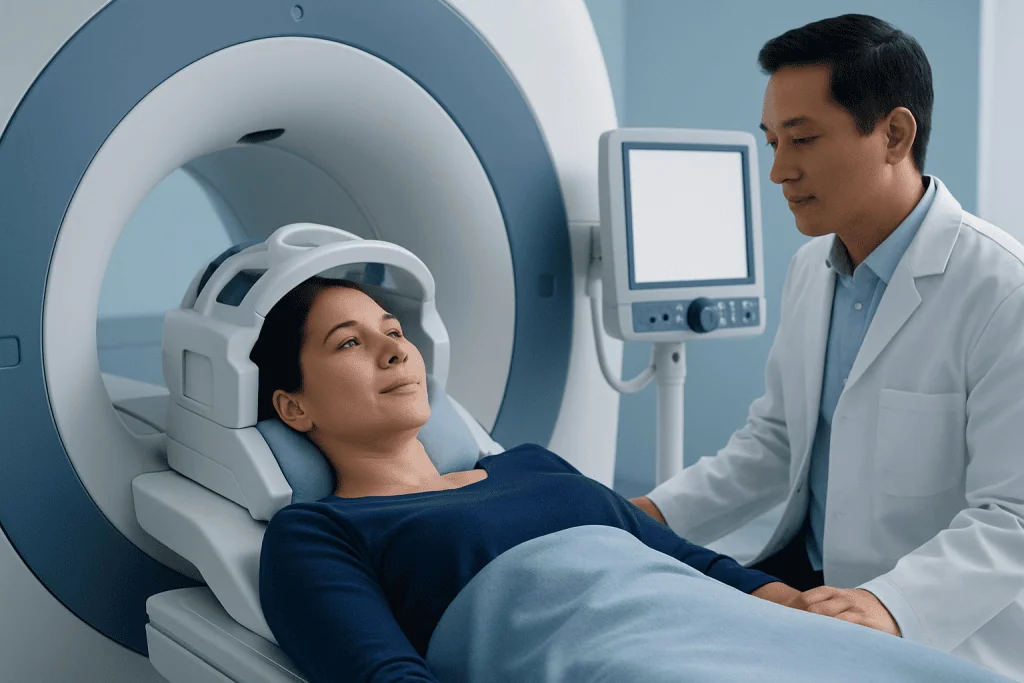
An accurate diagnosis is the foundation of effective treatment. Doctors usually start by reviewing symptoms, medical history, family history, and lifestyle factors. They then perform a physical examination and, if needed, order tests such as blood work, imaging, endoscopy, biopsy, heart tests, or other specialized investigations. The goal is not only to name the condition, but also to understand its severity and whether complications are already present.
In many cases, treatment decisions are made in stages. A doctor may first identify the likely cause, then confirm it with tests, and finally select the safest and most appropriate therapy. This stepwise approach helps avoid unnecessary treatments and supports better long-term results.
Some conditions have overlapping symptoms, which can make diagnosis more complex. For example, abdominal pain, fatigue, cough, numbness, or chest discomfort can have many possible causes. When symptoms are unclear or involve several organ systems, coordinated evaluation by different specialists may be needed. This is one reason modern care often relies on multidisciplinary teams and advanced diagnostic imaging when clinically appropriate.
- History and symptom review
- Physical examination
- Laboratory tests
- Imaging or functional studies
- Specialist assessment when needed
Main types of treatment used today

There are several broad categories of treatment, and many patients receive a combination of them. Medicines may reduce pain, fight infection, control inflammation, regulate hormones, manage blood pressure, or target specific disease pathways. Procedures can range from injections and minimally invasive techniques to endoscopy, catheter-based interventions, or surgery. In other cases, treatment centers on rehabilitation, such as physical therapy, speech therapy, occupational therapy, or psychological support.
Supportive care is also an important part of treatment. This may include nutrition advice, sleep support, stress management, wound care, mobility aids, breathing exercises, or symptom relief. Supportive care does not replace disease-specific therapy, but it can make treatment safer, more comfortable, and more sustainable.
Modern treatment approaches increasingly use precision methods when evidence supports them. These can include targeted therapies, image-guided procedures, minimally invasive surgery, and closer monitoring through digital tools or structured follow-up programs. For selected conditions, doctors may recommend minimally invasive surgery because it may reduce recovery time and tissue damage compared with open surgery, although suitability depends on the diagnosis and the individual patient.
How doctors choose between treatment options
Choosing treatment involves balancing benefits, risks, urgency, and the patient’s priorities. Doctors consider whether the condition is acute or chronic, mild or severe, localized or widespread, stable or rapidly changing. They also assess how much symptoms interfere with daily activities, work, sleep, movement, eating, mood, or independence.
Another important factor is the expected outlook, sometimes called prognosis. Outlook describes how a condition is likely to progress over time and how it may respond to treatment. In some illnesses, early treatment may lead to full recovery. In others, timely treatment may not cure the condition but can reduce flare-ups, prevent complications, or help preserve organ function.
Patients often benefit from asking practical questions before starting treatment: What is the goal of this treatment? How soon should improvement be expected? What side effects or risks are possible? Are there alternatives? What happens if treatment is delayed? Shared decision-making helps patients understand their options and take an active role in care.
Treatment, recovery, and long-term outlook
The outlook after treatment depends on many factors, including the type of disease, how early it was diagnosed, the person’s general health, and how well the treatment matches the condition. Some treatments work quickly, while others require time and regular reassessment. For chronic illnesses, success may mean stable symptoms, fewer hospital visits, and better quality of life rather than a complete cure.
Recovery is also broader than symptom relief. It may involve regaining strength, mobility, concentration, appetite, sleep, emotional balance, or confidence in daily activities. Follow-up appointments allow the medical team to monitor progress, review test results, manage side effects, and adjust therapy if needed. This is common in conditions that can evolve over time, such as cancer or heart disease, where ongoing monitoring is often part of treatment itself.
Sometimes the first treatment does not bring the expected result. This does not always mean the condition is worsening; it may simply mean the diagnosis needs refinement or the plan needs adjustment. Medicine often involves monitoring response, learning from test results, and changing course when necessary. A flexible, evidence-based approach can improve both safety and outcomes.
Self-care and prevention alongside medical treatment
Self-care does not replace professional treatment, but it can support recovery and improve long-term health. Depending on the condition, this may include taking medicines as prescribed, attending follow-up visits, getting enough rest, staying physically active within safe limits, following dietary guidance, avoiding tobacco, and limiting alcohol. Good self-management can help reduce complications and make treatment more effective.
Prevention is another key part of modern treatment thinking. Vaccinations, screening tests, blood pressure control, blood sugar management, weight support, sun protection, and safer lifestyle habits can all lower the risk of future illness or disease progression. In people with chronic conditions, prevention often means stopping the condition from worsening or preventing damage to other organs.
Some patients need structured support to maintain treatment over time. This can include rehabilitation, counseling, chronic disease education, or specialist follow-up. For example, after surgery or illness-related weakness, a doctor may suggest physical therapy and rehabilitation to improve function and independence. When self-care feels difficult, discussing barriers openly with a doctor can help identify realistic solutions.
When to seek medical care
Medical care should be sought when symptoms are severe, persistent, worsening, or affecting daily life. A person should also contact a doctor if a new symptom appears during treatment, if side effects are difficult to manage, or if there is little or no improvement within the expected timeframe. Even common symptoms can sometimes point to conditions that need prompt evaluation.
Urgent medical attention is important for warning signs such as chest pain, sudden shortness of breath, confusion, fainting, severe allergic reactions, uncontrolled bleeding, sudden weakness, seizures, or signs of stroke. High fever with worsening illness, severe dehydration, intense abdominal pain, or rapidly spreading infection symptoms also need timely assessment.
For complex or ongoing conditions, specialist care may help clarify diagnosis and treatment choices. Acibadem International’s multidisciplinary specialists and JCI-accredited hospitals diagnose and treat a wide range of conditions for international patients, with coordinated care when advanced evaluation or procedures are needed. Seeking medical advice early is often the safest way to understand the cause of symptoms and the most appropriate treatment options.
Frequently asked questions
What is the first step before starting treatment?
The first step is usually a proper medical evaluation to reach the most accurate diagnosis possible. This often includes discussing symptoms, reviewing medical history, having a physical examination, and sometimes doing tests such as blood work or imaging.
Can treatment work if the exact diagnosis is not clear yet?
Sometimes doctors start symptom relief or supportive care while tests are still underway, especially if symptoms are uncomfortable or urgent. However, long-term treatment is usually most effective when guided by a confirmed diagnosis.
Why do some conditions need more than one type of treatment?
Many health problems affect the body in more than one way, so one therapy alone may not be enough. A combined plan may control the disease, ease symptoms, support recovery, and reduce the risk of complications.
How long does it take to know whether treatment is working?
This depends on the condition and the treatment used. Some treatments show results within hours or days, while others need weeks or months and are measured through symptoms, examinations, and repeat tests.
What should a patient do if treatment causes side effects?
Side effects should be discussed with a doctor rather than ignored or managed alone. The treatment may need a dose change, a different schedule, supportive care, or an alternative approach, but this decision should be made by a qualified clinician.
Does better treatment always mean a cure?
Not always. In some conditions, treatment aims to cure the illness, while in others it focuses on control, symptom relief, slowing progression, or maintaining quality of life.
References
- World Health Organization
- Centers for Disease Control and Prevention
- National Institutes of Health
- Mayo Clinic
- MedlinePlus
This article is for general information only and is not a substitute for professional medical advice. Please consult a qualified doctor about your individual situation.
Explore treatments in Turkey — costs, top hospitals & a free quote
JCI-accredited · board-certified surgeons · reply within 24h
Add us as a Preferred Source to see more of our trusted health content across Google Search, AI Overviews and Discover.
Check your numbers in seconds
BMI, calories, due date, blood pressure and 30+ more clinical calculators — free, instant, doctor-reviewed ranges.