Subcutaneous Emphysema: An Evidence-Based Guide for Patients

Subcutaneous emphysema happens when air becomes trapped in soft tissues under the skin. Common causes include chest injury, lung problems, surgery, medical procedures, and some infections.
Key Takeaways
- Subcutaneous emphysema happens when air becomes trapped in soft tissues under the skin.
- Common causes include chest injury, lung problems, surgery, medical procedures, and some infections.
- A crackling sensation under the skin, called crepitus, is a classic sign.
- The condition may resolve on its own, but the underlying cause can sometimes need urgent treatment.
- Medical assessment is important if it follows trauma, chest pain, shortness of breath, or rapidly increasing swelling.
Subcutaneous emphysema means air has entered the tissues beneath the skin, often causing swelling and a crackling feeling when the area is touched. It is not a disease itself, but a sign that air has escaped from the lungs, airways, digestive tract, or from a wound, so treatment is aimed at finding and managing the cause.
Overview
Subcutaneous emphysema is the presence of air in the layer of tissue just beneath the skin. In many cases, it causes swelling of the face, neck, or chest and creates a distinctive crackling or popping sensation when the skin is gently pressed. This finding can look dramatic, but the most important issue is not the air itself—it is identifying where the air came from and whether that source needs treatment.
Air can leak into soft tissues after chest trauma, surgery, certain medical procedures, or conditions that affect the lungs or airways. For example, a lung air leak may allow air to move from the chest into the tissues of the neck or chest wall. In some situations, air may also come from the digestive tract or from gas-producing infections, though these are less common and are handled differently.
The severity varies widely. A small amount of air under the skin may cause little discomfort and clear gradually as the body reabsorbs it. More extensive cases can cause visible swelling and may signal a problem such as a collapsed lung, also called pneumothorax, or injury to the airway. Because of this, evaluation focuses on the person’s breathing, oxygen levels, recent injuries or procedures, and any symptoms that suggest a deeper problem.
What It Feels Like and Common Symptoms
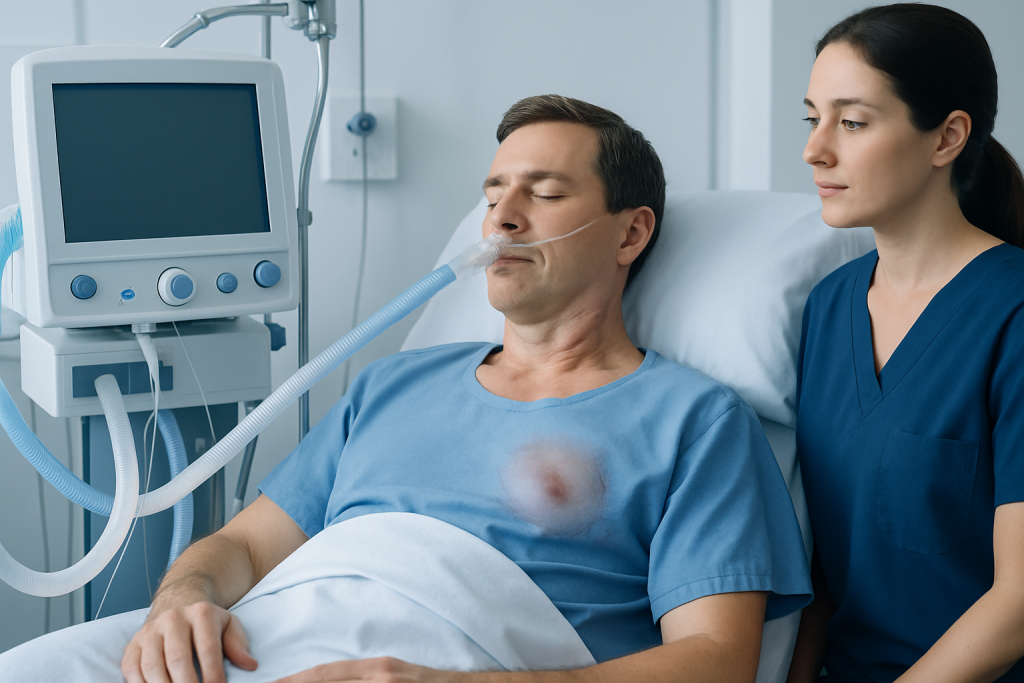
The most recognizable sign of subcutaneous emphysema is swelling beneath the skin that feels crackly to the touch. Clinicians call this sensation crepitus. Patients often describe it as feeling like bubble wrap, rice crispies, or tiny pops under the fingers. The skin itself may not be painful, although there can be soreness from the underlying injury or procedure.
Symptoms depend largely on the cause and how much air is present. Some people notice only mild puffiness around the chest, collarbones, face, or neck. Others may have chest discomfort, a feeling of pressure, hoarseness, or trouble swallowing if the swelling extends upward. When the source is in the lungs or chest, shortness of breath may occur at the same time.
If swelling becomes extensive, it can alter appearance noticeably, especially around the eyelids, cheeks, and neck. Rarely, severe swelling can interfere with vision, speaking, or breathing. Those symptoms require prompt medical attention because they may indicate a large ongoing air leak or pressure effects in nearby tissues.
- Swelling of the neck, face, chest, or upper body
- Crackling feeling under the skin
- Chest pain or chest tightness
- Shortness of breath
- Voice changes or hoarseness
- Discomfort after injury, surgery, or a medical procedure
Causes and Risk Factors

Subcutaneous emphysema usually develops when air escapes from somewhere it should normally remain. A common source is the lungs or airways. This can happen after blunt or penetrating chest trauma, rib fractures, severe coughing, asthma exacerbations, or a spontaneous lung collapse. Air may track along tissue planes and collect under the skin, especially in the chest wall and neck.
Medical procedures are another important cause. Air leaks can occur after chest tube placement, lung surgery, thoracic surgery, bronchoscopy, endoscopy, dental procedures, mechanical ventilation, or intubation. In these settings, small amounts of subcutaneous emphysema may be expected and closely monitored, while larger or rapidly increasing cases may need further treatment.
Less often, air comes from the digestive tract or from infections caused by gas-forming bacteria. Injuries to the esophagus or bowel are medical emergencies because leaked air may be accompanied by infection or inflammation. Risk is also higher in people with underlying lung disease, recent surgery, chest trauma, or conditions requiring positive-pressure ventilation. While the trapped air itself is often temporary, the trigger can range from minor to serious, which is why medical context matters.
How Doctors Diagnose It
Diagnosis begins with a physical examination and a careful history. The crackling sensation under the skin often strongly suggests subcutaneous emphysema. Doctors will ask about recent trauma, surgery, invasive procedures, severe coughing, lung disease, vomiting, dental treatment, or symptoms such as chest pain and breathlessness. They will also check oxygen levels, breathing effort, heart rate, and blood pressure.
Imaging is usually used to confirm the finding and look for the source. A chest X-ray may show air in the soft tissues and can also reveal problems such as a pneumothorax or rib fractures. In more complex cases, CT scanning can provide a clearer picture of where the air is located and whether there is injury to the lungs, airways, esophagus, or other structures.
Additional tests depend on the suspected cause. Some patients may need blood tests, bronchoscopy, or evaluation by chest, emergency, surgical, or ear, nose, and throat specialists. The goal is not only to label the condition but also to decide whether the person can be observed safely or needs urgent treatment of an underlying air leak or injury.
Treatment Options and What Recovery Looks Like
Treatment for subcutaneous emphysema depends on the underlying cause, the amount of air present, and whether breathing is affected. Small, stable cases often improve with observation while the body gradually absorbs the air over days to weeks. Rest, monitoring, and treatment of the source are usually enough. Oxygen may be given in some hospital settings because it can help support breathing and, in selected cases, aid reabsorption of air.
When the cause is a lung air leak or collapsed lung, treatment may involve draining air from the chest. This may be done with chest tube insertion so the lung can re-expand and leaking air has a path to escape safely. If the air leak is related to airway, lung, or chest wall injury, surgical or specialist treatment may be needed. Cases linked to infection require urgent antibiotics and source control rather than simple observation.
If swelling becomes very extensive and causes pressure symptoms, doctors may use supportive measures or procedures to release trapped air in selected situations. However, this is not needed for most patients. Recovery usually depends more on the cause than on the subcutaneous emphysema itself. Follow-up may include repeat examination or imaging to confirm that the air is decreasing and that the original problem has resolved.
In centers with multidisciplinary emergency, pulmonary, thoracic surgery, and imaging teams, patients can be assessed efficiently. Acibadem International’s multidisciplinary specialists and JCI-accredited hospitals diagnose and treat conditions related to subcutaneous emphysema for international patients when advanced evaluation or procedures are needed.
Self-care, Prevention, and Living With the Condition
There is no single home remedy that treats subcutaneous emphysema directly, because management depends on the cause. People who have already been assessed and told their case is mild should follow their clinician’s instructions closely. This may include rest, avoiding strenuous activity, attending follow-up appointments, and watching for changes in breathing, swelling, or pain.
Prevention focuses on reducing the risk of the underlying events that allow air to escape into tissues. Using seat belts, sports safety gear, and workplace protection can help prevent chest injuries. People with asthma or chronic lung disease may lower risk by following their treatment plan, avoiding smoking, and seeking care early if breathing symptoms worsen. After surgery or a procedure, it is important to report new swelling, crackling under the skin, or shortness of breath promptly.
Some patients feel anxious because the swelling can appear suddenly or look unusual. Reassurance is important: the trapped air often resolves once the leak stops. At the same time, patients should not ignore new or worsening symptoms. If subcutaneous emphysema is linked to another condition such as a collapsed lung, careful follow-up is needed to make sure healing is complete.
When to Seek Medical Care
Medical review is appropriate whenever a person notices unexplained swelling with a crackling feeling under the skin, especially after chest injury, surgery, endoscopy, dental work, or a recent hospital procedure. Even when discomfort is mild, the finding can be a clue to an air leak that needs evaluation. A clinician can decide whether observation is enough or whether imaging and treatment are required.
Urgent care is needed if subcutaneous emphysema is accompanied by shortness of breath, chest pain, blue lips, confusion, severe voice changes, trouble swallowing, rapid spread of swelling, fever, or significant pain after trauma. These symptoms may indicate a serious underlying cause such as a large pneumothorax, airway injury, or infection. People already diagnosed with subcutaneous emphysema should also seek prompt reassessment if the swelling grows quickly or breathing becomes harder.
In emergency settings, the first priority is always airway, breathing, and circulation. Patients should avoid self-diagnosing the cause, because similar swelling can arise from different problems that need different treatment approaches. Early assessment helps rule out urgent complications and supports safer recovery.
Frequently asked questions
Is subcutaneous emphysema dangerous?
Subcutaneous emphysema itself is often not dangerous and may resolve as the body absorbs the trapped air. The main concern is the underlying cause, which can range from a minor procedure-related air leak to a more serious chest or airway problem. That is why medical assessment is important, especially if breathing symptoms are present.
What does subcutaneous emphysema feel like?
Many people notice swelling that feels crackly or crunchy under the skin when touched. This sensation is called crepitus and is one of the classic signs of air in the soft tissues. The area may or may not be painful, depending on the cause.
Can subcutaneous emphysema go away on its own?
Yes, mild cases can improve on their own once the source of the air leak has stopped. The body gradually reabsorbs the air over time. However, it should not be assumed to be harmless without medical evaluation, because some causes need treatment.
How is subcutaneous emphysema different from pneumothorax?
Subcutaneous emphysema means air is trapped under the skin, while a pneumothorax means air has collected around the lung in the chest cavity. The two can happen together because air leaking from the lung may spread into nearby tissues. A doctor often uses imaging to determine whether one or both conditions are present.
Will I need surgery for subcutaneous emphysema?
Not always. Many patients only need observation and treatment of the cause, especially when the amount of trapped air is small and stable. Surgery or procedures are considered when there is a significant ongoing air leak, injury, infection, or pressure symptoms that need urgent management.
Can subcutaneous emphysema happen after surgery or a medical procedure?
Yes, it can occur after chest surgery, endoscopy, bronchoscopy, intubation, dental procedures, or chest tube placement. In some cases it is mild and monitored closely, but in others it may signal a complication that needs further evaluation. Patients should report new swelling, crackling under the skin, chest pain, or shortness of breath to their care team.
This article is for general information only and is not a substitute for professional medical advice. Please consult a qualified doctor about your individual situation.
Emphysema in Turkey — costs, top hospitals & a free quote
JCI-accredited · board-certified surgeons · reply within 24h
Add us as a Preferred Source to see more of our trusted health content across Google Search, AI Overviews and Discover.

More from the Health Library

Sublingual: What Patients Need to Know

Naltrexone for Alcohol: A Complete Medical Overview

Butter: A Complete Medical Overview

Male Ejaculation: What Patients Need to Know

Anthocyanins — Explained by Medical Evidence, Not Myths