Morton’s Toe: A Complete Medical Overview

Morton's toe describes a structural foot variation, not a disease by itself. The second toe may appear longer because the first metatarsal is relatively short.
Key Takeaways
- Morton's toe describes a structural foot variation, not a disease by itself.
- The second toe may appear longer because the first metatarsal is relatively short.
- Many people have no symptoms, but altered pressure can contribute to forefoot pain or calluses.
- Supportive footwear, insoles, and activity adjustments often help manage symptoms.
- A medical review is important if pain is persistent, worsening, or affects walking.
Morton's toe is a common foot shape in which the second toe looks longer than the big toe because the first metatarsal bone is relatively shorter. It is often harmless, but in some people it can change pressure across the forefoot and contribute to discomfort, calluses, or strain during standing and walking.
Overview: what Morton's toe means
Morton’s toe is a foot shape in which the second toe appears longer than the big toe. In most cases, the difference is not caused by the toe bones themselves being unusually long. Instead, it usually reflects the relative length of the metatarsal bones in the forefoot, especially a first metatarsal that is shorter than the second.
This anatomical variation is common and often causes no problems at all. For many people, Morton’s toe is simply part of their natural foot structure. It does not automatically mean a person will develop pain, poor balance, or future joint disease.
However, foot shape can influence how body weight is distributed with each step. When pressure shifts more toward the second metatarsal head and neighboring structures, some people may notice forefoot discomfort, calluses, fatigue with walking, or irritation in certain shoes. This is why Morton’s toe is discussed both as a normal variation and as a possible contributor to symptoms.
Morton’s toe should also be distinguished from Morton's neuroma, which is a separate condition involving irritation of a nerve in the forefoot. Although both affect a similar area of the foot and can cause pain, they are not the same diagnosis.
How foot shape can affect movement and pressure
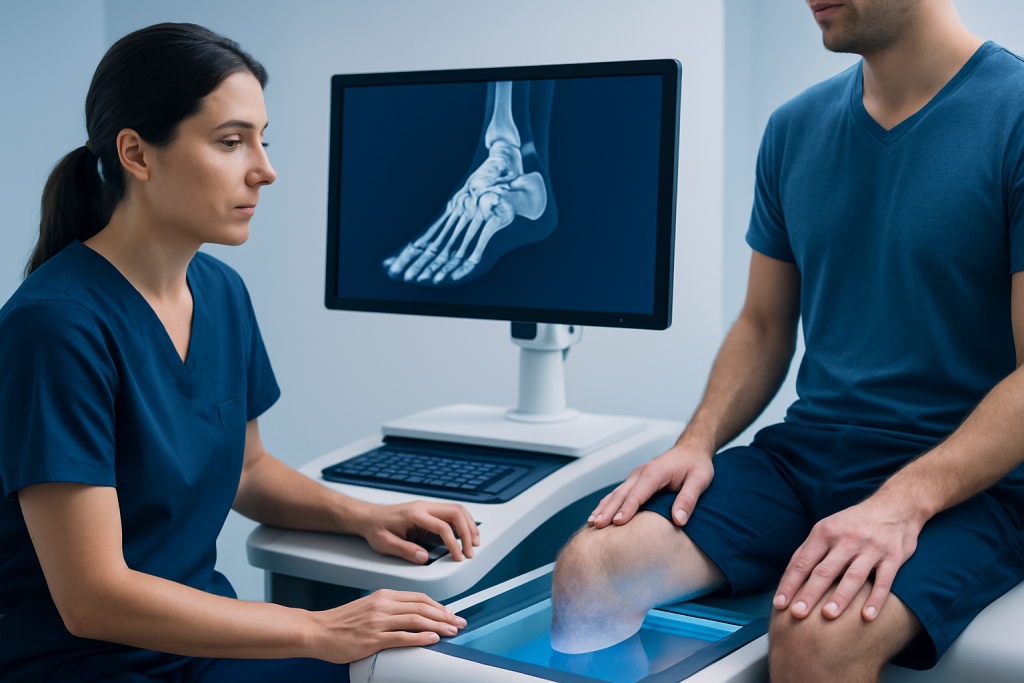
The foot works as a coordinated support system made up of bones, joints, muscles, ligaments, and soft tissues. During walking, the big toe and first metatarsal normally help absorb load and assist with push-off. When the first metatarsal is relatively shorter, the distribution of force may shift toward the second metatarsal.
This shift does not always create symptoms, but it can make certain activities less comfortable. Long periods of standing, repetitive walking, running, dancing, or wearing narrow shoes may increase pressure in the ball of the foot. Some people notice that they tend to bear weight differently on one foot than the other.
Over time, altered mechanics may contribute to soreness under the forefoot, thickened skin, or stress on nearby joints and soft tissues. In some cases, Morton’s toe may exist alongside other foot features such as a high arch, flatfoot, bunions, hammertoes, or tight calf muscles, which can further affect comfort and gait.
Because symptoms can have several causes, a longer second toe should be considered in the context of the whole foot rather than as a stand-alone explanation for every problem. A careful clinical examination helps determine whether the foot structure is relevant to a person’s pain.
Symptoms and possible related problems

Many people with Morton’s toe have no symptoms and discover it only by noticing the appearance of their toes. When symptoms do occur, they are usually related to pressure and overuse rather than the toe shape alone. Discomfort may be mild and occasional or more persistent during activity.
Common complaints can include pain in the ball of the foot, tenderness beneath the second metatarsal, callus formation, shoe irritation, and fatigue after walking or standing. Some people also report that certain shoes feel tight in the toe box because the second toe rubs against the front of the shoe.
Possible associated symptoms and concerns include:
- Forefoot aching or burning with activity
- Calluses under the second metatarsal head
- Pressure-related pain in the second toe joint
- Toe crowding, overlap, or early hammertoe changes
- Discomfort linked with bunions or other alignment issues
These symptoms are not specific to Morton’s toe alone. Similar complaints can occur with metatarsalgia, stress injuries, arthritis, tendon problems, or nerve irritation. This is one reason self-diagnosis can be misleading if pain is ongoing.
Causes and risk factors
Morton’s toe is primarily a structural variation, often present from birth and influenced by inherited foot shape. It is not something a person causes through posture, exercise, or footwear. The visible appearance comes from the relationship between the first and second metatarsals and toes.
Even though the structure itself is usually congenital, symptoms related to it may be more likely under certain conditions. Activities that place repeated load on the forefoot can make pressure-related pain more noticeable. Shoes that are narrow, rigid, or high-heeled may also increase stress on the front of the foot.
Factors that may increase the chance of symptoms include:
- Regular running, jumping, or dance activities
- Prolonged standing or walking on hard surfaces
- Poorly fitting shoes or high heels
- Existing bunions, toe deformities, or arch problems
- Changes in gait after injury or due to joint stiffness
Morton’s toe may also coexist with broader orthopedic concerns that affect lower-limb alignment and weight transfer. If symptoms extend beyond the foot, a clinician may evaluate the ankle, knee, hip, and spine as well as the forefoot. In some patients, a broader assessment through orthopedic care is the most helpful next step.
How doctors diagnose Morton's toe
Diagnosis usually begins with a medical history and physical examination. A doctor will look at the shape of the foot, compare both sides, assess where tenderness is located, and observe standing posture and walking pattern. They may also check for calluses, joint motion, flexibility, and other deformities that can affect pressure distribution.
In straightforward cases, the diagnosis of Morton’s toe is mainly clinical. The visible relationship between the big toe and second toe, along with forefoot alignment, often provides enough information to explain the foot structure. However, additional testing may be useful when pain is significant, new, or difficult to explain.
X-rays can help show the relative lengths of the metatarsals and identify issues such as arthritis, stress injury, or toe deformity. In select cases, advanced MRI or other imaging may be recommended if a doctor suspects soft-tissue injury, nerve irritation, or another diagnosis. This is especially useful when symptoms overlap with conditions such as metatarsalgia or neuroma.
The main goal of diagnosis is not simply to label the foot shape, but to determine whether it is actually causing symptoms and whether another treatable condition is present. This helps guide the most appropriate management plan.
Treatment options and symptom relief
Treatment depends on whether Morton’s toe is causing symptoms. If the foot shape is painless, no treatment is usually needed. When discomfort is present, care typically focuses on reducing pressure in the forefoot, improving shoe fit, and supporting walking mechanics.
Conservative treatment often helps. Doctors may recommend shoes with a wider toe box, adequate cushioning, and low heels. Insoles or custom orthotics can sometimes redistribute pressure away from the second metatarsal and improve comfort during daily activities. Padding, taping, and temporary activity modification may also be useful.
Other supportive measures can include stretching tight calf muscles, strengthening foot and ankle muscles, and addressing related issues such as bunions or toe stiffness. If pain is more complex, referral to physical therapy and rehabilitation may help improve gait, reduce overload, and support a return to activity.
Surgery is not routinely needed for Morton’s toe itself. It may be considered only in carefully selected cases when structural problems are severe, symptoms are persistent, and conservative measures have not worked. The exact procedure, if any, depends on the specific anatomical issue and any associated deformities rather than on the toe appearance alone.
Self-care, footwear, and prevention strategies
Although inherited foot structure cannot be prevented, pressure-related symptoms can often be reduced with practical self-care. The most important step is usually choosing footwear that matches the shape of the foot. Shoes should allow enough room for the second toe, support the arch comfortably, and avoid concentrated pressure at the ball of the foot.
People who spend long hours standing or who exercise regularly may benefit from rotating shoes, using cushioned inserts, and gradually building activity intensity. Rest periods, ice after overuse, and replacing worn-out athletic shoes can also help. If a particular shoe consistently causes rubbing or pain, changing the footwear is often more effective than trying to adapt to it.
Helpful day-to-day strategies include:
- Choose a wide, comfortable toe box
- Avoid high heels or shoes that force the toes forward
- Use supportive insoles if advised by a clinician
- Stretch the calves and maintain ankle mobility
- Monitor calluses, skin irritation, and changes in toe position
These steps do not change the underlying bone structure, but they can make the foot function more comfortably. A personalized approach is best, especially for athletes, people with diabetes, or anyone with recurrent foot pain.
When to seek medical care
Medical advice is recommended if foot pain lasts more than a few weeks, interferes with walking, or keeps returning despite shoe changes and rest. A clinician can help determine whether the symptoms are related to Morton’s toe or to another condition that needs treatment.
Prompt assessment is especially important if there is swelling, significant tenderness, numbness, tingling, a sudden change in toe alignment, or pain after an injury. People with diabetes, circulation problems, or reduced sensation in the feet should not ignore new pressure areas or skin changes.
Professional evaluation can also be helpful when home measures are not enough and a person is limiting exercise, work, or daily movement because of foot discomfort. In this setting, assessment by foot and ankle specialists can clarify diagnosis and guide treatment. Acibadem International’s multidisciplinary specialists in JCI-accredited hospitals diagnose and treat foot conditions for international patients when more detailed evaluation is needed.
Early attention often makes management simpler. Addressing pressure points, footwear issues, and related biomechanical problems can prevent minor discomfort from becoming a longer-term limitation.
Frequently asked questions
Is Morton's toe a medical problem?
Not usually. Morton's toe is often just a normal variation in foot shape. It becomes a medical concern only if it contributes to pain, pressure problems, or difficulty with walking and footwear.
Why does the second toe look longer in Morton's toe?
The second toe appears longer mainly because the first metatarsal bone is relatively shorter than the second. This changes the visual balance of the forefoot, even if the toe bones themselves are not unusually long.
Can Morton's toe cause foot pain?
Yes, it can contribute to foot pain in some people by shifting pressure toward the ball of the foot. However, not everyone with Morton's toe has symptoms, and other causes of forefoot pain should also be considered.
Is Morton's toe the same as Morton's neuroma?
No. Morton's toe is a structural foot variation, while Morton's neuroma is a nerve-related condition in the forefoot. They can both affect a similar area, but they are separate diagnoses and may need different treatment.
Can orthotics help with Morton's toe?
They can help in some cases, especially when symptoms are due to excess pressure under the forefoot. Insoles or custom orthotics may improve comfort by redistributing load and supporting foot mechanics.
Does Morton's toe need surgery?
Most people do not need surgery. Conservative measures such as proper footwear, padding, orthotics, and physical therapy are usually tried first, and surgery is considered only when symptoms remain significant and other treatments have not helped.
This article is for general information only and is not a substitute for professional medical advice. Please consult a qualified doctor about your individual situation.
Explore treatments in Turkey — costs, top hospitals & a free quote
JCI-accredited · board-certified surgeons · reply within 24h
Add us as a Preferred Source to see more of our trusted health content across Google Search, AI Overviews and Discover.

More from the Health Library

Impulse Control: An Evidence-Based Guide for Patients

Celery Benefits: A Complete Medical Overview

Stomach Acid: What Patients Need to Know

Ultherapy: A Complete Medical Overview

Muehrcke’s Lines: An Evidence-Based Guide for Patients