Underbite — Explained by Medical Evidence, Not Myths
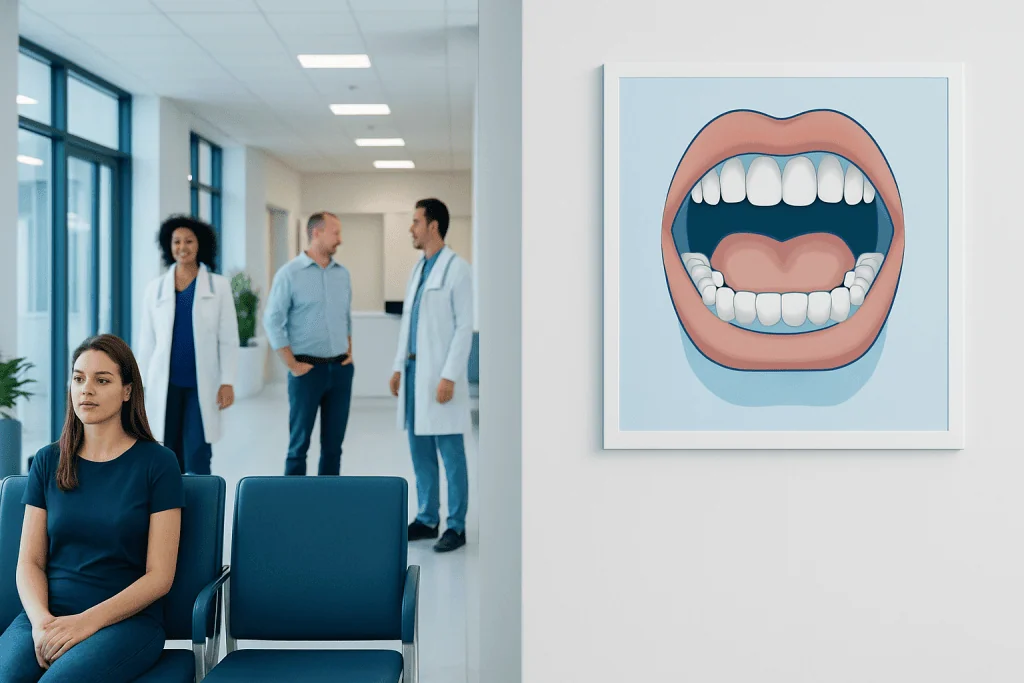
An underbite is a form of malocclusion where the lower teeth or jaw project in front of the upper teeth. Some underbites are mainly dental, while others are caused by jaw growth patterns.
Key Takeaways
- An underbite is a form of malocclusion where the lower teeth or jaw project in front of the upper teeth.
- Some underbites are mainly dental, while others are caused by jaw growth patterns.
- Symptoms can include chewing difficulty, tooth wear, speech changes, and jaw discomfort.
- Diagnosis usually involves a dental exam, bite assessment, and imaging when needed.
- Treatment may include monitoring, orthodontics, or jaw surgery in more severe cases.
- Early evaluation in childhood can help identify growth-related problems sooner.
An underbite is a type of bite misalignment in which the lower teeth or jaw sit in front of the upper teeth. It may be mild or more noticeable, and treatment depends on whether the problem comes from the teeth, the jawbones, or both.
What an underbite is
An underbite is a bite problem in which the lower front teeth sit in front of the upper front teeth when the mouth closes. In some people, the lower jaw itself is positioned farther forward. In others, the issue is mainly the angle or position of the teeth. Doctors and dentists often describe this as a type of malocclusion, meaning the upper and lower teeth do not meet in the usual way.
Underbites vary widely. A mild underbite may cause little day-to-day trouble and may be noticed mostly during a dental checkup. A more pronounced underbite can affect chewing, speech, facial balance, and long-term tooth wear. Because the causes differ from person to person, treatment is individualized rather than one-size-fits-all.
It is also helpful to separate myths from medical evidence. An underbite is not simply a cosmetic issue, and it is not always caused by habits alone. Genetics, jaw growth, dental crowding, and childhood oral habits can all play a role. A proper evaluation helps clarify whether the main problem involves the teeth, the jawbones, or both.
Signs and symptoms
Not everyone with an underbite has symptoms, especially if the mismatch is small. However, some people notice that their front teeth do not meet correctly or that the lower jaw appears more prominent. Others become aware of the issue because of difficulty biting into foods or changes in the way their teeth come together.
Possible symptoms and effects can include:
- Difficulty biting, chewing, or tearing food
- Speech differences, such as trouble making certain sounds clearly
- Jaw strain, clicking, or discomfort in some cases
- Uneven tooth wear or chipping
- Gum irritation or sensitivity around teeth under extra pressure
- Concerns about facial profile or smile appearance
In children, parents may first notice that the child’s lower teeth seem to overlap the upper teeth, or that the chin looks unusually prominent. In adults, symptoms may develop gradually over time as tooth wear, gum irritation, or jaw discomfort become more noticeable. If the bite mismatch is significant, it can sometimes be associated with other alignment concerns such as crossbite.
Causes and risk factors

The most common cause of an underbite is inherited jaw structure. Some people naturally have a lower jaw that grows farther forward, a smaller upper jaw, or a combination of both. Family history is often an important clue, especially when several relatives have similar bite patterns or needed orthodontic care.
In other cases, dental positioning is a bigger factor than bone structure. Teeth may erupt at angles that bring the lower front teeth ahead of the upper front teeth. Crowding, missing teeth, or differences in how the dental arches develop can all contribute. This is why two people with similar-looking underbites may need very different treatment plans.
Certain childhood habits may also influence bite development, especially if they are prolonged. These can include thumb sucking, extended pacifier use, tongue thrusting, or mouth breathing related to airway or nasal issues. Habits alone do not explain every underbite, but they can affect jaw and tooth position while a child is still growing. Some children may also have underbites along with other orthodontic problems such as open bite.
Less commonly, an underbite can develop after trauma, changes in the jaw joint, or conditions that affect bone growth. If the bite changes suddenly in an adult, or if it is paired with new pain, swelling, or limited jaw movement, a dentist or doctor should assess it promptly.
How doctors and dentists diagnose an underbite
Diagnosis begins with a clinical examination. A dentist, orthodontist, or oral and maxillofacial specialist will look at how the teeth meet, whether the lower jaw sits forward, and whether the problem appears to be dental, skeletal, or mixed. They may ask about family history, childhood habits, speech changes, jaw pain, and any previous orthodontic treatment.
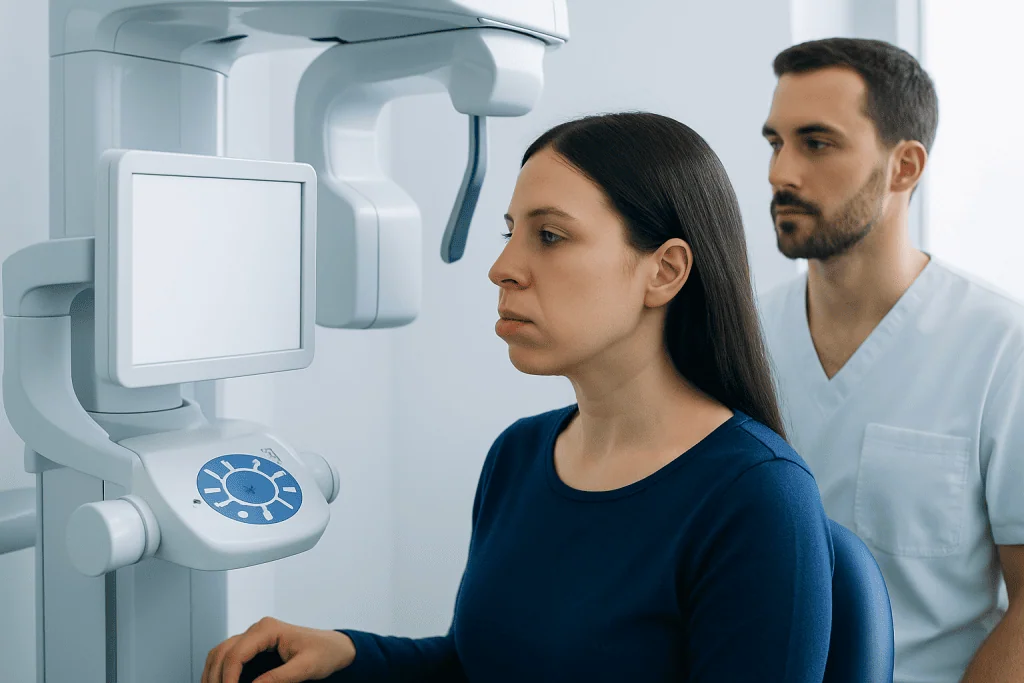
Photographs, dental impressions or digital scans, and bite measurements are often used to understand the alignment more precisely. X-rays or other imaging can help show the position of tooth roots, jawbones, and facial growth patterns. In children and teenagers, growth stage is especially important because treatment timing can influence what options are available.
The aim of diagnosis is not only to label the bite, but to understand its impact. The clinician will consider chewing function, tooth wear, gum health, speech, airway concerns, and facial balance. This careful assessment helps avoid both undertreatment and unnecessary treatment, especially when the underbite is mild and stable.
Treatment options based on age and severity
Underbite treatment depends on what is causing the problem, how severe it is, and whether the person is still growing. Mild cases may only need observation and regular follow-up. If there is no significant tooth wear, gum injury, chewing problem, or cosmetic concern, active treatment may not always be necessary right away.
In children, early orthodontic evaluation can be useful when jaw growth seems to be part of the problem. Some children may benefit from growth-guiding orthodontic appliances, expansion of the upper jaw, or braces to improve tooth position and bite relationships. These approaches work best when timed to development and supervised by an experienced orthodontic team. Depending on the child’s needs, treatment may include orthodontic treatment to guide alignment as the jaws grow.
In teenagers and adults, braces or clear aligners may help if the underbite is mainly dental. When there is a more significant mismatch between the upper and lower jawbones, orthodontics alone may not fully correct the bite. In those situations, clinicians may discuss a combined approach using braces before and after jaw surgery to bring the jaws into a healthier position.
Treatment goals usually include improving how the teeth fit together, protecting long-term oral health, supporting clear speech, and reducing strain on the jaw. If jaw discomfort is also present, some patients may need assessment for temporomandibular joint disorder treatment as part of a broader care plan. Decisions are personalized, and specialists typically explain the expected benefits, limitations, and timing of each option.
Daily care, prevention, and long-term outlook
Not every underbite can be prevented, especially when jaw shape is largely inherited. Even so, early dental visits and attention to oral habits can help identify concerns before they become more complex. Pediatric dental and orthodontic assessments are particularly valuable if a child has prolonged thumb sucking, persistent mouth breathing, or a visible bite mismatch.
Good oral hygiene is important for everyone with bite problems because crowded or misaligned teeth can be harder to clean thoroughly. Brushing carefully, flossing or using interdental cleaning tools, and keeping regular dental checkups can help reduce the risk of cavities and gum irritation. If there is uneven wear, a dentist may also monitor for enamel damage or sensitivity over time.
The long-term outlook is generally good. Many people do well with orthodontic care, and others benefit from combined orthodontic and surgical treatment when needed. The key is choosing the right treatment for the actual cause of the underbite rather than relying on myths, online promises, or cosmetic shortcuts that do not address jaw function.
When to seek medical care
Medical or dental advice is appropriate whenever an underbite is causing symptoms or concerns. A person should seek evaluation if chewing is difficult, teeth are wearing down unevenly, speech has changed, or jaw pain and clicking are becoming more frequent. Parents should also arrange an assessment if a child’s lower teeth regularly close in front of the upper teeth or if facial growth seems unbalanced.
More urgent assessment may be needed if the bite changes suddenly, if there is new swelling or pain after injury, or if the jaw becomes hard to open or close. These situations may point to problems beyond a routine alignment issue. A qualified dentist, orthodontist, or maxillofacial specialist can determine the cause and advise on next steps.
For people seeking multidisciplinary assessment, Acibadem International’s specialists in JCI-accredited hospitals diagnose and treat bite and jaw alignment problems for international patients. The most appropriate route depends on whether the concern is primarily dental, skeletal, or related to jaw joint function.
Frequently asked questions
Can an underbite correct itself over time?
A mild underbite may appear to change as a child grows, but a true underbite usually does not reliably correct itself without evaluation. Because jaw growth patterns vary, it is best to have a dentist or orthodontist assess it rather than wait and assume it will improve on its own.
Is an underbite only a cosmetic issue?
No. While appearance can be part of the concern, an underbite may also affect chewing, speech, tooth wear, gum health, and jaw comfort. The impact depends on how severe the bite mismatch is and whether the problem involves the teeth, the jaw, or both.
At what age should a child with an underbite be checked?
Children should have regular dental visits, and a visible underbite is a good reason to consider early orthodontic evaluation. Early assessment does not always mean immediate treatment, but it helps specialists monitor growth and choose the best timing if treatment becomes necessary.
Can braces fix an underbite?
Braces can help when the underbite is mainly caused by tooth position. If the issue is due to a significant mismatch in the jawbones, braces alone may not be enough, and a combined orthodontic-surgical approach may be discussed.
Does an underbite cause TMJ problems?
An underbite can contribute to jaw strain in some people, but it does not automatically cause temporomandibular joint disorders. Jaw pain or clicking can have several causes, so a proper evaluation is needed to understand whether the bite is playing a role.
Is underbite treatment only for children?
No. Although some growth-related treatments work best in childhood, adults can still be treated. Depending on the cause and severity, options may include orthodontics, surgery, or a combination of both.
This article is for general information only and is not a substitute for professional medical advice. Please consult a qualified doctor about your individual situation.
Explore treatments in Turkey — costs, top hospitals & a free quote
JCI-accredited · board-certified surgeons · reply within 24h
Add us as a Preferred Source to see more of our trusted health content across Google Search, AI Overviews and Discover.

More from the Health Library
10 Minute Gout Cure: What Patients Need to Know
Fracture Blisters — Explained by Medical Evidence, Not Myths

Butt Plug — Explained by Medical Evidence, Not Myths
Hypothalamic Amenorrhea: An Evidence-Based Guide for Patients
Complement System: What Patients Need to Know