Random Breath Test: An Evidence-Based Guide for Patients

A random breath test is not one single test; it can refer to alcohol screening or certain medical breath tests done at a non-fixed time. The result is only meaningful when interpreted in the right clinical context, including symptoms, timing, recent food or drink, and medications.
Key Takeaways
- A random breath test is not one single test; it can refer to alcohol screening or certain medical breath tests done at a non-fixed time.
- The result is only meaningful when interpreted in the right clinical context, including symptoms, timing, recent food or drink, and medications.
- Breath testing is usually quick and noninvasive, but some types require preparation for the most accurate result.
- A positive or abnormal result does not always confirm a diagnosis on its own and may need follow-up testing.
- Medical advice should be sought promptly for severe symptoms such as chest pain, fainting, trouble breathing, or persistent vomiting.
A random breath test is a breath sample taken without special timing to look for specific substances, most commonly alcohol or gases linked to digestive disorders. What the test means depends on why it was ordered, how it was performed, and how the result is interpreted alongside symptoms and medical history.
Overview: what a random breath test means
A random breath test is a breath sample collected at an unscheduled or non-standard time to detect certain substances in exhaled air. In everyday language, many people use the term for alcohol screening, such as roadside or workplace testing. In healthcare, it may also refer more broadly to a breath-based diagnostic test performed in response to symptoms rather than at a fixed interval.
The most common examples are alcohol breath tests and digestive breath tests that measure hydrogen or methane. Alcohol testing estimates the amount of alcohol in the body by analyzing breath alcohol concentration. Digestive breath testing is used to help evaluate problems such as lactose intolerance, fructose malabsorption, or small intestinal bacterial overgrowth, often discussed alongside digestive symptoms when symptoms overlap.
Because the term “random” describes timing rather than a single disease, patients often benefit from asking a simple clarifying question: what is this breath test looking for? The answer changes how the result should be interpreted, whether preparation was needed, and whether other tests may be required.
Why doctors use breath tests
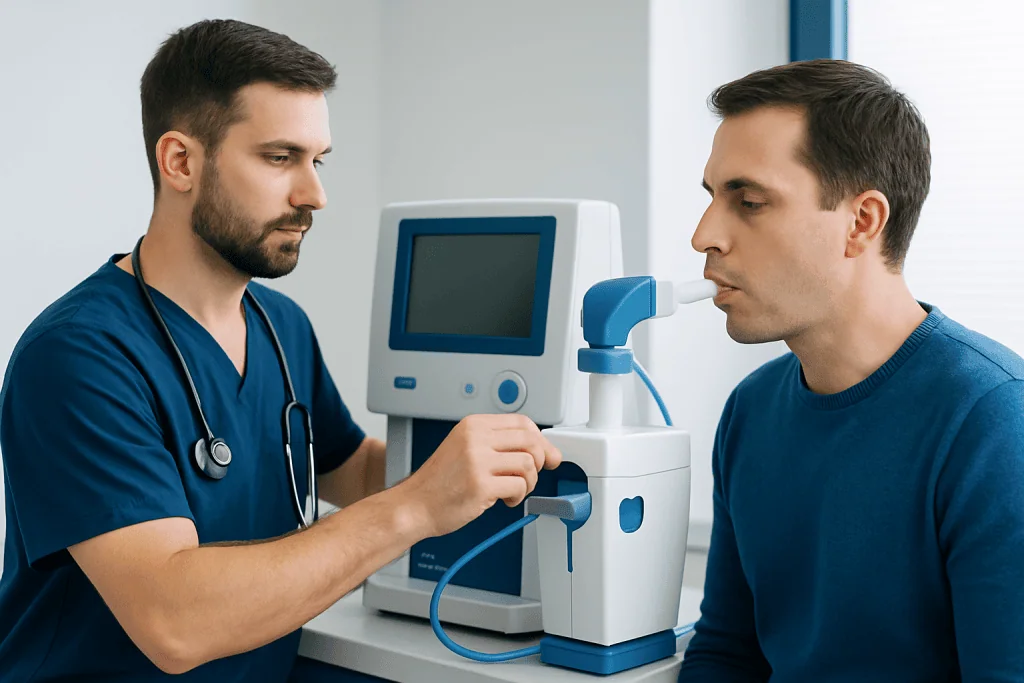
Breath tests are popular because they are noninvasive, quick, and relatively easy to repeat. They can provide useful information without needles, sedation, or imaging in many situations. For alcohol, the goal is usually screening or assessing recent alcohol exposure. For digestive conditions, the goal is to detect gases produced when gut bacteria ferment certain sugars.
In digestive medicine, a breath test may be used when a person reports bloating, excessive gas, abdominal discomfort, diarrhea, or symptoms triggered by specific foods. A physician may use it as one piece of the evaluation, especially if symptoms suggest carbohydrate intolerance or bacterial overgrowth. In some cases, the next steps may include diet changes, stool tests, blood tests, or endoscopy depending on the full clinical picture.
Breath testing can also be used after treatment in selected cases to help see whether a condition has improved. For example, a doctor evaluating suspected bacterial overgrowth may combine symptoms, exam findings, and test results before considering therapies such as gastroenterology evaluation and treatment.
Types of random breath test and how they differ
Alcohol breath tests estimate blood alcohol levels indirectly by measuring alcohol in exhaled air. These tests are commonly used by law enforcement, employers, emergency departments, and sometimes outpatient clinics. Results can be influenced by recent mouth alcohol exposure, certain devices, and the timing of the last drink, so proper technique matters.
Hydrogen and methane breath tests are different. They usually involve drinking a sugar solution such as lactose, fructose, glucose, or lactulose and then giving breath samples over time. Even if a patient informally calls this a random breath test, the medical version is often structured and timed. The goal is to see whether gut bacteria produce unusually high levels of gas after the sugar reaches the intestines.
Some specialized centers use other breath-based tests in selected situations, but they are less common. The key point is that a breath test does not diagnose every cause of symptoms, and different breath tests answer different clinical questions.
- Alcohol breath test: screens for recent alcohol exposure.
- Hydrogen breath test: helps assess lactose intolerance or other carbohydrate malabsorption.
- Methane breath test: may support evaluation of intestinal methanogen overgrowth, often in people with bloating or constipation.
- Glucose or lactulose breath test: may help assess suspected small intestinal bacterial overgrowth.
How to prepare and what happens during the test
Preparation depends on the type of random breath test. For an alcohol breath test, recent use of alcohol-containing mouthwash, sprays, or certain products may briefly affect results, so staff often follow a waiting period and standardized procedure. For digestive breath tests, patients may be asked to avoid certain foods, smoking, vigorous exercise, antibiotics, probiotics, or laxatives for a period before the test because these can change the bacteria in the gut or alter gas production.
During alcohol testing, the patient usually blows into a handheld device until a sufficient sample is collected. During digestive testing, the patient first gives a baseline sample, drinks a test solution, and then provides repeated breath samples over the next few hours. The experience is generally safe and well tolerated, though some people may notice temporary bloating, cramping, or loose stools if the test sugar triggers symptoms.
Patients should follow the exact instructions given by their healthcare team because even small preparation mistakes can affect interpretation. If a person has recently had bowel preparation, diarrhea, an acute infection, or changes in antibiotic use, the test may need to be delayed. If symptoms are more severe or persistent, the clinician may consider a broader workup that can include endoscopic evaluation or other investigations.
Understanding results and their limits
A breath test result is best seen as one clue, not a complete diagnosis by itself. For alcohol testing, the result reflects breath alcohol at the time of sampling, not necessarily a person’s long-term drinking pattern or level of impairment in every circumstance. For digestive testing, an elevated hydrogen or methane reading may support a diagnosis, but it does not always explain all symptoms.
False-positive and false-negative results can happen. In digestive tests, timing of intestinal transit, recent antibiotics, underlying bowel conditions, and imperfect preparation may change the gas pattern. Some people do not produce much hydrogen even when they have symptoms, while others may produce methane instead. This is one reason doctors often interpret results together with symptom history, dietary triggers, physical examination, and other tests.
Patients should also know that similar symptoms can have many causes. Bloating, abdominal pain, or bowel habit changes may be related to food intolerance, infection, irritable bowel syndrome, inflammation, or structural problems. When symptoms are ongoing, clinicians may evaluate related conditions such as irritable bowel syndrome rather than relying on a single breath test result alone.
What happens after an abnormal result
Follow-up depends on the reason the test was done. If an alcohol breath test is positive in a medical setting, healthcare professionals may assess safety, hydration, injury risk, medications, and whether urgent care is needed. If the concern is recurring alcohol use rather than a one-time exposure, a doctor may discuss broader support and additional evaluation in a respectful, confidential way.
If a digestive breath test is abnormal, treatment may include dietary adjustments, symptom-directed care, and in selected cases treatment aimed at bacterial overgrowth or a specific intolerance. For example, lactose intolerance is often managed by reducing lactose intake or using lactase products, while suspected bacterial overgrowth may lead to a personalized plan from a gastroenterologist. Some patients also benefit from review by nutrition and diet specialists to identify triggers and maintain balanced nutrition.
If the result is unclear or does not fit the symptoms, the doctor may repeat testing or order alternatives such as stool studies, blood work, imaging, or endoscopy. The goal is not just to label a test result, but to understand the cause of symptoms and choose the most appropriate care.
Self-care, prevention, and reducing testing errors
For alcohol-related testing, the simplest way to prevent an unexpected positive result is to avoid alcohol when driving, working in safety-sensitive roles, or taking medicines that can impair alertness. If a person is unsure whether a product contains alcohol, reading the label can help. If a prescription, over-the-counter medicine, or mouth product may affect the test, it is sensible to tell the healthcare professional or examiner.
For digestive breath testing, good preparation improves accuracy. Patients should carefully follow instructions about fasting, restricted foods, and medications. Keeping a symptom diary before and after the test can also help the doctor connect test results to real-life triggers such as dairy, fruit sugars, or certain high-fermentation foods.
Longer-term self-care depends on the diagnosis. Many digestive symptoms improve with an individualized eating plan, adequate hydration, regular meals, and guidance from a qualified clinician rather than unnecessary food restriction. It is important not to start major elimination diets without medical advice, especially in children, older adults, or anyone at risk of poor nutrition.
When to seek medical care
Medical advice is recommended if symptoms are frequent, unexplained, or affecting daily life. A doctor should assess bloating, abdominal pain, diarrhea, constipation, or food-related symptoms that persist, recur, or lead to weight loss, fatigue, or dehydration. A clinician can determine whether a breath test is appropriate and whether other causes need to be ruled out.
Urgent medical care is important for severe symptoms such as chest pain, fainting, confusion, trouble breathing, black or bloody stools, severe abdominal pain, persistent vomiting, or signs of significant dehydration. These symptoms are not explained by a routine breath test and may require immediate evaluation.
Near the end of the diagnostic journey, some patients benefit from multidisciplinary care, especially when symptoms overlap across nutrition, gastroenterology, and internal medicine. Acibadem International’s multidisciplinary specialists and JCI-accredited hospitals diagnose and treat digestive and general medical conditions for international patients when coordinated specialist assessment is needed.
Frequently asked questions
What is a random breath test?
A random breath test is a breath sample taken without special timing to check for a substance in exhaled air. Most commonly, people mean an alcohol breath test, but in medicine it may also refer to breath testing used to help evaluate digestive symptoms.
Can a random breath test diagnose a condition by itself?
Usually no. A breath test can provide helpful evidence, but doctors interpret it together with symptoms, medical history, examination, and sometimes other tests. An abnormal result may support a diagnosis, but it does not always confirm the exact cause on its own.
How accurate is a breath test?
Accuracy depends on the type of test, the device or protocol used, and whether preparation instructions were followed. Breath tests can be very useful, but false-positive and false-negative results are possible, especially in digestive testing if timing, diet, medications, or recent illness affect the result.
Do I need to fast before a breath test?
Some breath tests require fasting and other preparation, while others do not. Digestive breath tests often need fasting and restrictions on certain foods or medicines beforehand. Patients should follow the instructions given by their healthcare team for the specific test ordered.
What symptoms might lead a doctor to order a digestive breath test?
Doctors may consider a digestive breath test when a person has bloating, gas, abdominal discomfort, diarrhea, constipation, or symptoms that seem to worsen after certain foods. The test may help assess lactose intolerance, carbohydrate malabsorption, or possible bacterial overgrowth.
Can medications affect breath test results?
Yes. Antibiotics, probiotics, laxatives, bowel preparation, and some other medicines can affect digestive breath test results by changing gut bacteria or transit. For alcohol breath testing, certain mouth products or recent alcohol exposure can temporarily influence the reading, which is why proper testing procedures are important.
References
- National Institute on Alcohol Abuse and Alcoholism
- National Institute of Diabetes and Digestive and Kidney Diseases
- American College of Gastroenterology
- National Health Service
- Mayo Clinic
This article is for general information only and is not a substitute for professional medical advice. Please consult a qualified doctor about your individual situation.
Explore treatments in Turkey — costs, top hospitals & a free quote
JCI-accredited · board-certified surgeons · reply within 24h
Add us as a Preferred Source to see more of our trusted health content across Google Search, AI Overviews and Discover.

More from the Health Library

Tooth Decay: A Complete Medical Overview

Mindfulness Activities for Teens: A Complete Medical Overview

Dwarfism: An Evidence-Based Guide for Patients

Managed Care: A Complete Medical Overview

Phalen Test: A Complete Medical Overview