Celiac Trunk: An Evidence-Based Guide for Patients
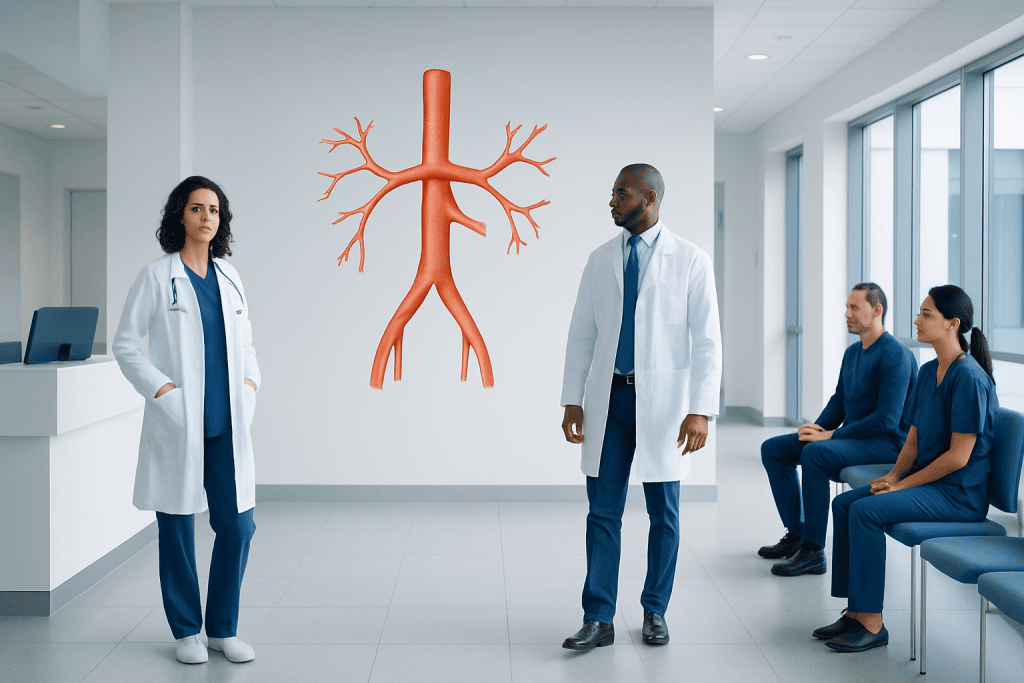
The celiac trunk is a major artery that branches from the aorta and supplies blood to the stomach, liver, spleen, pancreas, and upper duodenum. Many celiac trunk findings are incidental on imaging and do not cause symptoms.
Key Takeaways
- The celiac trunk is a major artery that branches from the aorta and supplies blood to the stomach, liver, spleen, pancreas, and upper duodenum.
- Many celiac trunk findings are incidental on imaging and do not cause symptoms.
- When symptoms occur, they may include upper abdominal pain, especially after eating, nausea, bloating, or weight loss.
- Causes of celiac trunk problems include external compression, atherosclerosis, congenital variation, inflammation, or rarely aneurysm.
- Diagnosis usually relies on imaging such as Doppler ultrasound, CT angiography, or MR angiography interpreted in clinical context.
- Treatment depends on the cause and may range from monitoring to medications, endovascular care, or surgery.
The celiac trunk is a short but important artery in the upper abdomen that delivers blood to several digestive organs. Most people never notice it, but narrowing, compression, or blockage of the celiac trunk can sometimes contribute to abdominal symptoms and may need medical evaluation.
Overview: what the celiac trunk is and why it matters
The celiac trunk is a major artery that arises from the abdominal aorta just below the diaphragm. It is usually short, then divides into three main branches that carry oxygen-rich blood to the stomach, liver, spleen, pancreas, and part of the duodenum. In everyday terms, it is one of the key blood supply routes for the upper digestive system.
For most people, the celiac trunk works normally and causes no symptoms. It often becomes a topic of discussion only when an imaging test mentions it or when a doctor is investigating unexplained upper abdominal pain. A scan may describe normal anatomy, a common anatomical variation, narrowing, calcification, compression, or less commonly an aneurysm.
It is important to understand that a celiac trunk finding does not automatically mean disease. Some people have narrowing on imaging without any symptoms, while others have symptoms caused by a different digestive condition. Because of this, doctors interpret celiac trunk findings together with a person’s history, physical examination, and other test results rather than relying on one image alone.
Anatomy and normal variations

In the classic pattern, the celiac trunk divides into the left gastric artery, the splenic artery, and the common hepatic artery. These branches support several organs that help digest food, regulate metabolism, and process nutrients. The close relationship between the artery, the diaphragm, and nearby nerves helps explain why some people develop symptoms when the vessel is compressed.
Normal anatomy is not identical in everyone. Some people have branching patterns that differ from the textbook description, and these variants are often discovered incidentally during a CT scan, MRI, or surgery. Most anatomical variations are harmless, but they are important for planning procedures involving the liver, pancreas, stomach, or blood vessels.
The celiac trunk also connects functionally with other abdominal arteries through a network of collateral vessels. These natural backup pathways may reduce symptoms when mild narrowing develops slowly over time. However, if blood flow is significantly reduced or if the body’s collateral circulation is not enough, abdominal symptoms can occur.
- Main organs supplied: stomach, liver, spleen, pancreas, and upper small intestine
- Commonly noted issues: anatomical variation, narrowing, external compression, plaque buildup, or aneurysm
- Related vessel: the superior mesenteric artery, which also helps supply the digestive tract
Symptoms and possible warning signs

When the celiac trunk is functioning normally, it causes no symptoms at all. If there is reduced blood flow or significant external compression, some people may experience upper abdominal discomfort, especially after meals when the digestive organs need more blood. This may feel like aching, cramping, pressure, or pain in the upper middle abdomen.
Other symptoms can include nausea, early fullness, bloating, reduced appetite, or unintentional weight loss if eating becomes uncomfortable. Some patients describe pain that worsens with exertion or deep breathing, particularly when compression is related to the median arcuate ligament. In some cases, symptoms overlap with more common digestive conditions, which is why medical assessment is important.
Rarely, celiac trunk disease may be linked to more serious vascular problems such as a sudden blockage or aneurysm-related complications. These situations can cause severe abdominal pain, vomiting, or signs of reduced blood flow to abdominal organs. Because the symptoms are not specific, doctors usually consider a broad differential diagnosis that may also include gallbladder disease, ulcers, pancreatitis, mesenteric ischemia, or functional digestive disorders.
Causes and risk factors
One recognized cause of celiac trunk narrowing is external compression by the median arcuate ligament, a fibrous band of the diaphragm. In some people, this ligament sits lower than usual and presses on the artery, especially during exhalation. When symptoms clearly correlate with this compression, the condition is often called median arcuate ligament syndrome, or MALS.
Another cause is atherosclerosis, in which fatty plaque builds up inside arteries and reduces blood flow. This is more likely in older adults and in people with risk factors such as smoking, high blood pressure, diabetes, or high cholesterol. Inflammatory disorders, prior surgery, trauma, congenital vascular differences, and very rarely blood clots can also affect the celiac trunk.
Less common problems include celiac artery aneurysm, dissection, or vasculitis. These are uncommon but medically important because they may need close monitoring or urgent treatment. Sometimes a report mentions stenosis, which means narrowing, but the degree of narrowing does not always predict symptoms. The key question is whether the finding is actually responsible for a person’s clinical picture.
How doctors diagnose celiac trunk problems
Diagnosis starts with a careful review of symptoms, meal-related pain patterns, weight change, medical history, and vascular risk factors. The doctor will also consider common gastrointestinal causes of upper abdominal pain before concluding that the celiac trunk is the source. This step matters because celiac trunk compression can be seen even in people who feel well.
Imaging is central to diagnosis. Doppler ultrasound can assess blood flow and may show changes with breathing. CT angiography and MR angiography provide detailed pictures of the artery, its branches, and nearby structures. In selected cases, catheter angiography may be used, especially when doctors are considering an intervention such as angiography or endovascular treatment.
Additional tests may help rule out other causes of pain, such as blood tests, endoscopy, or abdominal imaging focused on the gallbladder, pancreas, or stomach. Diagnosis is strongest when the imaging findings match the symptoms and other likely causes have been excluded. In centers with vascular and digestive expertise, the evaluation may involve gastroenterologists, vascular surgeons, and radiologists working together.
Treatment options and what they aim to do
Treatment depends on the cause, the severity of symptoms, and whether the celiac trunk finding is actually affecting blood flow. If a scan shows a mild or incidental abnormality and the person has no related symptoms, careful observation may be all that is needed. The focus is then on follow-up, managing vascular risk factors, and monitoring for any change.
When atherosclerosis is involved, treatment usually centers on controlling cardiovascular risk factors. This may include stopping smoking, managing blood pressure, cholesterol, and diabetes, and using medicines recommended by a doctor. If symptoms are due to significant arterial narrowing, minimally invasive vascular procedures such as endovascular treatment may be considered in selected patients.
For symptomatic median arcuate ligament compression, surgery may be recommended when the clinical picture strongly supports the diagnosis. The goal is to release the ligament and reduce pressure on the artery and surrounding nerves. Depending on the case, doctors may discuss vascular surgery or additional reconstruction if the artery remains narrowed after decompression.
If another digestive disease is causing the symptoms, treatment is directed at that condition rather than the celiac trunk itself. This is why individualized evaluation matters. Near the end of the care pathway, a multidisciplinary review can be helpful; Acibadem International’s JCI-accredited hospitals and specialists evaluate vascular and digestive conditions for international patients when coordinated care is needed.
Self-care, prevention, and living with a celiac trunk finding
Not every celiac trunk finding can be prevented, especially when it is related to anatomy. However, there are practical steps that support vascular health overall. These include not smoking, keeping blood pressure and cholesterol in a healthy range, staying physically active within a doctor’s advice, and following a balanced diet that supports heart and vessel health.
People who have meal-related discomfort while waiting for evaluation may find it helpful to eat smaller, more frequent meals rather than very large ones. This does not replace medical care, but it may reduce symptoms in some cases. It can also help to keep a symptom diary noting when pain occurs, what foods were eaten, and whether there are associated symptoms such as nausea or weight change.
Those who have already been diagnosed should follow their specialist’s advice about surveillance imaging, medications, and follow-up visits. Any new or changing symptom should be discussed promptly. Patients should also ask for clear explanations of imaging reports, since terms like stenosis, compression, or variant anatomy can sound worrying even when they do not require immediate treatment.
When to seek medical care
Medical review is appropriate if a person has ongoing upper abdominal pain, especially if it happens repeatedly after meals, leads to eating less, or is associated with nausea, vomiting, or unexplained weight loss. Evaluation is also sensible when an imaging report mentions significant celiac trunk narrowing and symptoms are present. A doctor can help determine whether the finding is meaningful or incidental.
Urgent medical care is important for sudden severe abdominal pain, persistent vomiting, fainting, black stools, fever with severe pain, or symptoms that suggest poor blood flow or internal bleeding. These symptoms can have several causes, not only celiac trunk disease, but they should not be ignored. Early assessment allows faster diagnosis and safer treatment if needed.
People with known vascular disease, significant cardiovascular risk factors, or a prior abdominal vascular diagnosis should keep regular follow-up appointments. If symptoms are complex, referral to specialists in gastroenterology, vascular medicine, or general surgery may be part of the evaluation.
Frequently asked questions
What does the celiac trunk do?
The celiac trunk is an artery that carries blood from the aorta to several upper abdominal organs. Its branches help supply the stomach, liver, spleen, pancreas, and part of the small intestine.
Is a celiac trunk finding on a scan always serious?
No. Many celiac trunk findings are incidental and do not cause symptoms or require treatment. Doctors look at the scan together with symptoms, examination findings, and other test results before deciding whether it is clinically important.
Can celiac trunk compression cause pain after eating?
Yes, it can in some people. When blood flow is reduced or the artery and nearby nerves are compressed, pain may appear after meals because digestive organs need more blood during digestion.
What is the difference between celiac trunk and celiac disease?
They are completely different. The celiac trunk is a blood vessel in the abdomen, while celiac disease is an immune reaction to gluten that affects the small intestine.
How is a celiac trunk problem diagnosed?
Diagnosis usually involves imaging such as Doppler ultrasound, CT angiography, or MR angiography. Doctors also assess symptoms carefully and often rule out more common digestive causes of upper abdominal pain.
Does everyone with celiac trunk narrowing need surgery?
No. Treatment depends on the cause, the severity of narrowing, whether symptoms are present, and whether the artery is truly responsible for them. Some people only need monitoring, while others may benefit from vascular procedures or surgery.
This article is for general information only and is not a substitute for professional medical advice. Please consult a qualified doctor about your individual situation.
Explore treatments in Turkey — costs, top hospitals & a free quote
JCI-accredited · board-certified surgeons · reply within 24h
Add us as a Preferred Source to see more of our trusted health content across Google Search, AI Overviews and Discover.

More from the Health Library

What’s Wrong with My Toes: An Evidence-Based Guide for Patients

Petroleum Jelly: A Complete Medical Overview

Fruits That Lower Blood Pressure — Explained by Medical Evidence, Not Myths

Muscle Injury Chest: What Patients Need to Know

Calamine for Prickly Heat: A Complete Medical Overview