What’s Wrong with My Toes: An Evidence-Based Guide for Patients

Toe symptoms can result from pressure, injury, skin or nail conditions, joint disorders, nerve problems, or reduced circulation. Pain that follows an injury, is associated with swelling, or makes walking difficult may need medical assessment.
Key Takeaways
- Toe symptoms can result from pressure, injury, skin or nail conditions, joint disorders, nerve problems, or reduced circulation.
- Pain that follows an injury, is associated with swelling, or makes walking difficult may need medical assessment.
- Sudden color change, a cold or numb toe, spreading redness, fever, or an open wound requires prompt medical care.
- People with diabetes, poor circulation, or reduced foot sensation should seek early advice for any new toe wound, blister, or infection sign.
- Well-fitting footwear, daily foot checks, and careful nail care can prevent many common toe problems.
What's wrong with my toes can have many explanations, from a minor shoe-related pressure spot or nail problem to an injury, arthritis, infection, nerve irritation, or circulation issue. The pattern of symptoms—such as pain, swelling, numbness, color change, or a visible deformity—can help a clinician identify the cause and recommend appropriate care.
Overview: Understanding Toe Symptoms
When someone wonders, “what’s wrong with my toes,” the answer depends on what they feel and see. A sore toe after wearing narrow shoes may be caused by pressure or rubbing, while pain after stubbing a toe may indicate a bruise, sprain, or fracture. Changes in skin, nails, sensation, shape, or color can point to different underlying concerns.
Toes contain small bones, joints, tendons, nerves, blood vessels, skin, and nails. A problem affecting any of these structures can cause discomfort. Many toe symptoms improve with simple measures, but persistent, severe, or unusual symptoms should be assessed by a qualified healthcare professional, particularly when they affect walking or everyday activities.
It can be helpful to note when symptoms began, whether there was an injury, which toe is affected, and what makes the problem better or worse. This information helps distinguish a temporary problem from a condition requiring targeted treatment.
What the Symptoms May Mean
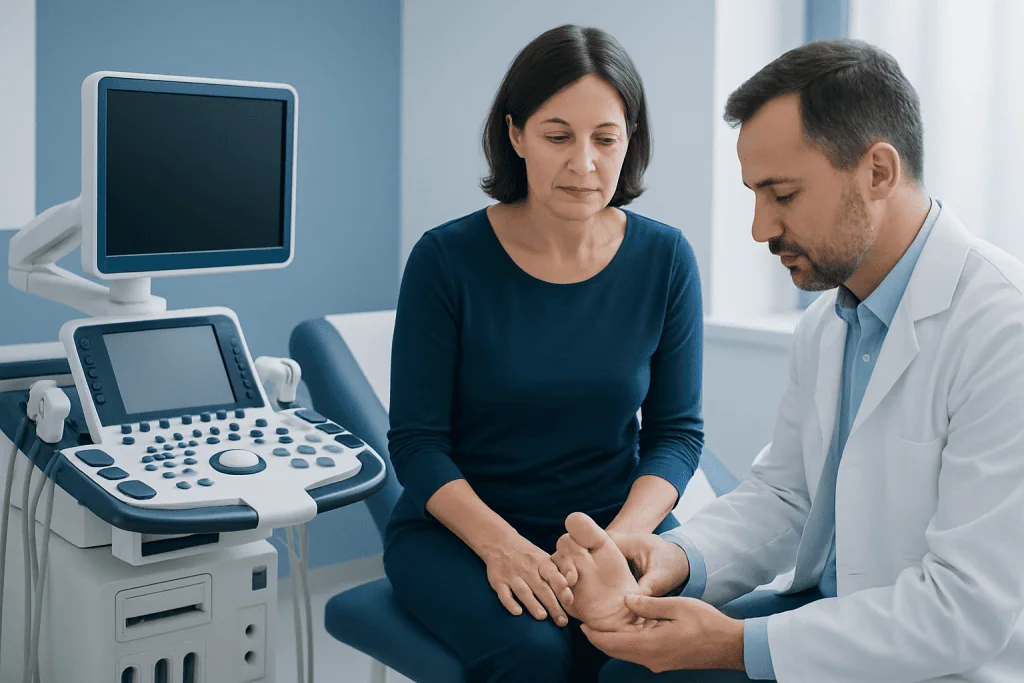
Pain is one of the most common toe symptoms. Sharp pain following a direct impact may occur with a contusion, sprain, dislocation, or broken toe. Gradually developing pain at the base of the big toe can be related to joint wear, inflammation, or a bunion. Pain between the toes may result from friction, a corn, or nerve irritation.
Swelling, warmth, and redness can follow injury or pressure. They may also occur with inflammatory arthritis, gout, or an infection around the skin or nail. A tender, red edge of the nail may suggest an ingrown toenail, especially if there is drainage or overgrown skin beside the nail.
Numbness, tingling, burning, or reduced sensation may be associated with nerve compression, diabetes-related nerve damage, or other neurological conditions. A toe that looks pale, blue, or unusually dark, or feels cold compared with the other foot, may indicate a circulation concern and should not be ignored.
- Visible changes: calluses, corns, blisters, warts, nail thickening, or nail discoloration can affect comfort and footwear choices.
- Shape changes: curling, bending, or drifting toes may occur with hammertoe, claw toe, bunions, arthritis, or tendon imbalance.
- Skin changes: itching or scaling between toes often suggests a fungal skin infection, while a painful open area may be a wound requiring assessment.
Common Causes of Toe Problems

Footwear is a frequent contributor. Shoes with a narrow toe box, high heels, stiff materials, or insufficient support can place repeated pressure on toes. This can lead to blisters, corns, calluses, nail trauma, and worsening of existing deformities. Activity-related overuse, including running, dancing, or prolonged standing, can also irritate joints and soft tissues.
Injuries range from a minor stubbed toe to fractures and tendon injuries. Although many small toe injuries heal without surgery, a toe that appears crooked, has severe bruising, cannot bear weight, or remains painful should be evaluated. Injuries involving the big toe deserve particular attention because this toe plays an important role in balance and walking.
Skin and nail conditions are also common. Athlete’s foot may cause scaling, cracking, or itching, while fungal nail infection can make a nail thick, brittle, yellowish, or difficult to trim. Ingrown nails occur when the nail edge grows into nearby skin, often after cutting nails too short or wearing tight shoes.
Joint and medical conditions can affect the toes as well. Osteoarthritis may cause stiffness and pain, while inflammatory arthritis may produce prolonged morning stiffness and swelling. Gout can cause sudden, intense pain, redness, and swelling, commonly in the big toe. Diabetes and vascular disease can reduce sensation or blood flow, increasing the risk that minor injuries become difficult-to-heal wounds.
How Toe Problems Are Assessed
A clinician usually begins by asking about symptoms, recent trauma, footwear, exercise, medical conditions, and medications. They will examine the foot and toes for tenderness, swelling, skin changes, temperature differences, nail changes, alignment, movement, and signs of infection. They may also check pulses, sensation, and circulation.
Imaging is not always necessary. An X-ray may be recommended when a fracture, dislocation, arthritis, or bone deformity is suspected. Ultrasound, magnetic resonance imaging, or other tests may occasionally be useful for soft-tissue injuries or more complex concerns. Blood tests may be considered if gout, infection, diabetes, or an inflammatory condition is possible.
People should avoid self-diagnosing a toe problem based only on photographs or online descriptions. Similar symptoms can have different causes, and treatment that is helpful for one condition may be unsuitable for another. For example, cutting into an ingrown nail or trying to drain a swollen toe at home can increase the chance of infection.
Treatment and Everyday Care
Treatment is guided by the cause. For a mild injury, rest, avoiding aggravating activity, elevating the foot, and applying a wrapped cold pack for short periods may reduce discomfort and swelling. A clinician may suggest supportive footwear, taping for certain minor toe injuries, or a protective shoe. Suspected fractures, deformities, or injuries with worsening pain should be professionally assessed before attempting to tape or straighten the toe.
Pressure-related problems often improve with shoes that have enough depth and width in the toe area. Soft padding, toe spacers, or insoles may help some people, but these should not cause extra pressure or rubbing. Corns and calluses should be evaluated before treatment in people with diabetes, neuropathy, or circulation problems; self-treatment with medicated corn-removal products may cause skin injury in these groups.
For skin or nail conditions, care may include keeping the feet clean and dry, changing socks regularly, and using appropriate clinician- or pharmacist-recommended treatments. Ingrown nails with persistent pain, drainage, or recurrent infection may need a minor procedure. Arthritis, gout, and other inflammatory disorders may require medicines or longer-term care planned by a doctor.
Acibadem International’s multidisciplinary specialists and JCI-accredited hospitals diagnose and treat foot and toe conditions for international patients, with care tailored to the underlying cause and a person’s overall health.
Prevention and Foot Self-Care
Daily attention to foot health can lower the likelihood of many common toe problems. Shoes should fit comfortably from the first wear, with adequate room for the toes to move without rubbing. It is generally best to choose footwear appropriate for the activity and to replace worn-out athletic shoes when they no longer provide support.
Toenails are usually safest when cut straight across and not too short. The corners should not be deeply rounded, as this can encourage ingrown nails. Keeping feet dry, wearing clean socks, and allowing shoes to air between uses can help reduce fungal growth and odor.
People with diabetes should inspect their feet and toes every day, including between the toes and beneath the feet if possible. They should seek advice promptly for blisters, cuts, cracks, redness, drainage, or areas of pressure. Regular professional foot care may be useful when vision, flexibility, sensation, or circulation is reduced.
- Do not walk barefoot in public changing rooms, pools, or showers if fungal infections are a concern.
- Avoid sharing nail clippers, shoes, or socks.
- Gradually increase new exercise routines to reduce overuse injuries.
- Seek professional advice before using sharp tools, strong chemical treatments, or home remedies on painful toe lesions.
When to Seek Medical Care
Medical assessment is recommended for toe pain that is severe, lasts more than a few days without improvement, repeatedly returns, or interferes with walking. A clinician should also assess a toe that looks deformed after injury, has significant swelling or bruising, or cannot move normally. Early evaluation can help identify fractures, tendon injuries, and joint problems.
Prompt medical care is important for spreading redness, increasing warmth, pus, fever, red streaks on the foot, or a painful wound. Urgent assessment is also needed if a toe becomes suddenly pale, blue, purple, or black; feels cold; becomes numb; or develops sudden severe pain without an obvious reason.
Anyone with diabetes, known poor circulation, immune suppression, or reduced foot sensation should contact a healthcare professional early for a new toe sore, blister, nail infection, or skin break. These conditions can make even small foot problems more difficult to heal, so timely care is a protective step.
Frequently asked questions
Why do my toes hurt when I walk?
Toe pain while walking is often related to pressure from footwear, blisters, corns, calluses, joint irritation, or an earlier injury. Pain can also result from a bunion, arthritis, nerve irritation, or a fracture. If changing to roomy, supportive shoes does not help or walking becomes difficult, a clinician can assess the cause.
Is a swollen toe always a sign of infection?
No. Swelling can happen after stubbing a toe, overuse, a sprain, arthritis, gout, or pressure from shoes. Infection is more likely when swelling occurs with increasing redness, warmth, drainage, fever, or worsening tenderness. These symptoms should be assessed promptly.
What does toe numbness mean?
Toe numbness can occur when a nerve is compressed by tight shoes or foot shape, but it may also be related to diabetes, nerve disorders, or circulation problems. New, persistent, or spreading numbness deserves medical advice. Urgent care is needed if numbness occurs with a cold, pale, blue, or severely painful toe.
Can an ingrown toenail heal on its own?
A mild ingrown toenail may settle when pressure is removed and the foot is kept clean and dry. However, persistent pain, swelling, drainage, or repeated ingrown nails should be evaluated by a healthcare professional. People with diabetes or poor circulation should not try to treat an ingrown nail themselves.
How can I tell if my toe is broken?
A broken toe may cause pain, swelling, bruising, tenderness, and difficulty walking, but these features can overlap with a sprain or severe bruise. A toe that looks crooked, has an open wound, is numb, or causes severe pain should be assessed urgently. An X-ray may be needed to confirm a fracture.
Why is my toenail yellow and thick?
A yellow, thick, crumbly toenail is commonly caused by a fungal nail infection, although repeated trauma, skin conditions, and other nail disorders can look similar. A clinician can confirm the likely cause and discuss suitable treatment options. Nail changes that are dark, rapidly changing, painful, or affecting the surrounding skin should be checked.
References
- American Academy of Orthopaedic Surgeons
- American Podiatric Medical Association
- Centers for Disease Control and Prevention
- National Institute of Arthritis and Musculoskeletal and Skin Diseases
- National Health Service
This article is for general information only and is not a substitute for professional medical advice. Please consult a qualified doctor about your individual situation.
Joint and spine care in Turkey — expert assessment & treatment
JCI-accredited · board-certified surgeons · reply within 24h
Add us as a Preferred Source to see more of our trusted health content across Google Search, AI Overviews and Discover.