How to Cure High Blood Pressure in 3 Minutes? Causes, Explanations, and Next Steps

High blood pressure usually cannot be cured instantly, especially if it is long-term hypertension. A single high reading may improve after sitting quietly, using the correct cuff, and repeating the measurement.
Key Takeaways
- High blood pressure usually cannot be cured instantly, especially if it is long-term hypertension.
- A single high reading may improve after sitting quietly, using the correct cuff, and repeating the measurement.
- Emergency care is important if a very high reading comes with chest pain, severe headache, shortness of breath, confusion, or stroke-like symptoms.
- Doctors confirm hypertension with repeated readings and may use home or ambulatory monitoring.
- Treatment focuses on lifestyle changes and, when needed, medication to reduce long-term heart, brain, and kidney risks.
There is no proven way to cure high blood pressure in 3 minutes. A single high reading is often temporary and not an emergency, but proper re-checking, attention to warning signs, and medical follow-up are the safest next steps.
Overview: Can high blood pressure be cured in 3 minutes?
No, high blood pressure usually cannot be cured in 3 minutes. In many people, a single high reading is harmless and happens because of stress, pain, exercise, caffeine, nicotine, a full bladder, or even talking during the test. In those cases, the number may fall after a few minutes of quiet rest, but that is not the same as curing hypertension.
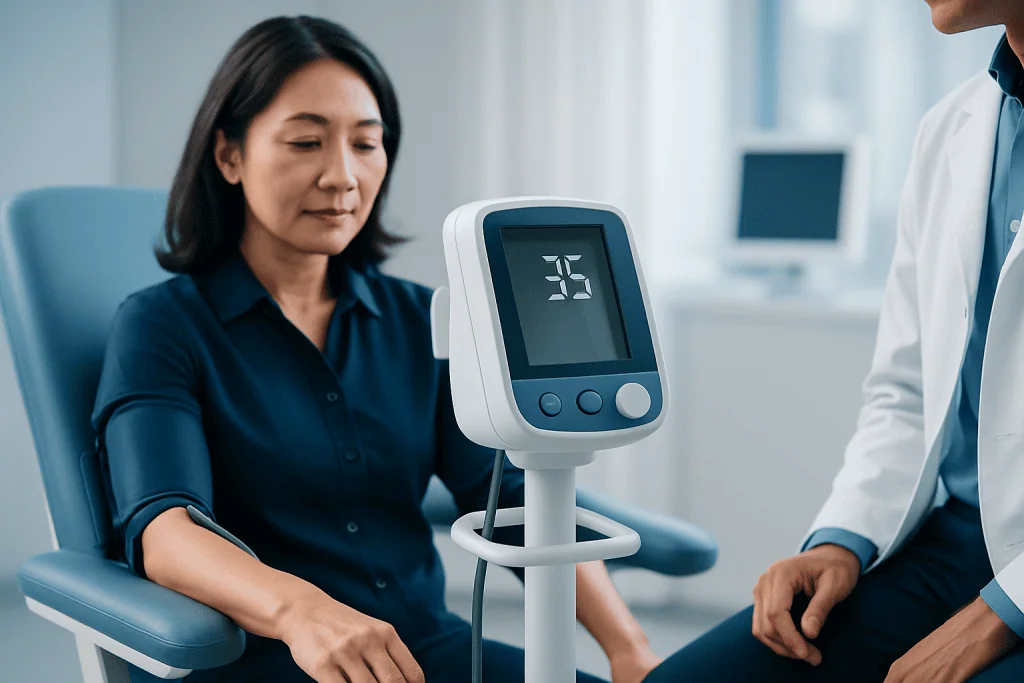
The important first step is to stay calm and measure blood pressure correctly. Sit with the back supported, feet flat on the floor, and arm resting at heart level. Avoid talking, wait quietly for about 5 minutes, then repeat the reading with a properly sized cuff. This can help distinguish a temporary spike from a persistent problem.
If the reading remains high, the next step is not a quick fix but a safe evaluation. Long-term high blood pressure, also called hypertension, often causes no symptoms at all. That is why diagnosis depends on repeated measurements rather than one isolated number.
Why a blood pressure reading may be high for a few minutes
Blood pressure naturally changes throughout the day. It rises and falls with physical activity, emotions, temperature, sleep, and many everyday triggers. A reading taken right after climbing stairs, rushing to an appointment, or feeling anxious can be temporarily higher than usual.
Several common factors can raise a reading for a short time. These include caffeine, energy drinks, smoking, alcohol, decongestant medicines, some pain medicines, and certain supplements. Measurement technique also matters: a cuff that is too small, crossed legs, unsupported feet, or talking during the test can all falsely increase the result.
This is why doctors do not usually diagnose high blood pressure from a single number alone. Instead, they look for a pattern over time. If home readings or clinic readings are repeatedly elevated, the person may need further evaluation and treatment.
- Rest quietly for 5 minutes before rechecking.
- Empty the bladder if needed.
- Avoid caffeine, smoking, and exercise for about 30 minutes before measuring.
- Take two readings, 1 to 2 minutes apart, and record both.
Symptoms and red flags: when a high reading needs urgent attention
Most people with high blood pressure feel completely well. Even significantly elevated blood pressure often causes no obvious symptoms, which is why hypertension is sometimes called a silent condition. Mild headache, flushing, or feeling stressed may occur, but these symptoms alone do not reliably show how high the blood pressure is.
What matters most is whether a very high reading comes with warning signs that could suggest damage to the heart, brain, kidneys, or eyes. Urgent medical care is important if high blood pressure is accompanied by chest pain, shortness of breath, severe headache, confusion, fainting, weakness on one side, trouble speaking, vision loss, or a seizure. These symptoms need immediate assessment rather than home remedies.
Even without those warning signs, a blood pressure reading that stays very high after repeat measurement should be discussed promptly with a doctor. The aim is not to create alarm, but to make sure a temporary spike is not hiding a condition that needs treatment. People who are pregnant, have kidney disease, diabetes, or known heart disease should be especially careful about follow-up.
Causes and risk factors for persistent high blood pressure
Persistent high blood pressure usually develops over time. In many adults, there is no single cause. Instead, it reflects a combination of age, family history, body weight, inactivity, high sodium intake, poor sleep, stress, alcohol use, and other health conditions. This is called primary or essential hypertension.
Sometimes there is an identifiable medical cause. Secondary hypertension can be linked to kidney disease, hormone disorders, thyroid problems, sleep apnea, certain medications, or narrowing of blood vessels. In younger people, sudden severe hypertension, or blood pressure that is difficult to control, doctors may look more closely for these causes.
High blood pressure often occurs alongside other cardiovascular risk factors. These include high cholesterol, diabetes, obesity, and smoking. Doctors may assess these together because treatment is aimed not only at lowering the pressure itself, but also at reducing the overall risk of heart attack, stroke, kidney damage, and other complications.
How doctors confirm the diagnosis
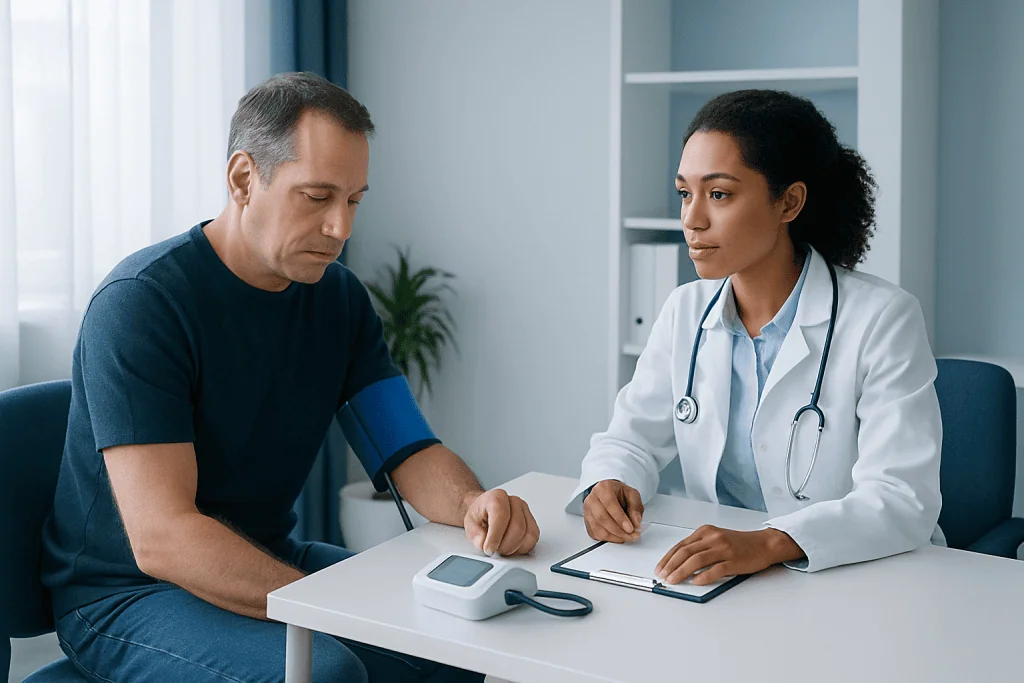
If someone is concerned about a high reading, doctors first review how the measurement was taken and whether there were recent triggers such as exercise, caffeine, or anxiety. Blood pressure is usually checked more than once in the clinic, often after a period of quiet rest. Readings from both arms may be compared at the first assessment.
Because some people have higher readings in medical settings, home blood pressure monitoring or 24-hour ambulatory monitoring may be recommended. These methods help show whether blood pressure is truly elevated during normal daily life. They are often the best way to confirm long-term hypertension and avoid overtreatment based on occasional spikes.
Evaluation may also include blood and urine tests, a review of medicines and supplements, and sometimes an electrocardiogram or other heart checks. If there are signs of possible heart strain, a doctor may assess for echocardiography as part of a broader cardiovascular review. The purpose is to look for causes, identify organ effects, and guide the most appropriate treatment plan.
Treatment options: what actually helps lower blood pressure
The best treatment depends on whether the high reading is temporary or part of ongoing hypertension. If the increase is related to stress, discomfort, or measurement error, simple steps such as resting quietly and correcting the technique may be enough for the number to come down. However, if blood pressure remains high on repeated readings, treatment focuses on long-term control rather than instant cure.
Lifestyle changes are often the foundation of care. These may include reducing sodium intake, eating a balanced diet rich in vegetables and whole foods, maintaining a healthy weight, being physically active, limiting alcohol, stopping smoking, and improving sleep. Managing conditions such as diabetes or sleep apnea can also make blood pressure easier to control.
Many people also need medication, especially when readings are consistently high or when there are other risk factors. Doctors choose treatment based on age, overall health, kidney function, and other medical conditions. Depending on the person’s needs, care may include medical management and cardiovascular assessment through services such as cardiology or hypertension treatment when available in a specialist setting.
If blood pressure is very high with symptoms or evidence of organ injury, treatment may need to begin urgently in a monitored medical environment. This is different from routine hypertension care and should not be managed with internet advice alone.
Prevention and self-care after a high reading
After an unexpectedly high reading, it helps to think in terms of patterns rather than one isolated result. Keeping a home blood pressure log can be useful. Readings are usually most helpful when taken at consistent times, using a validated monitor, after a few minutes of quiet rest. Bringing the log to a doctor’s visit can make decisions more accurate.
Self-care also includes reviewing daily habits that may raise blood pressure. People may benefit from cutting back on excess salt, packaged foods, alcohol, and nicotine, while building regular activity into the week. Good sleep, stress management, and taking prescribed medicines consistently can make a meaningful difference over time.
It is important not to stop or double medications without medical advice. Likewise, supplements or home remedies should not replace proven treatment, especially in people with kidney disease, heart disease, or pregnancy. Near the end of the care journey, some patients may choose evaluation at centers such as Acibadem International, where multidisciplinary specialists in JCI-accredited hospitals diagnose and treat hypertension for international patients.
When to seek medical care
Medical review is sensible if home or clinic readings are repeatedly high, even when the person feels well. A doctor can confirm whether this is true hypertension, check for causes, and recommend safe next steps. Early treatment can lower the risk of future heart, brain, kidney, and eye complications.
Urgent care is needed if a very high reading comes with chest pain, shortness of breath, severe headache, confusion, fainting, vision changes, weakness, numbness, or trouble speaking. These symptoms may point to a serious complication and should not wait for a routine appointment.
Pregnant people, anyone with known kidney disease or cardiovascular disease, and those whose blood pressure stays very high despite rest and repeat testing should seek prompt professional advice. When in doubt, it is safest to contact a qualified healthcare professional for guidance.
Frequently asked questions
Can drinking water lower blood pressure immediately?
Drinking water may help if dehydration is contributing to a temporary increase, but it is not an instant cure for hypertension. A high reading is more usefully addressed by sitting quietly, rechecking correctly, and seeking medical advice if readings stay elevated.
What should someone do right after a high blood pressure reading at home?
They should sit quietly for about 5 minutes, avoid talking, and repeat the measurement with proper technique. If the reading is still high, it is helpful to record the result and contact a doctor, especially if high readings are recurring.
Is high blood pressure always an emergency?
No. Many people have temporary or mild elevations that are not emergencies. It becomes urgent when the reading is very high and especially when it is paired with symptoms such as chest pain, severe headache, shortness of breath, confusion, or stroke-like signs.
Can stress alone cause high blood pressure?
Stress can cause a temporary rise in blood pressure and may contribute to unhealthy habits that affect long-term control. However, persistent hypertension usually has multiple contributing factors, so repeated high readings should still be medically evaluated.
How is high blood pressure diagnosed if symptoms are often absent?
Doctors usually diagnose it with repeated blood pressure measurements over time, not from one isolated reading. Home monitoring or 24-hour ambulatory monitoring may be used to confirm whether blood pressure is consistently high.
Can high blood pressure be cured permanently?
Sometimes blood pressure improves greatly with weight loss, exercise, diet changes, and treatment of an underlying cause. In many people, however, it is a long-term condition that can be controlled effectively rather than permanently cured.
References
- American Heart Association
- Centers for Disease Control and Prevention
- National Heart, Lung, and Blood Institute
- World Health Organization
- European Society of Cardiology
This article is for general information only and is not a substitute for professional medical advice. Please consult a qualified doctor about your individual situation.
Heart care in Turkey — expert evaluation and treatment
JCI-accredited · board-certified surgeons · reply within 24h
Add us as a Preferred Source to see more of our trusted health content across Google Search, AI Overviews and Discover.
Check your numbers in seconds
BMI, calories, due date, blood pressure and 30+ more clinical calculators — free, instant, doctor-reviewed ranges.

More from the Health Library



Related Specialists

Prof. Dr. Çiğdem Ünal Gülmeden
Aesthetic Plastic & Reconstructive Surgery
Dr. Mohammad Youssef Halak Fattal
Emergency Service
Asst. Prof. Dr. Deniz Demircioğlu
Dermatology
Assoc. Prof. Dr. Çetin Kılıççı
Gynecology & Obstetrics