Understanding Hyperprolactinemia: A Complete Patient Guide

Hyperprolactinemia is an elevated prolactin level in the blood. Common causes include pregnancy, certain medications, hypothyroidism, and prolactin-secreting pituitary adenomas.
Key Takeaways
- Hyperprolactinemia is an elevated prolactin level in the blood.
- Common causes include pregnancy, certain medications, hypothyroidism, and prolactin-secreting pituitary adenomas.
- Symptoms may affect menstruation, fertility, breast milk production, sexual function, and sometimes vision or headaches.
- Diagnosis usually involves repeat blood testing, medication review, thyroid testing, and sometimes pituitary MRI.
- Treatment depends on the cause and may include medication changes, thyroid treatment, dopamine agonists, or monitoring.
Hyperprolactinemia means the body has higher-than-normal prolactin levels, usually because of a medication effect, pregnancy, thyroid problems, or a benign pituitary condition. It is often treatable, and care focuses on confirming the cause and addressing symptoms such as menstrual changes, milk discharge, infertility, or low sex drive.
Overview: what hyperprolactinemia means
Hyperprolactinemia is the medical term for an abnormally high level of prolactin in the blood. Prolactin is a hormone made by the pituitary gland, a small gland at the base of the brain. Its best-known role is helping the breasts produce milk after childbirth, but it also influences reproductive hormones, menstrual cycles, fertility, and sexual function.
Not every elevated prolactin result means a serious problem. Prolactin can rise normally during pregnancy, breastfeeding, sleep, stress, and after nipple stimulation. In other cases, it may rise because of certain medicines, an underactive thyroid, kidney disease, or a benign pituitary growth called a prolactinoma. Understanding the reason for the increase is the most important step in care.
Hyperprolactinemia can affect women, men, and sometimes adolescents, although symptoms may look different from one person to another. Some people have clear symptoms, while others learn about it only after blood tests for infertility, missed periods, low testosterone, or a pituitary scan done for another reason.
How prolactin affects the body
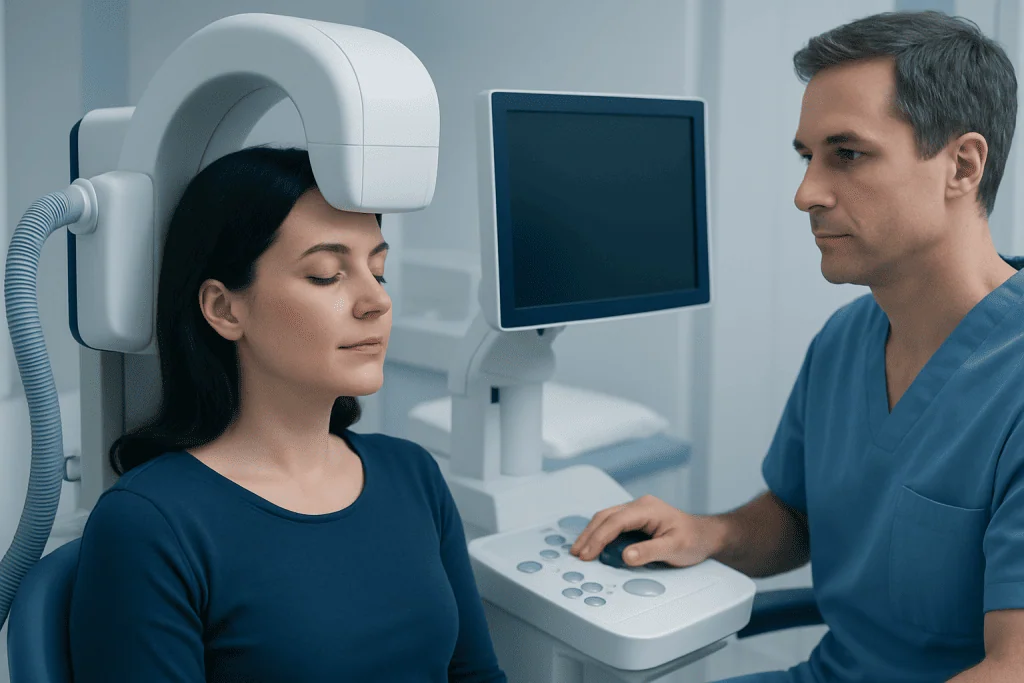
Prolactin interacts closely with the reproductive hormone system. When prolactin levels are too high, the brain may reduce signals that normally tell the ovaries or testes to make sex hormones. In women, this can lower estrogen levels and interfere with ovulation. In men, it can reduce testosterone production and affect sperm function, libido, and energy.
This hormone effect explains why hyperprolactinemia can lead to irregular or absent periods, difficulty becoming pregnant, vaginal dryness, low sex drive, erectile dysfunction, or reduced fertility. In some people, elevated prolactin also causes galactorrhea, which is milk-like discharge from the breasts unrelated to recent childbirth or nursing.
When the cause is a larger pituitary adenoma, symptoms may also come from pressure on nearby structures rather than hormone changes alone. These pressure-related symptoms can include headaches or changes in side vision. For this reason, doctors do not focus only on the blood test result; they also consider the full clinical picture.
Symptoms and signs to watch for

Symptoms of hyperprolactinemia vary by age, sex, the degree of hormone elevation, and the underlying cause. In women, common symptoms include irregular menstrual periods, missed periods, infertility, reduced libido, vaginal dryness, and breast milk discharge when not pregnant or breastfeeding. Some women also notice breast tenderness or decreased bone protection over time if estrogen stays low for a prolonged period.
In men, symptoms are often more subtle at first. They may include low sex drive, erectile dysfunction, infertility, low testosterone, reduced facial or body hair, fatigue, and sometimes breast enlargement or milk discharge. Because these symptoms can develop gradually, men are sometimes diagnosed later, especially if a pituitary tumor has already grown enough to cause headaches or vision changes.
Some people have no obvious symptoms and are diagnosed after routine testing or investigation of another issue. Warning signs that need prompt attention include persistent headaches, worsening vision, double vision, or symptoms of a pituitary mass. Related pituitary disorders may overlap with pituitary tumors, so doctors may look for other hormone changes as well.
Causes and risk factors
There are several possible causes of hyperprolactinemia, and many are not dangerous. Physiologic causes are normal body states that raise prolactin, such as pregnancy, breastfeeding, sleep, exercise, emotional stress, or stimulation of the chest wall. These are usually temporary and understood in context.
Medicines are another common cause. Drugs that affect dopamine signaling can raise prolactin because dopamine normally helps keep prolactin levels under control. Examples include some antipsychotics, antidepressants, anti-nausea medicines, blood pressure medicines, and certain opioids. A careful medication review is therefore a key part of assessment, and any change should be discussed with the prescribing doctor rather than stopped abruptly.
Medical conditions can also contribute. An underactive thyroid is a classic and treatable cause, so clinicians often check for hypothyroidism during evaluation. Chronic kidney disease, liver disease, chest wall injury, and polycystic ovary syndrome may also be relevant in selected cases. One of the most important structural causes is a prolactinoma, a usually benign pituitary adenoma that produces prolactin. Larger nonfunctioning pituitary masses can also raise prolactin by interfering with dopamine delivery from the brain to the pituitary.
- Normal causes: pregnancy, breastfeeding, sleep, stress
- Medication-related causes: drugs that reduce dopamine action
- Hormonal causes: underactive thyroid
- Pituitary causes: prolactinoma or other pituitary masses
- Less common medical causes: kidney, liver, or chest wall conditions
How doctors diagnose hyperprolactinemia
Diagnosis begins with a medical history, symptom review, and physical examination. Doctors ask about menstrual patterns, fertility, pregnancy possibility, milk discharge, headaches, vision symptoms, sexual function, and all prescription and nonprescription medicines. Because prolactin can rise transiently, one slightly elevated result may need to be repeated, ideally under calm conditions and with attention to timing.
Blood tests are used to confirm the prolactin level and look for contributing causes. Common tests include pregnancy testing when relevant, thyroid function tests, and sometimes kidney or liver function tests and sex hormone evaluation. In selected cases, laboratories may also check for macroprolactin, a form of prolactin that can raise the measured value without causing the usual symptoms.
If prolactin remains elevated and no clear explanation is found, pituitary imaging is often the next step. MRI scanning of the pituitary can help identify a prolactinoma or another lesion. If a large tumor is present or vision symptoms exist, formal visual field testing may be recommended. The goal is not just to label the condition, but to understand why it is happening and whether treatment is needed now or monitoring is appropriate.
Treatment options and what to expect
Treatment for hyperprolactinemia is guided by the cause, the severity of symptoms, fertility goals, and imaging findings. If the elevation is related to a medicine, the clinician may consider adjusting the dose, switching to an alternative, or monitoring if the medicine is essential. These decisions should always be individualized and coordinated with the doctor who prescribed the drug.
If hypothyroidism is the cause, treating the thyroid problem often lowers prolactin and improves symptoms. When a prolactinoma is found, first-line treatment is usually medication with a dopamine agonist, which can reduce prolactin levels and often shrink the tumor. This type of care commonly involves endocrinology specialists and, if fertility is a concern, a coordinated reproductive plan.
Surgery is not needed for most people, but it may be considered when medication is not tolerated, does not work well enough, or when a tumor is causing significant pressure-related symptoms. In those cases, the care team may discuss pituitary surgery as part of a multidisciplinary approach. Long-term follow-up often includes repeat prolactin tests, symptom review, and sometimes repeat MRI to monitor response.
People with prolonged low estrogen or low testosterone due to hyperprolactinemia may also need attention to bone health and broader hormone effects. A doctor can advise whether additional treatment, monitoring, or referral is appropriate based on age, fracture risk, and reproductive plans.
Self-care, fertility considerations, and long-term outlook
Self-care starts with understanding the diagnosis and following the treatment plan consistently. Patients are usually advised not to stop prescription medicines on their own and to tell their doctor about all supplements and over-the-counter products. If prolactin is only mildly elevated, avoiding unnecessary repeat breast or nipple stimulation before testing may help prevent misleading results.
For people trying to conceive, hyperprolactinemia is often a treatable cause of ovulation problems or reduced fertility. Restoring normal hormone signaling can improve menstrual regularity and fertility in many cases, but the safest plan depends on the underlying cause, age, and overall reproductive health. This is one reason specialist follow-up matters.
The long-term outlook is often good, especially when the cause is identified early and managed appropriately. Some people need only observation; others benefit from medication over months or years. Ongoing care helps monitor symptom improvement, hormone recovery, and tumor size when relevant. Near the end of the care pathway, some international patients may also seek coordinated evaluation at centers such as Acibadem International, where multidisciplinary specialists in JCI-accredited hospitals diagnose and treat pituitary and hormonal conditions.
When to seek medical care
Medical advice is appropriate if there are missed or irregular periods, unexplained breast milk discharge, trouble becoming pregnant, low sex drive, erectile dysfunction, or symptoms suggesting low sex hormones. These symptoms have many possible causes, and evaluation can clarify whether prolactin is involved.
Prompt medical care is especially important if high prolactin is accompanied by persistent headaches, changes in peripheral vision, double vision, or symptoms that are worsening quickly. People who are pregnant, have known pituitary disease, or take medicines linked to prolactin elevation should also ask a doctor how and when they need monitoring.
Anyone with a prolactin result outside the normal range should review it with a qualified clinician rather than interpreting it in isolation. The next steps may be as simple as repeating the test, checking thyroid function, or reviewing medications, but they should be tailored to the individual.
Frequently asked questions
Is hyperprolactinemia always caused by a pituitary tumor?
No. High prolactin can happen for many reasons, including pregnancy, breastfeeding, stress, certain medicines, and hypothyroidism. A prolactinoma is one important cause, but it is not the only explanation.
Can hyperprolactinemia affect fertility?
Yes. Elevated prolactin can interfere with ovulation in women and lower testosterone and sperm-related function in men. The good news is that fertility often improves once the underlying cause is treated.
What symptoms does high prolactin cause in women?
Common symptoms include irregular periods, missed periods, infertility, low sex drive, vaginal dryness, and milk discharge from the breasts when not pregnant or breastfeeding. Some women have no obvious symptoms and learn about it during testing.
What symptoms does high prolactin cause in men?
Men may notice low libido, erectile dysfunction, infertility, fatigue, or low testosterone-related symptoms. In some cases, headaches or vision changes occur if a pituitary tumor is large enough to press on nearby structures.
How is hyperprolactinemia diagnosed?
Doctors usually confirm it with blood testing and then look for the cause through a medication review, pregnancy testing when relevant, thyroid tests, and sometimes kidney or liver assessment. If needed, a pituitary MRI is used to check for a prolactinoma or another pituitary condition.
Can hyperprolactinemia be cured?
Many cases can be corrected or well controlled, depending on the cause. For example, medication-related and thyroid-related causes may improve after treatment changes, while prolactinomas often respond well to dopamine agonist medicines.
References
- Endocrine Society
- American Association of Clinical Endocrinology
- National Institute of Diabetes and Digestive and Kidney Diseases
- Merck Manual Professional Edition
- Pituitary Society
This article is for general information only and is not a substitute for professional medical advice. Please consult a qualified doctor about your individual situation.
Explore treatments in Turkey — costs, top hospitals & a free quote
JCI-accredited · board-certified surgeons · reply within 24h
Add us as a Preferred Source to see more of our trusted health content across Google Search, AI Overviews and Discover.
Check your numbers in seconds
BMI, calories, due date, blood pressure and 30+ more clinical calculators — free, instant, doctor-reviewed ranges.

More from the Health Library



Related Specialists

Prof. Dr. Yurtkuran Sadıkoğlu
Interventional Radiology
Prof. Dr. Bülent Tutluoğlu
Pulmonology
Dr. Mustafa Yalçın
Gastroenterology
Dr. Belinda İrem Ardal
Acibadem Life Clinical Service