Ileum — Explained by Medical Evidence, Not Myths

The ileum is the last and longest portion of the small intestine. It plays a key role in absorbing vitamin B12, bile salts, fluids, and nutrients.
Key Takeaways
- The ileum is the last and longest portion of the small intestine.
- It plays a key role in absorbing vitamin B12, bile salts, fluids, and nutrients.
- Common ileum problems include inflammation, infection, obstruction, and reduced absorption.
- Symptoms may include abdominal pain, diarrhea, bloating, weight loss, or anemia depending on the cause.
- Diagnosis often involves blood tests, stool tests, imaging, and endoscopy when needed.
- Persistent digestive symptoms should be assessed by a qualified doctor.
The ileum is the final section of the small intestine, connecting the jejunum to the large intestine. Its main job is to absorb vitamin B12, bile salts, and remaining nutrients, so problems affecting the ileum can influence digestion, energy, and bowel health.
What the ileum is and why it matters
The ileum is the last part of the small intestine. It sits between the jejunum and the first part of the large intestine, called the cecum, and ends at the ileocecal valve. In simple terms, it is the final stage of the body’s main nutrient-absorption pathway before digested material passes into the colon.
The ileum does more than move food along. It absorbs substances that the body still needs after digestion has occurred higher in the small intestine, especially vitamin B12, bile salts, water, and some remaining nutrients. Because of this role, a problem in the ileum may lead not only to bowel symptoms but also to fatigue, nutritional deficiencies, and changes in overall health.
Many people search for the term “ileum” after seeing it on a scan, endoscopy report, or pathology result. The term itself does not mean disease. It names a normal part of the digestive tract, but like any organ, it can be affected by inflammation, infection, reduced blood flow, injury, or blockage.
How the ileum works in digestion
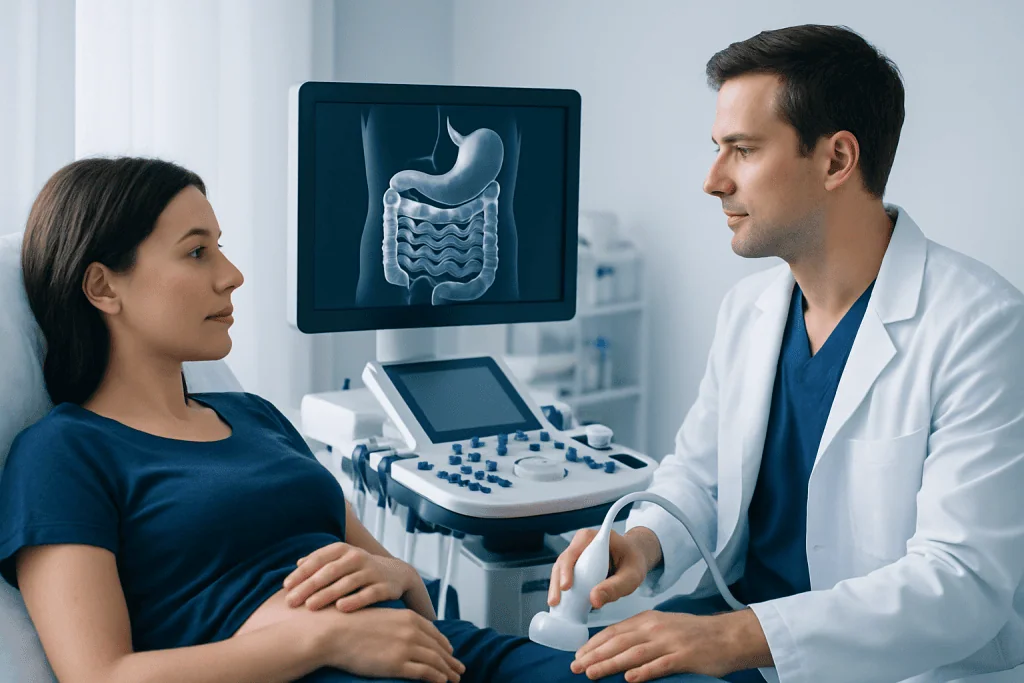
After food leaves the stomach, it enters the small intestine, where most digestion and absorption take place. The ileum is the final section of this process. By the time digested food reaches it, many nutrients have already been broken down, and the ileum helps reclaim what the body still needs before the remainder moves into the large bowel.
Its specialized lining contains tiny finger-like projections called villi, which increase surface area for absorption. The ileum is especially important for taking in vitamin B12 and bile salts. Bile salts help digest fats and are normally recycled in the ileum so the body can use them again.
The ileocecal valve, at the end of the ileum, acts as a functional gate between the small and large intestine. It helps regulate movement of intestinal contents and may reduce backward flow from the colon. When the ileum or this valve is not working well, symptoms such as diarrhea, bloating, or abdominal discomfort can occur.
- Absorbs vitamin B12 for red blood cell and nerve health
- Reabsorbs bile salts needed for fat digestion
- Helps take in fluids and remaining nutrients
- Supports immune defense through lymphoid tissue in the intestinal wall
Common ileum disorders and related symptoms

Ileum symptoms vary depending on the underlying condition. Some people develop pain in the lower right side of the abdomen, while others notice diarrhea, bloating, nausea, reduced appetite, or unexplained weight loss. If absorption is affected, symptoms may also include tiredness, weakness, numbness, or signs of anemia related to vitamin B12 deficiency.
Inflammatory conditions are among the best-known causes of ileal disease. The ileum is commonly affected in Crohn’s disease, where ongoing inflammation can lead to ulcers, narrowing, fistulas, or poor nutrient absorption. Infections, including bacterial, viral, or parasitic illnesses, may also inflame the ileum and cause abdominal pain, fever, and diarrhea.
Other possible problems include bowel obstruction, temporary ileus, medication-related injury, ischemia, and changes after surgery. Some people have “terminal ileitis,” a term that means inflammation in the end of the ileum; this finding can have several causes and does not automatically mean Crohn’s disease. In some situations, doctors also evaluate the ileum when looking for causes of chronic diarrhea, bleeding, or inflammatory bowel disease.
Because digestive symptoms can overlap, the pattern matters. For example, blood in the stool, persistent fever, nighttime symptoms, or ongoing weight loss deserve prompt medical assessment rather than self-treatment alone.
What can cause problems in the ileum
Ileum disorders do not have one single cause. Inflammation may develop because of immune-related disease, infection, or irritation from medicines such as some anti-inflammatory drugs. Structural problems, including scar tissue, hernias, tumors, or twisting of the bowel, can interfere with normal movement and lead to blockage.
Previous abdominal surgery can also affect the ileum, either through adhesions or because part of the ileum has been removed. When a significant section is absent or damaged, the body may struggle to absorb bile salts and vitamin B12 properly. This can lead to chronic diarrhea, fat malabsorption, or nutritional deficiency over time.
Risk factors depend on the condition being considered. A personal or family history of inflammatory bowel disease, recent gastrointestinal infection, smoking, certain medications, abdominal operations, and immune system disorders may all be relevant. However, symptoms alone cannot identify the exact cause, which is why proper evaluation is important.
Doctors also consider whether symptoms arise from nearby structures rather than the ileum itself. Conditions of the appendix, colon, gallbladder, pancreas, or pelvic organs can sometimes cause similar discomfort, especially in the lower abdomen.
How doctors diagnose ileum conditions
Diagnosis begins with a medical history and physical examination. A doctor will ask where the pain is located, how long symptoms have been present, whether there is diarrhea or bleeding, and whether weight loss, fever, fatigue, or previous surgeries are involved. This helps guide the choice of tests rather than relying on a one-size-fits-all approach.
Blood tests may look for inflammation, anemia, infection, or vitamin deficiencies such as low B12. Stool tests can help identify infection, hidden blood, or markers of intestinal inflammation. If structural disease is suspected, imaging such as ultrasound, CT, or MRI may be used to assess the small bowel and surrounding organs.
Endoscopic testing is often important when the cause remains unclear. Colonoscopy can sometimes examine the terminal ileum, and tissue samples may be taken for biopsy. In selected cases, doctors may use specialized small-bowel imaging, capsule endoscopy, or colonoscopy as part of a broader digestive workup.
The diagnosis is based on the whole picture: symptoms, examination, lab results, imaging, and sometimes pathology. This is especially important because inflammation in the ileum can have many different causes that require different treatments.
Treatment options for ileum problems
Treatment depends on the specific diagnosis, severity, and whether complications are present. Mild or short-term infections may improve with hydration, diet changes, and targeted treatment if a bacterial or parasitic cause is identified. Inflammatory conditions may require medicines to reduce immune activity and help the intestinal lining heal.
If the ileum is affected by chronic disease, treatment often focuses on controlling inflammation, preventing complications, and correcting nutritional deficits. People with reduced vitamin B12 absorption may need monitoring and replacement. If bile salt absorption is impaired, doctors may recommend medication or dietary changes to help manage diarrhea.
Some structural conditions need procedures or surgery. A blockage, severe narrowing, perforation, abscess, or disease that does not respond to medication may require specialist care, including gastroenterology evaluation and, when necessary, colorectal surgery. If imaging is needed to define the extent of disease, MRI can be helpful in selected patients.
Care is often multidisciplinary when symptoms are complex or long-lasting. Near the end of the care pathway, patients may be advised by gastroenterologists, surgeons, radiologists, dietitians, and other specialists. Acibadem International’s multidisciplinary specialists and JCI-accredited hospitals diagnose and treat ileum-related conditions for international patients.
Prevention, nutrition, and self-care
There is no single way to prevent all ileum disorders, but general digestive health habits may reduce strain on the bowel and support recovery. Good hydration, balanced nutrition, food safety, and avoiding unnecessary use of medicines that can irritate the gut are sensible steps. Smoking cessation is especially important for people with inflammatory bowel disease risk.
Self-care should be guided by symptoms and medical advice. During short episodes of stomach upset, eating bland foods and drinking enough fluids may help, but persistent diarrhea, fever, or severe pain should not be managed at home for long. Restrictive diets are not recommended unless they are advised by a clinician, because they may worsen nutritional deficiencies.
If part of the ileum has been removed or damaged, nutritional follow-up becomes especially important. Patients may need monitoring for vitamin B12 deficiency, iron deficiency, weight loss, or dehydration. A registered dietitian can help tailor meals to support digestion while maintaining adequate nutrition.
People living with chronic ileum conditions usually do best with regular follow-up rather than waiting for symptoms to become severe. Tracking stool changes, abdominal pain, appetite, and energy levels can help patients and clinicians notice flare-ups or treatment side effects earlier.
When to seek medical care
Medical care is advisable if abdominal pain, diarrhea, bloating, or nausea lasts more than a few days, keeps returning, or interferes with eating and daily activities. Evaluation is also important if there is unintended weight loss, fatigue, pale skin, or tingling that could suggest poor nutrient absorption.
Urgent assessment is needed for severe or worsening abdominal pain, persistent vomiting, inability to pass stool or gas, signs of dehydration, black or bloody stools, or fever with significant abdominal tenderness. These symptoms can point to complications such as infection, bleeding, or obstruction and should not be ignored.
People with an existing diagnosis such as Crohn’s disease should contact their doctor if symptoms change, medicines stop helping, or new symptoms appear. Early review can often prevent complications and support safer, more effective treatment decisions.
Frequently asked questions
Where is the ileum located?
The ileum is the last part of the small intestine. It lies between the jejunum and the beginning of the large intestine, where it joins the cecum through the ileocecal valve.
What does the ileum do?
The ileum absorbs important substances that remain after most digestion has taken place. It is especially important for absorbing vitamin B12, bile salts, fluids, and some nutrients.
Can ileum problems cause vitamin deficiency?
Yes. Because the ileum is the main site for vitamin B12 absorption, disease or surgical removal of this area can lead to deficiency. Over time, this may contribute to anemia, fatigue, and nerve-related symptoms.
Does inflammation in the ileum always mean Crohn’s disease?
No. Inflammation in the ileum can happen for several reasons, including infection, medication-related irritation, reduced blood flow, or other inflammatory conditions. Crohn’s disease is one important cause, but it is not the only one.
How are ileum disorders diagnosed?
Doctors usually combine symptoms, examination findings, blood tests, stool tests, and imaging. In some cases, colonoscopy with examination of the terminal ileum and biopsy helps confirm the diagnosis.
Can ileum conditions be treated without surgery?
Many can. Infections, inflammation, and some absorption problems are often treated with medication, nutrition support, and monitoring. Surgery is usually reserved for complications such as blockage, severe narrowing, perforation, or disease that does not respond to other treatment.
This article is for general information only and is not a substitute for professional medical advice. Please consult a qualified doctor about your individual situation.
Persistent digestive symptoms? Get evaluated in Turkey
JCI-accredited · board-certified surgeons · reply within 24h
Add us as a Preferred Source to see more of our trusted health content across Google Search, AI Overviews and Discover.

More from the Health Library

Optavia’s: What Patients Need to Know

Nipple Play — Explained by Medical Evidence, Not Myths

Red Blotches on Infant Face: An Evidence-Based Guide for Patients

Colestipol: A Complete Medical Overview
Floating Ribs: A Complete Medical Overview