Colporrhaphy: A Complete Medical Overview

Colporrhaphy repairs weakened vaginal wall support and is commonly used to treat pelvic organ prolapse. There are two main types: anterior colporrhaphy for the front vaginal wall and posterior colporrhaphy for the back vaginal wall.
Key Takeaways
- Colporrhaphy repairs weakened vaginal wall support and is commonly used to treat pelvic organ prolapse.
- There are two main types: anterior colporrhaphy for the front vaginal wall and posterior colporrhaphy for the back vaginal wall.
- Treatment decisions depend on symptoms, prolapse type, overall health, and whether conservative options such as pelvic floor therapy or a pessary have helped.
- Recovery usually includes temporary activity restrictions to protect the repair while tissues heal.
- Patients should seek medical advice for bothersome bulging, pressure, urinary changes, bowel difficulties, or symptoms that affect quality of life.
Colporrhaphy is a surgical procedure that repairs the front and/or back wall of the vagina when tissues have weakened, most commonly due to pelvic organ prolapse. It can help relieve vaginal bulging, pelvic pressure, urinary or bowel symptoms, and improve daily comfort when non-surgical treatments are not enough.
What colporrhaphy is and why it is done
Colporrhaphy is a surgical repair of the vaginal wall. It is most often performed when the tissues and fascia that support the pelvic organs have stretched or weakened, allowing the bladder, rectum, or other structures to press into the vaginal canal. The goal is to restore support, reduce symptoms, and improve comfort and function.
This procedure is commonly used for pelvic organ prolapse. In an anterior colporrhaphy, the surgeon repairs the front wall of the vagina, usually to treat a cystocele, which happens when the bladder bulges downward. In a posterior colporrhaphy, the back wall is repaired, often for a rectocele, when the rectum presses against the vagina. Some patients need one repair, while others need both, depending on the pattern of support loss.
Colporrhaphy is usually considered when symptoms are bothersome and affect daily life. These may include a feeling of vaginal bulging, pressure or heaviness, trouble emptying the bladder, urine leakage, constipation, or the need to press on the vaginal area to help with bowel movements. In some cases, symptoms improve with non-surgical care, but surgery may be recommended if prolapse remains troublesome.
Because prolapse can involve different pelvic organs and support structures, colporrhaphy is often discussed as part of a broader plan for pelvic organ prolapse treatment. A specialist may also assess nearby structures and consider whether other procedures are needed at the same time.
Symptoms that may lead to colporrhaphy
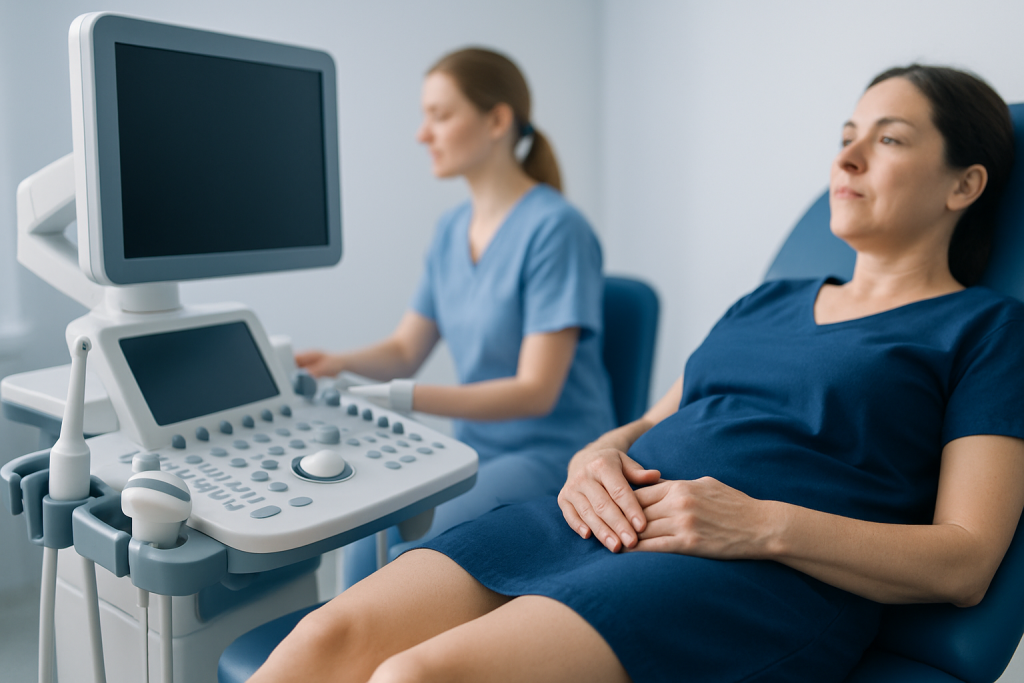
The symptoms that lead someone to consider colporrhaphy are not always dramatic. Many people describe a dragging sensation in the pelvis, a feeling of fullness in the vagina, or the sense that something is bulging or falling. Symptoms may be more noticeable after standing for long periods, lifting, exercise, or at the end of the day.
When the front wall of the vagina is affected, urinary symptoms are common. These may include frequent urination, urgency, difficulty starting urination, incomplete emptying, or stress urinary leakage. A posterior wall problem may be more likely to cause bowel symptoms such as constipation, straining, or difficulty fully emptying the rectum.
Some patients also notice discomfort during sexual activity or reduced confidence because of the vaginal bulge. Others may have lower back or pelvic aching, although these symptoms can have many causes. Not every prolapse causes symptoms, and the size of the bulge does not always match how bothersome it feels.
It is important to remember that these symptoms can overlap with other conditions, including urinary tract problems, overactive bladder, hemorrhoids, and other pelvic floor disorders. A careful evaluation helps determine whether colporrhaphy is likely to address the underlying cause.
Causes, risk factors, and who may benefit

Pelvic support structures can weaken gradually over time. Vaginal childbirth is a major factor because pregnancy and delivery can stretch or injure the muscles, connective tissue, and nerves of the pelvic floor. Age-related tissue changes and declining estrogen after menopause may also contribute to reduced support.
Other factors that can increase the risk of prolapse include chronic constipation, repeated heavy lifting, obesity, chronic cough, prior pelvic surgery, and conditions that affect connective tissue strength. Some people have a combination of several risk factors, while others develop prolapse without a clear single cause.
Not everyone with prolapse needs surgery. Colporrhaphy may be helpful for people whose symptoms interfere with walking, exercise, bladder or bowel function, intimacy, or overall quality of life. It may also be an option when a pessary is not comfortable, does not control symptoms well, or is not preferred.
The best candidates are those who understand the goals and limits of surgery. Colporrhaphy can improve support and reduce symptoms, but it does not prevent all future pelvic floor problems. A specialist will consider general health, smoking status, bowel habits, future pregnancy plans, and whether related conditions such as urinary incontinence should be addressed at the same time.
How doctors diagnose the problem and plan surgery
Diagnosis begins with a medical history focused on pelvic pressure, urinary and bowel symptoms, childbirth history, menopause status, prior surgery, and how the symptoms affect daily life. A pelvic examination is central. During the exam, the patient may be asked to cough or bear down so the clinician can see how the pelvic organs shift and identify the specific areas of support weakness.
The exam helps determine whether the prolapse involves the front vaginal wall, the back wall, the uterus, the top of the vagina, or a combination. This is important because colporrhaphy treats certain support defects but may not be the only procedure needed. Some patients also have stress urinary leakage that becomes clearer when the prolapse is reduced during the exam.
Additional testing is not always required, but it may be recommended in selected cases. Urine testing can help rule out infection or blood in the urine. Bladder studies or imaging may be useful when symptoms are complex, there is prior surgery, or the diagnosis is uncertain.
A thoughtful preoperative discussion is an important part of planning. The surgeon explains the expected benefits, alternatives, possible risks, and recovery process. If surgery is chosen, treatment may be combined with other pelvic floor procedures such as pelvic floor rehabilitation before or after surgery, or surgery for support and continence if needed.
How colporrhaphy is performed and treatment options
Colporrhaphy is usually performed through the vagina, which means there is often no abdominal incision. During the procedure, the surgeon lifts the vaginal lining, repairs and tightens the underlying supportive tissue, and then closes the incision. The exact technique depends on whether the prolapse is in the front wall, back wall, or both.
Anterior colporrhaphy is designed to improve support under the bladder. Posterior colporrhaphy reinforces the tissue between the rectum and vagina. In some cases, the surgeon may also address other support defects during the same operation. The repair aims to relieve symptoms while preserving normal function as much as possible.
Non-surgical treatment remains important and may be tried first, especially for mild to moderate symptoms. Options can include pelvic floor exercises, supervised therapy, managing constipation, weight management, and a pessary. Surgery is generally chosen when conservative measures do not provide enough relief or when the prolapse is more advanced and clearly affecting quality of life.
Because treatment is individualized, a urogynecologist or gynecologic surgeon may discuss whether a patient would benefit from broader urogynecology care or related procedures. In experienced centers, multidisciplinary teams can also coordinate bladder, bowel, and pelvic floor evaluation so that treatment matches the patient’s symptoms and goals.
Recovery, possible risks, and expected results
Recovery after colporrhaphy varies, but many patients can expect several weeks of gradual healing. Temporary vaginal soreness, mild bleeding or discharge, fatigue, and pelvic discomfort are common early on. Doctors usually advise avoiding heavy lifting, straining, and vaginal intercourse for a period of time so the repair can heal properly.
Bowel care is an important part of recovery because constipation and straining can put pressure on the repair. Patients are often encouraged to stay hydrated, use a fiber-rich diet if appropriate, and follow medical advice for keeping stools soft. Walking is usually encouraged early, while more intense exercise is restarted gradually.
As with any surgery, colporrhaphy has potential risks. These can include bleeding, infection, pain, urinary retention, new or ongoing urinary symptoms, bowel difficulties, discomfort with intercourse, and recurrence of prolapse over time. The chance and type of risks depend on the patient’s anatomy, overall health, and whether additional procedures are performed.
Most patients have surgery because symptoms are bothersome, and many do experience meaningful improvement in pressure, bulging, and function. Even so, no operation can guarantee lifelong prevention of prolapse. Long-term results are often best when surgery is paired with pelvic floor care, constipation management, weight management where appropriate, and follow-up with the treating specialist.
Prevention, self-care, and protecting pelvic floor health
Colporrhaphy treats an existing support problem, but healthy habits can still help protect the pelvic floor over time. Preventing constipation is especially important. Regular bowel habits, adequate hydration, appropriate fiber intake, and avoiding repeated straining can reduce pressure on healing tissues and the pelvic floor more broadly.
Maintaining a healthy body weight, stopping smoking, and addressing chronic cough may also reduce pelvic strain. People whose work or exercise routines involve repeated heavy lifting may benefit from guidance on safer body mechanics and core support. When recommended by a clinician, pelvic floor muscle training can improve awareness and support.
After childbirth or as symptoms first appear, early assessment can be helpful. Mild prolapse may respond well to non-surgical measures, and timely treatment can improve comfort and function before symptoms become more limiting. Patients should also let a clinician know if urinary leakage, urgency, or bowel difficulties are part of the picture, because these may need targeted treatment.
Near the end of the treatment journey, some patients choose care in centers that offer both surgery and rehabilitation in one pathway. Acibadem International’s multidisciplinary specialists and JCI-accredited hospitals diagnose and treat pelvic floor conditions for international patients, including coordinated evaluation and follow-up when colporrhaphy is being considered.
When to seek medical care
Medical care should be sought when pelvic pressure, vaginal bulging, urinary changes, or bowel difficulties are persistent or bothersome. These symptoms are often treatable, and early evaluation can help clarify whether the cause is prolapse, another pelvic floor disorder, or a different condition entirely.
Patients should arrange prompt medical review if they cannot empty the bladder, develop severe constipation that does not improve, notice increasing pain, fever, unusual discharge, or heavy bleeding after surgery. These symptoms do not always signal a serious problem, but they should not be ignored.
Even without urgent symptoms, a consultation is reasonable when prolapse affects exercise, work, sexual activity, sleep, or confidence. A specialist can explain the full range of options, from watchful waiting and pessary use to surgical repair, and help the patient decide whether colporrhaphy is appropriate.
Frequently asked questions
What is the difference between anterior and posterior colporrhaphy?
Anterior colporrhaphy repairs the front wall of the vagina, usually to treat bladder prolapse into the vagina, also called a cystocele. Posterior colporrhaphy repairs the back wall, often for a rectocele, where the rectum pushes against the vaginal wall. Some patients need one repair, while others need both.
Is colporrhaphy the same as pelvic organ prolapse surgery?
Colporrhaphy is one type of pelvic organ prolapse surgery, but it is not the only one. Pelvic organ prolapse can involve different compartments and may sometimes require additional procedures to support the top of the vagina, uterus, or bladder function. The exact operation depends on the pattern of prolapse and the patient’s symptoms.
How long does recovery from colporrhaphy usually take?
Initial recovery often takes several weeks, but complete healing may take longer. During that time, patients are commonly advised to avoid heavy lifting, straining, and vaginal intercourse until their doctor says it is safe. Recovery plans vary depending on the extent of surgery and whether other procedures were done at the same time.
Can prolapse come back after colporrhaphy?
Yes, prolapse can recur after surgery because the pelvic floor continues to be influenced by age, tissue strength, constipation, cough, body weight, and other factors. Surgery can significantly improve symptoms, but it does not guarantee that prolapse will never return. Follow-up care and pelvic floor protection strategies remain important.
Are there non-surgical alternatives to colporrhaphy?
Yes. Depending on symptom severity, non-surgical options may include pelvic floor exercises, supervised pelvic floor therapy, lifestyle changes, constipation management, and a vaginal pessary. These approaches can be effective for many patients, especially when symptoms are mild or surgery is not preferred.
Will colporrhaphy help urinary or bowel symptoms?
It can help if those symptoms are related to the vaginal wall prolapse being repaired. For example, some patients notice better bladder emptying or less bowel obstruction after surgery. However, urinary urgency, leakage, constipation, or pain can also have other causes, so symptom improvement depends on the full diagnosis.
References
- American College of Obstetricians and Gynecologists
- International Urogynecological Association
- National Institute for Health and Care Excellence
- National Institute of Diabetes and Digestive and Kidney Diseases
- Mayo Clinic
This article is for general information only and is not a substitute for professional medical advice. Please consult a qualified doctor about your individual situation.
Persistent digestive symptoms? Get evaluated in Turkey
JCI-accredited · board-certified surgeons · reply within 24h
Add us as a Preferred Source to see more of our trusted health content across Google Search, AI Overviews and Discover.