Macrosomia: An Evidence-Based Guide for Patients

Macrosomia refers to a baby with a higher-than-expected birth weight, often over 4,000 to 4,500 grams depending on the definition used. Risk factors include diabetes in pregnancy, maternal obesity, excessive pregnancy weight gain, prolonged pregnancy, and a history of large babies.
Key Takeaways
- Macrosomia refers to a baby with a higher-than-expected birth weight, often over 4,000 to 4,500 grams depending on the definition used.
- Risk factors include diabetes in pregnancy, maternal obesity, excessive pregnancy weight gain, prolonged pregnancy, and a history of large babies.
- Ultrasound and abdominal measurements can suggest macrosomia, but estimating fetal weight before birth is not perfectly precise.
- Treatment focuses on monitoring pregnancy, managing risk factors, and planning the safest delivery based on the mother’s and baby’s situation.
- Prompt medical advice is important if there are concerns about gestational diabetes, reduced fetal movement, or labor complications.
Macrosomia means a baby is significantly larger than expected, usually identified before or at birth. It does not always cause problems, but it can increase the chance of labor and delivery complications, so careful monitoring and individualized birth planning are important.
Overview
Macrosomia means a baby is larger than expected for the stage of pregnancy or at birth. In practice, the term is often used when a newborn’s birth weight is above a defined threshold, commonly 4,000 grams or 4,500 grams, although exact definitions can vary between clinicians and guidelines. The term fetal macrosomia may be used when the concern is identified before birth.
Many large babies are born healthy. Still, macrosomia matters because it can raise the risk of complications during labor and delivery, including difficult vaginal birth, birth injury, and the need for assisted delivery or cesarean birth. For the pregnant person, it may also increase the likelihood of perineal tears or postpartum bleeding.
Macrosomia is not always preventable, and it is not always caused by anything a parent did or did not do. Often, it reflects a combination of genetics, maternal health, and pregnancy-related factors. The aim of care is not simply to label a baby as “too big,” but to understand the risks and plan the safest path for both parent and baby.
How Macrosomia May Affect Pregnancy and Birth
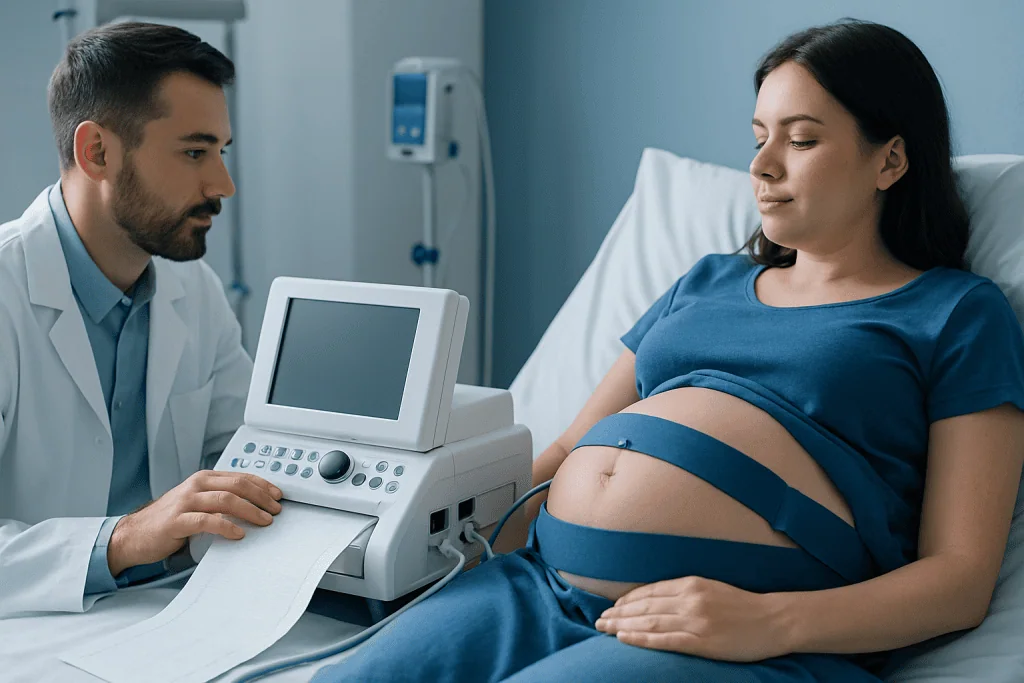
Macrosomia itself usually does not cause obvious symptoms in the pregnant person. Instead, it is often suspected when the uterus measures larger than expected for gestational age or when ultrasound suggests a higher estimated fetal weight. Sometimes the diagnosis is only confirmed after delivery, because weight estimates before birth are imperfect.
The main concerns relate to labor and birth. A larger baby may be more difficult to deliver vaginally, especially if the shoulders become stuck after the head is delivered, a complication called shoulder dystocia. This is an obstetric emergency and requires prompt management by an experienced team.
Possible effects on the parent can include a longer labor, increased chance of cesarean delivery, vaginal or perineal tears, and postpartum hemorrhage. Possible effects on the baby can include low blood sugar after birth, birth trauma, and breathing adjustment issues in some cases. However, outcomes vary widely, and many pregnancies with suspected macrosomia end with safe deliveries.
Because these risks differ from person to person, clinicians look at the full picture rather than birth weight alone. This includes pelvic history, prior births, diabetes status, gestational age, fetal position, and whether labor is progressing normally.
Causes and Risk Factors

Macrosomia develops when a baby grows larger than expected in the womb. One of the most important risk factors is diabetes during pregnancy, including preexisting diabetes and gestational diabetes. Higher maternal blood sugar can lead to increased fetal insulin production, which promotes growth and fat storage.
Other common risk factors include maternal obesity, excessive weight gain during pregnancy, pregnancy continuing beyond the due date, and a history of a previous large baby. Some families also naturally have larger babies because of genetic traits, taller parental stature, or ethnic background.
Pregnancies with male fetuses have a slightly higher chance of macrosomia than pregnancies with female fetuses. In addition, some underlying medical conditions and rare genetic syndromes can contribute to overgrowth, although these are much less common than diabetes-related causes.
It is also important to know that macrosomia can happen without any clear risk factor. A person may follow prenatal advice carefully and still have a larger baby. For this reason, prenatal care focuses on identifying modifiable risks where possible while avoiding blame or unnecessary anxiety.
How Doctors Diagnose Macrosomia
Macrosomia is suspected based on clinical assessment and imaging, but it cannot always be diagnosed with certainty before birth. During prenatal visits, a clinician may measure fundal height, which is the distance from the pubic bone to the top of the uterus. If this measurement is larger than expected, it may prompt further evaluation.
Ultrasound can estimate fetal size by measuring parts of the baby’s body, such as the head, abdomen, and thigh bone. These measurements are used in formulas to estimate fetal weight. While useful, ultrasound estimates become less precise at higher birth weights, so suspected macrosomia should be interpreted as an estimate rather than a guaranteed diagnosis.
Doctors also review the broader pregnancy context, especially signs of diabetes, excessive amniotic fluid, or prolonged pregnancy. If diabetes is suspected, screening or follow-up testing may be recommended. Some people may also need closer monitoring for conditions such as high-risk pregnancy when multiple risk factors are present.
After birth, macrosomia is confirmed by measuring the baby’s actual weight. The care team also checks the newborn carefully for blood sugar levels, feeding, movement, and any signs of birth-related injury or breathing difficulty.
Treatment and Delivery Planning
There is no single treatment that makes a large baby become small again before birth. Management focuses on careful monitoring, controlling underlying conditions, and planning delivery in the safest way possible. If diabetes is present, good glucose control is one of the most important steps because it may reduce excessive fetal growth and other complications.
Prenatal care may include more frequent visits, ultrasound follow-up, and discussion of delivery timing. In some pregnancies, labor may begin spontaneously and progress safely. In others, the care team may discuss induction of labor or cesarean birth depending on estimated fetal size, diabetes status, prior birth history, and the balance of risks and benefits.
Cesarean delivery is not automatically required for every case of suspected macrosomia. However, it may be recommended when the estimated fetal weight is very high, particularly in the setting of diabetes, or when there are additional obstetric concerns. If vaginal birth is planned, the team prepares for possible complications and monitors labor closely. Some patients may also need cesarean section or high-risk pregnancy care as part of an individualized plan.
After delivery, treatment may shift to the newborn if needed. Babies with macrosomia may require blood sugar monitoring, help with early feeding, or observation for birth injuries. Most newborn concerns can be identified quickly in the hospital and managed by the pediatric team.
Prevention and Self-Care During Pregnancy
Not all cases of macrosomia can be prevented, but some steps may lower the risk. Regular prenatal care is central because it helps identify diabetes, track fetal growth, and address concerns early. Attending scheduled visits also gives families time to discuss delivery planning calmly and clearly.
For people with diabetes or a higher risk of developing it, blood sugar management is especially important. This may involve nutrition guidance, physical activity as advised by a clinician, glucose monitoring, and treatment when needed. If appropriate, care may include diabetes management to support healthier pregnancy outcomes.
Healthy weight gain during pregnancy can also help. Clinicians usually give personalized targets based on pre-pregnancy body mass index, overall health, and the number of babies being carried. General measures often include balanced meals, limiting excess sugary foods, and staying active within safe pregnancy guidelines.
Self-care also includes tracking fetal movement as instructed, reporting new symptoms promptly, and avoiding self-diagnosis based on belly size alone. A larger abdomen can have many causes, including extra amniotic fluid or body type, so formal evaluation is always more reliable than appearance.
When to Seek Medical Care
Medical advice should be sought promptly if there are concerns about reduced fetal movement, signs of labor before term, vaginal bleeding, leaking fluid, severe abdominal pain, or symptoms of high blood sugar such as unusual thirst or frequent urination. These symptoms do not always mean macrosomia is present, but they warrant timely assessment during pregnancy.
People already told that their baby may be large should contact their maternity team if contractions begin, if movement changes noticeably, or if they have questions about when to go to the hospital. Early communication can help the team prepare for labor and reduce uncertainty.
Urgent care is needed during labor if there is severe pain, heavy bleeding, or concern that labor is not progressing normally. After birth, newborns should be assessed promptly if they are very sleepy, feeding poorly, jittery, or seem to have weakness in an arm or shoulder.
For international patients who need coordinated obstetric assessment, Acibadem International’s multidisciplinary specialists in JCI-accredited hospitals diagnose and treat pregnancy-related conditions, including cases where suspected macrosomia requires individualized delivery planning.
Frequently asked questions
What is macrosomia in simple terms?
Macrosomia means a baby is significantly larger than expected, usually based on birth weight. It may be suspected during pregnancy, but it is often confirmed only after birth because estimates are not exact.
Does macrosomia always mean there will be delivery problems?
No. Many large babies are delivered safely without major complications. The reason doctors pay attention to macrosomia is that it can increase certain risks, so planning and monitoring become more important.
Is macrosomia caused by gestational diabetes?
Gestational diabetes is one of the most important risk factors, but it is not the only cause. Genetics, maternal body size, weight gain during pregnancy, and going past the due date can also contribute.
Can ultrasound accurately tell if a baby has macrosomia?
Ultrasound can estimate fetal weight, but it is not perfectly precise, especially for larger babies. Doctors use ultrasound along with examination, medical history, and pregnancy risk factors rather than relying on one number alone.
Will a suspected large baby mean a cesarean birth is necessary?
Not always. The decision depends on several factors, including the estimated fetal weight, whether diabetes is present, previous birth history, and how labor progresses. Some people with suspected macrosomia still have a safe vaginal birth.
Can macrosomia be prevented?
It cannot always be prevented, especially when genetics play a role. However, regular prenatal care, managing diabetes, and following guidance on healthy pregnancy weight gain may help lower the risk.
This article is for general information only and is not a substitute for professional medical advice. Please consult a qualified doctor about your individual situation.
Explore treatments in Turkey — costs, top hospitals & a free quote
JCI-accredited · board-certified surgeons · reply within 24h
Add us as a Preferred Source to see more of our trusted health content across Google Search, AI Overviews and Discover.
Check your numbers in seconds
BMI, calories, due date, blood pressure and 30+ more clinical calculators — free, instant, doctor-reviewed ranges.

More from the Health Library

Mounjaro: A Complete Medical Overview

Embolism: What Patients Need to Know

Ub04 Form: A Complete Medical Overview

Saddle PE: An Evidence-Based Guide for Patients

Dismissive Avoidant Personality: What Patients Need to Know