Embolism: What Patients Need to Know

An embolism happens when material such as a blood clot blocks blood flow in a vessel. Symptoms depend on where the blockage occurs and may begin suddenly.
Key Takeaways
- An embolism happens when material such as a blood clot blocks blood flow in a vessel.
- Symptoms depend on where the blockage occurs and may begin suddenly.
- Common risk factors include immobility, surgery, heart rhythm problems, and clotting disorders.
- Diagnosis usually involves imaging tests and blood work guided by symptoms and suspected location.
- Treatment aims to restore blood flow, prevent further clots, and protect the affected organ.
- Urgent medical attention is needed for sudden chest pain, shortness of breath, stroke-like symptoms, or severe limb pain.
An embolism is a blockage in a blood vessel caused by material traveling through the bloodstream, most often a blood clot. It can affect the lungs, brain, heart, or other organs, so fast recognition and medical care are important.
Overview: what an embolism means
An embolism is a sudden blockage of a blood vessel by material that has traveled through the bloodstream from somewhere else in the body. In everyday medical practice, the most common embolus is a blood clot, but the blockage can also be caused by fat, air, cholesterol debris, or, more rarely, infected material.
The main concern with an embolism is that it can reduce or completely stop blood flow to an organ or body part. When tissues do not receive enough oxygen, they can become damaged quickly. This is why doctors treat an embolism as a potentially urgent problem, especially when it affects the lungs, brain, heart, or major arteries in the limbs.
Many people are familiar with pulmonary embolism, which occurs when a clot blocks an artery in the lungs. However, emboli can also travel to the brain and cause a stroke, to the heart and contribute to a heart attack, or to the arms, legs, kidneys, or intestines. Understanding the type and location helps explain the symptoms and guides treatment.
Although the word can sound alarming, outcomes are often better when patients recognize warning signs early and seek prompt care. Treatment depends on the cause, location, and severity of the blockage, as well as the person’s overall health.
How embolism affects the body
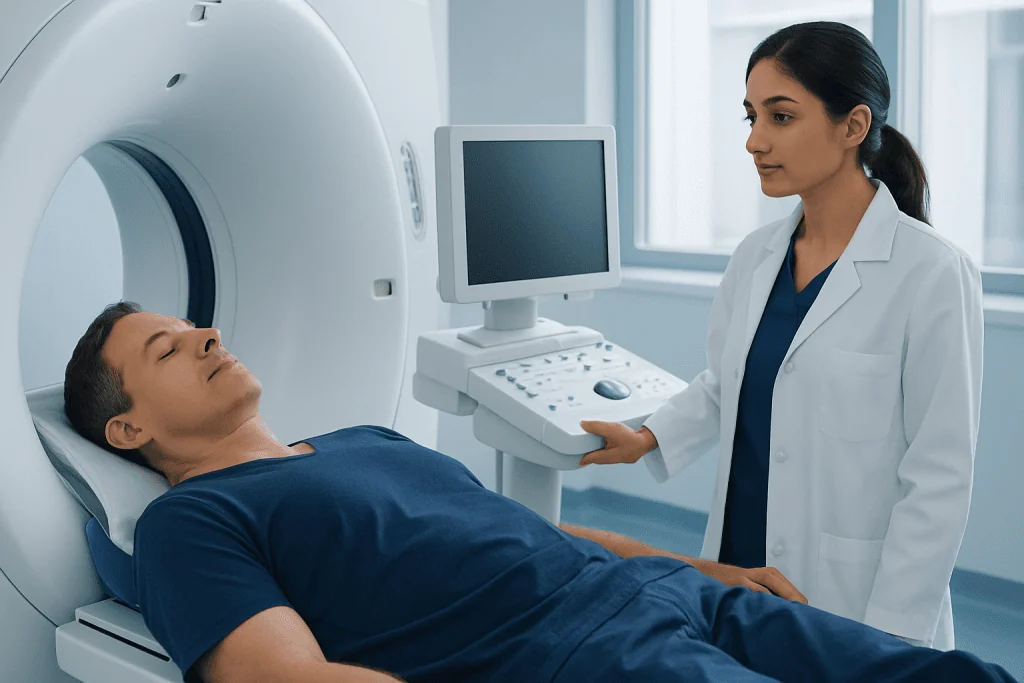
An embolus usually begins elsewhere and then moves until it becomes lodged in a vessel too narrow for it to pass through. A clot that forms in a deep vein of the leg, for example, may travel to the lungs and cause a pulmonary embolism. A clot that forms in the heart during an irregular rhythm may move to the brain and block blood flow there.
The symptoms an individual notices depend on which organ loses blood supply. A blockage in the lungs may cause sudden shortness of breath or chest discomfort. In the brain, it may cause weakness, trouble speaking, or facial drooping. In an arm or leg, there may be pain, paleness, numbness, or a cold feeling in the limb.
The body sometimes tries to break down small clots on its own, but larger or more dangerous emboli often need medical treatment. In some cases, an embolism is the first sign that another condition is present, such as deep vein thrombosis, atrial fibrillation, a blood clotting disorder, or significant artery disease.
Doctors do not use one single treatment plan for all emboli. Instead, they assess where the blockage is, how severe it is, whether the person is stable, and whether another illness is increasing the risk of future events.
Symptoms to watch for

Embolism symptoms often begin suddenly, but the exact pattern depends on the part of the body involved. Some people have dramatic symptoms, while others notice more subtle changes that still deserve evaluation. It is especially important to pay attention to new symptoms that appear without a clear explanation.
Possible symptoms of an embolism include:
- Sudden shortness of breath
- Chest pain, especially with breathing
- Rapid heartbeat or unexplained lightheadedness
- Sudden weakness or numbness on one side of the body
- Trouble speaking, confusion, or facial drooping
- Sharp pain, coldness, or color change in an arm or leg
- Severe abdominal pain in some cases
When the embolism affects the lungs, a person may also cough, feel anxious, or notice worsening breathlessness with activity. If the brain is affected, symptoms may resemble stroke, including sudden vision changes, loss of balance, or difficulty understanding speech. Limb embolism may cause a hand or foot to become pale, bluish, or unusually cool.
Not every sudden symptom is caused by an embolism, but it is safer to have urgent symptoms checked than to wait. Fast assessment can make a major difference, especially in conditions involving the lungs or brain.
Causes and risk factors
The most common cause of embolism is a blood clot that forms in one place and then travels. Clots may develop in the deep veins of the legs or pelvis, in the heart, or less often in other blood vessels. Heart rhythm disorders such as atrial fibrillation can allow blood to pool in the heart and form clots that may travel to the brain or other organs.
Several situations raise the chance of clot formation. These include long periods of immobility, recent surgery, hospitalization, cancer, pregnancy and the weeks after delivery, smoking, obesity, certain hormone-containing medications, and inherited or acquired clotting disorders. A previous history of deep vein thrombosis or embolism also increases future risk.
Not all emboli are blood clots. After major trauma or certain fractures, fat droplets can enter the bloodstream. Air embolism can occur in uncommon situations involving medical procedures, diving injuries, or trauma. Cholesterol emboli may arise from diseased blood vessels, especially after vascular procedures. Septic emboli, which contain infectious material, can occur with some serious infections of the heart valves.
Because the underlying causes differ, doctors look beyond the immediate blockage to understand why it happened. This helps lower the risk of recurrence and determines whether treatment should focus mainly on blood thinning, a heart condition, infection control, vessel disease, or another problem.
How doctors diagnose embolism
Diagnosis begins with the symptoms, medical history, and physical examination. Doctors ask when symptoms started, whether they came on suddenly, and whether there are risk factors such as recent travel, surgery, bed rest, heart disease, or a previous clot. They also check vital signs, oxygen levels, circulation, and signs of strain on the heart or affected limb.
Testing depends on the suspected type of embolism. Blood tests may include a D-dimer in selected patients, but imaging is often needed for confirmation. For suspected pulmonary embolism, clinicians may use CT pulmonary angiography or a ventilation-perfusion scan. Ultrasound can help identify deep vein thrombosis in the legs. Brain imaging is used if stroke symptoms are present, and vascular imaging may be needed for limb or abdominal symptoms.
An electrocardiogram and echocardiogram may be used when a heart-related source is possible. If atrial fibrillation or structural heart disease is present, the heart may be the source of the embolus. In some patients, doctors also investigate inherited clotting disorders, cancer-related clotting risk, or artery disease.
Accurate diagnosis matters because not every blockage is treated the same way. A clot in the lungs, an arterial embolism to a limb, and a cholesterol embolism may all need different approaches, and treatment decisions also depend on bleeding risk and overall stability.
Treatment options
Treatment for embolism aims to restore blood flow, prevent the blockage from getting worse, and reduce the chance of another event. Many emboli caused by blood clots are treated with anticoagulant medicines, often called blood thinners. These do not instantly dissolve an existing clot, but they help prevent growth and new clot formation while the body gradually breaks the clot down.
Some patients need more urgent interventions. In selected cases, clot-dissolving medication may be used when the embolism is severe and the expected benefit outweighs the bleeding risk. In other situations, specialists may remove or break up the clot using catheter-based techniques or surgery. Depending on the location, this may involve embolectomy or other endovascular procedures.
Supportive care is also important. A person with a lung embolism may need oxygen and monitoring, while someone with a limb embolism may need urgent assessment by a vascular team to protect the affected tissue. If the cause is a rhythm problem, treatment may also include evaluation for arrhythmia treatment and cardiac electrophysiology. If ongoing vessel disease is contributing, doctors may consider vascular surgery or related procedures.
After the immediate emergency is addressed, follow-up focuses on preventing recurrence. This may include continued anticoagulation for a limited period or longer, treatment of a triggering condition, lifestyle changes, and attention to warning signs of future clots. Near the end of the care pathway, some patients benefit from multidisciplinary review; Acibadem International’s JCI-accredited hospitals and specialists diagnose and treat embolism and its underlying causes for international patients.
Prevention and self-care
Prevention depends on the reason the embolism occurred. People at higher risk of clot-related embolism may be advised to keep moving during long travel, follow instructions after surgery, use prescribed compression measures, and take preventive medication when recommended by their doctor. Good hydration and regular movement can also help reduce venous stasis during prolonged sitting.
Managing long-term health conditions is another key step. Treatment for atrial fibrillation, heart valve disease, cancer, or clotting disorders can lower the chance of future events. Stopping smoking, maintaining a healthy weight, and staying physically active support vascular health more broadly, even though they do not replace medical treatment where indicated.
Self-care after an embolism also means understanding the treatment plan. Patients taking anticoagulants should take them exactly as prescribed and tell healthcare professionals about all medications and supplements, because interactions can affect safety. New swelling in a leg, unexplained bleeding, or return of sudden symptoms should be reported promptly.
Compression stockings, rehabilitation, or specialist follow-up may be recommended in some cases, especially after deep vein thrombosis or limb ischemia. A clear follow-up plan helps patients know when to seek advice and what signs should not be ignored.
When to seek medical care
Immediate medical care is important if symptoms suggest a possible embolism. A person should seek urgent help for sudden shortness of breath, chest pain, coughing up blood, fainting, sudden one-sided weakness, difficulty speaking, severe unexplained abdominal pain, or a cold, painful, pale limb. These symptoms do not always mean embolism, but they should be assessed quickly.
Patients should also contact a doctor soon if they have leg swelling or pain after travel, surgery, or prolonged bed rest, especially if one leg is more swollen than the other. People with atrial fibrillation, prior deep vein thrombosis, or a previous embolic event should be particularly attentive to new symptoms and medication adherence.
Routine follow-up matters even after symptoms improve. Sometimes the immediate problem settles, but the reason it happened still needs investigation. Care may involve specialists in cardiology, vascular medicine, neurology, pulmonology, or emergency care depending on the organ affected and the suspected source.
Prompt evaluation can improve treatment choices and help protect organs from lasting injury. When in doubt, it is safer to seek medical advice rather than wait for symptoms to pass on their own.
Frequently asked questions
What is the difference between a thrombus and an embolism?
A thrombus is a blood clot that forms and stays in one place within a blood vessel. An embolism happens when material, often part of a clot, travels through the bloodstream and blocks a vessel somewhere else.
Is a pulmonary embolism the same as an embolism?
A pulmonary embolism is one specific type of embolism. It occurs when an embolus, usually a blood clot from a leg vein, blocks an artery in the lungs.
Can an embolism go away on its own?
Small clots may sometimes be broken down by the body over time, but it is not safe to assume this will happen. Because an embolism can damage important organs, sudden symptoms should be evaluated by a doctor promptly.
Who is at higher risk for embolism?
Risk is higher in people who have prolonged immobility, recent surgery, cancer, pregnancy, smoking exposure, certain heart rhythm disorders, or inherited clotting problems. A previous clot or embolic event also raises future risk.
How is embolism treated?
Treatment depends on where the blockage is and what caused it. It may include blood-thinning medication, clot-dissolving treatment, catheter-based procedures, surgery, oxygen, and treatment of the underlying condition.
Can embolism be prevented?
Many clot-related emboli can be partly prevented by early movement after surgery, staying active during long travel, and following medical advice for high-risk conditions. Prevention is most effective when the underlying cause, such as atrial fibrillation or deep vein thrombosis, is identified and treated.
References
- World Health Organization
- Centers for Disease Control and Prevention
- National Heart, Lung, and Blood Institute
- American Heart Association
- Society for Vascular Surgery
This article is for general information only and is not a substitute for professional medical advice. Please consult a qualified doctor about your individual situation.
Explore treatments in Turkey — costs, top hospitals & a free quote
JCI-accredited · board-certified surgeons · reply within 24h
Add us as a Preferred Source to see more of our trusted health content across Google Search, AI Overviews and Discover.
Check your numbers in seconds
BMI, calories, due date, blood pressure and 30+ more clinical calculators — free, instant, doctor-reviewed ranges.

More from the Health Library

Hazel Eyes: A Complete Medical Overview

Psychological Addiction: A Complete Medical Overview

Backwards Exercise: An Evidence-Based Guide for Patients

Tomato: What Patients Need to Know

Gaslighting manipulation: A Complete Medical Guide for Patients