Hazel Eyes: A Complete Medical Overview

Hazel eyes are a natural eye color pattern, not a disease. Their appearance comes from a combination of melanin levels and light scattering in the iris.
Key Takeaways
- Hazel eyes are a natural eye color pattern, not a disease.
- Their appearance comes from a combination of melanin levels and light scattering in the iris.
- Hazel eyes may look greener, browner, or more golden depending on lighting, clothing, and surrounding colors.
- A sudden change in eye color, new spots on the iris, pain, redness, or vision changes should be assessed by an eye doctor.
- Routine eye exams remain important regardless of eye color.
Hazel eyes are a normal eye color variation created by a mix of iris pigment and the way light scatters within the eye. They often appear to shift between green, gold, and brown, and in most cases they are not a sign of any medical problem.
Overview: What Are Hazel Eyes?
Hazel eyes are a natural eye color in which the iris shows a blend of tones, most commonly brown, green, and gold. Unlike eyes that appear uniformly blue or dark brown, hazel eyes often have more than one visible shade. This mixed appearance is why many people notice that hazel eyes can seem to change color in different settings.
From a medical perspective, hazel eyes are not a condition or disorder. They reflect normal variation in iris pigmentation and light behavior. The iris, the colored part of the eye, contains melanin, a natural pigment that helps determine eye color. The amount and distribution of this pigment, together with the way light scatters through the iris tissue, create the hazel appearance.
Hazel eyes are sometimes confused with green eyes or light brown eyes. In general, hazel eyes tend to have a more multicolored look, often with a brown or amber center and greener tones around the outer iris. The exact appearance varies from person to person.
Why Hazel Eyes Look Like They Change Color
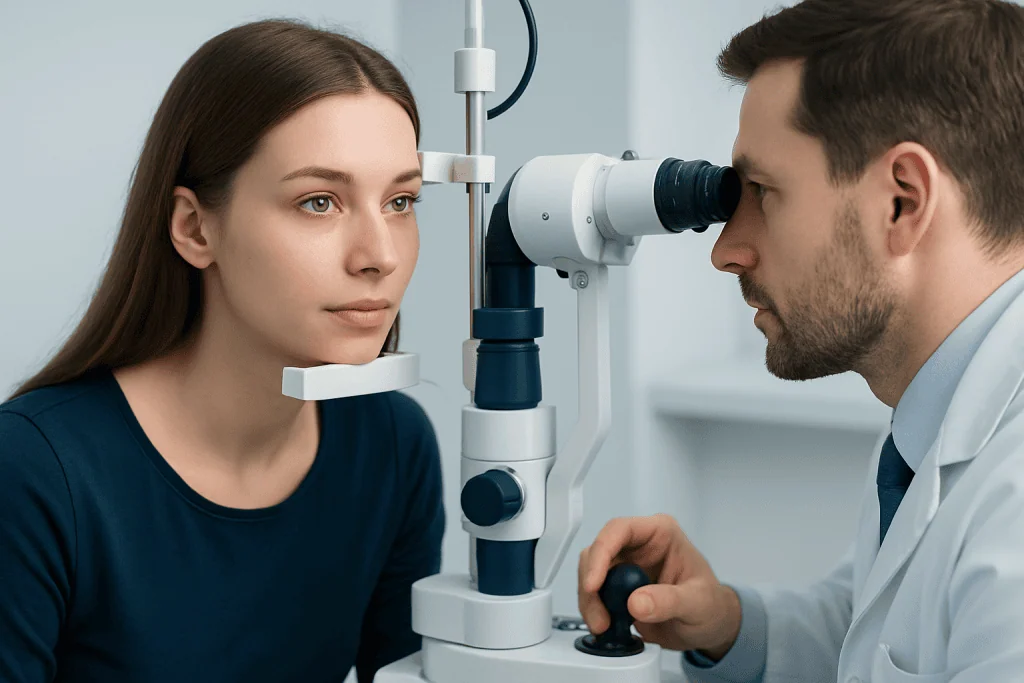
Hazel eyes do not truly change color from day to day in the way a medical condition might alter the iris. Instead, they often appear different because of lighting, pupil size, makeup, clothing colors, and the surrounding environment. Sunlight, indoor lighting, and camera flash can each highlight different pigments within the iris.
The iris contains layers of tissue that interact with light. Lower or uneven melanin levels can allow more light scattering, which may bring out green or golden tones. Higher concentrations in other parts of the iris can make brown or amber shades more noticeable. This combination gives hazel eyes their distinctive, shifting look.
Pupil size also affects appearance. When the pupil becomes larger or smaller in response to light or emotion, more or less of certain iris regions may be visible. As a result, hazel eyes may seem darker in dim light and brighter or greener in daylight.
What Causes Hazel Eyes?

Hazel eyes are primarily caused by genetics. Eye color is influenced by multiple genes rather than a single simple inheritance pattern. These genes affect how much melanin the iris produces and how that pigment is distributed. Because several genes are involved, children may have eye colors that do not exactly match either parent.
Melanin is the same basic pigment involved in skin and hair color, although eye color follows its own complex genetic rules. Brown eyes generally have more melanin, while blue eyes have less. Hazel eyes usually fall somewhere in between, but their appearance depends not only on the amount of pigment but also on where it is located within the iris.
In many people with hazel eyes, the central part of the iris may contain more brown or gold pigment, while the outer areas may have less. This can create a ringed or layered effect. A related but distinct pattern called heterochromia involves noticeable differences in iris color within one eye or between the two eyes and may sometimes need medical evaluation.
Hazel Eyes and Eye Health
Hazel eyes themselves do not usually indicate better or worse vision. Eye color does not determine whether a person will need glasses, develop common refractive errors, or have otherwise healthy eyes. Most people with hazel eyes have completely normal eye function.
That said, eye color can have some practical relevance. Lighter-colored irises, including some hazel eyes, may be associated with greater light sensitivity in certain individuals because they contain less pigment than dark brown eyes. This does not mean there is a disease, but bright sunlight may feel more uncomfortable. Sunglasses with proper UV protection can help protect the eyes and improve comfort outdoors.
It is also important to separate natural hazel coloration from abnormal changes. New dark spots, asymmetry that was not present before, or a noticeable shift in iris color may occasionally be linked to an eye condition. Examples include inflammation, injury, pigment changes, or, more rarely, growths involving the eye. If an eye doctor suspects a structural problem, they may evaluate for conditions such as glaucoma or other ocular disorders as part of a broader examination.
When Eye Color Changes May Need Medical Evaluation
Most hazel eyes have looked similar for many years, even if they seem to change with lighting. A true, persistent change in one or both eyes deserves attention, especially if it develops over weeks or months. This is different from the normal visual shifts that happen in photographs or under different light sources.
Medical assessment may be needed if iris color changes are accompanied by symptoms such as eye pain, redness, blurred vision, light sensitivity, floaters, or a change in pupil shape. These features can suggest inflammation, trauma, pressure-related problems, or other eye conditions. A clinician may perform a slit-lamp exam, pressure testing, and a dilated retinal exam to look for the cause.
Rare causes of eye color change include pigment dispersion, certain medications, previous surgery, and iris lesions. In some cases, imaging or further specialist review is recommended. If treatment is needed, it depends on the underlying diagnosis and may involve medication, monitoring, or procedures such as eye surgery when appropriate.
Diagnosis and Eye Examination
There is no medical test needed to “diagnose” hazel eyes, since they are simply a normal eye color category. However, if a person has concerns about changes in eye color or associated symptoms, an ophthalmologist or optometrist can perform a detailed eye examination. The goal is to confirm that the iris appearance is a normal variant and not part of another condition.
A typical assessment may include reviewing medical history, checking visual acuity, examining the iris under magnification, measuring eye pressure, and evaluating the internal structures of the eye. If there has been trauma, inflammation, or suspected disease, further testing may be needed. In selected situations, doctors may use imaging or photograph the iris to compare changes over time.
Regular eye checkups are still valuable even when no symptoms are present. Routine examinations can identify silent problems that are unrelated to eye color, including glaucoma treatment needs, retinal disease, and age-related changes. Early detection often makes management simpler and helps protect long-term vision.
Eye Care, Prevention, and Self-Care
Hazel eyes do not require special treatment, but healthy eye habits are important for everyone. Protecting the eyes from ultraviolet light can reduce discomfort and support long-term eye health. Wearing sunglasses that block UVA and UVB rays, along with a brimmed hat when outdoors, is a practical step.
General eye care also includes not rubbing the eyes excessively, using contact lenses safely if prescribed, and managing screen time with regular breaks. Good control of overall health conditions such as diabetes and high blood pressure supports the eyes as well. A balanced diet, smoking avoidance, and staying hydrated also contribute to eye wellness.
People who notice dryness, irritation, or allergy symptoms should seek advice rather than self-treating for long periods. Persistent symptoms may need a professional evaluation. When needed, ophthalmology teams may recommend medications, monitoring, or targeted procedures such as vision correction treatment for refractive issues, although this does not alter natural eye color.
When to Seek Medical Care
Medical care should be sought if there is a sudden or lasting change in iris color, especially if only one eye is affected. An eye examination is also important if color change happens after an injury or alongside new symptoms. Warning signs include pain, redness, reduced vision, double vision, flashes, floaters, marked light sensitivity, or a change in pupil shape.
Routine care is appropriate even without urgent symptoms if a person has never had a comprehensive eye exam, has a family history of eye disease, or has chronic illnesses that can affect vision. Children should also have age-appropriate eye assessments because many vision problems are easier to manage when found early.
For people who need specialist assessment, Acibadem International’s multidisciplinary specialists and JCI-accredited hospitals diagnose and treat eye conditions for international patients. The most important step is timely evaluation by a qualified eye professional whenever a true change in eye appearance or vision is noticed.
Frequently asked questions
Are hazel eyes rare?
Hazel eyes are less common than brown eyes but are still a normal natural variation. Their frequency differs across populations and family backgrounds. From a medical standpoint, rarity does not make them unhealthy.
Can hazel eyes really change color?
Hazel eyes often appear to change color because of lighting, clothing, surroundings, and pupil size. In most cases, the actual iris pigment is not changing. A true lasting color change should be examined by an eye doctor.
What makes hazel eyes different from green eyes?
Hazel eyes usually contain a visible mix of brown, gold, and green tones, while green eyes tend to appear more uniformly green. Many hazel eyes also have a darker or more amber area near the pupil. The distinction can be subtle and varies between individuals.
Do hazel eyes mean a person has better vision?
No, eye color does not determine visual sharpness or overall eye health. A person with hazel eyes can have excellent vision, need glasses, or develop eye disease just like anyone else. Regular eye exams matter more than eye color.
Can a baby be born with hazel eyes?
Some babies may later develop hazel eyes, but infant eye color can change during early childhood as melanin levels in the iris develop. Final eye color may not be clear at birth. This process is usually normal.
Should someone worry about new spots or patches in a hazel iris?
A new spot, patch, or obvious change in one iris should not be ignored. Many causes are benign, but some require examination to rule out inflammation, injury, pigment changes, or other eye problems. An ophthalmologist can assess whether the finding is harmless or needs follow-up.
References
- American Academy of Ophthalmology
- National Eye Institute
- MedlinePlus
- Mayo Clinic
- Cleveland Clinic
This article is for general information only and is not a substitute for professional medical advice. Please consult a qualified doctor about your individual situation.
Explore treatments in Turkey — costs, top hospitals & a free quote
JCI-accredited · board-certified surgeons · reply within 24h
Add us as a Preferred Source to see more of our trusted health content across Google Search, AI Overviews and Discover.

More from the Health Library



Related Specialists

Assoc. Prof. Dr. Hatice Gamze Demirdağ
Dermatology
Dr. Ayça Özgen
Cardiovascular Surgery
Prof. Dr. Ilgaz Doğusoy
Thoracic Surgery
Fzt. Perihan Yıldız
Physical Medicine & Rehabilitation